The North Sea, a body of water that has been both a vital artery for trade and a perilous testing ground for humanity, has a long and often grim history of maritime disasters. Its unforgiving nature, characterized by treacherous currents, rapidly changing weather, and a history of intense naval activity, has contributed to some of the most tragic events in maritime history. These disasters have not only claimed countless lives but have also left indelible scars on the collective memory of the nations that border its unforgiving waters. From the dawn of seafaring to the modern era, the North Sea has witnessed a relentless cycle of human endeavor and devastating loss.
Even in the earliest days of maritime exploration and trade, the North Sea posed significant challenges. Before the advent of modern navigational aids and robust shipbuilding techniques, sailors relied on celestial bodies, rudimentary charts, and sheer experience to navigate these waters. The relatively shallow depths, coupled with the powerful tidal streams and the ever-present threat of fog, made even short journeys fraught with peril. Ancient vessels, often constructed from less durable materials and lacking the sophisticated hull designs of later eras, were particularly vulnerable to the battering forces of the North Sea’s storms.
Viking Longships and the Fierce Northern Seas
The Vikings, renowned for their seafaring prowess, regularly traversed the North Sea, using it as a highway for their raids and explorations. While their longships were marvels of engineering for their time, capable of both open-sea voyages and shallow riverine travel, they were not immune to the sea’s wrath. The North Sea’s frequent storms, characterized by violent winds and towering waves, could easily overwhelm these vessels, shattering their wooden hulls and sending their crews to a watery grave. Tales of Viking ships lost without a trace, swallowed by the unforgiving waves, are a testament to the inherent dangers of these voyages. The precise number of such losses is impossible to quantify, but historical records and archaeological findings hint at a significant, though often unacknowledged, toll.
Roman Galleys and the Uncertainties of Early Trade Routes
The Roman Empire, in its pursuit of trade and expansion, also ventured into the North Sea. Their galleys, designed more for maneuverability in calmer waters and powered by oars as well as sails, were ill-suited for the turbulent conditions of this northern expanse. Storms could easily capsize these vessels, and the lack of precise charts meant that navigating treacherous coastlines and hidden sandbanks was a constant gamble. The establishment and maintenance of Roman trade routes across the North Sea were likely punctuated by numerous, undocumented losses, as ships were dashed against rocks or simply vanished into the fog. The resilience of these early mariners in the face of such overwhelming odds is a remarkable aspect of human history.
Medieval Merchant Vessels and the Trade Winds’ Deception
As maritime trade flourished in the medieval period, so too did the reliance on the North Sea for transporting goods between Britain, Scandinavia, and mainland Europe. Medieval merchant vessels, while more robust than their ancient predecessors, still lacked the advanced safety features and navigational tools of later centuries. The unpredictable nature of the North Sea’s weather patterns, including sudden gales and persistent fog banks, could turn a routine trading voyage into a desperate struggle for survival. Many of these vessels, laden with valuable cargo, likely foundered, their wrecks now resting on the seabed, silent witnesses to the economic ambitions and the inherent risks of medieval commerce. The loss of these ships often meant not only the loss of life but also significant economic hardship for coastal communities that relied on their safe return.
The North Sea has been the site of numerous maritime disasters throughout history, highlighting the challenges of navigating its treacherous waters. For a deeper understanding of these incidents and their impact on maritime safety, you can read a related article that explores various maritime disasters in the region. This article provides valuable insights into the causes and consequences of these events, as well as lessons learned for future navigation. To learn more, visit this link.
The Age of Sail and the Unseen Dangers of the Channel and Beyond
The Age of Sail, spanning several centuries, saw an exponential increase in maritime traffic across the North Sea. This era was characterized by magnificent wooden ships, powered by the wind, and a burgeoning global trade network. However, alongside this progress came a dramatic rise in the number of shipwrecks. The North Sea, with its intricate network of shipping lanes, busy ports, and treacherous shallows, became a graveyard for countless vessels. The very forces that powered these ships – the wind and the waves – also represented their greatest threat.
Naval Engagements and the Collateral Damage of Warfare
The North Sea has been a stage for numerous naval battles throughout history, from the Armada campaigns to the World Wars. While the intention was to destroy enemy vessels, these conflicts often resulted in the unintentional destruction of neutral or even friendly ships caught in the crossfire or navigating through dangerous war zones. Mines laid during wartime, naval blockades, and the sheer chaos of battle contributed to a significant number of casualties and wrecks. The Battle of Jutland in World War I, though a tactical draw, resulted in the loss of thousands of lives and numerous warships, many of which now lie scattered across the North Sea floor. The vastness of the sea could swallow these losses, with many going unreported in the heat of conflict.
The Dogger Bank and its Infamous Reputation
The Dogger Bank, a vast, shallow sandbank in the central North Sea, has a notorious reputation for shipwrecks. Its submerged nature makes it a hazard to navigation, especially during periods of poor visibility. Combined with the strong currents and unpredictable weather, the Dogger Bank has claimed hundreds of vessels over the centuries. Fishing fleets, in particular, have suffered heavy losses in these waters, their sturdy trawlers no match for the unforgiving conditions when navigation fails or storms strike with unexpected ferocity. The constant shifting of sands adds another layer of complexity, making charting and safe passage a perpetual challenge.
Coastal Hazards and the “Graveyard of the East Coast”
The eastern coastlines of Britain and the low-lying shores of the Netherlands and Belgium are dotted with sandbanks, estuaries, and submerged obstacles. These coastal hazards, particularly dangerous during storms and high tides, have earned certain stretches the moniker “graveyard of the East Coast.” Ships attempting to navigate these intricate waterways, whether seeking shelter in a port or trying to reach their destination, have frequently fallen victim to these hidden dangers. The precise location of many of these wrecks is lost to time, but local folklore and historical records speak of a constant stream of vessels succumbing to these treacherous shores.
The Dawn of Steam and the Unforeseen Consequences of Industrialization
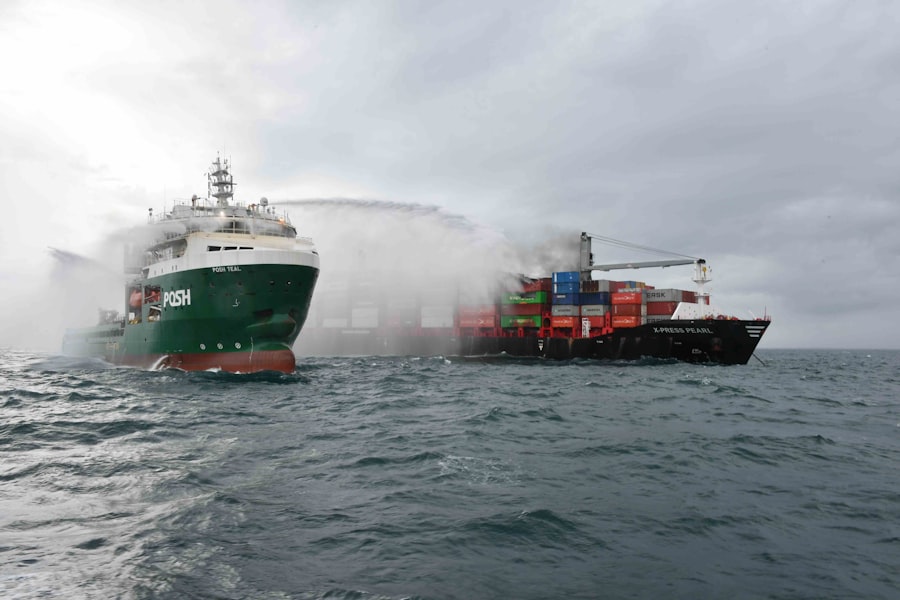
The advent of steam power in the 19th century revolutionized maritime transport, offering greater speed and reliability than sail. However, this new technology also brought its own set of challenges and introduced new forms of disaster to the North Sea. The increased volume of traffic, the reliance on complex machinery, and the human element in operating these new vessels all contributed to a tragic toll.
The Rise of Steam and the Increased Traffic Volume
As steamships became the dominant form of commercial and passenger transport, the North Sea experienced a dramatic increase in the number of vessels traversing its waters. This heightened traffic density, particularly in the narrow straits and busy shipping lanes, inevitably led to a greater probability of collisions. While steam offered more control than sail, the sheer volume of ships meant that errors in judgment, navigational mistakes, or mechanical failures could have catastrophic consequences. The loss of the SS Birkenhead in 1852, though not in the North Sea, highlighted the dangers of the era and introduced the concept of the “women and children first” protocol, a testament to the growing awareness of maritime tragedy.
Boiler Explosions and Mechanical Failures
Steam engines, while powerful, were also complex and prone to catastrophic failure. Boiler explosions, often caused by over-pressurization or faulty engineering, could rip vessels apart, sending shrapnel and steam indiscriminately through the ship. Similarly, engine failures at critical moments could leave vessels adrift in dangerous waters, vulnerable to weather or collisions. The North Sea, with its frequent storms, was a particularly unforgiving environment for a disabled steamship. These types of disasters, while less frequent than collisions or weather-related losses, were often particularly devastating due to their sudden and violent nature.
The Impact of New Technologies on Navigation
While steam power offered advantages, the transition to new navigational technologies was not always smooth. The introduction of early forms of steam-powered navigation aids and the continued reliance on sextants and chronometers in an increasingly complex maritime environment meant that navigational errors could still occur. The vastness of the North Sea and its often poor visibility, especially in winter, meant that even with steam power, accurate positioning was crucial. Mistakes in calculation or misinterpretation of charts could lead vessels onto shoals or into the path of other ships.
The Twentieth Century: Wars, Oil Rigs, and the Modern Era’s Toll
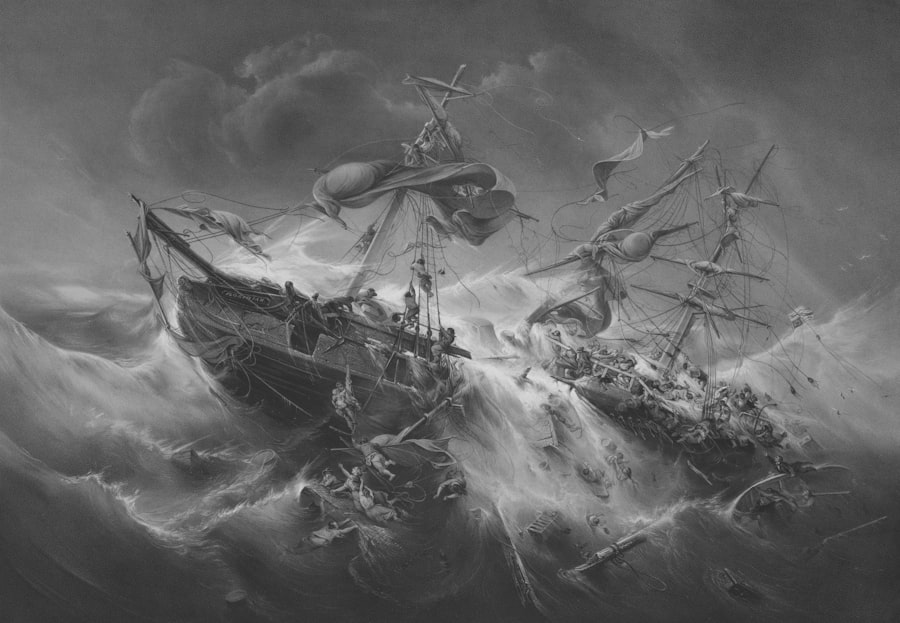
The 20th century brought unprecedented technological advancements and global conflicts, all of which profoundly impacted maritime safety in the North Sea. Two World Wars, the rise of the offshore oil industry, and the increasing speed and size of vessels created new sets of hazards, leading to some of the most well-known and devastating maritime disasters of modern times.
World War I and the Unseen Menace of Mines
World War I saw the North Sea transformed into a vast naval battleground and a heavily mined area. The relentless laying of mines by both Allied and Central Powers created an invisible but deadly threat that continued to claim vessels long after the armistice. Merchant ships, fishing trawlers, and even warships fell victim to these underwater explosives, often without warning. The sheer scale of mining operations meant that navigating any part of the North Sea was a gamble, and the consequences of hitting a mine were almost invariably fatal. The “Battle of the Atlantic,” which extended into the North Sea, saw the development of convoy systems and anti-mine measures, but the threat remained significant.
World War II and the U-boat Menace and Air Attacks
World War II escalated the dangers in the North Sea to an unimaginable degree. German U-boats inflicted devastating losses on Allied shipping, utilizing torpedoes and wolf-pack tactics to decimate convoys. The North Sea became a crucial theatre for submarine warfare, and many vessels carrying vital supplies and personnel were lost to the unseen enemy lurking beneath the waves. Beyond submarine warfare, air attacks by both sides also contributed to the carnage, with bombs and strafing runs targeting ships in port and at sea. The sheer ferocity of the conflict, combined with the strategic importance of the North Sea, resulted in a staggering loss of life and a vast number of shipwrecks.
The Offshore Oil and Gas Industry and its Associated Perils
The discovery and exploitation of oil and gas reserves in the North Sea in the latter half of the 20th century introduced a new dimension of maritime risk. The construction and operation of oil rigs, supply vessels, and tankers created a complex and hazardous working environment. Extreme weather conditions, coupled with the inherent dangers of working with volatile substances and heavy machinery, led to numerous accidents. The sinking of the Alexander Kielland in 1980, a semi-submersible accommodation rig, resulted in the loss of 123 lives and remains one of the deadliest offshore disasters in history. Other incidents involving supply vessel capsizes, platform fires, and tanker spills have further underscored the dangers of this vital industry.
The Herald of Free Enterprise and the Catastrophe of Human Error
The sinking of the MV Herald of Free Enterprise in 1987, just off the coast of Zeebrugge, Belgium, stands as one of the most harrowing modern North Sea disasters. The roll-on/roll-off ferry capsized within minutes of leaving port due to human error: the bow doors were left open. The rapid ingress of water created an unstoppable list, and the vessel capsized in shallow water, tragically killing 193 people. This disaster was a stark reminder that even with modern technology and safety regulations, human error remains a significant factor in maritime safety, and the consequences can be immediate and catastrophic.
The North Sea has been the site of numerous maritime disasters throughout history, highlighting the challenges faced by seafarers in this treacherous body of water. One particularly insightful article discusses the various incidents that have occurred in this region, shedding light on the factors that contribute to such tragedies. For those interested in exploring this topic further, you can read the article here: North Sea maritime disasters. Understanding these events not only honors the lives lost but also emphasizes the importance of maritime safety in one of the world’s busiest shipping lanes.
Lessons Learned and the Ongoing Vigilance of Maritime Safety
| Disaster | Year | Deaths |
|---|---|---|
| MS Herald of Free Enterprise | 1987 | 193 |
| SS Princess Victoria | 1953 | 133 |
| SS Rohilla | 1914 | 83 |
| MS Estonia | 1994 | 852 |
Each tragic North Sea maritime disaster, from the earliest voyages to the most recent incidents, has served as a grim educator. The lessons learned from these calamities have been hard-won, often at the cost of immense human suffering. Over the centuries, these experiences have driven innovation, led to the implementation of stricter regulations, and fostered a culture of continuous vigilance within the maritime community.
Technological Advancements in Navigation and Safety
The evolution of technology has played a pivotal role in enhancing maritime safety. From the sextant to GPS, radar, and satellite communication, navigational aids have become increasingly sophisticated, allowing vessels to pinpoint their location with greater accuracy and avoid hazards. Modern shipbuilding techniques have produced stronger, more stable vessels, while advancements in weather forecasting and communication systems enable mariners to be better prepared for storms. The development of enhanced safety equipment, such as life rafts, emergency beacons, and fire suppression systems, has also significantly improved survival rates in the event of an incident.
International Regulations and the Role of Maritime Organizations
In response to major disasters, international maritime organizations, such as the International Maritime Organization (IMO), have been established and have played a crucial role in developing and enforcing global safety standards. Conventions like the International Convention for the Safety of Life at Sea (SOLAS) and the International Convention for the Prevention of Pollution from Ships (MARPOL) set mandatory requirements for vessel construction, equipment, and operation. These regulations, constantly reviewed and updated based on lessons learned from past incidents, aim to standardize safety practices across the world’s oceans, including the North Sea.
The Importance of Crew Training and Human Factors
While technology is vital, the human element remains paramount in maritime safety. Extensive and ongoing training for all seafarers is essential to ensure they possess the knowledge, skills, and judgment necessary to operate vessels safely. This includes training in navigation, emergency procedures, ship handling, and cargo management. Furthermore, a greater understanding of human factors, including fatigue, stress, and communication breakdowns, has led to improved management practices and a focus on creating a safety-conscious culture onboard vessels. The maritime industry now actively seeks to understand and mitigate the risks associated with human error, recognizing its role in a significant proportion of accidents.
The Enduring Legacy of North Sea Disasters
The North Sea’s history is indelibly marked by maritime tragedies. The countless lives lost, the vessels sunk, and the communities impacted serve as a perpetual reminder of the immense power of the sea and the inherent risks associated with seafaring. While progress in technology and regulation has undoubtedly made the North Sea safer, the memory of these disasters serves as a call to continued vigilance. Each wreck, whether a modern supertanker or an ancient fishing boat, represents a story of human endeavor, ambition, and ultimately, loss. The enduring legacy of these North Sea maritime disasters is a testament to the resilience of the human spirit and the ongoing pursuit of safety in the face of nature’s formidable power. The sea, though a source of life and prosperity, demands respect, and its history in the North Sea is a stark and continuous lesson in that regard.

The Dangerous Sea Europe Can’t Live Without
FAQs
What are some notable North Sea maritime disasters?
Some notable North Sea maritime disasters include the sinking of the RMS Titanic in 1912, the sinking of the SS Edmund Fitzgerald in 1975, and the sinking of the MV Estonia in 1994.
What are the common causes of maritime disasters in the North Sea?
Common causes of maritime disasters in the North Sea include severe weather conditions, navigational errors, equipment failure, and collisions with other vessels or offshore structures.
How has technology improved safety in the North Sea maritime industry?
Technology has improved safety in the North Sea maritime industry through the use of advanced navigation systems, satellite communication, emergency response equipment, and improved vessel design and construction.
What are the environmental impacts of North Sea maritime disasters?
North Sea maritime disasters can have significant environmental impacts, including oil spills, damage to marine ecosystems, and loss of marine life. These impacts can have long-lasting effects on the environment and local communities.
What measures are in place to prevent maritime disasters in the North Sea?
Measures to prevent maritime disasters in the North Sea include strict regulations and safety standards for vessels, regular inspections and maintenance of maritime infrastructure, improved training and certification for crew members, and the use of advanced technology for navigation and communication.