
The desiccated expanse of what was once the Caspian Sea now plays host to a silent, yet potent, threat: toxic dust storms. Centuries of industrial activity, coupled with the relentless shrinkage of the world’s largest inland body of water, have transformed vast swathes of its exposed seabed into a volatile source of airborne pollutants. This article will delve into the multifaceted nature of this environmental crisis, exploring its origins, the composition of its toxic payload, and the far-reaching consequences for human health and ecosystems across the region.
The Caspian Sea, a jewel of Eurasia, has been steadily receding for decades. This dramatic decline is not a natural phenomenon but rather a complex interplay of anthropogenic pressures and climatic shifts. Understanding these drivers is crucial to grasping the genesis of the toxic dust storms.
Unsustainable Water Abstraction for Agriculture
The fertile lands surrounding the Caspian Sea are heavily reliant on irrigation, primarily sourced from its major tributaries. Historically, rivers like the Volga, Ural, and Kura have been instrumental in replenishing the sea’s volume. However, expanding agricultural operations, driven by growing populations and market demands, have led to unprecedented levels of water abstraction. This is akin to a thirsty giant drinking at a dwindling oasis, leaving less and less for the broader ecosystem.
Industrial Development and Dam Construction
Beyond agriculture, industrialization along the Caspian basin has also contributed to its shrinkage. The construction of numerous dams on feeder rivers, initially intended for hydroelectric power generation and water management, has further disrupted natural water flows. These dams act as formidable barriers, trapping water that would otherwise reach the sea, incrementally contributing to its desiccation. The logic behind their construction, while seemingly sound for immediate needs, has had unintended and devastating long-term consequences for the Caspian.
Climate Change and Evaporation Rates
While human intervention plays a dominant role, climate change also acts as an accelerant. Rising global temperatures, amplified in the arid and semi-arid regions around the Caspian, lead to increased evaporation rates from the sea’s surface. This exacerbates the water deficit, pushing the sea’s boundaries further inward and exposing more of its vulnerable seabed. The warming climate thus becomes an unwitting accomplice in the ongoing demise of this vast water body.
Toxic dust storms originating from the dried seabed of the Caspian Sea have become a pressing environmental concern, impacting air quality and public health in the surrounding regions. For a deeper understanding of this issue and its implications, you can read a related article that explores the causes and effects of these dust storms. To learn more, visit this article.
A Deadly Cocktail: The Toxic Composition of Caspian Dust
The exposed Caspian seabed is not merely inert salt and sand; it is a legacy of decades of industrial pollution, now liberated into the atmosphere. The dust storms that emanate from this region carry a potent and dangerous mix of contaminants, posing a significant threat to public health and environmental integrity.
Heavy Metals: The Silent Assassins
One of the most concerning components of Caspian dust storms is the presence of heavy metals. Decades of oil and gas extraction, petrochemical industries, and mining operations have leached a cocktail of toxic elements onto the seabed. These include lead, mercury, cadmium, arsenic, and chromium. These metals, once embedded in the sediments, are now re-suspended, becoming airborne particles that can travel hundreds, if not thousands, of kilometers. Their insidious nature lies in their persistence and their ability to bioaccumulate in living organisms, leading to a cascade of health problems.
Pesticides and Industrial Chemicals: A Lingering Legacy
The intensive agricultural practices that surround the Caspian have also contributed to the pollution of its waters and, subsequently, its seabed. The widespread use of pesticides, herbicides, and other industrial chemicals has resulted in their accumulation in the sediments. As these sediments dry and are whipped up by the winds, these persistent organic pollutants are also released into the atmosphere. These chemicals can disrupt endocrine systems, cause reproductive issues, and contribute to long-term chronic diseases in exposed populations.
Radionuclides: The Invisible Threat
Perhaps the most alarming, and often overlooked, component of the toxic dust from the Caspian seabed is the presence of radionuclides. The region has a history of nuclear activities, including waste disposal and, tragically, radioactive accidents. While the exact extent of radioactive contamination on the seabed is not always publicly disclosed, the potential for its mobilization during dust storms is a serious concern. These invisible particles emit ionizing radiation, which can damage DNA and significantly increase the risk of cancer.
The Inhalation Hazard: Health Impacts of Caspian Dust Storms

The toxic dust storms churning from the dried Caspian seabed are not merely an inconvenience; they are a direct assault on human health. The microscopic particles that are inhaled can penetrate deep into the respiratory system and even enter the bloodstream, triggering a range of acute and chronic illnesses.
Respiratory Illnesses: The Immediate Toll
The most immediate impact of inhaling toxic dust is on the respiratory system. The fine particulate matter in the dust acts as an irritant, exacerbating pre-existing conditions like asthma and bronchitis. For individuals with healthy lungs, prolonged exposure can lead to inflammation, coughing, shortness of breath, and increased susceptibility to respiratory infections. This is akin to breathing in a thousand tiny needles, each one irritating the delicate tissues of the lungs.
Cardiovascular Problems: The Hidden Danger
The reach of these toxic particles extends beyond the lungs. Studies have shown a strong correlation between exposure to airborne particulate matter and an increased risk of cardiovascular events. The fine dust can enter the bloodstream, contributing to inflammation in blood vessels, increasing blood pressure, and raising the likelihood of heart attacks and strokes. The seemingly distant threat of a dust storm can, therefore, have a direct and deadly impact on the heart.
Neurological and Developmental Issues: A Long-Term Shadow
The heavy metals and persistent organic pollutants present in the dust are particularly concerning for neurological health and child development. Lead, for example, is a known neurotoxin that can impair cognitive function, reduce IQ, and lead to behavioral problems in children, even at low levels of exposure. Mercury can also have devastating effects on the developing brain. The long-term shadow cast by these storms on the health of future generations is a profound and worrying aspect of this crisis.
Environmental Reverberations: Beyond Human Health
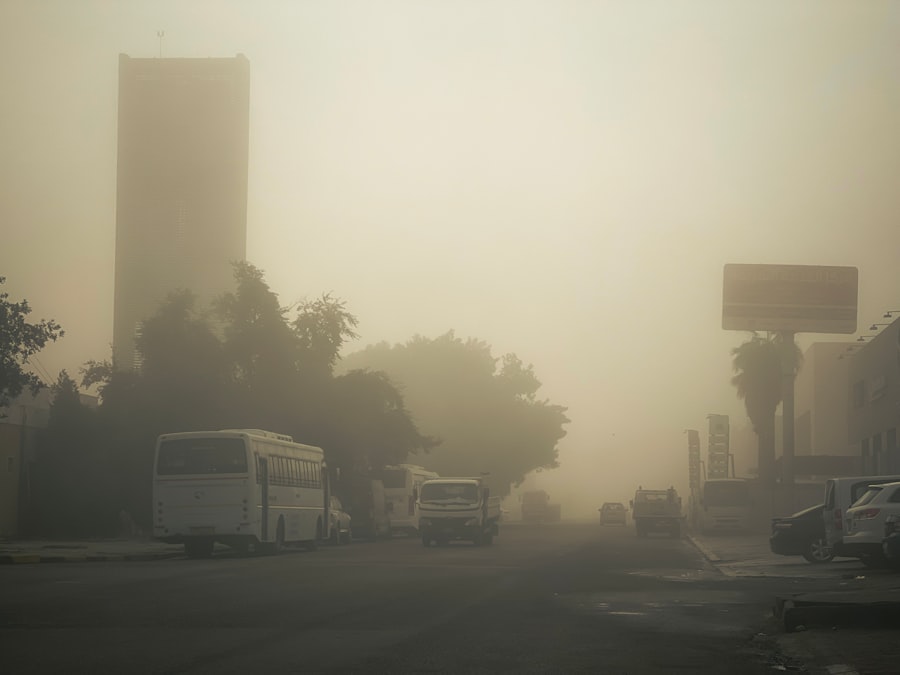
The toxic dust from the Caspian seabed does not confine its damage to human populations. Ecosystems across the region are also bearing the brunt of this environmental catastrophe, with cascading effects that threaten biodiversity and ecological balance.
Contamination of Agricultural Lands: Poisoning the Bounty
As the dust settles, it contaminates agricultural lands far from the Caspian shore. The heavy metals and pesticides deposited on fertile soils can be absorbed by crops, rendering them unsafe for consumption. This threatens food security for communities that rely on local produce and can lead to economic hardship for farmers who are forced to abandon their land or face reduced yields. The very soil that nourishes life becomes a vector for poison.
Aquatic Ecosystems Under Siege: The Saline Scars
Where the dust lands in rivers and remaining water bodies, it introduces a new wave of pollutants. The heavy metals and chemicals can harm aquatic life, disrupting food chains and leading to declines in fish populations. The increased salinity from the exposed seabed, coupled with the chemical contamination, creates a hostile environment for many species, further stressing already vulnerable aquatic ecosystems. It is like introducing a toxic brew into a fragile petri dish.
Impact on Wildlife: A Silent Extinction
Wild animals, birds, and insects are also exposed to the toxic dust through inhalation, ingestion of contaminated food sources, and direct contact. This can lead to a range of health problems, including reproductive failures, developmental abnormalities, and increased mortality rates. The impact on biodiversity can be significant, with populations of native species declining as they struggle to survive in a poisoned environment. The silent extinction of wildlife adds another layer of tragedy to this unfolding crisis.
Toxic dust storms originating from the dried Caspian seabed have become a significant environmental concern, impacting air quality and public health in the surrounding regions. A related article discusses the broader implications of these dust storms on local ecosystems and human populations, highlighting the urgent need for effective mitigation strategies. For more detailed insights, you can read the full article here.
Mitigation and Adaptation: Charting a Course Forward
| Metric | Value | Unit | Description |
|---|---|---|---|
| Area of Dried Seabed | 10,000 | km² | Estimated area of the Caspian seabed exposed due to water level drop |
| Frequency of Dust Storms | 15-20 | events/year | Number of toxic dust storms originating from the dried seabed annually |
| PM10 Concentration During Storms | 500-800 | µg/m³ | Particulate matter concentration in air during dust storm events |
| Heavy Metal Content in Dust | High | – | Presence of toxic metals such as lead, arsenic, and mercury in dust particles |
| Health Impact | Increased respiratory diseases | – | Reported rise in asthma, bronchitis, and other respiratory conditions in affected populations |
| Economic Impact | Significant | – | Damage to agriculture, livestock, and increased healthcare costs |
| Average Wind Speed During Storms | 20-30 | km/h | Wind speeds that mobilize dust from the dried seabed |
Addressing the toxic dust storms emanating from the Caspian seabed requires a multi-pronged approach, involving international cooperation, technological innovation, and a fundamental shift in how the region manages its water resources and industrial activities.
International Cooperation and Policy Frameworks
The Caspian Sea is bordered by several nations, and the dust storms transcend political boundaries. Effective mitigation requires robust international cooperation and the establishment of strong policy frameworks. This includes joint monitoring efforts, the sharing of best practices, and the implementation of regional agreements on pollution control and water management. Without a united front, the problem will continue to fester, a rogue wave washing over all shores.
Reforestation and Vegetation Management
One of the most effective ways to combat wind erosion and dust storms is through reforestation and the strategic planting of vegetation. Establishing green belts around the exposed seabed can help stabilize the soil, trap dust particles, and reduce the frequency and intensity of these events. This is a long-term solution, a slow but steady rearguard action against the encroaching desertification.
Industrial Pollution Control and Remediation
Stricter regulations on industrial emissions and the responsible disposal of waste are paramount. Furthermore, efforts must be made to remediate heavily polluted areas of the seabed where feasible. This could involve covering contaminated sites with protective layers or implementing innovative bioremediation techniques. The goal is to neutralize the threat at its source, preventing it from ever taking flight.
Water Management Reforms and Sustainable Practices
Ultimately, the long-term solution lies in sustainable water management and a significant reduction in unsustainable water abstraction for agriculture and industry. Investing in water-efficient irrigation techniques, promoting drought-resistant crops, and finding alternative water sources are crucial steps. Re-evaluating industrial practices and prioritizing environmental impact assessments are also essential. This involves a fundamental reorientation, a shift from exploitative practices to a harmonious coexistence with the environment. The Caspian, once a cradle of life, can only be revitalized through concerted and sustainable action.
FAQs
What causes toxic dust storms from the dried Caspian seabed?
Toxic dust storms from the dried Caspian seabed are primarily caused by the exposure of previously submerged sediments as water levels drop. These sediments contain harmful substances such as heavy metals, pesticides, and other pollutants that become airborne when strong winds blow over the dry seabed.
What are the health risks associated with these toxic dust storms?
The dust storms can pose serious health risks including respiratory problems, eye irritation, skin issues, and exacerbation of chronic conditions like asthma and bronchitis. Long-term exposure to the toxic particles may also increase the risk of cardiovascular diseases and other systemic health problems.
Which regions are most affected by dust storms from the Caspian seabed?
Regions surrounding the Caspian Sea, particularly parts of Kazakhstan, Turkmenistan, Iran, and Azerbaijan, are most affected by these dust storms. The impact is especially severe in areas close to the dried seabed where the concentration of toxic particles in the air is highest.
What environmental impacts do these dust storms have?
Besides health concerns, the dust storms contribute to soil degradation, reduced agricultural productivity, and contamination of water sources. The spread of toxic particles can also harm local flora and fauna, disrupting ecosystems and biodiversity in the region.
Are there any measures being taken to mitigate the effects of these dust storms?
Efforts to mitigate the effects include reforestation and vegetation planting to stabilize the soil, water management projects to restore parts of the seabed, and monitoring air quality to provide early warnings. International cooperation and regional policies are also being developed to address the environmental and health challenges posed by the drying Caspian Sea.