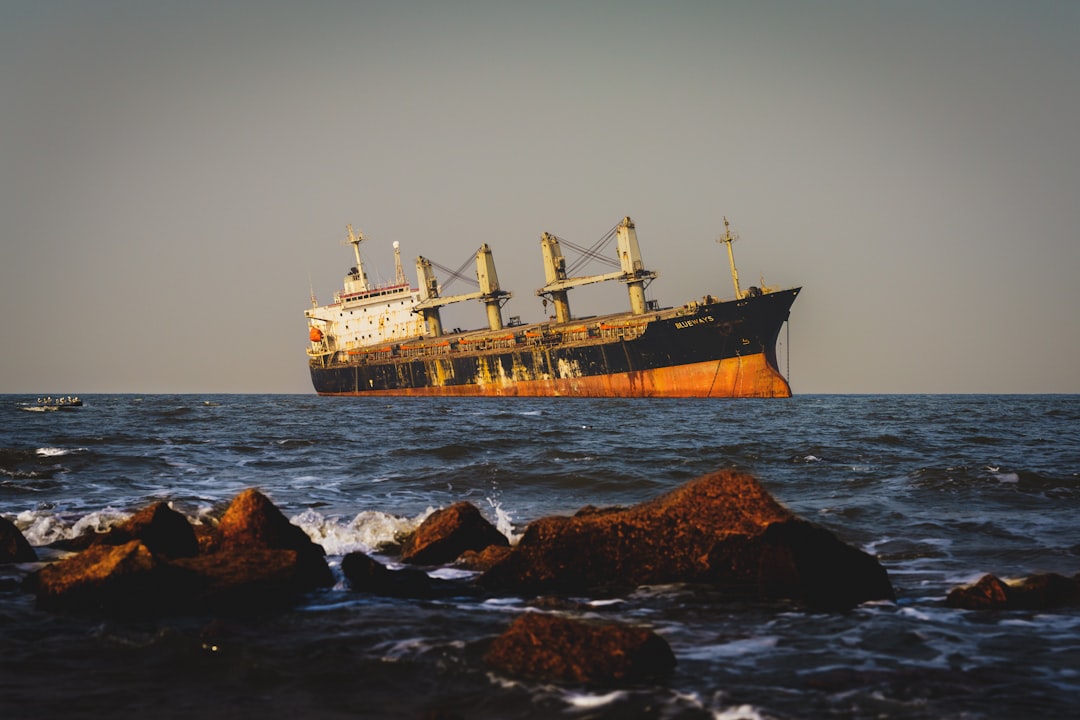
The dawn of 2025 marks a significant juncture in the global maritime industry, ushering in the full implementation of the Hong Kong Convention for the Safe and Environmentally Sound Recycling of Ships. This landmark international treaty, adopted in 2009 and entering into force in 2023, aims to revolutionize the often-controversial practice of shipbreaking, striving to make it a safer and more responsible process. For decades, shipbreaking has been characterized by hazardous working conditions, severe environmental pollution, and a lack of adequate oversight, particularly in developing nations where the majority of end-of-life vessels are dismantled. The Hong Kong Convention, now approaching its first anniversary of widespread application, represents a collective commitment from the international community to address these persistent challenges and foster a more sustainable future for ship recycling.
This article will delve into the multifaceted implications of the Hong Kong Convention 2025, exploring its genesis, its core principles, the stringent requirements it imposes on both ships and recycling facilities, and the transformative impact it is expected to have on the industry. We will also examine the hurdles that remain in achieving truly sustainable shipbreaking and the collaborative efforts required to ensure the Convention’s successful and equitable implementation.
The practice of shipbreaking, the dismantling of decommissioned vessels to recover valuable materials, has a long and often dark history. As ships reach the end of their operational lives, typically after 20 to 30 years, they are sent to specialized yards for dismantling. Historically, this process has been concentrated in a few countries, primarily in South Asia, including India, Bangladesh, and Pakistan, due to lower labor costs and less stringent environmental regulations.
The Human Cost of Dismantling
The human cost of traditional shipbreaking is immense and deeply concerning. Workers in these yards often face perilous conditions, lacking basic safety equipment such as gloves, masks, and protective clothing. They are exposed to a cocktail of hazardous substances, including asbestos, heavy metals, persistent organic pollutants (POPs), and volatile organic compounds (VOCs). The dismantling process often involves cutting through thick steel plates, working at extreme heights, and handling heavy machinery without adequate training or supervision.
Asbestos Exposure and Respiratory Illnesses
One of the most pervasive hazards is asbestos, a fibrous mineral once widely used in shipbuilding for its heat and fire resistance. Asbestos-containing materials are present in insulation, gaskets, and coatings within ships. When these materials are disturbed during dismantling, microscopic asbestos fibers are released into the air. Inhalation of these fibers can lead to severe and often fatal respiratory diseases, including asbestosis, lung cancer, and mesothelioma, with latency periods that can span decades.
Chemical Hazards and Toxic Contamination
Beyond asbestos, ships are repositories of numerous other hazardous chemicals. Fuel oil residues, bilge water contaminated with oil and heavy metals, paints containing lead and tributyltin (TBT), and refrigerants pose significant risks. Workers are exposed to these chemicals through skin contact, inhalation of fumes, and accidental ingestion. This exposure can lead to a range of acute and chronic health problems, including skin irritation, neurological damage, reproductive issues, and organ failure.
Unsafe Working Practices and Accidents
The absence of proper safety protocols, inadequate training, and the sheer physical demands of the job contribute to a high rate of accidents. Falls from height, electrocution, explosions from residual fuel, and injuries from falling debris are common occurrences. The sheer scale and weight of the materials involved, coupled with manual labor, create an inherently dangerous environment.
The Environmental Footprint of Traditional Shipbreaking
The environmental consequences of unchecked shipbreaking are equally devastating. Hazardous materials that are not properly contained or disposed of leak into the soil, water, and air, causing long-term ecological damage.
Marine Pollution and Contamination of Coastal Ecosystems
The dismantling process often occurs on beaches, where ships are beached at high tide and then worked on as the tide recedes. This method, known as “beaching,” facilitates the uncontrolled leakage of oil, fuel, and other toxic substances directly into the marine environment. These pollutants can contaminate coastal waters, harm marine life, and disrupt delicate ecosystems.
Soil and Groundwater Contamination
Spilled chemicals and waste materials seep into the ground, contaminating soil and groundwater. This pollution can affect agricultural land, drinking water sources, and the overall health of terrestrial ecosystems in the vicinity of shipbreaking yards.
Air Pollution and Hazardous Waste
The burning of materials to facilitate cutting, the release of toxic fumes from paints and coatings, and the decomposition of waste contribute to significant air pollution. Furthermore, the vast quantities of hazardous waste generated, including contaminated scrap metal, plastics, and residual chemicals, are often improperly managed, leading to further environmental degradation.
The Hong Kong Convention 2025 for shipbreaking aims to establish a comprehensive framework for the safe and environmentally sound recycling of ships. For further insights into the implications of this convention and its potential impact on global shipbreaking practices, you can read a related article on this topic at MyGeoQuest. This article delves into the challenges and opportunities presented by the convention, highlighting the importance of sustainable practices in the maritime industry.
The Genesis of the Hong Kong Convention: A Call for Change
Recognizing the urgent need to address the severe human and environmental consequences of shipbreaking, the International Maritime Organization (IMO) began developing an international convention dedicated to this issue. This culminated in the adoption of the Hong Kong Convention for the Safe and Environmentally Sound Recycling of Ships in 2009.
The International Maritime Organization (IMO) and its Role
The IMO, a specialized agency of the United Nations, is responsible for the safety, security, and environmental performance of international shipping. It is within this framework that the Hong Kong Convention was conceived and negotiated, bringing together governments, industry stakeholders, and non-governmental organizations to forge a globally binding instrument.
Key Objectives of the Convention
The primary objectives of the Hong Kong Convention are to:
- Ensure the safe and environmentally sound recycling of ships: This is the overarching goal, aiming to minimize the risks to human health and the environment associated with ship recycling.
- Establish a global framework for ship recycling: The Convention provides a set of common standards and procedures that all signatory states must adhere to.
- Promote responsible ship recycling practices: It incentivizes shipowners and recycling facilities to adopt best practices and invest in safe and environmentally sound technologies.
- Prevent the export of hazardous waste: The Convention aims to prevent ships containing hazardous materials from being sent to countries that are not equipped to handle them safely.
The Long Road to Entry into Force
The Hong Kong Convention was adopted in 2009, but it required ratification by a sufficient number of states representing a significant portion of the world’s merchant shipping tonnage to enter into force. This process took over a decade, highlighting the complexities of international treaty-making and the diverse interests involved. The Convention finally entered into force on June 13, 2023, after meeting the ratification threshold.
Pillars of the Convention: Safety and Environmental Protection

The Hong Kong Convention is built upon two fundamental pillars: ensuring the safety of workers and protecting the environment from the hazardous materials present in ships. To achieve these goals, the Convention lays out a comprehensive set of requirements for both ships and recycling facilities.
The Ship Recycling Plan and Inventory of Hazardous Materials
A cornerstone of the Convention is the requirement for ships to have an “Inventory of Hazardous Materials” (IHM) and a “Ship Recycling Plan” (SRP).
Inventory of Hazardous Materials (IHM)
The IHM is a document that lists all hazardous materials present on board a ship. It is compiled during the ship’s construction and updated throughout its operational life. This inventory provides shipowners, ship recycling facilities, and regulatory authorities with crucial information about the potential hazards that need to be managed during the dismantling process. The development of the IHM requires a thorough survey of the ship and the identification of materials such as asbestos, ozone-depleting substances, heavy metals, and persistent organic pollutants (POPs).
Ship Recycling Plan (SRP)
The Ship Recycling Plan (SRP) is developed by the shipowner in consultation with the recycling facility. It outlines the specific procedures that will be followed for the safe and environmentally sound recycling of the ship. This plan addresses aspects such as the method of dismantling, the handling and disposal of hazardous materials, worker safety measures, and emergency response procedures. The SRP ensures that a systematic and planned approach is taken, rather than ad-hoc and potentially dangerous practices.
Requirements for Recycling Facilities
The Convention imposes stringent requirements on ship recycling facilities to ensure they can safely and responsibly dismantle ships.
Design and Operation Standards
Recycling facilities must meet specific design and operational standards. This includes having adequate infrastructure for handling hazardous materials, such as dedicated storage areas, containment systems, and waste treatment facilities. They must also implement robust operational procedures to minimize worker exposure and environmental releases.
Worker Training and Safety Equipment
A critical aspect is the provision of comprehensive training for all workers involved in ship recycling. This training covers hazard identification, safe handling of materials, emergency procedures, and the proper use of personal protective equipment (PPE). The Convention mandates the provision of adequate PPE, including respirators, gloves, protective clothing, and safety footwear, tailored to the specific hazards encountered.
Environmental Management Systems
Recycling facilities are required to establish and maintain effective environmental management systems. This involves monitoring emissions, managing waste streams, preventing pollution of air, water, and soil, and ensuring the proper disposal of hazardous waste in accordance with national and international regulations.
Towards Sustainable Shipbreaking in 2025: Challenges and Opportunities

As the Hong Kong Convention fully takes hold in 2025, it presents both significant challenges and unprecedented opportunities for the global maritime industry. The transition to a new paradigm of responsible ship recycling will not be without its hurdles, but the potential for positive transformation is immense.
Ensuring Global Compliance and Enforcement
One of the most significant challenges is ensuring widespread compliance and effective enforcement of the Convention’s provisions across all signatory states. The effectiveness of any international treaty hinges on its consistent application by all parties.
The Role of Flag States and Port States
Flag states, the countries in whose registry a ship is entered, have a primary responsibility for ensuring that ships flying their flag comply with the Convention. This includes issuing the necessary certificates and conducting inspections. Port states, the countries where ships call, also play a crucial role through port State control inspections to verify compliance.
Addressing Non-Compliance and Illicit Shipbreaking
There is a risk that some countries may continue to engage in illicit shipbreaking practices, outside the purview of the Convention. This could create a “race to the bottom,” where shipowners opt for cheaper, less regulated dismantling options, undermining the efforts of those striving for compliance. Robust international cooperation and intelligence sharing will be vital to identify and address such practices.
The Economic Implications of Sustainable Shipbreaking
The implementation of the Hong Kong Convention will undoubtedly have economic implications for both shipowners and recycling facilities. Investing in safety and environmental protection measures requires financial commitment.
Increased Costs for Shipowners and Recyclers
Shipowners may face higher costs associated with maintaining the IHM and SRP, as well as potentially higher fees from compliant recycling facilities. Recycling facilities will need to invest in upgrading their infrastructure, training their workforce, and implementing robust environmental management systems.
The “Green Premium” and Market Incentives
However, there is also an opportunity for a “green premium” to emerge in the market. Shipowners who demonstrate a commitment to responsible recycling may gain a competitive advantage and attract environmentally conscious investors. Similarly, recycling facilities that achieve and maintain certification under the Convention could command higher prices for their services.
The Future of Ship Recycling: Innovation and Collaboration
The Hong Kong Convention is not just a set of regulations; it is a catalyst for innovation and collaboration within the ship recycling sector.
Technological Advancements in Dismantling
The demand for safer and more efficient dismantling methods will drive the development and adoption of new technologies. This could include advanced cutting techniques, automated dismantling processes, and improved methods for the containment and removal of hazardous materials.
The Importance of Stakeholder Collaboration
Achieving truly sustainable shipbreaking requires a concerted effort from all stakeholders: shipowners, shipyards, governments, international organizations, and non-governmental organizations. Open dialogue, knowledge sharing, and collaborative problem-solving will be essential to overcome challenges and ensure the Convention’s long-term success. The future of ship recycling lies in a partnership where economic viability is intertwined with social responsibility and environmental stewardship.
The Hong Kong Convention 2025 is set to revolutionize the shipbreaking industry by establishing comprehensive guidelines for the safe and environmentally sound recycling of ships. This initiative aims to address the significant environmental and safety challenges posed by shipbreaking practices worldwide. For further insights into the implications of this convention, you can explore a related article that discusses the potential impact on global shipping and environmental policies. This article provides a deeper understanding of how the convention will shape the future of ship recycling and promote sustainable practices. To read more, visit this link.
The Path Forward: Ensuring a Truly Sustainable Future
| Year | Number of Ships | Total Tonnage | Recycling Rate |
|---|---|---|---|
| 2021 | 150 | 2,500,000 | 60% |
| 2022 | 180 | 3,000,000 | 65% |
| 2023 | 200 | 3,500,000 | 70% |
| 2024 | 220 | 4,000,000 | 75% |
| 2025 | 250 | 4,500,000 | 80% |
The Hong Kong Convention 2025 represents a significant step towards a more responsible and sustainable global ship recycling industry. However, its ultimate success will depend on continued commitment, vigilance, and adaptation. The journey towards eliminating the human and environmental toll of shipbreaking is ongoing, and the Convention provides a crucial framework to guide this evolution.
Continuous Improvement and Adaptability
The maritime industry is dynamic, and the challenges of ship recycling will continue to evolve. The Convention itself allows for future amendments and updates, recognizing the need for continuous improvement. Regular reviews of its effectiveness, along with the incorporation of new scientific knowledge and technological advancements, will be vital.
Education and Awareness Campaigns
Raising awareness about the importance of the Hong Kong Convention and the benefits of sustainable shipbreaking among all stakeholders, including the general public, is crucial. Education campaigns can help foster a culture of responsibility and encourage greater engagement with the principles of the Convention.
Investing in Developing Nations
A significant portion of shipbreaking still occurs in developing nations. Supporting these countries in their efforts to comply with the Convention through capacity building, technological transfer, and financial assistance is paramount. This ensures that the transition to sustainable practices is equitable and does not disproportionately burden economies with fewer resources.
The Global Promise of Responsible Recycling
As 2025 unfolds, the Hong Kong Convention stands as a testament to the global community’s commitment to transforming a historically problematic industry. It promises a future where ships are not simply discarded but are dismantled in a manner that safeguards human health, protects the environment, and promotes a circular economy. The success of this endeavor will be measured not only in the compliance of nations and facilities but in the tangible improvements in the lives of workers and the health of our planet. The pursuit of truly sustainable shipbreaking is a continuous journey, and the Hong Kong Convention is its guiding star.

The Beaches Global Trade Can’t Afford to Lose
FAQs
What is the Hong Kong Convention 2025 shipbreaking?
The Hong Kong Convention 2025 is an international treaty aimed at ensuring the safe and environmentally sound recycling of ships. It was adopted in 2009 by the International Maritime Organization (IMO) and is expected to enter into force in 2025.
What are the key objectives of the Hong Kong Convention 2025?
The key objectives of the Hong Kong Convention 2025 are to improve the safety and environmental performance of ship recycling, to ensure the proper management of hazardous materials and wastes from ships, and to establish an effective enforcement mechanism for ship recycling regulations.
How does the Hong Kong Convention 2025 impact shipbreaking practices?
The Hong Kong Convention 2025 sets out specific requirements for ship recycling facilities, including the need for a ship recycling plan, a ship-specific inventory of hazardous materials, and a recycling facility capable of safely handling hazardous materials. It also requires ships to have an inventory of hazardous materials before they are sent for recycling.
Which countries have ratified the Hong Kong Convention 2025?
As of [current year], the Hong Kong Convention 2025 has been ratified by Belgium, Congo, Denmark, France, Japan, Norway, Panama, and Turkey. Several other countries have signed the convention but have not yet ratified it.
What are the potential benefits of the Hong Kong Convention 2025 for the shipbreaking industry?
The Hong Kong Convention 2025 is expected to improve the safety and environmental performance of ship recycling, reduce the risks to workers and the environment, and create a level playing field for ship recycling facilities around the world. It also aims to promote the development of sustainable ship recycling practices.