Thriving in the Desert: How Las Vegas Beats the Odds
Las Vegas, a city forged from sand and dreams, stands as a testament to human ingenuity and an unwavering spirit of reinvention. Nestled in the unforgiving embrace of the Mojave Desert, it has transcended its humble beginnings as a railroad town and a gambling mecca to become a global entertainment powerhouse. The very notion of such a vibrant, bustling metropolis flourishing in a landscape characterized by extreme temperatures, scarce water resources, and geographical isolation seems, at first glance, an improbable feat. Yet, Las Vegas has not only survived but thrived, consistently defying expectations and demonstrating an unparalleled ability to adapt, innovate, and ultimately, captivate the world. This enduring success is not a product of chance, but a meticulously crafted narrative of strategic planning, relentless development, and a deep understanding of human desire.
The most immediate and formidable challenge facing any settlement in the desert is the scarcity of water. Las Vegas, however, has transformed this arid landscape into a thriving urban center through a remarkable series of engineering feats and resourceful management strategies. The city’s existence is inextricably linked to the Colorado River, and its survival hinges on the meticulous management of this vital lifeline. The construction of the Hoover Dam in the 1930s was a monumental achievement, providing not only electricity but also a crucial source of water that enabled the nascent city to grow. This ambition extended to the creation of Lake Mead, a reservoir that has served as the primary water supply for the region for decades.
The Ingenuity of Water Management
Beyond large-scale federal projects, Las Vegas has developed sophisticated local strategies to ensure its water needs are met. The Southern Nevada Water Authority (SNWA) plays a pivotal role, implementing a multi-pronged approach that encompasses conservation, recycling, and innovative water acquisition.
Strict Conservation Measures
Las Vegas has become a recognized leader in urban water conservation. This involves a comprehensive set of regulations and incentives aimed at reducing water consumption by both residents and businesses.
- Lawn Replacement Programs: One of the most visible aspects of Las Vegas’s conservation efforts is the aggressive program to replace thirsty, non-native grass with drought-tolerant landscaping. Homeowners are incentivized to remove their lawns and opt for desert-friendly plants and artificial turf, significantly reducing outdoor water usage.
- Water Waste Restrictions: The SNWA enforces strict regulations against water waste, including limitations on watering schedules, prohibitions on washing down sidewalks and driveways, and requirements for efficient irrigation systems.
- Commercial Water Efficiency: The hospitality industry, the lifeblood of Las Vegas, has also been a major focus of conservation efforts. Large resorts and casinos are mandated to implement water-efficient fixtures, cooling systems, and landscaping, leading to substantial savings.
Advanced Water Recycling and Reuse
Las Vegas has embraced a circular economy approach to water, maximizing the reuse of every drop.
- Wastewater Treatment and Reclamation: The city operates advanced wastewater treatment facilities that reclaim water to a high standard, making it suitable for a variety of non-potable uses.
- Irrigation of Public Spaces: Reclaimed water is extensively used for irrigating golf courses, parks, and the median landscaping along major roadways, freeing up precious potable water for domestic consumption.
- Industrial and Cooling Uses: Many large facilities, including casinos and power plants, utilize reclaimed water for industrial processes and cooling towers, further reducing their reliance on fresh water.
Innovative Water Acquisition Strategies
While conservation and recycling are paramount, Las Vegas has also explored and secured diverse water sources to supplement its supply.
- Groundwater Management: The SNWA carefully manages its groundwater resources, ensuring sustainable extraction rates to prevent aquifer depletion.
- Interstate Water Agreements: Through complex negotiations and agreements, Southern Nevada has secured a portion of Colorado River water, though this remains a dynamic and often debated aspect of regional water security.
- Exploration of New Technologies: The SNWA actively invests in research and development of emerging water technologies, including potential future strategies like desalination or advanced water purification, though these are often cost-prohibitive for widespread adoption in the region currently.
The success of Las Vegas in surmounting its water challenges is a remarkable display of foresight, engineering prowess, and a collective commitment to sustainability. It demonstrates that even in the most arid environments, human ingenuity can create vibrant and thriving communities through strategic resource management.
Las Vegas, often referred to as the “Entertainment Capital of the World,” has developed unique strategies to thrive in the harsh desert environment. From innovative water conservation techniques to sustainable building practices, the city has adapted to its arid surroundings while maintaining its vibrant economy. For a deeper understanding of how Las Vegas manages to flourish in such a challenging climate, you can read a related article at My Geo Quest.
The Spectacle of Entertainment: A Universal Allure
Las Vegas is synonymous with entertainment, a city that has perfected the art of dazzling its visitors. From its earliest days as a gambling hub, the city understood that to draw people in, it needed to offer an experience beyond the ordinary. This understanding has evolved into a sophisticated ecosystem of world-class entertainment that caters to every imaginable taste and desire. The iconic Strip is a living testament to this, a dazzling corridor of opulent resorts, each meticulously designed to be a destination in itself.
The Evolution of the Entertainment Landscape
Las Vegas’s entertainment offerings have undergone a dramatic transformation, moving far beyond the traditional casino floor.
The Rise of the Mega-Resort
The development of integrated mega-resorts has been a cornerstone of Las Vegas’s evolution. These massive complexes are not just hotels; they are self-contained cities offering a multitude of attractions under one roof.
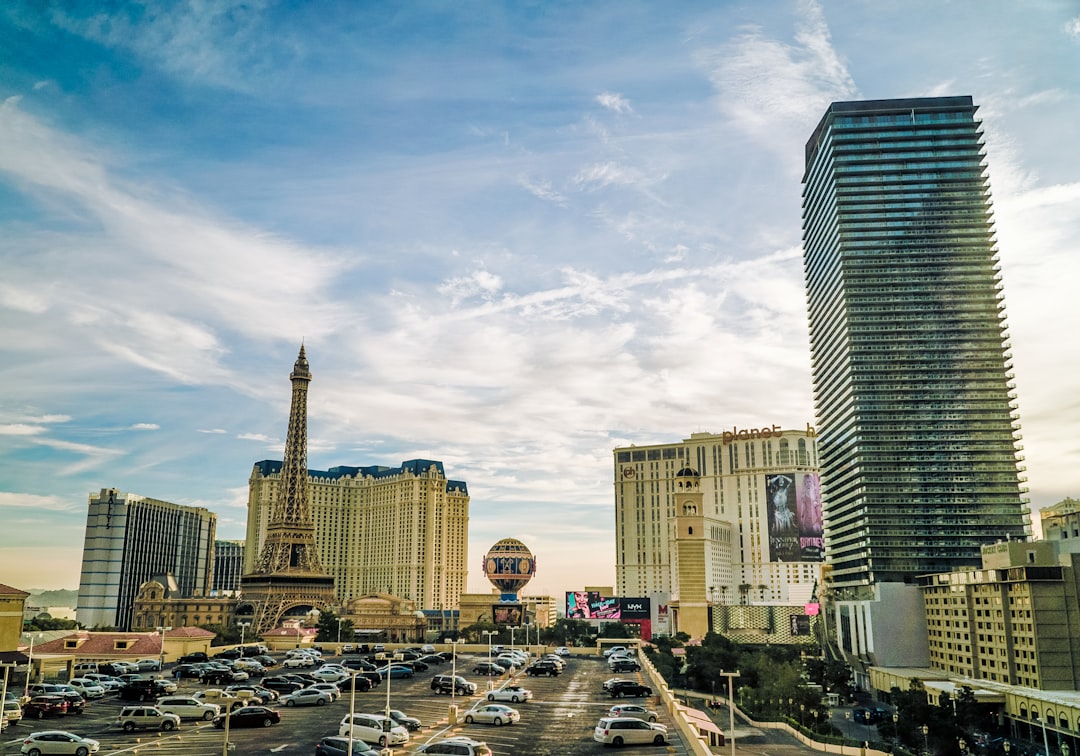
- Themed Environments: Resorts like The Venetian, with its gondola rides and St. Mark’s Square, or Paris Las Vegas, with its Eiffel Tower replica, create immersive thematic experiences that transport visitors to different worlds.
- Retail and Dining Destinations: Beyond gambling, these resorts boast extensive retail spaces featuring luxury brands and celebrity-chef-driven restaurants, transforming them into premier shopping and dining destinations.
- Convention and Exhibition Centers: The presence of vast convention centers within these resorts has cemented Las Vegas as a leading destination for business travel and trade shows, further diversifying its economic base.
A Constellation of Shows and Performances
Las Vegas has become a global stage for some of the most captivating performances on Earth. The city attracts top-tier talent and invests heavily in elaborate productions that draw international crowds.
- Cirque du Soleil’s Dominance: The iconic Cirque du Soleil has established a significant presence in Las Vegas, with multiple resident shows that are renowned for their breathtaking acrobatics, artistic choreography, and fantastical visual effects.
- Headlining Musicians and Residencies: Las Vegas has become a prime location for musicians to establish long-term residencies, offering fans the chance to see legendary performers in intimate, yet grand, settings.
- World-Class Magic and Comedy: From illusionists who redefine the boundaries of magic to renowned comedians, the city offers a diverse array of live entertainment acts that appeal to a broad audience.
- Spectacular Production Shows: Beyond traditional theater, Las Vegas is known for its large-scale production shows featuring elaborate costumes, intricate set designs, and dazzling special effects that are designed to awe and inspire.
The Allure of Gaming and Thrills
While the entertainment landscape has broadened, the thrill of the casino floor remains a significant draw for many visitors. Las Vegas has maintained its reputation as a premier gambling destination, offering a wide spectrum of gaming experiences.
- High-Stakes Gambling: The city attracts high rollers and offers a sophisticated gaming environment for those seeking to test their luck at high-stakes tables for poker, blackjack, and baccarat.
- Diverse Slot Machines and Table Games: From penny slots to the latest video gaming machines, and a vast array of table games catering to all skill levels, there is a game for every visitor.
- Sports Betting Revolution: The legalization and expansion of sports betting have added another layer of excitement to the Las Vegas experience, with state-of-the-art sportsbooks offering odds on virtually every major sporting event.
The success of Las Vegas in cultivating such a diverse and captivating entertainment industry highlights its ability to understand and cater to the fundamental human desire for escape, excitement, and shared experiences. It has become a masterful purveyor of spectacle, drawing millions to its glittering shores year after year.
The Economic Engine: Diversification Beyond Gambling
For decades, Las Vegas was perceived solely as a gambling town, an image that, while containing a kernel of truth, fails to acknowledge the sophisticated economic diversification that has propelled its sustained growth. While gaming revenue remains a vital component of its economy, the city has strategically expanded into various other sectors, creating a more resilient and multifaceted economic landscape. This proactive approach has shielded Las Vegas from the inherent volatility that can plague single-industry economies and positioned it for long-term prosperity.
Building a Robust Economic Foundation
Las Vegas has actively cultivated industries that complement its core offerings and attract a different demographic of visitors and residents.
The Convention and Tourism Powerhouse
Beyond leisure tourism, Las Vegas has established itself as one of the world’s premier destinations for conventions, trade shows, and business meetings.
- World-Class Convention Centers: The Las Vegas Convention Center, along with numerous other large-scale facilities embedded within resorts, are equipped to host events of virtually any size, drawing millions of business travelers annually.
- Diverse Industry Focus: The city hosts a wide array of industry events, from the Consumer Electronics Show (CES) to auto shows, medical conferences, and specialty trade fairs, demonstrating its broad appeal to businesses.
- Economic Impact of Business Travel: Convention attendees generally have higher disposable incomes and contribute significantly to the local economy through accommodation, dining, entertainment, and shopping. This has created a consistent and year-round demand for services.
The Rise of Logistics and Manufacturing
Recognizing the strategic advantages of its location, Las Vegas has become a burgeoning hub for logistics and manufacturing.
- Strategic Location and Infrastructure: Las Vegas’s position in the Western United States, with its proximity to major West Coast ports and its well-developed transportation infrastructure (including major highways and an international airport), makes it an attractive distribution point.
- Growth of E-commerce Fulfillment Centers: Major e-commerce players have established large fulfillment and distribution centers in the Las Vegas area, capitalizing on the city’s logistical advantages.
- Manufacturing Diversification: While perhaps not as dominant as other sectors, there has been a steady growth in manufacturing, particularly in areas like aerospace, technology, and medical devices, attracted by the business-friendly environment and an available workforce.
The Healthcare and Education Sectors
Las Vegas has invested significantly in developing robust healthcare and educational institutions, further diversifying its economic base and improving the quality of life for its residents.
- Advancements in Healthcare: The city boasts modern hospitals, specialized medical centers, and a growing number of healthcare professionals, attracting a steady stream of patients and creating employment opportunities.
- Growth of Higher Education: Universities and colleges in the region are expanding their programs and research capabilities, providing a skilled workforce and contributing to the intellectual capital of the city. This includes institutions like the University of Nevada, Las Vegas (UNLV), which plays a crucial role in research and workforce development.
- Impact on Quality of Life: The presence of strong healthcare and education systems not only bolsters the economy but also makes Las Vegas a more attractive place to live, work, and raise a family, contributing to resident retention and population growth.
This multi-faceted approach to economic development demonstrates that Las Vegas is no longer solely reliant on the fluctuating fortunes of the gaming industry. Its strategic diversification has created a more resilient, sustainable, and prosperous future, proving that a city can indeed thrive far beyond its initial, singular allure.
The Art of Adaptation: Responding to Challenges and Evolving Trends
Las Vegas has never been a city to rest on its laurels. Its history is punctuated by periods of significant transformation, driven by an uncanny ability to anticipate and respond to changing economic climates, societal trends, and technological advancements. This inherent adaptability is perhaps the most crucial factor in its enduring success, allowing it to reinvent itself and remain relevant in an ever-evolving world. From economic downturns to the rise of new forms of entertainment, Las Vegas has consistently demonstrated a willingness to pivot and innovate.
Navigating Economic Shifts and Societal Changes
The city’s history is a testament to its resilience in the face of adversity.
Overcoming Economic Downturns
Las Vegas has faced its share of economic challenges, most notably the Great Recession of 2007-2009. However, rather than collapsing, the city showcased its capacity for recovery and reinvention.
- Focus on Cost-Conscious Tourism: During downturns, Las Vegas has successfully repositioned itself to appeal to a broader range of travelers by emphasizing value and affordability, alongside its luxury offerings.
- Investment in Infrastructure: Even during challenging times, strategic investments in infrastructure, such as airport expansions and road improvements, have been maintained, ensuring the city remains accessible and functional.
- Government and Private Sector Collaboration: Effective collaboration between government entities and private businesses has been crucial in navigating economic crises, allowing for coordinated efforts in marketing, job creation, and business support.
Embracing the Digital Age and New Technologies
Las Vegas has been quick to embrace technological advancements, integrating them into its offerings and operational efficiency.
- Online Gaming and Mobile Applications: While largely focused on land-based gaming, the city and its operators have explored and adapted to the growing online gaming market, understanding the need to cater to evolving player preferences.
- Smart City Initiatives: Las Vegas has been a pioneer in adopting smart city technologies, leveraging data and connectivity to improve traffic flow, public safety, and resource management.
- Immersive Technology in Entertainment: The integration of virtual reality, augmented reality, and advanced projection mapping is becoming increasingly common in shows and attractions, offering new and exciting immersive experiences for visitors.
The Shifting Demographics and Cultural Shifts
Las Vegas has also demonstrated an ability to adapt to changing demographics and cultural preferences.
- Beyond the Bachelor Party Image: While still popular for certain types of celebrations, Las Vegas has actively worked to shed its exclusive image as solely a destination for bachelor parties and gambling, broadening its appeal to families, couples, and a more diverse group of travelers.
- Focus on Culinary Experiences: The city’s culinary scene has exploded in recent years, offering Michelin-starred restaurants, innovative eateries, and a vast array of international cuisines, appealing to gourmands and everyday diners alike.
- Arts and Culture Integration: While known for its glitz and glamour, Las Vegas has increasingly incorporated elements of art and culture, with galleries, public art installations, and a growing appreciation for diverse forms of creative expression.
The sustained success of Las Vegas is a clear demonstration that its resilience is not solely based on its attractions but on its fundamental capacity to learn, adapt, and evolve. This proactive approach to change ensures that the city remains a dynamic and captivating destination, capable of thriving in the face of any future challenges.
Las Vegas, often referred to as the entertainment capital of the world, has developed remarkable strategies to thrive in the harsh desert environment. The city utilizes advanced water conservation techniques and innovative architecture to combat the challenges posed by its arid surroundings. For a deeper understanding of how urban planning and resource management play a crucial role in the survival of this vibrant city, you can read more in this insightful article on the topic. Check it out here.
The Human Element: The Grit and Vision of Its People
| Aspect | Survival Strategy |
|---|---|
| Water Conservation | Use of water-efficient landscaping and strict water usage regulations |
| Energy Efficiency | Implementation of energy-saving technologies and renewable energy sources |
| Waste Management | Emphasis on recycling and waste reduction programs |
| Tourism Diversification | Development of entertainment and hospitality industries to attract visitors |
| Infrastructure Innovation | Investment in advanced infrastructure for water and energy distribution |
Beneath the dazzling lights and towering resorts, the true foundation of Las Vegas’s success lies in the grit, vision, and entrepreneurial spirit of its people. From the relentless hustlers who pioneered the early casinos to the innovative thinkers and dedicated service professionals who drive its modern economy, the human element is undeniably the most critical ingredient in this desert metropolis. It is the collective ambition, the unwavering commitment to exceptional service, and the constant pursuit of excellence that truly define Las Vegas.
The Drive Behind the Dreams
The story of Las Vegas is intrinsically linked to the ambitions and perseverance of its inhabitants across various sectors.
The Pioneers and Entrepreneurs
The early days of Las Vegas were shaped by individuals who dared to dream big in an unforgiving landscape. These pioneers, many of them drawn from the world of organized crime and shadowy dealings, brought a daring and often ruthless entrepreneurial spirit to the desert.
- The Birth of the Casino Industry: Figures like Bugsy Siegel and Howard Hughes were instrumental in transforming Las Vegas from a dusty railroad town into a gambling mecca, investing heavily in iconic properties and setting the stage for the city’s future development.
- A Culture of Risk-Taking: This early spirit of risk-taking and bold investment has become ingrained in the city’s DNA, fostering an environment where ambitious ventures are encouraged and celebrated.
The Hospitality Workforce: The Backbone of the Experience
The service industry is the lifeblood of Las Vegas, and its workforce is the unsung hero of its success. The dedication and professionalism of those who work in hotels, restaurants, casinos, and entertainment venues are paramount to the visitor experience.
- Exceptional Customer Service: Las Vegas has cultivated a culture of delivering exceptional customer service, understanding that the interaction with staff is as crucial as the attractions themselves.
- Skilled Professionals: The city requires a highly skilled workforce, from world-class chefs and mixologists to experienced dealers, technicians, performers, and hotel management professionals.
- Commitment to Excellence: The demanding nature of the hospitality industry in Las Vegas requires a constant commitment to efficiency, problem-solving, and maintaining a high standard of professionalism, often under intense pressure.
The Visionaries of Innovation and Development
In more recent times, Las Vegas has been shaped by a new generation of visionaries who continue to push the boundaries of what is possible.
- Urban Planners and Developers: Intelligent urban planning and strategic development by visionary leaders have been crucial in shaping the city’s growth, from the expansion of the Strip to the development of new districts and infrastructure.
- Cultural Curators and Entertainment Moguls: These individuals are responsible for bringing world-class shows, innovative attractions, and diverse culinary experiences to the city, constantly seeking to elevate the entertainment landscape.
- Community Builders and Civic Leaders: A growing number of civic leaders and community organizers are focused on improving the quality of life for residents, fostering a sense of community, and ensuring sustainable development.
The enduring success of Las Vegas is not merely a product of its water management, its spectacular entertainment, its diversified economy, or its adaptability. It is, at its core, a testament to the indomitable human spirit that conceived, built, and continues to nurture this extraordinary desert oasis. The grit, the vision, and the relentless pursuit of excellence embodied by its people are the invisible forces that truly enable Las Vegas to not just survive, but to majestically thrive against all odds.

Why Las Vegas Shouldn’t Exist
FAQs
1. What is the climate like in Las Vegas?
Las Vegas has a desert climate, characterized by hot, dry summers and mild winters. The city receives very little rainfall, with most of it occurring during the winter months.
2. How does Las Vegas obtain its water supply?
Las Vegas obtains its water supply from Lake Mead, which is fed by the Colorado River. The city also relies on groundwater and has implemented strict water conservation measures to manage its limited water resources.
3. What measures has Las Vegas taken to conserve water?
Las Vegas has implemented a number of water conservation measures, including strict watering schedules for landscaping, the use of drought-resistant plants, and the installation of water-saving technologies in hotels and casinos.
4. How does Las Vegas generate electricity in the desert?
Las Vegas generates electricity primarily from natural gas and renewable energy sources such as solar and wind power. The city has invested in solar energy projects and has set a goal to be powered entirely by renewable energy by 2050.
5. How does Las Vegas manage its waste in the desert environment?
Las Vegas has implemented recycling programs and waste-to-energy facilities to manage its waste. The city also encourages sustainable practices in hotels and casinos to reduce the amount of waste generated.