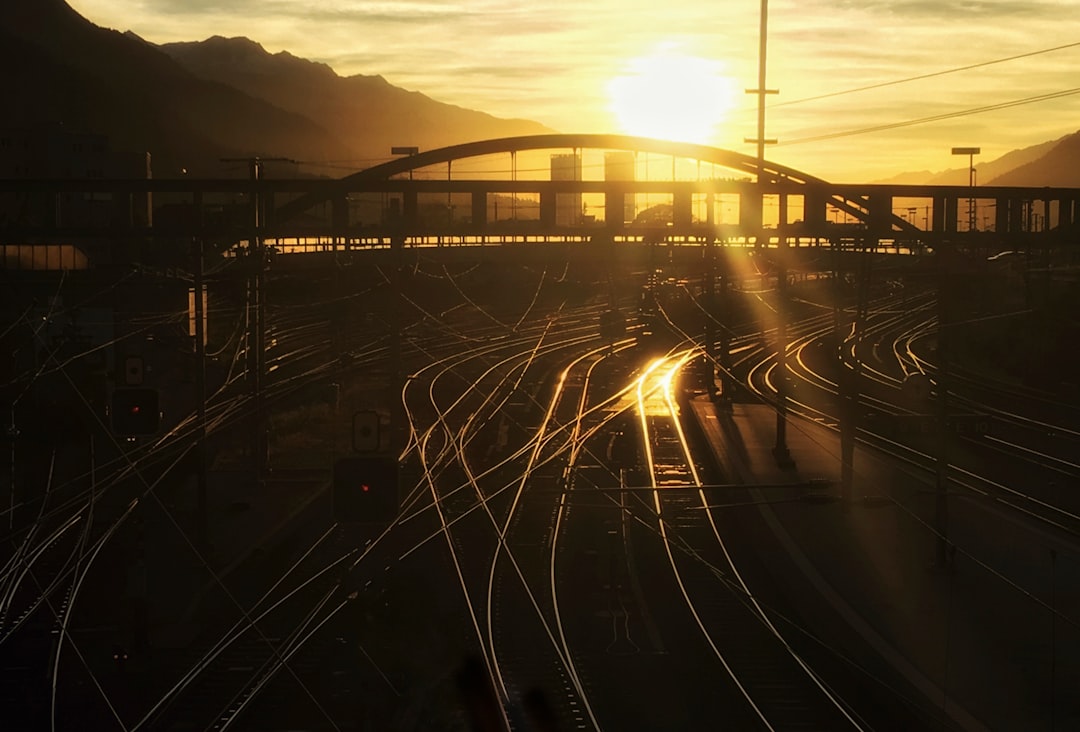
The intricate web that defines North American infrastructure, from power grids and water systems to communication networks and transportation arteries, is a testament to human ingenuity and technological advancement. Yet, beneath this veneer of resilience lies a fundamental vulnerability: the prevalence of single points of failure. These critical nodes, essential for the operation of vast systems, also represent the most susceptible targets for disruption, whether through natural disaster, human error, or deliberate attack. The interconnected nature of modern infrastructure means that the failure of a single component can cascade, leading to widespread and devastating consequences across entire regions.
The Grid’s Embrace of Centralization
The electrical grid, arguably the foundational element of modern society, exemplifies the challenges posed by single points of failure. Historically, the development of power generation and distribution systems favored centralization. Large power plants, often located at specific geographic points for access to fuel or water for cooling, serve as single sources of electricity for vast service areas. Similarly, critical substations, transformer stations, and transmission lines represent vital conduits that, if compromised, can effectively sever the flow of power to millions. The increasing demand for electricity, coupled with the aging infrastructure in many parts of North America, further strains these already vulnerable points. The reliance on a relatively small number of these critical hubs for power generation and distribution amplifies the impact of any localized failure. This concentration, while historically efficient, has become a significant Achilles’ heel in an era where threats are diverse and potentially disruptive.
Water’s Aqueous Arteries
The provision of clean, potable water relies on a similar, albeit often less publicly discussed, network of critical infrastructure. Pumping stations, water treatment plants, and the major pipelines that transport water across significant distances are all potential single points of failure. The failure of a primary water treatment facility, for instance, could necessitate the imposition of boil water advisories or even lead to widespread water shortages affecting millions of households, businesses, and industrial operations. The complex interconnectedness of regional water systems means that a problem in one jurisdiction can quickly impact neighboring communities, highlighting the diffuse but no less critical nature of these vulnerabilities. Furthermore, the increasing strain on water resources due to climate change and population growth further exacerbates the pressure on these vital systems.
The Digital Backbone: Communication Networks
The digital age is underpinned by a vast and complex communication infrastructure. While fiber optic cables form a resilient backbone, the points where these cables terminate, the data centers that house critical information, and the central switching stations are all susceptible to disruption. A major outage in a regional internet exchange point, for example, could cripple online commerce, disrupt financial transactions, and sever communication channels for a significant portion of the population. The increasing reliance on cloud computing further centralizes crucial data and services in specific, often geographically concentrated, data centers, creating new single points of failure within the digital realm. The ability of information to flow instantaneously relies on a seamless network, and any break in that chain, particularly at a key nexus, can have profound and far-reaching consequences.
The concept of a single point of failure in North American infrastructure is a critical concern, highlighting vulnerabilities that could lead to widespread disruptions. For a deeper understanding of this issue, you can explore a related article that discusses various infrastructure challenges and potential solutions. To read more about it, visit this article.
Natural Disasters: The Unpredictable Disruptors
Seismic Shocks and Cascading Grid Failures
North America is susceptible to a range of natural disasters, each presenting unique challenges to its infrastructure. In seismically active regions, a major earthquake can devastate critical infrastructure. While buildings are designed with seismic resilience in mind, the failure of a major power substation, a key bridge, or a primary water pipeline can have immediate and cascading effects. The interconnectedness of the power grid means that the failure of a single large transformer in a heavily populated area could trigger a blackout affecting a much wider region, as backup systems are overwhelmed or also compromised by the initial event. The complexity of modern electrical distribution systems, with their intricate loops and redundant pathways, can sometimes be a double-edged sword; while intended to improve resilience, the failure of a critical junction can still propagate failures through the system.
Extreme Weather Events and Their Tangible Impacts
The increasing frequency and intensity of extreme weather events, such as hurricanes, floods, and blizzards, pose significant threats. A Category 5 hurricane making landfall can inundate coastal infrastructure, destroying substations, damaging transmission towers, and overwhelming pumping stations. Similarly, severe flooding can compromise underground infrastructure, including water and sewage lines, as well as data conduits. Prolonged periods of extreme cold or heat can place immense strain on the power grid, leading to rolling blackouts as demand outstrips supply and critical equipment fails under stress. These events highlight how reliance on geographically fixed infrastructure makes it vulnerable to localized but widespread environmental forces. The impact of these disasters is not confined to the immediate area; the disruption to transportation networks can impede the delivery of essential goods and emergency response efforts, further compounding the problem.
Human-Induced Threats: The Deliberate Vulnerability

Cyberattacks: The Invisible Enemy
In the digital age, cyberattacks represent a potent and growing threat to infrastructure. Malicious actors, whether nation-states, terrorist groups, or cybercriminals, can target the control systems that manage power grids, water treatment facilities, and transportation networks. A successful cyberattack could lead to a widespread power outage, contamination of the water supply, or disruption of air traffic control. The increasing sophistication of these attacks, coupled with the growing reliance on interconnected digital systems, means that the potential for large-scale disruption is a constant concern. The very systems designed to optimize efficiency and provide remote access also create new avenues for exploitation. The challenge lies in securing these complex and often legacy systems against evolving threats, a task that requires constant vigilance and investment.
Sabotage and Physical Attacks on Critical Nodes
Beyond the digital realm, physical attacks on critical infrastructure remain a tangible threat. The destruction of a key transmission tower, the sabotage of a major dam, or an attack on a central telecommunications hub could have immediate and devastating consequences. These acts, driven by malice or extremism, aim to create maximum disruption and instill fear. The physical security of these vast and often remote installations is a significant challenge, requiring substantial resources and sophisticated monitoring. The symbolic nature of critical infrastructure also makes it a prime target for those seeking to inflict damage on a national scale. The consequences of such an attack would extend far beyond the immediate physical damage, impacting economic stability, public safety, and national security.
The Economic and Social Ramifications of Failure

Interrupted Commerce and Financial Instability
The economic consequences of a widespread infrastructure failure can be profound. A prolonged power outage, for example, would cripple businesses, halt manufacturing, and disrupt supply chains. The inability to conduct financial transactions electronically could lead to significant economic paralysis. The interconnectedness of the global economy means that a major disruption in North America could have ripple effects worldwide. The loss of productivity, the damage to perishable goods, and the cost of emergency response and recovery efforts would represent a substantial financial burden. The erosion of confidence in the reliability of essential services could also deter investment and economic growth.
Public Health and Safety Concerns
Beyond economic considerations, the failure of essential infrastructure poses significant risks to public health and safety. The disruption of the water supply can lead to sanitation issues and the spread of disease. A major power outage can impact hospitals, leaving critical medical equipment inoperable and jeopardizing patient care. The failure of transportation networks can impede the delivery of emergency responders and the evacuation of affected populations. In the immediate aftermath of a widespread outage, access to essential services like heating, cooling, and communication becomes paramount, and their absence can have severe, even life-threatening, consequences for vulnerable populations. The longer the disruption, the greater the risk to public well-being.
The Erosion of Public Trust and Societal Order
The repeated or prolonged failure of essential services can have a corrosive effect on public trust in government and institutions. When citizens can no longer rely on the basic necessities of modern life, it can lead to widespread dissatisfaction and social unrest. The perception that critical infrastructure is not adequately protected or maintained can fuel public anxiety and erode confidence in the systems that underpin society. Rebuilding this trust requires not only effective crisis response but also a demonstrable commitment to long-term investment in resilience and security. The fundamental expectation of reliable services is a cornerstone of societal stability, and its erosion can have far-reaching and destabilizing effects.
The concept of a single point of failure in North American infrastructure is a critical issue that has garnered attention from various sectors. For instance, a related article discusses the vulnerabilities in the power grid and how they can lead to widespread outages, highlighting the need for a more resilient system. You can read more about this topic in detail by visiting this informative article, which explores potential solutions and the importance of diversifying our infrastructure to mitigate risks.
Strategies for Enhancing Resilience and Mitigating Risk
| Category | Metric | Impact |
|---|---|---|
| Power | Number of backup generators | Potential for power outages |
| Network | Number of redundant network connections | Potential for network downtime |
| Hardware | Number of redundant servers | Potential for hardware failures |
| Location | Number of geographically diverse data centers | Potential for regional disasters |
Diversification of Energy Sources and Distribution
Addressing the single point of failure within the energy sector requires a strategic shift towards diversification. This includes increasing the proliferation of distributed renewable energy sources, such as solar and wind, which are less reliant on single, large-scale generation facilities. Microgrids, capable of operating independently of the main grid during an outage, also offer a valuable layer of resilience. Furthermore, investing in grid modernization, including smart grid technologies and advanced energy storage solutions, can help to better manage demand, reroute power, and absorb the impact of localized failures. The goal is to create a more decentralized and adaptable energy system that is less susceptible to catastrophic single-point disruptions.
Redundancy and Geographic Dispersion of Critical Facilities
To mitigate the vulnerability of single points of failure, a deliberate strategy of redundancy and geographic dispersion of critical infrastructure is essential. This involves building backup systems for essential services, ensuring that no single facility is indispensable for a large region. For water systems, this could mean developing multiple independent water sources and treatment plants. In telecommunications, it means ensuring multiple points of ingress and egress for data traffic. For transportation, it means having alternative routes and modes of transit available. The principle is to avoid concentrating critical functions in a single location or relying on a single pathway, thereby creating a more robust and fault-tolerant network.
Investment in Cybersecurity and Physical Security Measures
Proactive investment in robust cybersecurity and physical security measures is paramount. This includes implementing multi-layered defense systems, continuous monitoring of networks, and regular security audits for cyber threats. For physical security, it involves enhancing surveillance, access controls, and protective measures for critical facilities. Regular drills and contingency planning for various attack scenarios are also crucial. The challenge is to stay ahead of evolving threats through continuous adaptation and innovation in security protocols. A commitment to ongoing research and development in these areas is vital to maintain an effective defense against both digital and physical vulnerabilities.
Public-Private Partnerships and Collaborative Planning
Effective infrastructure resilience requires collaboration between government agencies and the private sector. Many critical infrastructure assets are owned and operated by private companies. Therefore, fostering strong public-private partnerships is essential for coordinated planning, investment, and response. These partnerships can facilitate the sharing of intelligence on threats, the development of joint contingency plans, and the co-funding of necessary upgrades and security enhancements. Collaborative efforts are crucial to ensure a comprehensive understanding of vulnerabilities and a unified approach to strengthening the nation’s infrastructure against all forms of disruption. This approach recognizes that no single entity can effectively address the complexities of modern infrastructure security alone.
FAQs
What is a single point of failure in North American infrastructure?
A single point of failure in North American infrastructure refers to a critical component or system that, if it fails, could lead to widespread disruption or failure of the entire infrastructure network.
What are some examples of single points of failure in North American infrastructure?
Examples of single points of failure in North American infrastructure include major bridges, power plants, data centers, and key transportation hubs that, if compromised, could have significant impacts on the functioning of the overall infrastructure.
What are the potential consequences of a single point of failure in North American infrastructure?
The potential consequences of a single point of failure in North American infrastructure include widespread power outages, transportation disruptions, communication breakdowns, and economic losses, as well as impacts on public safety and national security.
How can single points of failure in North American infrastructure be mitigated?
Mitigation strategies for single points of failure in North American infrastructure include redundancy in critical systems, regular maintenance and inspections, investment in resilient infrastructure, and the development of contingency plans and emergency response protocols.
What role does government play in addressing single points of failure in North American infrastructure?
Governments play a key role in addressing single points of failure in North American infrastructure by setting and enforcing regulations, investing in infrastructure improvements, coordinating emergency response efforts, and collaborating with private sector partners to enhance the resilience of critical infrastructure systems.