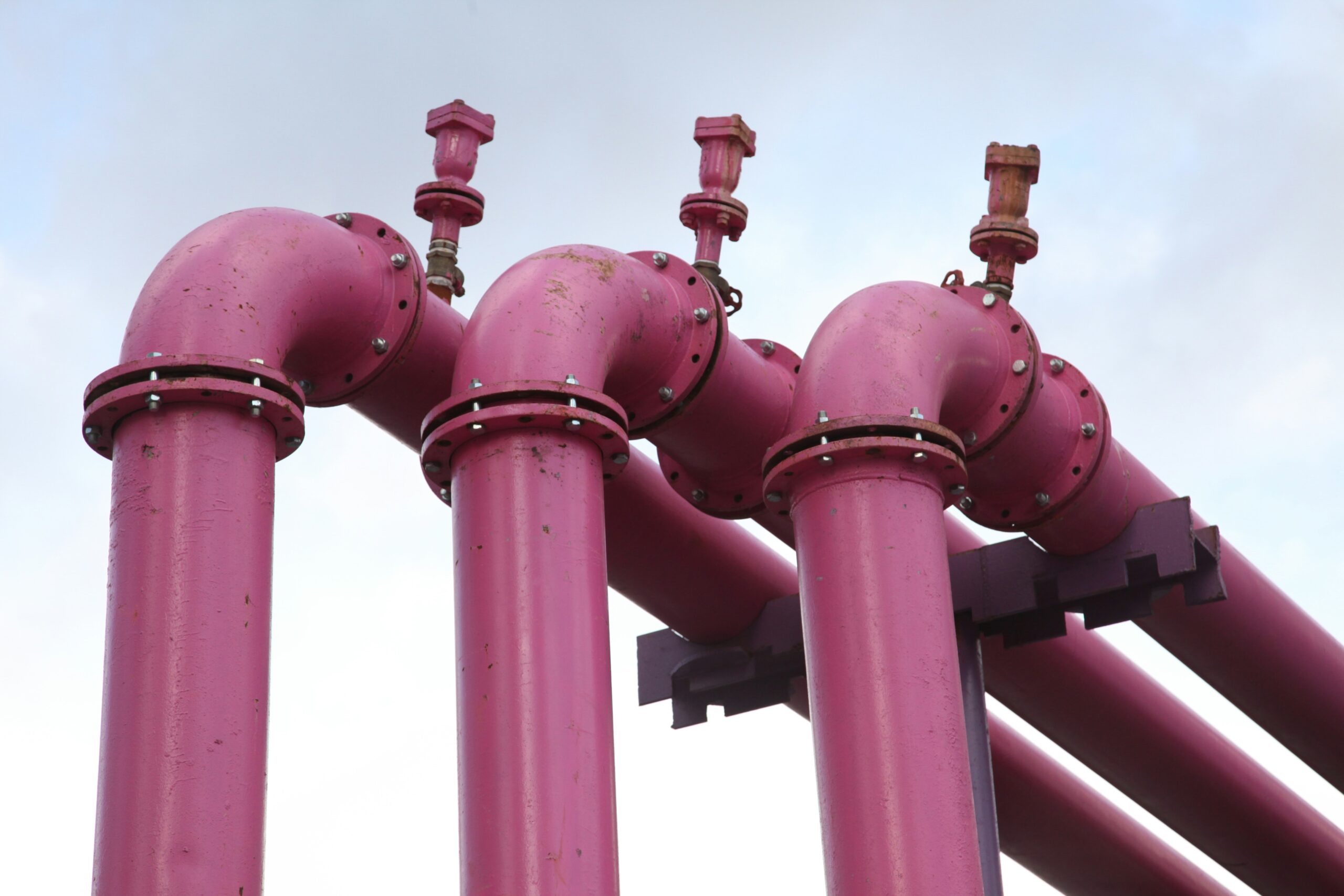
The North Sea pipeline network stands as a monumental feat of engineering, a vital artery that fuels economies and shapes geopolitical landscapes. Beneath the often-turbulent waters of this crucial maritime region lies an intricate web of steel, a testament to human ingenuity and relentless ambition. This network, far from being a static entity, is a dynamic and evolving system, constantly adapting to new discoveries, technological advancements, and the shifting demands of the energy market. Its importance cannot be overstated; it is a lifeline for the United Kingdom and continental Europe, ensuring a steady and reliable supply of natural gas and oil.
The very existence of the North Sea pipeline network is a story of bold exploration and significant investment. As offshore oil and gas fields were discovered in increasing numbers from the late 1960s onwards, the challenge of transporting these valuable resources to onshore processing facilities and ultimately to consumers became paramount. Early production relied heavily on tankers, a method fraught with logistical complexities and environmental risks. The development of subsea pipelines offered a more secure, efficient, and cost-effective solution. This transition marked a paradigm shift in offshore energy development, paving the way for the exploitation of increasingly challenging and remote reservoirs.
The scale of the undertaking was immense. Constructing pipelines across the often-treacherous seabed of the North Sea required the development of specialized vessels, innovative laying techniques, and a deep understanding of subsea geology and oceanographic conditions. The environmental challenges were formidable: strong currents, unpredictable weather, and the need to minimize disruption to marine ecosystems. Yet, through persistent research, development, and collaboration, these challenges were overcome, leading to the creation of one of the most sophisticated and extensive offshore pipeline systems in the world.
The Genesis of a Subsea Lifeline
The discovery of significant hydrocarbon reserves in the North Sea in the late 1960s and early 1970s triggered a race to exploit these newfound riches. Initially, smaller fields were developed, often with platforms feeding into nearby onshore terminals. However, as the scale of discoveries grew and fields became more dispersed, the limitations of tanker transport became increasingly apparent. The economic viability of many offshore developments hinged on the efficient and cost-effective transportation of oil and gas.
Early Explorations and the Dawn of Offshore Production
The initial explorations were driven by advancements in seismic surveying and drilling technology, which allowed companies to probe the depths of the North Sea with greater accuracy. The Norwegian sector, in particular, yielded significant discoveries, but the challenging conditions of the Norwegian Trench presented unique engineering hurdles. The UK sector also proved to be a rich hunting ground, with discoveries like the Ekofisk field (though primarily Norwegian, it influenced UK development) and the Forties field in the UK waters fundamentally altering the energy landscape of both nations.
The Economic Imperative for Pipelines
The sheer volume of oil and gas being extracted necessitated a more robust transportation infrastructure. Tanker routes were susceptible to weather delays, potential accidents, and were less efficient for the continuous flow of large quantities of resources. Pipelines offered a direct, continuous, and often more secure conduit from the offshore production sites to onshore processing facilities. This economic imperative was the primary driver behind the ambitious pipeline projects that began to dot the North Sea floor. The reduction in transportation costs and the increased reliability of supply were crucial factors in making North Sea oil and gas competitive on the global market.
The North Sea pipeline network is not merely a collection of pipes; it is a fundamental pillar of energy security for the United Kingdom and many European nations. Its reliable operation directly impacts domestic energy supplies, industrial output, and the stability of energy markets. The interconnectedness of the network means that disruptions in one area can have ripple effects across others, highlighting the critical need for robust maintenance, security, and contingency planning.
Ensuring Domestic Supply and Reducing Reliance on Imports
For the United Kingdom, the North Sea has historically been a crucial source of natural gas, significantly reducing its reliance on imports. The pipeline network facilitates the flow of this domestic gas directly to power generation plants, industrial users, and domestic heating systems. This indigenous supply provides a buffer against geopolitical instability in other energy-producing regions and contributes to a more secure and predictable energy landscape. The ability to control and manage its own resources offers a significant strategic advantage.
The Role of Gas in the UK’s Energy Mix
Natural gas plays a pivotal role in the UK’s energy mix, powering a significant portion of its electricity generation and providing essential heating for millions of homes. The North Sea pipelines are the primary conduits through which this vital resource reaches consumers. Without this extensive network, the UK would be far more dependent on imported liquefied natural gas (LNG) or gas from continental Europe, making its energy supply more vulnerable to international market fluctuations and political pressures.
Impact on Industrial Sectors
Beyond domestic consumption, the reliable supply of gas delivered through the pipeline network is indispensable for numerous industrial sectors. Industries such as petrochemicals, manufacturing, and steel production rely on natural gas as a feedstock or for process heat. The consistent availability of this energy source underpins the competitiveness and operational continuity of these crucial economic engines. Any interruption to this supply would have immediate and significant repercussions for the wider economy.
Interconnectivity and Transnational Energy Flows
The North Sea pipeline network is not confined by national borders. It is a highly interconnected system, linking offshore production facilities to onshore terminals in multiple countries. This transnational connectivity allows for the sharing of resources and the optimization of supply across different regions, enhancing overall energy security and market efficiency. The development of interconnector pipelines has been a key feature of the network’s evolution.
The UK-Continental Europe Gas Interconnectors
Several major pipeline interconnectors link the UK’s gas network with continental Europe, most notably the Langeled pipeline from Norway to the UK, and pipelines connecting the UK to France and Belgium. These links allow for the bidirectional flow of gas, meaning that the UK can both receive gas from Europe during periods of high demand and export gas when it has a surplus. This mutual interdependence strengthens energy security for all involved. The flexibility offered by these interconnectors is crucial in managing supply and demand fluctuations.
The Impact of Norwegian Gas on European Supply
Norway is a major producer of natural gas, and its pipelines, such as the Europipe I and II, and Franpipe, are critical arteries delivering gas to continental Europe. The North Sea network, therefore, plays a vital role in the energy security of countries like Germany, France, and the Netherlands. The reliable flow of Norwegian gas through these subsea pipelines is a cornerstone of their energy strategies. The scale of these Norwegian exports highlights the central role of the North Sea in the European energy market.
The North Sea pipeline network plays a crucial role in the transportation of oil and gas, connecting various offshore platforms to mainland facilities. For a deeper understanding of the complexities and significance of this infrastructure, you can read a related article that explores the challenges and advancements in the North Sea energy sector. Check it out here: North Sea Pipeline Network Insights.
Engineering Marvels Beneath the Waves
The construction and maintenance of the North Sea pipeline network represent some of the most ambitious engineering feats ever undertaken. These subsea arteries are subjected to immense pressures, corrosive environments, and the constant threat of the elements. The technologies and expertise developed for this network have pushed the boundaries of what is possible in offshore engineering.
The Challenges of Subsea Construction
Laying pipelines on the seabed of the North Sea is an incredibly complex undertaking. The water depths can exceed hundreds of meters, and the seabed itself can be uneven, with varying geological formations. The forces of nature – strong currents, waves, and storms – create a hazardous working environment for the specialized vessels and crews involved. The process requires meticulous planning, advanced surveying, and highly specialized equipment.
Advanced Laying Techniques and Vessels
The development of sophisticated pipeline laying vessels has been central to the success of the North Sea network. These vessels, often larger than aircraft carriers, are equipped with advanced dynamic positioning systems to maintain their precise location, even in adverse weather. They utilize complex systems of A-frames, stinger devices, and carousels to control the descent of the pipeline onto the seabed. Techniques such as the “S-lay” and “J-lay” methods are employed depending on the water depth and environmental conditions.
Environmental Considerations and Protection Measures
Throughout the construction and operation phases, significant attention is paid to minimizing the environmental impact. Measures are put in place to protect marine life, avoid sensitive habitats, and manage sediment disturbance. Post-construction, the pipelines are often surveyed and monitored to ensure their integrity and to detect any potential environmental issues. The industry has invested heavily in understanding and mitigating the ecological footprint of its operations.
The North Sea pipeline network plays a crucial role in the transportation of oil and gas, connecting various offshore platforms to onshore facilities. For those interested in understanding the complexities and developments surrounding this vital infrastructure, a related article can be found at MyGeoQuest, which delves into the latest advancements and challenges faced by the energy sector in this region. This resource offers valuable insights into how the network operates and its significance in the global energy landscape.
Corrosion and Integrity Management
The harsh marine environment of the North Sea poses a significant threat of corrosion to the steel pipelines. Dissolved salts and oxygen in the seawater can lead to accelerated degradation, compromising the structural integrity of the network. Therefore, robust corrosion prevention and monitoring strategies are essential.
Protective Coatings and Cathodic Protection
Pipelines are typically coated with multiple layers of protective materials, including concrete weight coatings, which not only prevent corrosion but also provide ballast to keep the pipeline stable on the seabed. In addition to these external coatings, cathodic protection systems are employed. These systems use sacrificial anodes or impressed current systems to create an electrochemical barrier that prevents the steel from corroding.
Inspection and Monitoring Technologies
Regular inspections and monitoring are crucial for ensuring the ongoing integrity of the pipeline network. Advanced technologies such as remotely operated vehicles (ROVs) equipped with high-definition cameras and sonar systems are used to visually inspect the pipelines for any signs of damage, leaks, or corrosion. Inline inspection (ILI) tools, often referred to as “smart pigs,” are also sent through the pipelines to detect internal and external defects with high precision. These tools can identify anomalies such as dents, cracks, and wall-thinning.
Economic Significance and Geopolitical Implications

The North Sea pipeline network is a significant driver of economic activity, creating jobs, generating revenue, and fostering innovation. Its existence also has profound geopolitical implications, influencing relationships between nations and shaping global energy dynamics. The strategic importance of this network extends far beyond the immediate supply of hydrocarbons.
A Boon for National Economies
The extraction and transportation of oil and gas through the North Sea pipeline network contribute billions of pounds and euros to the economies of the nations involved. This includes direct revenue from the sale of hydrocarbons, taxes and royalties paid to governments, and the substantial economic activity generated by the supporting industries.
Job Creation and Skills Development
The sector is a major employer, creating a wide range of jobs, from highly skilled engineers and geoscientists to offshore technicians and onshore support staff. The development and maintenance of the pipeline network have also spurred the growth of specialized industries, including pipeline fabrication, installation, and inspection services, fostering a highly skilled workforce. The demand for expertise in these areas has led to significant investment in training and education programs.
Investment and Technological Innovation
The sheer scale and complexity of the North Sea pipeline projects have necessitated significant investment in research and development. This has led to continuous innovation in areas such as materials science, welding technologies, subsea robotics, and environmental monitoring. The technological advancements pioneered in the North Sea have often found applications in other offshore industries worldwide, demonstrating its role as a global innovation hub.
Shifting Geopolitical Landscapes
The North Sea pipeline network has played a crucial role in shaping the energy security and geopolitical relationships of the nations bordering it and those that rely on its output. The development of indigenous resources has, in many cases, reduced reliance on more volatile import markets.
Energy Independence and Security of Supply
For the UK, the North Sea has been a key factor in its journey towards greater energy independence. The ability to tap into its own offshore resources through the pipeline network provides a level of energy security that would be difficult to achieve through imports alone. This reduces vulnerability to international price shocks and supply disruptions. Similarly, for Norway, its role as a major energy exporter has cemented its position on the global stage.
The Influence of Transnational Pipelines on International Relations
The interconnected nature of the North Sea pipeline network means that energy security is increasingly a shared concern. The reliable functioning of pipelines linking different countries fosters cooperation and interdependence. However, it also creates potential points of leverage and vulnerability, making energy diplomacy a critical aspect of international relations. The reliance of some European nations on Norwegian gas, for instance, shapes their diplomatic engagement with Oslo.
The Future of the North Sea Pipeline Network

The North Sea pipeline network, while mature, is not static. It faces evolving challenges and opportunities as the energy landscape transforms. While its role in supplying traditional fossil fuels will continue, its infrastructure may also be repurposed and adapted for the emerging green energy economy.
Adapting to the Energy Transition
As the world transitions towards lower-carbon energy sources, the role of fossil fuels is changing. However, the vast infrastructure of the North Sea pipeline network is unlikely to disappear overnight. Its existing pipelines may find new life in transporting hydrogen, a key component of future energy systems, or in facilitating carbon capture and storage (CCS) initiatives.
Repurposing for Hydrogen Transport
Hydrogen is increasingly seen as a crucial element in decarbonizing the energy sector. Existing gas pipelines, with appropriate modifications and safety assessments, could potentially be used to transport hydrogen, either in its pure form or blended with natural gas. This would offer a cost-effective way to leverage existing infrastructure and accelerate the deployment of a hydrogen economy. The North Sea, with its offshore wind potential, could become a hub for green hydrogen production, further linking it to onshore demand via repurposed pipelines.
Carbon Capture and Storage (CCS) Applications
Another potential future for parts of the North Sea pipeline network lies in supporting carbon capture and storage (CCS) projects. As industries strive to reduce their carbon emissions, captured CO2 needs to be transported and stored safely. Existing offshore pipelines could be utilized to transport this CO2 to suitable geological storage sites beneath the seabed. This would be a critical enabler for industrial decarbonization efforts.
Ongoing Investment and Technological Advancement
Despite the challenges and the evolving energy landscape, the North Sea pipeline network will continue to require significant investment in maintenance, upgrades, and the integration of new technologies. Ensuring its continued safe and efficient operation, and adapting it for future energy needs, will be paramount.
Maintaining Existing Infrastructure
The vast majority of the North Sea pipeline network is decades old. Maintaining this aging infrastructure to the highest safety and environmental standards is a continuous and substantial undertaking. This involves ongoing inspections, repairs, and the eventual decommissioning of obsolete sections. Investment in advanced materials and predictive maintenance techniques will be crucial.
Innovation in Decommissioning and New Energy Infrastructure
The responsible decommissioning of offshore infrastructure is an increasingly important aspect of the North Sea’s future. As fields are depleted, pipelines and platforms must be removed or made safe. Simultaneously, new infrastructure for offshore wind farms, hydrogen production, and CCS will require further innovation in subsea engineering and installation. The lessons learned from decades of pipeline construction will be invaluable in these future endeavors. The North Sea pipeline network, therefore, represents not just a legacy of past achievements but also a foundational element for the energy systems of tomorrow. Its story is far from over; it is a narrative of adaptation, innovation, and enduring importance.

The Dangerous Sea Europe Can’t Live Without
FAQs
What is the North Sea pipeline network?
The North Sea pipeline network is a system of pipelines that transport oil and gas from offshore platforms in the North Sea to onshore facilities in the United Kingdom, Norway, the Netherlands, and Germany.
How extensive is the North Sea pipeline network?
The North Sea pipeline network is extensive, with thousands of kilometers of pipelines connecting offshore oil and gas fields to onshore processing facilities and terminals.
What companies are involved in the North Sea pipeline network?
Several major oil and gas companies are involved in the North Sea pipeline network, including BP, Shell, Total, Equinor, and ExxonMobil, among others.
What is the capacity of the North Sea pipeline network?
The capacity of the North Sea pipeline network varies depending on the specific pipelines and infrastructure, but it is capable of transporting millions of barrels of oil and billions of cubic meters of natural gas annually.
What are the environmental considerations of the North Sea pipeline network?
The North Sea pipeline network has environmental considerations, including the potential for oil spills and the impact of pipeline construction and maintenance on marine ecosystems. Companies operating in the North Sea are required to adhere to strict environmental regulations and standards to minimize these impacts.