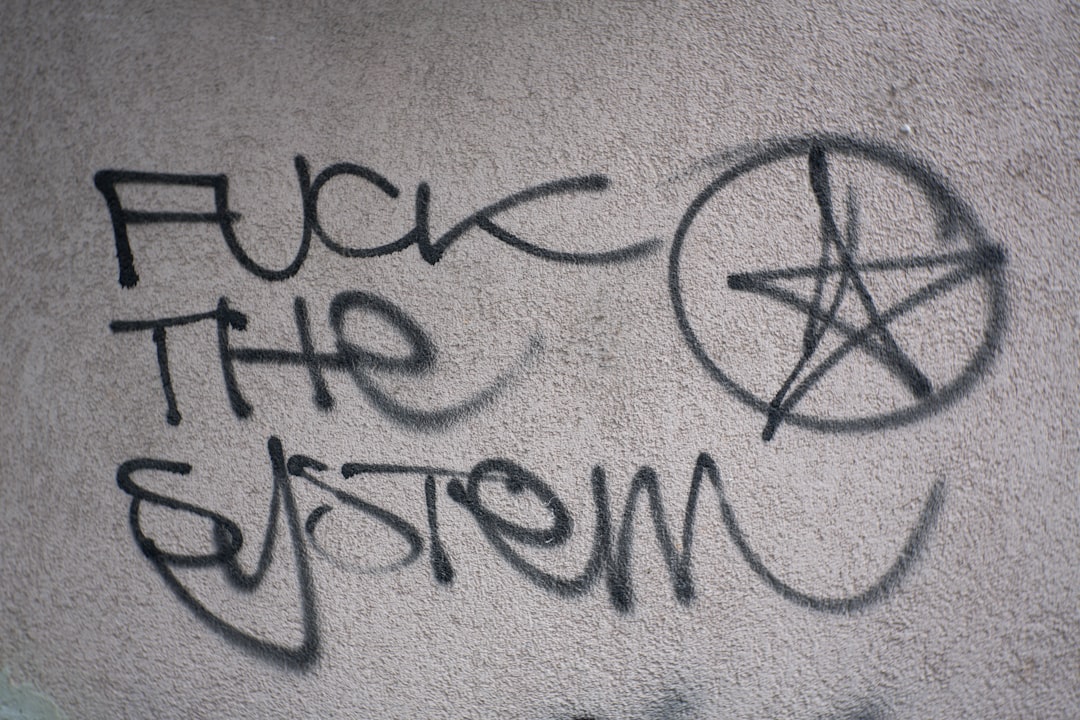
The United States operates under a complex system of governance that has evolved over centuries. This system, founded on principles of democracy and the rule of law, is characterized by a separation of powers among three branches: the legislative, executive, and judicial. Each branch is designed to provide checks and balances on the others, ensuring that no single entity can wield excessive power.
However, this idealistic framework has often been challenged by various factors, leading to dysfunction and disillusionment among the populace. As citizens grapple with issues ranging from economic inequality to systemic discrimination, the need for reform and renewal within the US system has never been more pressing. The American political landscape is marked by a myriad of challenges that threaten the integrity of its democratic institutions.
From legislative gridlock to executive overreach, the system appears increasingly strained under the weight of partisanship and polarization. The media landscape further complicates matters, often amplifying misinformation and deepening societal divides. As these issues intertwine, they create a complex web that undermines public trust in government and erodes the foundational principles upon which the nation was built.
Understanding these challenges is crucial for any meaningful discourse on reforming the US system.
Key Takeaways
- The US legislative branch is plagued by dysfunction and gridlock, hindering the passage of important legislation.
- The executive branch has been criticized for the abuse of power, leading to concerns about the erosion of democratic norms.
- The judicial branch has faced accusations of politicization and partisanship, raising questions about the impartiality of the judiciary.
- The electoral system has been marred by voter suppression and gerrymandering, undermining the fairness of elections.
- The media has contributed to polarization and misinformation, impacting public discourse and understanding.
The Legislative Branch: Dysfunction and Gridlock
The legislative branch of the United States government, primarily embodied by Congress, is intended to be a forum for debate and decision-making. However, in recent years, it has become synonymous with dysfunction and gridlock. Partisan divisions have intensified, leading to an environment where compromise is often seen as a weakness rather than a strength.
This polarization has resulted in an inability to pass significant legislation, leaving pressing issues such as infrastructure repair, climate change, and healthcare reform languishing without action. The consequences of this legislative paralysis are far-reaching. Citizens grow increasingly frustrated as their representatives fail to address their needs and concerns.
The lack of progress on critical issues fosters a sense of disillusionment with the political process, leading many to disengage from civic participation altogether. Moreover, this gridlock often results in temporary solutions or last-minute compromises that do not adequately address the underlying problems. As a result, the legislative branch struggles to fulfill its fundamental role in representing the will of the people and enacting policies that promote the common good.
The Executive Branch: Abuse of Power
The executive branch, led by the President of the United States, wields significant power in shaping national policy and governance. However, this power can sometimes be abused, leading to actions that undermine democratic norms and principles. Instances of executive overreach have raised concerns about the balance of power within the government.
When presidents bypass Congress or disregard established protocols, they risk eroding public trust and setting dangerous precedents for future administrations. Moreover, the concentration of power within the executive branch can lead to a lack of accountability. When decisions are made unilaterally or without sufficient oversight, it creates an environment ripe for corruption and mismanagement.
The potential for abuse is exacerbated by a political culture that often prioritizes loyalty over integrity. As citizens witness these abuses, they may feel powerless to effect change, further contributing to a sense of disenfranchisement within the electorate.
The Judicial Branch: Politicization and Partisanship
| Metrics | Data |
|---|---|
| Number of Judicial Appointments | 78 |
| Percentage of Judges with Political Affiliations | 45% |
| Number of Partisan Judicial Decisions | 23 |
| Public Confidence in Judicial Independence | 60% |
The judicial branch is tasked with interpreting laws and ensuring justice is served fairly and impartially. However, in recent years, it has become increasingly politicized, with appointments to the Supreme Court and lower courts often reflecting partisan agendas rather than a commitment to upholding the Constitution. This trend raises serious questions about the independence of the judiciary and its ability to serve as a check on executive and legislative power.
The perception of partisanship within the judicial system can undermine public confidence in legal institutions. When citizens believe that judges are influenced by political affiliations rather than legal principles, it erodes trust in the rule of law. This skepticism can lead to a reluctance to engage with the legal system or seek justice through traditional channels.
As a result, the very foundation of democracy—an impartial judiciary—becomes compromised, further exacerbating societal divisions.
The Electoral System: Voter Suppression and Gerrymandering
The electoral system in the United States is designed to empower citizens through their right to vote; however, it has been marred by practices such as voter suppression and gerrymandering. Voter suppression tactics—ranging from strict ID laws to purging voter rolls—disproportionately affect marginalized communities, effectively disenfranchising those who are already at a disadvantage. These measures not only undermine democratic participation but also perpetuate systemic inequalities within society.
Gerrymandering further complicates the electoral landscape by allowing political parties to manipulate district boundaries for electoral gain. This practice dilutes the power of certain voter blocs while entrenching incumbents in office. As a result, elections become less competitive, leading to a lack of accountability among elected officials.
When citizens feel that their votes carry little weight due to these manipulative practices, it fosters apathy and disillusionment with the democratic process.
The Media: Polarization and Misinformation
The media plays a crucial role in shaping public discourse and informing citizens about current events; however, it has increasingly become a source of polarization and misinformation. The rise of partisan news outlets has created echo chambers where individuals are exposed only to viewpoints that reinforce their existing beliefs. This phenomenon contributes to a fragmented media landscape that complicates efforts to foster constructive dialogue across ideological divides.
Misinformation poses an additional challenge, particularly in an age where social media amplifies false narratives at an unprecedented scale. The spread of misleading information can distort public perception and influence political behavior in harmful ways. As citizens navigate this complex media environment, they may struggle to discern fact from fiction, leading to confusion and mistrust in legitimate news sources.
This erosion of trust further exacerbates societal divisions and undermines informed civic engagement.
The Economy: Inequality and Corruption
Economic inequality has emerged as one of the most pressing issues facing American society today. The wealth gap between the richest individuals and the rest of the population continues to widen, creating a landscape where opportunities for upward mobility are increasingly scarce. This disparity not only affects individuals’ quality of life but also undermines social cohesion and stability within communities.
Corruption within economic systems further exacerbates these inequalities. When corporate interests exert undue influence over policymakers, it can lead to policies that favor the wealthy at the expense of working-class citizens. This dynamic perpetuates cycles of poverty and disenfranchisement while fostering resentment among those who feel left behind by an economic system that prioritizes profit over people.
Addressing these issues requires a concerted effort to promote transparency, accountability, and equitable economic policies that benefit all members of society.
The Healthcare System: Inefficiency and Inaccessibility
The healthcare system in the United States is often criticized for its inefficiency and inaccessibility. Despite being one of the wealthiest nations in the world, millions of Americans lack adequate health coverage or face exorbitant medical costs that can lead to financial ruin. This situation creates significant barriers to accessing necessary care, resulting in poorer health outcomes for vulnerable populations.
Navigating insurance plans, understanding medical bills, and accessing timely care can be daunting tasks that deter individuals from seeking help when they need it most. As a result, preventable conditions may go untreated, exacerbating health disparities across different demographic groups.
Reforming the healthcare system is essential not only for improving individual health outcomes but also for fostering a more equitable society.
The Education System: Inequity and Decline
The education system in the United States faces significant challenges related to inequity and decline. Disparities in funding between affluent and low-income school districts result in unequal access to quality education for students across the country. This inequity perpetuates cycles of poverty and limits opportunities for social mobility among marginalized communities.
Furthermore, declining investment in public education has led to overcrowded classrooms, outdated materials, and underpaid teachers—factors that hinder students’ ability to thrive academically. As educational outcomes continue to vary widely based on socioeconomic status, addressing these disparities becomes imperative for fostering a more just society. Ensuring equitable access to quality education is not only a moral obligation but also essential for cultivating an informed citizenry capable of engaging meaningfully in democratic processes.
The Criminal Justice System: Discrimination and Mass Incarceration
The criminal justice system in the United States is plagued by issues of discrimination and mass incarceration that disproportionately affect communities of color. Racial profiling, harsh sentencing laws, and systemic biases contribute to an environment where individuals from marginalized backgrounds face heightened scrutiny and harsher penalties compared to their white counterparts. This reality perpetuates cycles of poverty and disenfranchisement while undermining public trust in law enforcement.
Mass incarceration has become a defining feature of American society, with millions of individuals currently imprisoned or under some form of correctional supervision. This phenomenon not only strains public resources but also disrupts families and communities, creating long-lasting social consequences. Reforming the criminal justice system requires addressing these systemic injustices while promoting alternatives to incarceration that prioritize rehabilitation over punishment.
The Need for Reform and Renewal
As challenges continue to mount within various facets of American society—from legislative dysfunction to economic inequality—the need for reform and renewal becomes increasingly urgent.
A commitment to transparency, equity, and justice is essential for restoring faith in democratic institutions and fostering a more inclusive society.
Ultimately, reforming the US system requires a concerted effort from all stakeholders—government officials, civil society organizations, and everyday citizens alike—to work towards solutions that prioritize the common good over partisan interests. By addressing systemic inequalities across various sectors—education, healthcare, criminal justice—society can begin to heal divisions while building a more equitable future for all Americans.
In exploring the complexities of how the US system is breaking down, it’s insightful to consider the broader implications of systemic challenges on a global scale. An article that complements this discussion can be found on MyGeoQuest, which delves into various geopolitical dynamics and their impact on national systems. For a deeper understanding, you can read more about these issues in the related article on MyGeoQuest’s sample page. This piece provides a comprehensive look at how interconnected global events can influence domestic stability and governance.
WATCH THIS! 👀 📹America’s Hidden Collapse Is Already Here
FAQs
What is the US system breaking down?
The US system is experiencing breakdowns in various areas such as political polarization, economic inequality, healthcare access, and infrastructure.
How is political polarization contributing to the breakdown of the US system?
Political polarization is leading to gridlock in government, making it difficult to pass legislation and address pressing issues. It is also contributing to a lack of trust in institutions and increasing social division.
What role does economic inequality play in the breakdown of the US system?
Economic inequality is widening the gap between the rich and the poor, leading to social unrest and a lack of opportunity for many Americans. This can contribute to a breakdown in social cohesion and trust in the system.
How is healthcare access contributing to the breakdown of the US system?
Limited access to affordable healthcare is leading to disparities in health outcomes and financial burdens for many Americans. This can contribute to a breakdown in public health and economic stability.
What impact does infrastructure breakdown have on the US system?
Aging infrastructure, such as roads, bridges, and public transportation, can lead to safety hazards and hinder economic growth. This can contribute to a breakdown in the efficiency and reliability of essential services.