
The narrative surrounding Tibet is often painted with broad strokes, depicting a land of serene monasteries, prayer flags fluttering in the wind, and a spiritual leader embodying peace. However, beneath this idealized surface, the reality of Tibet is far more complex, particularly concerning the policies of forced relocation and their profound impact on Tibetan communities. This article aims to pull back the curtain, exposing the multifaceted truths behind these programs and their implications for the Tibetan people. As you delve into this, consider that historical narratives, like well-polished mirrors, can sometimes obscure the deeper truths they are meant to reflect.
Understanding the recent history of Tibet is crucial to grasping the origins and evolution of relocation policies. The mountainous plateau, for centuries, maintained a unique political and social structure, largely insulated from external influences. This isolation, while fostering distinct cultural development, also laid the groundwork for significant shifts in the 20th century.
The Pre-1950 Tibetan Society
Before the People’s Republic of China (PRC) asserted its control, Tibet operated under a theocratic feudal system. A distinct social hierarchy, with the clergy and aristocracy holding considerable power, characterized this era. The vast majority of the population were farmers, herders, or associated with monasteries. While this system had its own internal dynamics and criticisms, it was the foundation upon which Tibetan life was built for generations. It was a tapestry woven with threads of religious devotion, traditional practices, and a largely agrarian economy. The notion of private land ownership as understood in the West was also different, with much land held by monasteries or estates.
The 1951 Agreement and its Aftermath
The arrival of the People’s Liberation Army (PLA) in the early 1950s marked a pivotal turning point. The Seventeen Point Agreement, signed in 1951, ostensibly facilitated Tibet’s “peaceful liberation.” However, the interpretation and implementation of this agreement have been a source of enduring contention. Subsequent events, including the 1959 Tibetan Uprising and the subsequent flight of the Dalai Lama, further cemented the PRC’s control and initiated a period of sweeping reforms. These reforms, including land redistribution and an overhaul of the traditional social order, were intended to modernize Tibet but also fundamentally altered its societal structure.
The issue of forced relocation in Tibet has garnered significant attention in recent years, shedding light on the complex socio-political dynamics in the region. For a deeper understanding of this topic, you can explore the article titled “The Truth Behind Tibet’s Forced Relocation Policies” available at My Geo Quest. This article delves into the historical context, the impact on local communities, and the ongoing debates surrounding human rights in Tibet, providing valuable insights into the challenges faced by the Tibetan people.
The Evolution of Relocation Policies
Relocation in Tibet is not a monolithic policy but rather a changing landscape of initiatives that have evolved over decades, driven by various stated objectives. These policies, while sometimes presented as beneficial development projects, have often had discernible impacts on the traditional lifestyles and social fabric of Tibetan communities.
Agricultural Collectivization and Its Consequences
In the decades following 1951, the PRC implemented policies aimed at collectivizing agriculture and encouraging a more sedentary lifestyle among nomadic populations. This was often framed as a way to increase productivity and integrate Tibet into the national economy. For nomadic herders, who had for centuries followed ancestral routes with their livestock, this meant a drastic disruption of their way of life. Their movement was restricted, their traditional grazing grounds were altered, and they were often encouraged or compelled to settle in new, fixed locations. This was akin to uprooting ancient trees that had thrived in particular soils for ages, expecting them to flourish in an entirely new environment without adaptation.
Poverty Alleviation and Development Programs
More recent relocation efforts have been framed under the umbrella of poverty alleviation and economic development. The PRC argues that these programs are designed to improve living standards, provide access to education and healthcare, and offer new economic opportunities to those in remote or resource-scarce areas. However, critics point out that these programs often involve moving people from their ancestral lands into newly constructed, standardized housing. While superficially appearing as an upgrade, these relocations can sever deep cultural ties to the land, disrupt established social networks, and lead to a loss of traditional skills. The promise of modernity can, at times, be a gilded cage, restricting freedoms while offering material comforts.
Urbanization and Infrastructure Projects
Another significant driver of relocation has been the expansion of urbanization and the development of large-scale infrastructure projects, such as dams, mines, and transportation networks. These projects frequently necessitate the displacement of communities residing in the affected areas. While development is a common feature of any growing nation, the scale and speed of these projects in Tibet, coupled with the often limited consultation and compensation offered to affected Tibetans, have raised concerns about environmental impact and cultural preservation.
The Mechanics of Forced Relocation
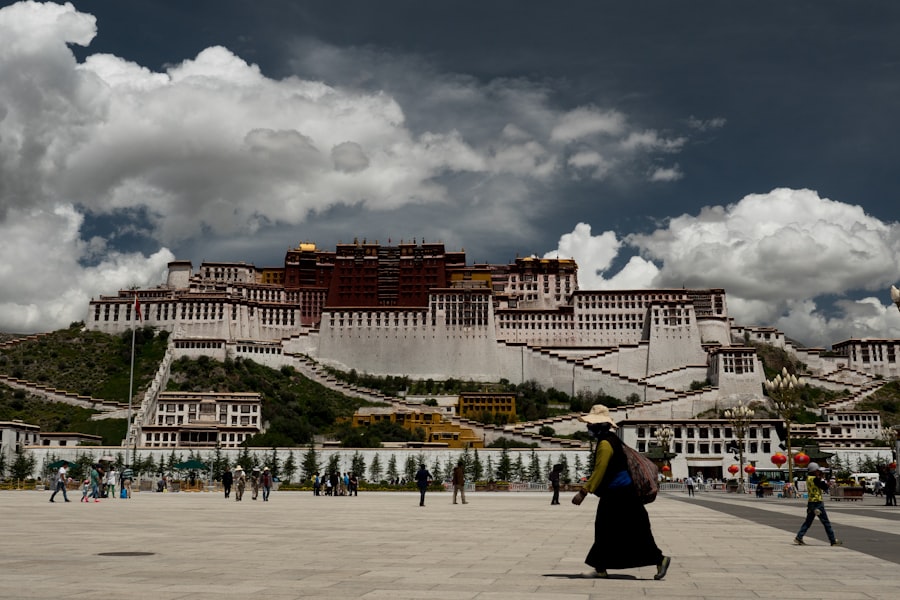
The process by which Tibetans are relocated is a critical aspect of understanding the nature of these policies. While the PRC often emphasizes voluntary participation and improved living conditions, evidence suggests a more complex and often coercive reality.
Voluntary Migration or State Mandate?
The PRC consistently frames relocation as voluntary migration, emphasizing the benefits of modern housing, employment, and access to services. However, numerous reports from international human rights organizations, as well as accounts from Tibetans themselves, suggest that pressure, incentives, and sometimes outright coercion are employed to encourage or compel participation. When faced with a seemingly insurmountable tide, the illusion of choice can become a powerful tool of persuasion. The line between persuasion and pressure can be as thin as the filament of a lightbulb, easily broken.
Compensation and Resettlement Packages
Compensation and resettlement packages are a crucial element of relocation policies. The adequacy and fairness of these packages are frequently debated. While some individuals may receive financial compensation or new housing, reports indicate that these provisions often fall short of covering lost assets, traditional livelihoods, or the intangible cultural value of ancestral lands. The notion of fair compensation is often judged by the metrics of those offering it, not necessarily those receiving it.
Cultural Homogenization and Identity Erosion
A significant concern surrounding forced relocation is its potential to erode Tibetan cultural identity. Relocating communities to new, standardized settlements can disrupt the transmission of traditional knowledge, language, and religious practices. When people are moved from places imbued with generational memory and spiritual significance, the very building blocks of their cultural identity can begin to crumble. The communal bonds forged over centuries of shared living and tradition are challenged when individuals are scattered or placed in environments that do not reflect their heritage.
The Impact on Tibetan Communities

The consequences of forced relocation ripple through the fabric of Tibetan society, affecting individuals, families, and the broader cultural landscape. These impacts are not merely physical but deeply psychological and social.
Loss of Livelihoods and Economic Disempowerment
For many Tibetans, particularly those from pastoralist or agrarian backgrounds, relocation often means the loss of their traditional livelihoods. The skills honed over generations, such as herding, traditional farming techniques, or artisan crafts, may become redundant or incompatible with the economies of the new settlements. This can lead to economic disempowerment, dependence on state subsidies, and a struggle to find meaningful employment. Imagine a craftsman whose tools are designed for a specific material suddenly being handed a hammer and chisel for concrete; their expertise becomes obsolete overnight.
Social Disruption and Community Breakdown
Relocation frequently leads to the disruption of established social networks and community structures. Families may be separated, and the close-knit relationships that characterize Tibetan society can be fractured. The sense of belonging and mutual support that arises from shared history and geography is difficult to replicate in an artificial environment. It is like dismantling a complex ecosystem, displacing species without considering how they will survive in their new, isolated habitats.
Psychological and Emotional Stress
The trauma of displacement, the loss of ancestral lands, and the disruption of familiar routines can lead to significant psychological and emotional stress for affected individuals. Many experience feelings of grief, anxiety, and a sense of rootlessness. The emotional burden of being uprooted from one’s homeland can be like carrying a heavy anchor, dragging down the spirit.
The issue of forced relocation in Tibet has garnered significant attention, highlighting the struggles faced by the Tibetan people. A related article that delves deeper into this topic can be found at this link, where it explores the implications of such relocations on cultural identity and community cohesion. Understanding these dynamics is crucial for anyone interested in the broader context of human rights and social justice in the region.
International Reactions and Tibetan Resistance
| Metric | Details | Source/Notes |
|---|---|---|
| Estimated Number of Relocated Tibetans | Over 1 million (varies by source) | Human rights reports and Tibetan exile organizations |
| Time Period of Major Relocations | 1950s to 1980s | Historical accounts and Chinese government records |
| Primary Reasons Cited for Relocation | Economic development, infrastructure projects, political control | Chinese government statements and independent analyses |
| Reported Impact on Tibetan Communities | Loss of traditional livelihoods, cultural disruption, social dislocation | Human rights organizations and Tibetan exile testimonies |
| International Response | Condemnation by human rights groups; limited governmental action | UN reports and international NGOs |
| Chinese Government Position | Claims relocations are voluntary and aimed at poverty alleviation | Official Chinese government publications |
The policies of forced relocation in Tibet have not gone unnoticed on the international stage, drawing condemnation from human rights organizations and prompting ongoing resistance from Tibetans themselves.
Human Rights Concerns and International Scrutiny
Numerous international human rights organizations, including Human Rights Watch and Amnesty International, have documented evidence of forced relocations and expressed grave concerns about their impact on Tibetan human rights. These reports often highlight issues of cultural erasure, lack of genuine consent, and the erosion of Tibetan self-determination. The global community, acting as a jury, observes these events with increasing concern.
Tibetan Exile and Advocacy
The Tibetan diaspora, a vibrant community living outside Tibet, plays a crucial role in raising international awareness and advocating for Tibetan rights. Through advocacy, protests, and the sharing of personal testimonies, they strive to bring attention to the realities of relocation policies and their effects on their homeland. Their voices are often the only conduits for the stories of those on the ground, like distant radio signals struggling to break through static.
The Future of Relocation Policies
The trajectory of relocation policies in Tibet remains a subject of concern and debate. While the PRC maintains its developmental narrative, the persistence of reports detailing coercive practices and their negative impacts suggests that the struggle for cultural preservation and self-determination in Tibet is far from over. The future will likely be shaped by the ongoing interplay between state-led development agendas and the enduring resilience of the Tibetan people, who continue to hold onto their heritage like precious artifacts in a changing world. The path ahead is not a straight road but a winding trail, with uncertainties and challenges at every turn.
FAQs
What is the background of forced relocation in Tibet?
Forced relocation in Tibet refers to the movement of Tibetan populations by Chinese authorities, often justified as part of development projects or environmental protection. These relocations have been reported since the 1950s, with increased attention in recent decades due to concerns about cultural preservation and human rights.
Why has forced relocation been implemented in Tibet?
The Chinese government states that relocations are intended to improve living standards, provide better access to education and healthcare, and protect fragile ecosystems. Critics argue that these relocations disrupt traditional lifestyles and serve political objectives, including greater control over the region.
What are the reported impacts of forced relocation on Tibetan communities?
Relocated Tibetans often face challenges such as loss of traditional livelihoods, cultural disintegration, and difficulties adapting to new environments. Some reports highlight issues like inadequate housing, unemployment, and social dislocation following relocation.
How does the international community view forced relocation in Tibet?
International human rights organizations and some governments have expressed concern over forced relocations, citing violations of cultural rights and freedom of movement. The Chinese government disputes these claims, emphasizing development and poverty alleviation efforts.
Are there any independent investigations or verifications about forced relocation in Tibet?
Access to Tibet is restricted, making independent verification difficult. Some NGOs and journalists have conducted investigations using satellite imagery, interviews with refugees, and other methods, but comprehensive, on-the-ground assessments remain limited due to political sensitivities.