
River lengths play a crucial role in the fields of geography and hydrology, serving as key indicators of a river’s significance within a given ecosystem. The length of a river can influence its flow rate, sediment transport, and the overall health of the surrounding environment. Longer rivers often have more complex hydrological systems, which can support diverse ecosystems and provide essential resources for human populations.
Understanding river lengths is not merely an academic exercise; it has practical implications for water management, conservation efforts, and the study of climate change. In addition to their ecological importance, river lengths also hold cultural and historical significance. Many civilizations have developed along the banks of major rivers, relying on them for transportation, agriculture, and trade.
The length of a river can determine its navigability and accessibility, impacting economic development and social structures in the regions it traverses. Thus, the study of river lengths encompasses a wide array of disciplines, from environmental science to anthropology, highlighting their multifaceted importance in understanding both natural and human systems.
Key Takeaways
- River lengths play a crucial role in geography and hydrology, shaping landscapes and ecosystems.
- The Nile, Amazon, and Yangtze are among the longest rivers in the world, each with unique characteristics and significance.
- The Mississippi River holds deep historical and cultural importance in the United States, influencing art, literature, and commerce.
- Disputes over the length of the Mississippi River highlight the complexities of defining river length and its implications.
- The debate over the true source of the Mississippi River reflects the challenges of determining the starting point of a river.
The Longest Rivers in the World: A Closer Look
When discussing the longest rivers in the world, two names frequently emerge: the Nile and the Amazon. The Nile River, traditionally considered the longest river, stretches approximately 6,650 kilometers (4,130 miles) through northeastern Africa. It has been a lifeline for civilizations for thousands of years, providing water for agriculture and serving as a critical transportation route.
The Amazon River, on the other hand, is often cited as the largest river by discharge volume and is approximately 6,400 kilometers (3,976 miles) long. Its vast basin supports an unparalleled diversity of flora and fauna, making it a vital component of global biodiversity. The debate over which river holds the title of the longest is ongoing, with various studies yielding different results based on measurement techniques and definitions of river sources.
This ongoing discussion reflects not only the complexity of hydrological measurements but also the cultural narratives that shape our understanding of these mighty waterways.
The Mississippi River: A Historical and Cultural Icon
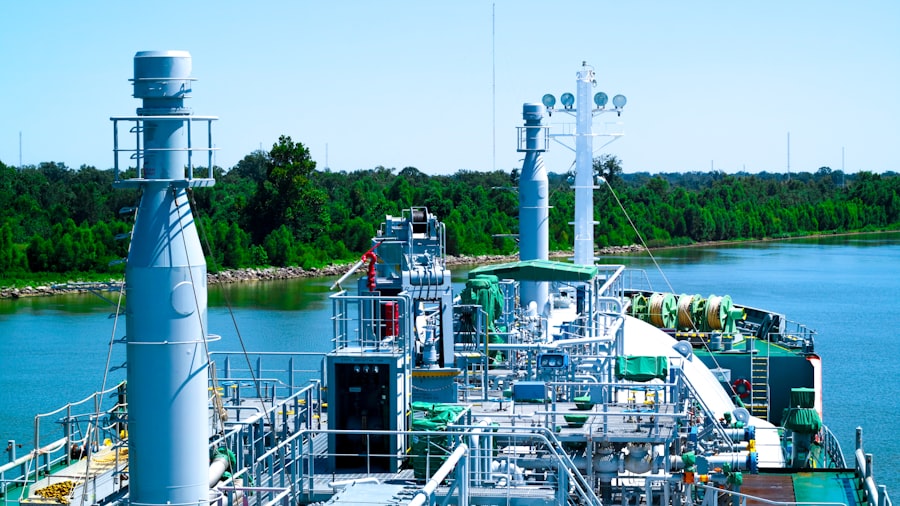
The Mississippi River stands as one of the most iconic rivers in American history, deeply intertwined with the nation’s cultural identity. Spanning approximately 3,734 kilometers (2,340 miles), it flows from its source at Lake Itasca in Minnesota to its mouth at the Gulf of Mexico. Throughout history, the river has served as a vital artery for trade and transportation, facilitating commerce and communication between various regions.
Its banks have witnessed significant events, from Native American settlements to pivotal moments in the Civil War. Culturally, the Mississippi River has inspired countless works of literature, music, and art. Mark Twain’s classic novels vividly depict life along the river during the 19th century, capturing its essence as both a physical and metaphorical journey.
The river has also played a central role in shaping regional identities, with its diverse ecosystems supporting unique communities and traditions. As such, the Mississippi River is not merely a geographical feature; it is a symbol of resilience, connection, and cultural heritage.
The Controversy Surrounding the Length of the Mississippi River
| Aspect | Details |
|---|---|
| Length of the Mississippi River | Approximately 2,340 miles (3,766 kilometers) |
| Controversy | Disagreement over the true source of the river and its exact length |
| Source of the Mississippi River | Lake Itasca in Minnesota |
| Historical Length Estimates | Varied from 2,300 to 2,500 miles due to changing river channels and measurement methods |
| Importance | One of the longest and most significant rivers in the United States |
Despite its prominence, the length of the Mississippi River has been a subject of controversy among geographers and hydrologists. Various studies have produced differing measurements due to factors such as changes in river courses over time and differing methodologies used to determine length. Some researchers argue that including certain tributaries or considering alternative sources can significantly alter the river’s total length.
This debate highlights the complexities involved in defining river lengths and raises questions about how such measurements impact our understanding of hydrological systems. Moreover, this controversy extends beyond academic circles; it has implications for navigation, environmental management, and regional planning. Accurate measurements are essential for maintaining shipping routes and ensuring that ecosystems along the river are preserved.
As such, discussions surrounding the length of the Mississippi River serve as a reminder of the intricate relationship between scientific inquiry and practical applications in managing natural resources.
The Definition of River Length and Its Implications
Defining river length is not as straightforward as it may seem. Traditionally, river length is measured from its source to its mouth; however, determining what constitutes a “source” can be contentious. Some definitions consider the furthest point from which water flows into the river system, while others may include tributaries that contribute to its flow.
This ambiguity can lead to significant variations in reported lengths and complicates comparisons between rivers. The implications of these definitions extend beyond mere numbers; they influence how rivers are studied and managed. For instance, understanding a river’s full length can provide insights into its hydrology, sediment transport dynamics, and ecological health.
Conversely, an incomplete understanding may lead to mismanagement or inadequate conservation efforts. Therefore, establishing clear definitions is essential for advancing scientific knowledge and ensuring effective stewardship of these vital waterways.
The Debate Over the True Source of the Mississippi River

The quest to identify the true source of the Mississippi River has sparked considerable debate among geographers and adventurers alike. While Lake Itasca is commonly recognized as its source, some researchers argue that other tributaries or lakes may contribute more significantly to its flow. This contention raises questions about how sources are defined and measured in hydrological studies.
The search for alternative sources has led to explorations of various lakes and streams within Minnesota’s vast landscape. Some enthusiasts have even embarked on expeditions to trace lesser-known tributaries back to their origins. This ongoing investigation not only highlights the complexities involved in determining river sources but also underscores humanity’s enduring fascination with exploration and discovery.
Ultimately, this debate reflects broader themes in geography regarding how we understand and interact with our natural world.
The Role of Technology in Measuring River Lengths
Advancements in technology have revolutionized how river lengths are measured and studied. Traditional methods relied on manual surveys and cartographic techniques that could be time-consuming and prone to error. However, modern tools such as satellite imagery, Geographic Information Systems (GIS), and remote sensing have enabled researchers to obtain more accurate measurements with greater efficiency.
These technological innovations allow for detailed mapping of river systems, including their tributaries and changing courses over time. By utilizing high-resolution imagery and sophisticated modeling techniques, scientists can gain insights into hydrological dynamics that were previously unattainable.
The Impact of Climate Change on River Lengths
Climate change poses significant challenges to river systems worldwide, influencing their lengths and hydrological patterns. Altered precipitation patterns, increased temperatures, and shifting weather events can lead to changes in river flow rates and sediment transport dynamics. In some cases, rivers may experience reduced lengths due to drought conditions or altered tributary contributions.
Conversely, increased rainfall or melting glaciers can lead to flooding events that reshape river courses or create new channels altogether. These changes can have profound implications for ecosystems dependent on stable water levels as well as for human communities relying on rivers for agriculture or transportation. Understanding how climate change affects river lengths is crucial for developing adaptive management strategies that address these emerging challenges.
The Economic and Environmental Significance of River Lengths
River lengths hold substantial economic significance as they often dictate trade routes and resource distribution within regions. Longer rivers can facilitate transportation over vast distances, enabling goods to be moved efficiently between urban centers and rural areas. This connectivity fosters economic development by supporting industries such as agriculture, fishing, tourism, and shipping.
From an environmental perspective, longer rivers typically support more diverse ecosystems due to their ability to connect various habitats along their courses. They serve as critical corridors for wildlife migration while providing essential resources for flora and fauna alike. Understanding river lengths thus becomes integral not only for economic planning but also for conservation efforts aimed at preserving biodiversity within these vital ecosystems.
The Effects of Human Activity on River Lengths
Human activity has profoundly impacted river lengths through various means such as dam construction, urbanization, and land use changes. Dams can alter natural flow patterns by creating reservoirs that disrupt sediment transport processes while affecting aquatic habitats downstream. Urbanization often leads to increased runoff and pollution entering rivers, which can further degrade water quality and alter hydrological dynamics.
Additionally, land use changes such as deforestation or agriculture can influence how water flows into rivers by altering watershed characteristics. These human-induced changes can result in shortened or altered river courses over time while posing challenges for effective management practices aimed at preserving these vital waterways. Recognizing these impacts is essential for developing sustainable strategies that balance human needs with ecological health.
Rethinking Our Understanding of River Lengths: Implications for Geography and Science
As discussions surrounding river lengths continue to evolve, there is a growing need to rethink traditional definitions and measurement practices within geography and science. The complexities involved in determining river sources and lengths highlight the limitations of conventional methodologies while emphasizing the importance of interdisciplinary approaches that incorporate technological advancements. By embracing new perspectives on river lengths—considering factors such as climate change impacts or human activity—scientists can develop more nuanced understandings that inform effective management strategies for these vital ecosystems.
Ultimately, rethinking our approach to measuring river lengths not only enhances scientific inquiry but also fosters greater appreciation for the intricate relationships between rivers, landscapes, and human societies throughout history.
While many people might assume that the Mississippi River is the longest river in the United States, it is actually the Missouri River that holds this title. The Missouri River stretches approximately 2,341 miles, surpassing the Mississippi River’s length of about 2,320 miles. For more detailed insights into the geographical features and historical significance of these rivers, you can explore this related article on MyGeoQuest. This resource provides a comprehensive overview of the major rivers in the United States and their impact on the country’s development.
WATCH THIS! 🗺️The 50 Geography Lies You Still Believe About America
FAQs
What is the length of the Mississippi River?
The Mississippi River is approximately 2,340 miles (3,766 kilometers) long, making it the second longest river in the United States.
Which river is the longest in the United States?
The longest river in the United States is the Missouri River, which stretches approximately 2,540 miles (4,090 kilometers) in length.
What is the longest river in the world?
The longest river in the world is the Nile River, which spans approximately 4,135 miles (6,650 kilometers) in length.
What are some notable features of the Mississippi River?
The Mississippi River is known for its historical and cultural significance, as well as its role in the transportation of goods and as a major waterway for the United States. It also has a rich ecosystem and is home to a diverse range of wildlife.