
The illicit extraction and trade of sand constitute a global enterprise of staggering scale, estimated to be worth over ten billion dollars annually. This shadowy industry, fueled by insatiable demand in construction and infrastructure development, operates largely outside legal frameworks, leaving a trail of environmental devastation, social disruption, and corruption in its wake. While sand may seem an abundant and innocuous resource, its clandestine exploitation is a planetary crisis demanding urgent attention.
The seemingly ubiquitous presence of sand belies its critical importance. It is the granular bedrock upon which much of our modern world is built. From the concrete that forms skyscrapers and bridges to the glass that allows us to see through windows and the silicon that powers our digital lives, sand is an indispensable ingredient. Its role in coastal defenses, land reclamation, and even in the purification of water highlights its multifaceted utility. Without sand, the engines of development would grindingly stall.
The Construction Boom and its Thirst
The exponential growth of urbanization and infrastructure projects worldwide, particularly in rapidly developing economies, has created an unprecedented demand for construction materials. Concrete, the primary building material of the 21st century, is composed of approximately 75% sand. As cities expand and populations migrate, the appetite for new buildings, roads, and other structures escalates dramatically. This relentless construction boom acts as a powerful siren song, drawing ever-increasing quantities of sand from wherever it can be found.
- Silica Sand and its Variations: Not all sand is created equal. The precise geological composition and grain size of sand dictates its suitability for various applications. While construction typically utilizes river or sea sand, the demand for high-purity silica sand for glass manufacturing and electronics adds another layer of complexity to the market.
- The Global Supply Chain: The movement of sand, both legally and illegally, forms an intricate global supply chain. Unlike many other commodities, sand is bulky and expensive to transport over long distances, making local extraction often the most economically viable option when legal sources are insufficient.
The illegal sand trade, which is estimated to be worth ten billion dollars, poses significant environmental and economic challenges worldwide. For a deeper understanding of the implications and the scale of this issue, you can read a related article that explores the various dimensions of this trade and its impact on ecosystems and communities. To learn more, visit this article.
The Shadowy Underbelly: Illicit Sand Extraction
The immense profitability derived from sand, coupled with lax regulation and enforcement in many regions, has paved the way for a burgeoning illegal sand trade. This operation is not a collection of isolated incidents but a sophisticated, often cartel-like, network that exploits natural resources with impunity.
Dredging the Depths: Methods of Extraction
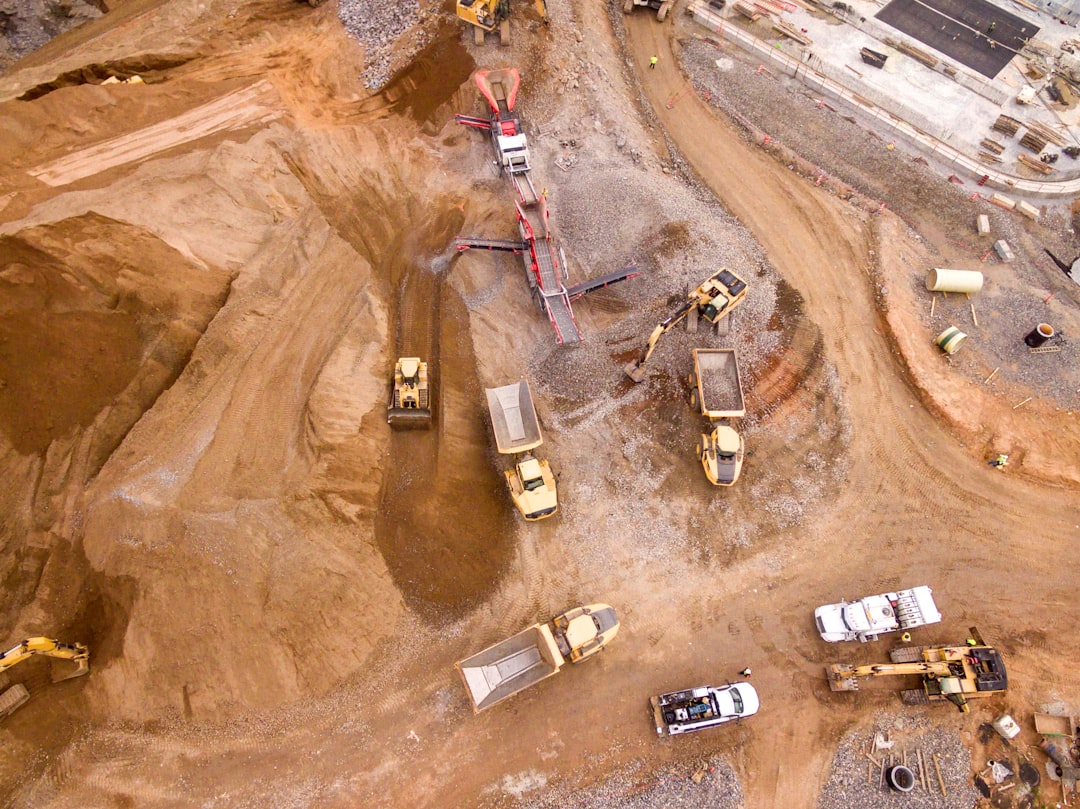
The methods employed in illicit sand extraction are as varied as the landscapes from which the sand is plundered. These operations, often carried out under the cover of darkness or in remote areas, disregard environmental protection or legal permits, prioritizing speed and volume.
- Riverbed Dredging: Rivers are a prime target for illegal sand miners. Powerful dredgers are deployed to scoop vast quantities of sand from riverbeds, disrupting aquatic ecosystems and undermining riverbanks. This can lead to increased erosion, altered water flow, and damage to bridges and other infrastructure built near the river.
- Coastal Sand Mining: The extraction of sand from beaches and coastal dunes is another prevalent illegal practice. This not only erodes shorelines, leaving communities vulnerable to storm surges and coastal flooding, but also destroys critical habitats for numerous species, including endangered sea turtles.
- Mountain Extraction: In some regions, sand is illegally extracted from mountainsides, often with indiscriminate blasting and excavation. This destabilizes slopes, leading to landslides and deforestation, and pollutes surrounding water sources.
The Human Element: Exploitation and Danger
The illegal sand trade is not solely an environmental issue; it is also deeply intertwined with human exploitation. Workers in these operations often face dangerous conditions and meager compensation.
- Forced Labor and Child Labor: Instances of forced labor and child labor have been documented within the illegal sand mining sector. Individuals, often from marginalized communities, are coerced into dangerous work with little to no pay, caught in a cycle of debt bondage.
- Worker Safety: The lack of safety regulations means that workers are frequently exposed to risks such as drowning, cave-ins, and injuries from heavy machinery, with little to no recourse for compensation or support.
The Ecological Catastrophe: Environmental Scars

The environmental consequences of the ten-billion-dollar illegal sand trade are profound and far-reaching. This relentless extraction acts like a thousand tiny cuts, each one weakening the delicate balance of ecosystems.
Assault on Aquatic Life
Waterways, both freshwater and marine, are vibrant ecosystems that depend on the integrity of their sandy substrates. The indiscriminate removal of sand disrupts these environments, causing a cascade of negative effects.
- Habitat Destruction: Riverbeds and seabeds are home to a myriad of organisms, from benthic invertebrates to fish nurseries. The removal of sand obliterates these habitats, leading to a significant decline in biodiversity. Fish populations dwindle as their food sources and breeding grounds disappear.
- Water Quality Degradation: Dredging and mining activities stir up large amounts of sediment, clouding the water column. This reduces light penetration, hindering the growth of aquatic plants, and can suffocate fish and other organisms. The increased turbidity also impacts the aesthetic and recreational value of waterways.
- Coastal Erosion and Flooding: The removal of sand from beaches and dunes leaves coastlines vulnerable to erosion. This can lead to the loss of valuable land, the destruction of coastal infrastructure, and increased risks of flooding for communities living in low-lying areas. The natural protective buffer provided by healthy dune systems is eroded away.
Degradation of Land and Landscape
Beyond aquatic environments, illegal sand extraction leaves indelible marks on terrestrial landscapes.
- Deforestation and Soil Erosion: Mountain extraction often leads to the clearing of forests to access sand deposits. This deforestation exacerbates soil erosion, as the exposed soil is easily washed away by rain, leading to further environmental degradation and potential landslides.
- Land Subsidence: The removal of large volumes of sand and gravel from beneath the ground can lead to land subsidence, causing the ground to sink. This can damage buildings and infrastructure and alter natural drainage patterns.
- Salinization of Freshwater Sources: In coastal areas, the removal of sand that acts as a natural barrier can allow saltwater to intrude into freshwater aquifers, rendering them unusable for drinking and irrigation.
The Societal Impact: Disruption and Dispossession

The illegal sand trade is not merely a victimless environmental crime. It has tangible and often devastating consequences for communities, particularly those living in close proximity to extraction sites. The veneer of economic activity can mask a deeper societal rot.
Undermining Local Economies
While proponents of illegal mining may claim to create jobs, these are often precarious, low-paying positions that come at a significant long-term cost to the community.
- Damage to Livelihoods: Communities that depend on fishing, agriculture, or tourism often suffer significant economic losses due to the environmental damage caused by illegal sand mining. Polluted waterways and eroded coastlines make it difficult or impossible to sustain these traditional livelihoods.
- Loss of Natural Resources: The depletion of local sand resources can make it more difficult and expensive for legitimate local businesses and individuals to access building materials, hindering development and perpetuating cycles of poverty.
Social Disruption and Conflict
The illegal sand trade can be a breeding ground for social unrest and conflict.
- Illegal Land Grabs: In some instances, illegal sand mining operations are linked to land grabs, where powerful individuals or groups seize land for extraction purposes, displacing local populations and communities.
- Corruption and Governance Failure: The sheer profitability of the illegal sand trade makes it attractive to corrupt officials and organized criminal groups. This can undermine good governance, weaken the rule of law, and foster a climate of impunity. The flow of illicit money can infiltrate legitimate institutions, creating a corrosive effect.
- Community Protests and Violence: As communities witness the destruction of their environment and the erosion of their livelihoods, protests and acts of resistance can occur. These can sometimes escalate into violence, particularly when facing powerful and well-connected illegal mining syndicates.
The ten billion dollar illegal sand trade has significant environmental and economic implications, as highlighted in a related article that explores the various dimensions of this global issue. This trade not only threatens ecosystems but also fuels corruption and organized crime in many regions. For a deeper understanding of the complexities surrounding this illicit market, you can read more in this insightful piece on MyGeoQuest, which delves into the consequences of sand extraction and the urgent need for sustainable practices.
The Global Reach and the Path Forward
| Metric | Value | Description |
|---|---|---|
| Estimated Annual Market Size | 10 billion | Global value of illegal sand trade in USD |
| Primary Regions Affected | Asia, Africa, Middle East | Regions with highest illegal sand extraction activities |
| Environmental Impact | Severe | Includes riverbank erosion, habitat destruction, and biodiversity loss |
| Number of Illegal Mining Sites | Thousands | Estimated illegal sand mining locations worldwide |
| Law Enforcement Actions Annually | Hundreds | Raids and arrests related to illegal sand mining |
| Impact on Local Communities | High | Displacement, loss of livelihoods, and health issues |
| Sand Used in Construction | 70% | Percentage of sand used globally for construction purposes |
| Growth Rate of Illegal Trade | 5-7% per year | Estimated annual increase in illegal sand trade volume |
The ten-billion-dollar illegal sand trade is a complex global challenge that demands a multifaceted and coordinated response. Addressing this crisis requires a commitment from governments, international organizations, and civil society.
Strengthening Governance and Enforcement
The foundation of any effective solution lies in robust governance and rigorous enforcement of existing laws.
- Enhanced Legal Frameworks: Many countries lack comprehensive legal frameworks specifically addressing sand extraction and trade. Developing and enacting strong environmental protection laws, with clear penalties for illegal activities, is crucial.
- Increased Surveillance and Monitoring: The use of technology, such as satellite imagery and drones, can aid in detecting and monitoring illegal mining activities. Improved patrol systems and effective collaboration between law enforcement agencies are essential.
- Tackling Corruption: The fight against illegal sand mining must be intrinsically linked to the fight against corruption. Transparency in resource management, accountability for officials, and the prosecution of corrupt individuals are paramount.
Promoting Sustainable Alternatives and Awareness
Beyond punitive measures, fostering sustainable practices and raising public awareness are vital components of a long-term solution.
- Exploring Sustainable Sand Sources: Research into and adoption of sustainable sand alternatives, such as manufactured sand (from crushing rock) or recycled materials from demolition waste, can help reduce the pressure on natural sand deposits.
- International Cooperation: The illegal sand trade often crosses national borders, necessitating international collaboration to share intelligence, harmonize regulations, and pursue transnational criminal networks.
- Public Awareness Campaigns: Educating the public about the environmental and social impacts of the illegal sand trade can foster greater demand for responsibly sourced materials and support for stronger regulations. Empowering communities with knowledge is a powerful tool.
The future of our infrastructure, our coastlines, and our ecosystems hinges on our ability to confront and dismantle the ten-billion-dollar illegal sand trade. It is a battle waged not only with laws and enforcement but with a collective awakening to the immense value of this humble, yet indispensable, resource. The grains of sand we extract, legally or illegally, are not merely inert matter; they are threads woven into the fabric of our planet’s health and the well-being of its inhabitants. Ignoring this crisis is akin to building our futures on a foundation of crumbling sand, destined to be washed away by the tide of its own destruction.
WATCH NOW ▶️ WARNING: Why the World is Running Out of Sand (And You Never Noticed)
FAQs
What is the illegal sand trade?
The illegal sand trade involves the unauthorized extraction, transportation, and sale of sand, often from rivers, beaches, and other natural sources, without proper permits or adherence to environmental regulations.
Why is the illegal sand trade a problem?
It causes significant environmental damage, including riverbank erosion, loss of biodiversity, and disruption of aquatic ecosystems. It also undermines legal businesses and can be linked to corruption and organized crime.
How large is the illegal sand trade globally?
The illegal sand trade is estimated to be worth around ten billion dollars annually worldwide, making it a significant black market industry.
Which regions are most affected by illegal sand mining?
Regions in Asia, particularly India, China, and Southeast Asia, as well as parts of Africa and the Middle East, are heavily affected due to high demand for construction materials and weak enforcement of regulations.
What measures are being taken to combat the illegal sand trade?
Governments and environmental organizations are implementing stricter regulations, increasing monitoring and enforcement, promoting sustainable alternatives, and raising public awareness to reduce illegal sand mining activities.