The Strategic Importance of Ukraine in Global Geopolitics
Ukraine’s position on the global geopolitical map has never been more pronounced. Once considered a strategically significant but largely regional player, the nation has ascended to a central stage, its fate intricately interwoven with the security architecture of Europe, the stability of global markets, and the ideological contest between democratic and authoritarian visions of the world. The ongoing conflict, instigated by Russia’s full-scale invasion, has not only highlighted Ukraine’s inherent strategic value but has also amplified its importance to an unprecedented degree. This surge in recognition stems from a confluence of factors, ranging from its vast natural resources and agricultural capacity to its pivotal role in the defensive bulwark of the West and its potential as a transformative bridge between continents.
Ukraine’s subterranean wealth positions it as a linchpin for Europe’s ambitions regarding technological advancement and environmental sustainability. The nation is endowed with an astonishing geological bounty, holding significant reserves of key minerals that are indispensable for the global transition to green energy and advanced technologies.
Lithium: The Battery of the Electrified World
Lithium, the cornerstone of modern battery technology powering electric vehicles and energy storage solutions, is found in substantial quantities within Ukraine. As the world rapidly pivots away from fossil fuels, the demand for lithium is projected to skyrocket. Ukraine’s domestic reserves offer Europe a crucial opportunity to reduce its reliance on Chinese-dominated supply chains, thereby bolstering its strategic autonomy in this critical sector. Unlocking these resources could significantly accelerate the pace of Europe’s green transformation and solidify its position as a leader in clean energy innovation.
Titanium: The Backbone of Aviation and Defense
Ukraine is a global leader in titanium production, a metal renowned for its exceptional strength-to-weight ratio and corrosion resistance. This makes it indispensable for the aerospace industry, defense applications, and advanced manufacturing. A secure and stable supply of Ukrainian titanium is paramount for the continued development and production of cutting-edge aircraft, military hardware, and high-performance components across various industries. Dependence on external sources for such a vital material presents inherent vulnerabilities, making Ukrainian resources a strategic asset for maintaining technological parity.
Manganese: Essential for Steel and Beyond
Manganese, another critical element found in abundance in Ukraine, is vital for the steel industry, improving its strength and durability. Beyond its use in metallurgy, manganese plays a role in battery production and chemical processes. The widespread application of manganese across numerous industrial sectors underscores Ukraine’s importance as a supplier of foundational materials for global manufacturing and infrastructure development.
Other Strategic Minerals: A Comprehensive Resource Basket
Beyond these prominent examples, Ukraine’s geological surveys reveal significant deposits of other strategic raw materials essential for modern economies. These include, but are not limited to, rare earth elements, cobalt, and iron ore, further solidifying its role as a comprehensive resource hub. The consolidation of these diverse mineral assets within a single nation presents a unique opportunity for integrated resource management and strategic supply chain development, particularly for Europe, which aims to diversify its sourcing away from potentially unreliable or politically sensitive regions.
Ukraine’s strategic importance in the context of global geopolitics cannot be overstated, especially given its position as a key transit route for energy supplies between Europe and Russia. The ongoing conflict in the region has brought renewed attention to Ukraine’s role in ensuring energy security for Europe and its potential as a hub for alternative energy sources. For a deeper understanding of these dynamics, you can read the related article on this topic at MyGeoQuest.
The Breadbasket and the Energy Valve: Sustaining Global Stability
Ukraine’s agricultural output and its role in energy markets grant it a profound influence over global food security and economic stability. The nation’s fertile lands and its historical position as a major exporter of essential commodities make its stability a prerequisite for preventing widespread hunger and inflationary pressures.
Grain and Food Security: A Global Lifeline
Ukraine is often referred to as Europe’s breadbasket, and for good reason. It is consistently among the world’s top exporters of wheat, corn, and sunflower oil. Disruptions to this vital supply chain, as witnessed during the Russian invasion, have immediate and far-reaching consequences, leading to soaring food prices and exacerbating food insecurity in many vulnerable regions of the world, particularly in Africa and the Middle East. The Black Sea Grain Initiative, brokered with international mediation, underscored Ukraine’s critical role in maintaining global food supplies and highlighted the fragility of international food security when one major producer is destabilized.
Oil and Natural Gas: Influencing Global Energy Prices
While not as prominent as its agricultural exports, Ukraine also plays a role in global energy markets, particularly through its transit infrastructure for Russian oil and gas to Europe. Although the direct export volumes of Ukrainian hydrocarbons are smaller, the maintenance and security of these transit routes are still of strategic importance. Furthermore, as Ukraine develops its own energy resources and seeks to diversify its energy mix, its potential to become a more significant player in regional energy security cannot be overlooked. The stability of its energy infrastructure directly impacts regional supply and can influence global energy price trends, especially in times of geopolitical tension.
Inflationary Pressures and Economic Volatility: The Ripple Effect
The combined impact of Ukraine’s role in food and energy markets creates significant ripple effects across the global economy. Any disruption to its exports can contribute to inflationary pressures worldwide, as consumers face higher prices for essential goods. This economic volatility can destabilize markets, strain household budgets, and create fertile ground for social unrest in indirectly affected nations. Therefore, Ukraine’s ability to maintain its export capacity is not merely an economic concern but a vital component of global economic stability.
The Fortress of the West: A Bulwark Against Expansionism
Ukraine’s geographical location and its ongoing struggle against Russian aggression have thrust it into the vanguard of the Western security architecture. It now serves as a crucial buffer zone, fundamentally shaping NATO’s defense posture and the broader Euro-Atlantic security order.
The Eastern Flank of NATO: A Strategic Deterrent
For decades, NATO has sought to secure its eastern flank, a long and complex border with Russia. Ukraine, situated directly to the south of Russia and bordering several NATO member states, has become the de facto frontline of this security perimeter. Its ability to resist Russian incursions directly deters further expansionist ambitions into NATO territory. The conflict in Ukraine forces NATO to maintain a heightened state of readiness and to invest significantly in its collective defense, thereby reinforcing the alliance’s commitment to its members’ security.
Shaping NATO’s Defense Posture: Adapting to New Realities
The war in Ukraine has necessitated a significant re-evaluation and strengthening of NATO’s defense capabilities and strategic planning. The alliance has increased its troop presence in Eastern Europe, bolstered its air and missile defense systems, and accelerated joint military exercises. Ukraine’s resilience and its innovative approach to defense, particularly its use of asymmetric warfare and advanced drone technology, have also provided valuable lessons for NATO, pushing the alliance to adapt and modernize its own military strategies.
Broader Euro-Atlantic Security Order: A Defining Struggle
The conflict in Ukraine is not just a localized dispute; it is a defining struggle for the future of the Euro-Atlantic security order. Russia’s actions have challenged the fundamental principles of state sovereignty and territorial integrity, principles that underpin international law and the post-World War II global order. Ukraine’s resistance is seen as a defense of these principles, and its eventual success or failure will have profound implications for the stability and predictability of international relations for years to come. The outcome of this conflict will likely determine whether a rules-based international order can endure or if a more assertive, might-makes-right paradigm will prevail.
The Geopolitical Chessboard: A Proxy Battleground
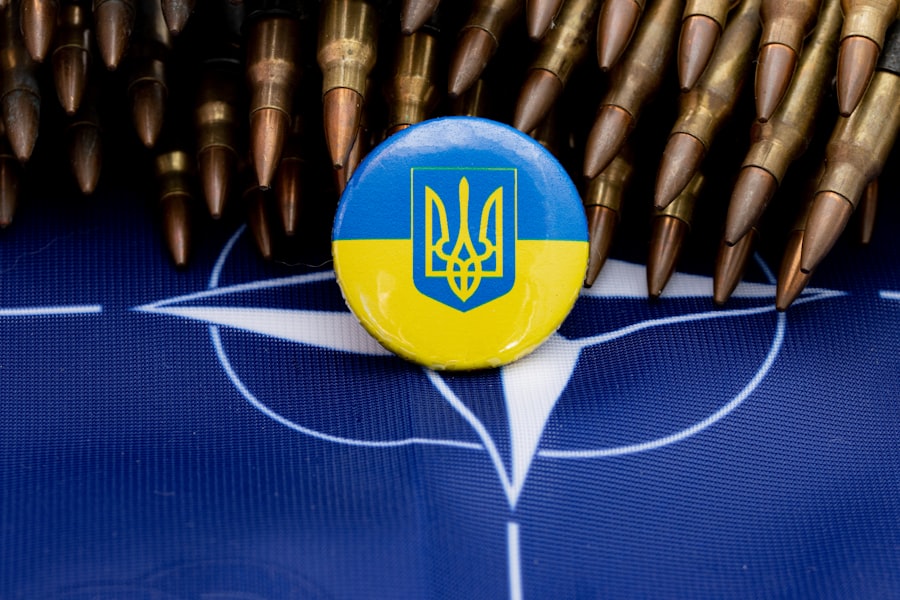
The conflict in Ukraine has evolved beyond a bilateral dispute between Russia and Ukraine to become a complex geopolitical proxy battleground, pitting democratic ideals against authoritarian ambitions and influencing the dynamics of global alliances.
East vs. West: A Clash of Ideologies
The war is increasingly framed as a confrontation between the democratic bloc, largely comprising Western nations and their allies, and an authoritarian bloc, primarily led by Russia and increasingly aligned with China. This ideological struggle extends beyond military support for Ukraine; it influences diplomatic maneuvering, economic sanctions, and the competition for influence in international institutions. The outcome of the conflict will have significant bearings on the global narrative regarding the supremacy of democratic governance versus the allure of authoritarianism.
Influencing Global Alliance Dynamics: Shifting Alignments
The war has compelled nations worldwide to re-evaluate their allegiances and strategic partnerships. Some countries have tightened their ties with the West in response to perceived Russian aggression, while others have sought to maintain a more neutral stance or have deepened their cooperation with Russia and China. This has led to a recalibrating of existing alliances and the potential emergence of new geopolitical blocs, shaping the future landscape of international relations. The conflict has highlighted the interdependence of global security and the need for nations to choose sides, or navigate the complex terrain of neutrality, in an increasingly polarized world.
The Role of China and Other Powers: A Global Spectacle
The involvement and posture of major global powers, particularly China, are critical to understanding the proxy nature of the conflict. China’s economic and diplomatic support for Russia, or its perceived tacit approval of Russian actions, has significant implications for global stability and the balance of power. The stance taken by other influential nations and regional powers also adds layers of complexity to the geopolitical chessboard, as they weigh their interests against the broader implications of the conflict for their own security and economic well-being.
Ukraine’s strategic importance in the geopolitical landscape has been underscored by its rich natural resources and pivotal location between Europe and Asia. The ongoing conflict has drawn international attention to the country’s role as a transit hub for energy supplies, which is crucial for European energy security. For a deeper understanding of these dynamics, you can explore a related article that discusses the implications of Ukraine’s geography and resources on global politics. This insightful piece can be found here.
The Shadow of the Atom: Nuclear Escalation and Nonproliferation
| Aspect | Importance |
|---|---|
| Geopolitical Location | Strategic crossroads between Europe and Asia |
| Natural Resources | Rich in fertile land, minerals, and energy resources |
| Military Importance | Key location for military operations and defense |
| Economic Potential | Large market and potential for trade and investment |
| Historical Significance | Long history of cultural and political influence |
The war in Ukraine casts a long and ominous shadow over global nuclear security. Russia’s nuclear rhetoric and the physical presence of nuclear facilities within the conflict zone have amplified the stakes for nuclear nonproliferation norms and raised the specter of nuclear escalation.
Russia’s Nuclear Threats: A Calculated Deterrent
Throughout the conflict, Russia has repeatedly employed nuclear rhetoric, ranging from veiled threats to more explicit warnings about the potential use of nuclear weapons. These threats serve as a calculated deterrent, aiming to discourage Western intervention and support for Ukraine. However, this nuclear sabre-rattling has also heightened global anxiety and eroded trust, contributing to a more dangerous and unpredictable international security environment.
The Zaporizhzhia Nuclear Power Plant: A Loomsing Threat
The physical occupation and ongoing shelling around the Zaporizhzhia Nuclear Power Plant, Europe’s largest, present a unique and terrifying risk. The potential for a catastrophic accident, even without direct nuclear weapon use, could have devastating consequences, spreading radioactive contamination across a wide area and impacting multiple European nations. This situation underscores the profound risks associated with conducting warfare in proximity to nuclear facilities and raises critical questions about international protocols for ensuring the safety and security of such sites during armed conflict.
Global Nonproliferation Norms: Undermined and Tested
The perceived erosion of nuclear taboos and the potential for escalation directly challenge the established global nonproliferation norms that have been painstakingly built over decades. If nuclear threats are normalized or if nuclear weapons are perceived to be usable in conventional conflicts, it could embolden other states to pursue or develop nuclear arsenals, leading to a more unstable and dangerous world. Ukraine’s struggle, therefore, is not just about its territorial integrity but also about upholding the principles that have helped to prevent large-scale nuclear conflict since World War II.
The Crossroads of Continents: Ukraine’s Bridge to Asia
Beyond its immediate role in European security, Ukraine harbors ambitions to position itself as a vital strategic connector between the European Union and the burgeoning markets of Asia, enhancing its significance in global trade corridors.
Linking EU Markets with Asian Demand: A Transcontinental Nexus
Ukraine’s geographical position offers a unique opportunity to serve as a conduit for trade and connectivity between Europe and Asia. As the EU continues to strengthen its economic and political ties with its eastern neighbors and seeks to diversify its trade relationships, Ukraine can become a critical transit point. This potential is amplified by initiatives aimed at improving infrastructure, such as rail and road networks, that can facilitate the efficient movement of goods and people.
The Shanghai Cooperation Organization (SCO) and Beyond: Exploring New Partnerships
Ukraine’s vision of becoming a bridge to Asia includes exploring partnerships with organizations and markets in the East. While currently focused on EU integration, future strategic thinking may involve leveraging its position to engage with entities like the Shanghai Cooperation Organization (SCO) or to build bilateral economic relationships with key Asian economies. This strategic foresight aims to diversify Ukraine’s economic partnerships and to embed it more deeply within the global economic order, moving beyond its traditional reliance on European markets.
Enhancing Global Trade Corridors: A Facilitator of Commerce
By developing its infrastructure and fostering an environment conducive to international trade, Ukraine can significantly enhance global trade corridors. This involves not only facilitating the movement of goods from East to West but also potentially enabling the reverse flow. Its role could extend to becoming a logistics hub, a center for investment, and a gateway for businesses looking to access both European and Asian markets. This multifaceted approach to connectivity solidifies Ukraine’s strategic importance as a facilitator of global commerce.
The Catalyst for European Integration: Strengthening a Continent’s Resolve
Ukraine’s fervent pursuit of European Union membership has become a powerful catalyst for deeper regional security cooperation and has spurred the EU to accelerate its own integration processes, particularly in defense and economic policy.
EU Membership Talks: Accelerating Regional Security Cooperation
The prospect of Ukraine joining the European Union has invigorated discussions and actions concerning regional security. The EU’s approval of a substantial €106 billion loan to support Ukraine’s economic recovery and integration efforts signifies a significant commitment to its future. Furthermore, advancing membership talks encourages Ukraine to align its legal, economic, and security frameworks with those of the EU, fostering greater interoperability and cooperation across the continent. This process inherently strengthens the collective security of the EU and its eastern neighborhood.
Strengthening Continental Defense: A Shared Imperative
The war in Ukraine has underscored the need for the EU to develop a more robust and independent defense capability. Ukraine’s struggle for survival has acted as a stark reminder that European security cannot solely rely on external guarantors. This imperative has led to increased defense spending among EU member states, a greater emphasis on joint procurement and research, and a renewed focus on developing a coherent European security and defense policy. Ukraine’s status as a candidate country inherently binds its defense interests more closely to those of the EU.
Economic Resilience and Strategic Autonomy: A United Front
Ukraine’s economic resilience and its integration into the EU’s economic structures are viewed as crucial for enhancing the bloc’s overall strategic autonomy. By supporting Ukraine’s economic recovery and stabilizing its economy, the EU aims to create a more robust and unified economic bloc, less susceptible to external pressures and disruptions. This objective is not just about supporting Ukraine but also about building a stronger, more self-reliant Europe capable of navigating the complex challenges of the 21st century.
The Unseen Consequences: Global Supply Chain Disruptions
The conflict in Ukraine has served as a stark reminder of the interconnectedness of global supply chains and the profound economic volatility that can arise from geopolitical instability in a key region.
Shipping Routes and Trade Flows: Navigating Uncertainties
The disruption of critical shipping routes, particularly in the Black Sea, has had a significant impact on global trade. The blockade of Ukrainian ports and the increased risks associated with maritime transit have forced a rerouting of cargo, leading to increased shipping costs and longer delivery times. This has affected a wide range of industries, from agriculture to manufacturing, and has contributed to a general sense of uncertainty in international trade.
Energy Flows and Agricultural Exports: Cascading Impacts
The war’s impact on energy flows and agricultural exports has been particularly acute. Reductions in the supply of critical commodities like natural gas and grain have led to price spikes and exacerbated inflation in countries reliant on these imports. The cascading effects of these disruptions can be observed across multiple sectors, from food production to industrial output, highlighting the fragility of global supply chains when exposed to significant geopolitical shocks.
Long-Term Economic Volatility: A Persistent Challenge
The ongoing conflict and its ramifications are contributing to long-term global economic volatility. The need for nations to reassess their supply chains, diversify their sources of essential goods, and build greater resilience against future disruptions is a direct consequence of the events unfolding in Ukraine. This sustained period of uncertainty and the imperative for strategic recalibration will likely shape global economic policies and investment strategies for years to come.
The Innovation Frontline: Ukraine’s Drone and Long-Range Strike Capabilities
In the face of overwhelming conventional military might, Ukraine has emerged as a significant innovator in asymmetric warfare, particularly in the realm of drone and long-range strike capabilities, marking its role as a crucial defense partner.
Advanced Drone Programs: A Game Changer in Modern Warfare
Ukraine’s development and deployment of sophisticated drone technology have proven to be a game-changer in the ongoing conflict. These unmanned aerial vehicles are being utilized for reconnaissance, surveillance, and increasingly, for offensive strikes against Russian military targets and infrastructure. The agility and cost-effectiveness of drone warfare offer a significant strategic advantage, allowing Ukraine to engage enemy forces with increased precision and reduced risk to its personnel.
Targeting Russian Energy Infrastructure: Strategic Asymmetry
The deliberate targeting of Russian energy infrastructure, including oil refineries and fuel depots, by Ukrainian drones and long-range missiles represents a significant strategic development. These strikes aim to disrupt Russia’s war-fighting capabilities by impacting its economic resources and its ability to fund its military operations. This asymmetric approach showcases Ukraine’s ability to project power and inflict strategic damage through innovative means, transforming the battlefield dynamics.
An Innovative, Asymmetric Defense Partner: Lessons for the West
Ukraine’s success in developing and effectively deploying its drone and long-range strike capabilities offers invaluable lessons for Western defense planners. Its ability to adapt, innovate, and leverage technology in an asymmetric fashion highlights the evolving nature of modern warfare. Ukraine’s role as an innovative defense partner provides Western militaries with crucial insights into potential future conflict scenarios and the importance of fostering agile and adaptable defense capabilities.
The Transatlantic Alliance: A Stress Test and a Catalyst for Change
The conflict in Ukraine has subjected the transatlantic alliance to unprecedented stress, prompting crucial debates about Europe’s long-term strategic and defense independence.
Intensified Splits Between the US and Europe: Differing Perspectives
While united in their condemnation of Russian aggression and support for Ukraine, the war has also exposed differing perspectives and priorities between the United States and its European allies. Disagreements have emerged regarding the pace and extent of military aid, the imposition of sanctions, and the long-term strategy for dealing with Russia. These divergences, while not insurmountable, highlight the complexities of managing a transatlantic alliance facing a protracted and multifaceted crisis.
Europe’s Need for Independent Capabilities: A Coming of Age
The conflict has served as a powerful wake-up call for Europe, highlighting its significant reliance on the United States for its security. This realization has intensified discussions and actions aimed at bolstering Europe’s own defense capabilities and achieving greater strategic autonomy. The EU’s efforts to increase defense spending, develop its own strategic airlift capabilities, and coordinate its defense industrial base are all indicative of this burgeoning desire for greater self-reliance.
Debates Over Burden-Sharing and Strategic Direction: Navigating the Future
The war has reignited debates over burden-sharing within NATO, with increasing pressure on European nations to contribute more equitably to collective defense. Furthermore, the conflict has spurred a broader discussion about the future strategic direction of the transatlantic alliance, prompting a re-examination of its core purpose, its commitment to collective security, and its role in a rapidly evolving global landscape. Ukraine’s struggle has, in essence, forced a critical self-assessment of the alliance’s strengths, weaknesses, and its capacity to adapt to the challenges of the 21st century.

Why Russia Can Never Feel Safe
FAQs
What is the strategic importance of Ukraine?
Ukraine holds strategic importance due to its geographic location as a bridge between Europe and Asia, its access to the Black Sea, and its natural resources such as fertile land and minerals.
How does Ukraine’s location impact its strategic importance?
Ukraine’s location at the crossroads of Europe and Asia makes it a key transit country for energy resources and trade, as well as a potential military stronghold in the region.
What role does Ukraine play in European energy security?
Ukraine is a crucial transit country for natural gas pipelines that supply Europe, making it a key player in European energy security and a potential leverage point in geopolitical negotiations.
What are the implications of Ukraine’s strategic importance for global politics?
Ukraine’s strategic importance has made it a focal point in geopolitical rivalries, with major powers vying for influence in the region and seeking to secure access to its resources and strategic position.
How does Ukraine’s strategic importance impact its internal and external relations?
Ukraine’s strategic importance has led to complex internal and external relations, with the country facing pressure from both Western and Eastern powers, as well as dealing with internal divisions and conflicts.