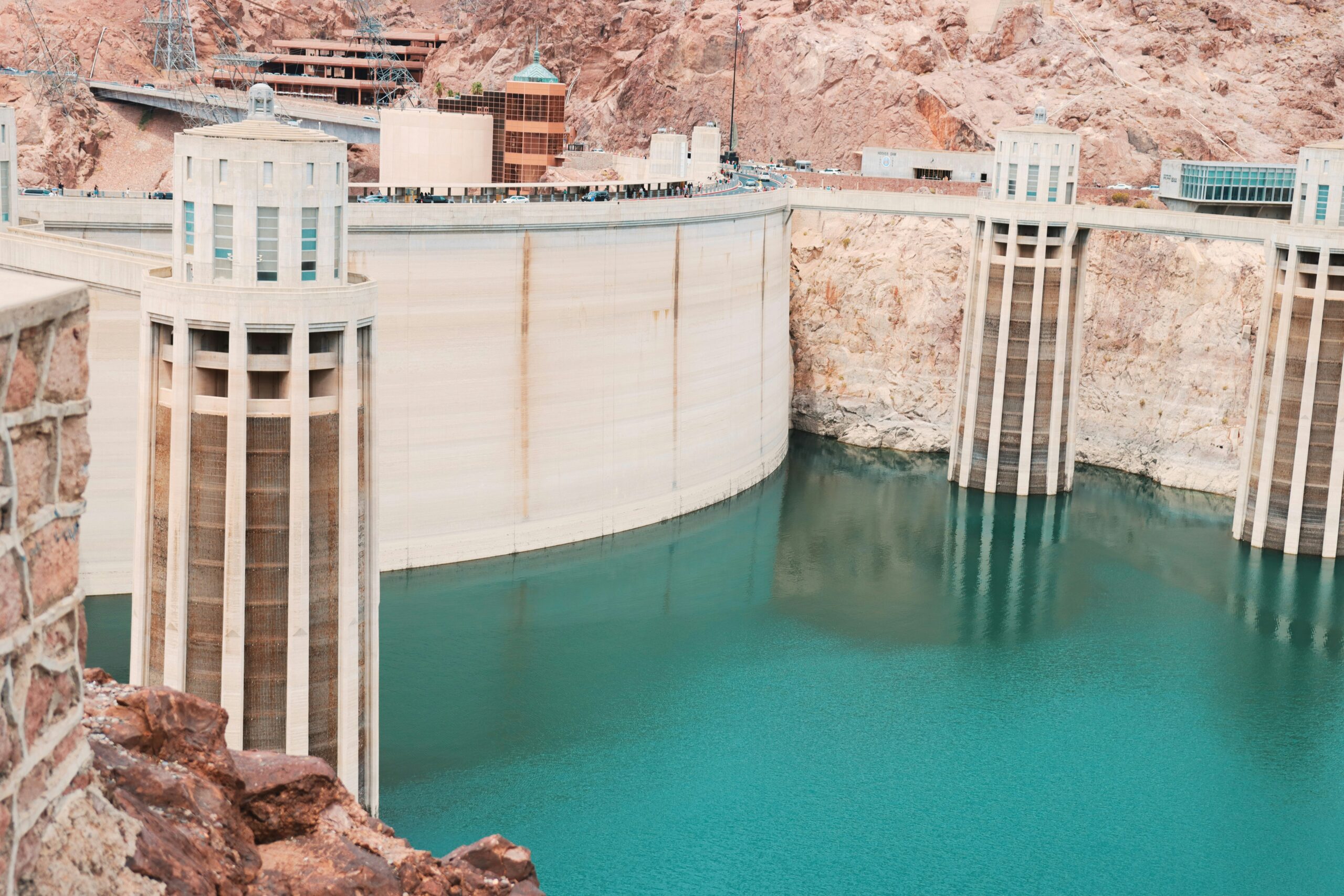
The State Water Project: A Historical Overview
The Genesis of a Grand Vision
The story of the State Water Project (SWP) is a monumental narrative woven into the fabric of California’s twentieth-century development. Born out of necessity and fueled by audacious ambition, its conception and eventual construction represent a defining chapter in the state’s quest for water security and economic prosperity. For decades, California’s population had been burgeoning, particularly in the southern expanse of the state. This growth, however, was intrinsically linked to a stark hydrological reality: the vast majority of the state’s fresh water resources lie in the northern mountainous regions, while the most populous and agriculturally intensive areas reside in the arid south. This geographical imbalance, coupled with recurring droughts, presented a looming crisis.
The early 20th century saw a patchwork of localized water systems and ambitious, yet ultimately insufficient, plans to address this growing disparity. The Owens Valley, once a rich agricultural region, bore the painful testament to the early, unchecked expansion of Los Angeles’ water supply needs, highlighting the potential for conflict and the desperate scramble for every available drop. As the state’s population continued to climb in the post-World War II era, the need for a comprehensive, statewide solution became not just desirable, but imperative. The specter of water rationing and the potential stunting of economic growth loomed large. It was in this crucible of necessity that the vision for the State Water Project began to solidify, a project that would not only quench the thirst of a growing populace but also power its industries and sustain its vast agricultural empire. The project was conceived not merely as a system of pipes and dams, but as a bold declaration of California’s intent to engineer its own destiny, to overcome natural limitations through human ingenuity and sheer will.
Early Precursors and Growing Demand
The roots of the State Water Project can be traced back to a series of earlier, less ambitious water development efforts. For instance, the Los Angeles Aqueduct, completed in 1913, stands as a pioneering feat of engineering, a testament to the city’s foresight in securing a water supply from distant sources. This early success, however, also set a precedent for trans-basin water transfers, a concept that would become increasingly controversial as the scale of water needs grew.
Several engineering studies and preliminary plans were explored throughout the mid-20th century. The California Water Plan, first published in 1957, served as a crucial foundational document, outlining the state’s water problems and proposing a series of interconnected solutions. This ambitious plan recognized the need for a statewide approach, acknowledging that isolated projects would no longer suffice. The growing agricultural industry, particularly in the Central Valley, was a major driver of this increasing demand. The fertile soils of the Central Valley, when adequately irrigated, had the potential to become one of the world’s most productive agricultural regions. However, this potential was entirely dependent on a reliable and abundant water supply. The burgeoning cities of Southern California, experiencing rapid postwar growth, also contributed significantly to the escalating demand. The vision for the SWP was thus born from the recognition of these compounding pressures, a recognition that without a unified and expansive water management strategy, California’s continued growth and prosperity were at risk.
The Political Crucible: Securing Legislative Approval
The sheer scale and cost of the State Water Project meant that its realization was not solely an engineering challenge; it was profoundly a political one. The project, often referred to as the “Feather River Project” in its early planning stages, required a monumental undertaking of legislation, financing, and public consensus building. The journey from concept to construction was fraught with debate, compromise, and the weathering of significant opposition.
The History of the State Water Project is a fascinating topic that highlights the engineering feats and environmental considerations involved in providing water to millions of residents in California. For those interested in exploring this subject further, a related article can be found at this link, which delves into the challenges and successes of the project over the decades.
The Burns-Porter Act: A Landmark Decision
The passage of the Burns-Porter Act in 1961 was arguably the single most critical legislative step in the realization of the SWP. This landmark act, named after its principal legislative architects, Assemblyman William A. Munnell (later Senator Gene G. West) and Senator Hugh M. Burns, authorized the issuance of $1.75 billion in state general obligation bonds – an unprecedented sum at the time – to finance the construction of the project. The act was the culmination of years of intense negotiation and lobbying, overcoming significant political hurdles. Southern California water agencies were overwhelmingly in favor, seeing it as their lifeline, while Northern California interests expressed concerns about the potential environmental impacts and the diversion of water from their own regions. The passage of the Burns-Porter Act represented a hard-won victory, a testament to the persuasive power of the proponents of water development and a commitment to addressing the state’s water deficit on a grand scale. It provided the financial bedrock upon which the entire ambitious project would be built, transforming a visionary plan into a tangible reality.
Debates and Compromises
The legislative process was a prolonged and often contentious affair. Debates raged over the financing mechanisms, the routing of aqueducts, and the potential impacts on Northern California’s environment and economy. Crucially, the original vision for the project included a significant desalination component, but this was largely scaled back due to cost concerns and technological limitations at the time. The negotiation of the County of Origin Protection Act was another critical element, designed to safeguard the water rights of counties where water originated, a key concession to placating Northern California’s concerns. Environmental groups, though less organized and influential than they are today, also voiced early concerns about the potential consequences of such a massive undertaking on river ecosystems and wildlife. The final legislative package was a meticulously crafted compromise, a testament to the political skill and determination of its proponents, which ultimately secured the necessary support to move forward with this colossal endeavor.
Engineering a Masterpiece: Construction and Key Components
The construction of the State Water Project stands as one of the most ambitious engineering feats of the 20th century, a testament to human ingenuity and the ability to overcome formidable geographical and geological challenges. Spanning several decades, the project involved the creation of a complex network of dams, reservoirs, aqueducts, pumping plants, and power facilities, stretching over 700 miles from Northern California to Southern California.
From the Sierra Nevada to the Southland: The Backbone of the System
The Oroville Dam, the keystone of the SWP’s northern facilities, is a colossal concrete embankment dam, once the tallest in the United States. Its immense reservoir, Lake Oroville, serves as the primary storage facility for much of the project’s water. The massive volume of water held back by Oroville Dam not only provides a critical buffer against drought but also generates significant hydroelectric power through its Edward Hyatt Powerplant.
From Lake Oroville, the Feather River Aqueduct carries water south. This is just the initial segment of the intricate system. The water then enters the California Aqueduct, the longest and most complex aqueduct in the world. This colossal concrete channel winds its way through diverse terrains, crossing mountain ranges, spanning valleys, and traversing arid landscapes. Its construction involved massive earthmoving operations, the excavation of tunnels, and the erection of bridges and siphons to overcome natural obstacles. The sheer scale of the California Aqueduct is awe-inspiring, a concrete river flowing across the state, a visible symbol of California’s determination to manage its water resources.
The History of the State Water Project is a fascinating topic that highlights the complexities of water management in California. For those interested in exploring this subject further, a related article can be found at My Geo Quest, which delves into the environmental and social impacts of the project. Understanding these aspects is crucial for appreciating the ongoing challenges and innovations in water resource management.
The Pumping Powerhouse: Overcoming Gravity
A significant engineering challenge in transporting water from Northern to Southern California is the need to lift it over mountain ranges and across vast elevation changes. This is where the SWP’s pumping plants come into play, functioning as the project’s muscle. The Edmonston Pumping Plant, located in the Tehachapi Mountains, is a prime example. It is one of the largest and most powerful pumping plants in the world, capable of lifting SWP water over 2,000 feet in elevation. The energy required to power these massive pumps is substantial, necessitating dedicated power generation facilities and transmission lines to ensure a reliable supply. The sheer mechanical force required to move billions of gallons of water uphill is a testament to the advanced engineering and operational capabilities employed in the SWP.
Storage and Distribution: The Final Frontier
As the water journeys south, various intermediate reservoirs and distribution systems play a crucial role in managing and delivering the precious resource. Pyramid Lake and Castaic Lake serve as key reservoirs in Southern California, offering storage and recreational opportunities before the water is ultimately distributed to agricultural users, municipal water agencies, and individual consumers throughout the region. The intricate network of pipelines, canals, and treatment facilities downstream ensures that water reaches its intended destinations efficiently and safely, safeguarding public health and supporting economic activities.
Beneath the Surface: Environmental and Social Impacts
The State Water Project, despite its monumental achievements in water supply, has not been without its significant environmental and social consequences. The sheer scale of the intervention into natural water systems inevitably led to profound changes, sparking ongoing debates and necessitating mitigation efforts.
Transforming Aquatic Ecosystems
The construction of dams, reservoirs, and aqueducts has dramatically altered the natural flow regimes of rivers and streams throughout California. This has had a profound impact on aquatic ecosystems, affecting fish migration patterns, spawning grounds, and the overall health of riparian habitats. The Delta, the vital estuarine region where the Sacramento and San Joaquin rivers meet before flowing to the Pacific, has been particularly affected. Alterations to freshwater flows and the construction of pumping facilities have impacted endangered species such as the Delta smelt and winter-run chinook salmon. The ongoing challenge of balancing water needs with the preservation of these fragile ecosystems remains a central concern for water managers and environmental advocates alike.
The Water Wars and Social Equity
The “Water Wars” – the historical and ongoing conflicts over water allocation and control – are deeply intertwined with the history of the SWP. The perceived inequities in water distribution, the impacts on rural communities, and the political power dynamics that shaped the project’s development have fueled enduring social tensions. The project has been criticized for benefiting agricultural interests in the south at the expense of Northern California communities and for exacerbating existing social disparities. Ensuring equitable access to clean and affordable water for all Californians, regardless of their geographical location or socioeconomic status, continues to be a significant challenge and a focal point of water policy discussions. Furthermore, the displacement of communities and the alteration of landscapes associated with the massive construction efforts have left lasting legacies.
The SWP Today: A Living Legacy and Evolving Challenges
Six decades after its authorization, the State Water Project remains a vital and integral part of California’s water infrastructure, a testament to its enduring importance. However, its operation and future are increasingly shaped by a complex interplay of evolving environmental realities, demographic shifts, and technological advancements.
Adapting to a Changing Climate
California is increasingly facing the realities of climate change, including more frequent and intense droughts, rising sea levels, and unpredictable precipitation patterns. The SWP, designed for a different era, is now being challenged to adapt to these new realities. This involves exploring innovative water management strategies, investing in water conservation measures, and developing drought-resilient infrastructure. The reliability of the SWP’s water supply is under increasing scrutiny, prompting a deeper conversation about the state’s long-term water security in a warming world.
Innovation and the Future of Water
The future of the SWP is inextricably linked to ongoing innovation. This includes the development of improved water storage solutions, such as groundwater banking and surface storage enhancements, as well as advancements in water recycling and desalination technologies. The integration of these new approaches with the existing SWP infrastructure is crucial for ensuring a sustainable water future for California. Furthermore, ongoing efforts to optimize the project’s operations through sophisticated modeling and data analysis aim to maximize efficiency and minimize environmental impacts. The project is no longer a static behemoth but a dynamic system that must continuously evolve to meet the persistent and growing demands of a dynamic state. Its legacy is not solely in its past achievements but in its ongoing capacity to adapt and serve future generations of Californians.

California Built the World’s Greatest Water System… for the Wrong Climate
FAQs
What is the State Water Project?
The State Water Project is a water storage and delivery system in California, designed to provide water to more than 27 million people and 750,000 acres of farmland.
When was the State Water Project established?
The State Water Project was established in 1957, and construction began in 1960. The first water was delivered in 1962.
How does the State Water Project work?
The State Water Project collects water from rivers and reservoirs in Northern California and transports it through a series of canals, pipelines, and pumping stations to users in Central and Southern California.
What are the main features of the State Water Project?
The main features of the State Water Project include the Oroville Dam, the California Aqueduct, the Delta-Mendota Canal, and the Edmonston Pumping Plant.
What is the significance of the State Water Project?
The State Water Project is significant because it provides a reliable water supply for urban, agricultural, and industrial users in California, helping to support the state’s economy and population growth.