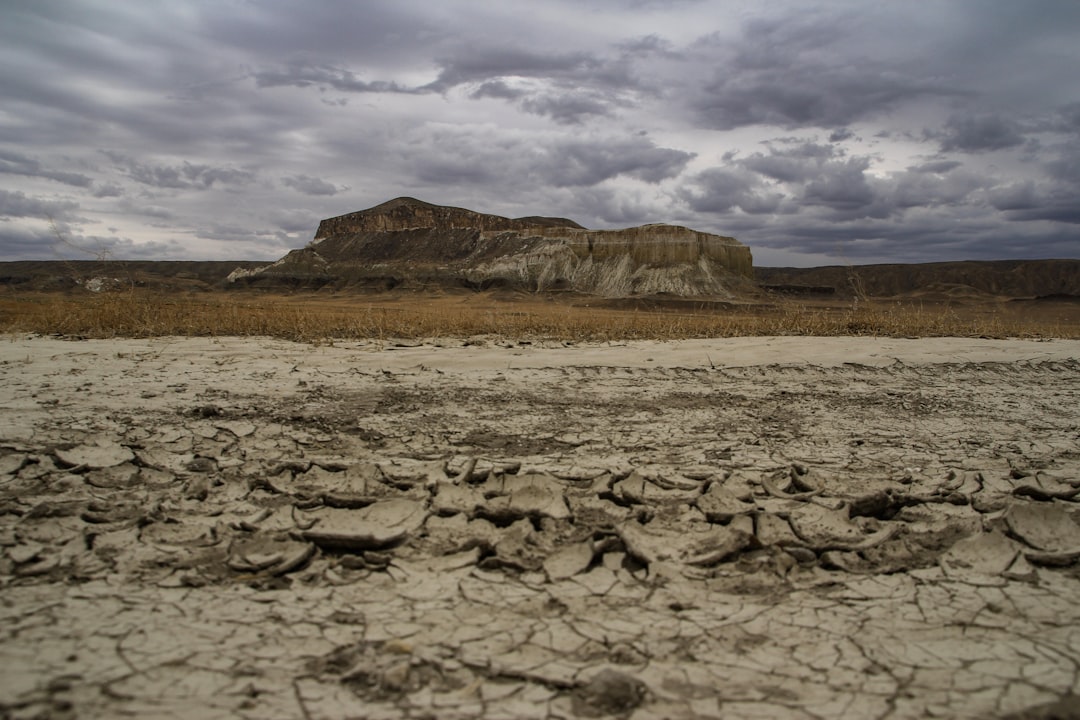
The Southwest’s Water Crisis: Dwindling Resources and Growing Demand
The American Southwest, a region synonymous with arid beauty and resilient living, is currently grappling with a profound and escalating water crisis. Decades of robust population growth, coupled with the undeniable realities of climate change, have stretched the region’s water resources to a breaking point. What was once a seemingly inexhaustible well is now showing the stark evidence of depletion, forcing communities, industries, and ecosystems to confront a future where water scarcity is not a distant threat, but a present and pressing challenge. This article will delve into the multifaceted nature of this crisis, exploring its underlying causes, far-reaching impacts, and the complex strategies being deployed in an attempt to navigate these increasingly dry times.
The foundation of the Southwest’s water supply rests upon a complex and often fragile ecosystem. The region, by its very nature, is characterized by low precipitation and high evaporation rates. This inherent scarcity has always dictated its development and agricultural practices.
The Role of Major River Systems
The lifeblood of the Southwest flows through its mighty river systems, primarily the Colorado River and the Rio Grande. These arteries, sculpted over millennia, have been harnessed and managed for over a century to support the burgeoning populations and agricultural empires of states like Arizona, California, Colorado, Nevada, New Mexico, Utah, and Wyoming.
The Colorado River Basin: A Shrinking Giant
The Colorado River, arguably the most critical water source for the Southwest, is facing unprecedented stress. Its drainage basin, covering parts of seven states and Mexico, has experienced a significant decline in its average flow. Historically, the river was allocated based on generous estimates of its historical flow, a practice that is proving unsustainable in the face of current hydrological realities. The “Law of the River,” a series of interstate compacts, court decisions, and agreements, governs how its water is divided. However, these agreements are now being tested as the pie shrinks. Climate change, manifesting as warmer temperatures and reduced snowpack, directly impacts the amount of water that melts and flows into the river.
The Rio Grande: A Transboundary Arterial Network
The Rio Grande, another vital waterway, also faces challenges. Its flow is shared between the United States and Mexico, adding a layer of international complexity to its management. Agriculture in New Mexico and Texas, along with urban centers like El Paso and Albuquerque, rely heavily on this river. Similar to the Colorado, reduced snowpack in the Sangre de Cristo Mountains, its primary source, and increased evaporation are diminishing its capacity. Extended droughts have led to significant reductions in water availability, impacting irrigation and municipal water supplies.
The Imperative of Snowpack
Snowpack in the mountainous headwaters of these river systems acts as a natural reservoir, releasing water slowly and steadily throughout the spring and summer months. This gradual melt is crucial for both river flows and for replenishing groundwater aquifers. However, rising global temperatures are altering this critical process.
Warming Temperatures and Reduced Snowfall
As temperatures rise, a larger proportion of precipitation falls as rain rather than snow. Even when snow does fall, it melts earlier in the season, leading to a phenomenon known as “snowmelt runoff mismatch.” This means that water reaches the rivers and reservoirs before demand is at its peak, and then the rivers run lower during the crucial summer months when demand is highest. This temporal disconnect between water availability and water need is a significant contributor to the crisis.
The “Dust on Snow” Phenomenon
Another factor impacting snowpack is the “dust on snow” phenomenon. Dust particles deposited on snowpack absorb more solar radiation, causing it to melt faster. Dust storms, often exacerbated by drought and land degradation, contribute to this effect, further accelerating snowmelt and reducing the total water yield.
The ongoing water crisis in the Southwest has been a pressing issue, highlighted in the article “The Southwest’s Water Woes: Causes and Consequences” found on MyGeoQuest. This article delves into the multifaceted reasons behind the region’s dwindling water supply, including prolonged droughts, over-extraction of groundwater, and the impacts of climate change. Understanding these factors is crucial for developing sustainable solutions to ensure water security for future generations. For more insights, you can read the article here: The Southwest’s Water Woes: Causes and Consequences.
The Unfolding Consequences: Impacts on Communities and Ecosystems
The dwindling water resources of the Southwest are not merely an abstract environmental concern; they have tangible and often devastating consequences for the human populations and natural systems that call this region home.
Agricultural Strain: The Thirst of the Fields
Agriculture, a cornerstone of the Southwest’s economy and a significant consumer of its water, is under immense pressure. Farmers are being forced to make difficult choices about crop selection, irrigation methods, and even the viability of their operations.
The High Water Footprint of Certain Crops
Certain crops, particularly those with high water demands like alfalfa and cotton, are being scrutinized. While historically viable, their continued cultivation in an era of scarcity is becoming increasingly unsustainable. This has led to debates about what crops are economically and environmentally justifiable within the region’s new water reality.
Innovations and Adaptations in Irrigation
In response, farmers are increasingly adopting water-saving irrigation techniques such as drip irrigation and precision agriculture. These methods deliver water directly to the plant roots, minimizing evaporation and waste. However, the upfront cost of implementing these technologies can be a barrier for many, particularly smaller operations. The need for government support and incentives to facilitate this transition is a crucial discussion point.
Urban Thirst: Feeding Growing Metropolises
The burgeoning cities of the Southwest, including Phoenix, Las Vegas, Denver, and Albuquerque, are major consumers of water. As these urban centers continue to grow, their demand for potable water, industrial use, and landscaping intensifies the pressure on already strained supplies.
Population Growth as a Water Multiplier
The population of the Southwest has experienced a dramatic surge in recent decades. This demographic expansion acts as a water multiplier, increasing the demand for everything from drinking water and sanitation to the water needed to sustain the urban landscape, including parks and residential lawns. The intricate web of pipelines and infrastructure that delivers water to these cities is a testament to human ingenuity, but it is now straining under the weight of this relentless demand.
The Challenge of Maintaining Green Spaces
Urban areas often feature extensive green spaces, including parks, golf courses, and meticulously manicured residential lawns. While aesthetically pleasing and offering recreational opportunities, these areas are significant water consumers. This has led to a growing trend of xeriscaping, replacing water-intensive lawns with drought-tolerant native plants, and a reevaluation of water use for aesthetic purposes within urban environments.
Ecological Distress: The Silent Suffering of Nature
Beyond human needs, the water crisis poses an existential threat to the Southwest’s unique and fragile ecosystems. Rivers, wetlands, and riparian habitats are all suffering from reduced flows, impacting biodiversity and the health of the natural landscape.
Depleted River Flows and Inland Deltas
The reduced flow of major rivers has profound consequences for wetlands and delta ecosystems. The Salton Sea in California, an accidental inland sea, is facing a worsening environmental crisis as its water levels drop, exposing vast alkaline playa that whips toxic dust into the air. Similarly, the Colorado River Delta, a once-thriving ecosystem, has been dramatically reduced, impacting countless species.
The Impact on Wildlife and Biodiversity
Disappearing water sources directly threaten the survival of the region’s wildlife. Aquatic species are struggling in lower river flows and warmer water temperatures. Terrestrial animals are facing increased competition for scarce water sources, and the vegetation they depend on is withering under the drought. The delicate balance of life in the Southwest is being disrupted, with cascading effects on the entire food web.
The Human Element: Policy, Politics, and Social Equity

Addressing the Southwest’s water crisis is not solely a technical challenge; it is deeply intertwined with policy decisions, political will, and considerations of social equity.
The Complex Governance of Shared Resources
The management of transboundary water resources, like the Colorado and Rio Grande, is inherently complex. Agreements and compacts often date back to a time when water was perceived as more abundant, and these frameworks are now being renegotiated or strained by the realities of scarcity.
Interstate Compacts and the “Law of the River”
The “Law of the River” for the Colorado River is a prime example of this complexity. These legal frameworks are designed to allocate water among the basin states, but they are based on historical flows that are no longer representative of current conditions. Adapting these compacts to reflect actual water availability is a contentious but necessary undertaking.
International Cooperation and Agreements
For the Rio Grande, international cooperation with Mexico is paramount. The sharing of water resources requires ongoing dialogue and adherence to agreements like the 1944 Water Treaty. Political tensions and differing priorities can complicate these efforts, highlighting the need for consistent diplomatic engagement.
The Struggle for Equitable Distribution
As water becomes more scarce, the question of equitable distribution becomes more urgent. Who gets water, and under what conditions? These are sensitive questions that touch upon historical water rights, agricultural needs, and the demands of growing urban populations.
Water Rights and Historical Allocations
The Southwest has a complex system of water rights, often based on historical use and prior appropriation. This can create an inherent tension between those with established rights and those who are newer to the region or have burgeoning needs. Reconciling these differing claims in a time of scarcity is a significant challenge.
The Vulnerability of Marginalized Communities
Water scarcity disproportionately affects marginalized communities, including Native American tribes and low-income populations. These communities often have less political influence and fewer resources to adapt to changing water conditions. Ensuring their access to clean and affordable water must be a central concern in any crisis management strategy.
The Role of Water Conservation and Efficiency
Conservation and efficiency measures are not merely helpful suggestions; they are becoming essential strategies for survival. Every drop saved can help alleviate pressure on the system.
Beyond the Lawn: A Broader Definition of Conservation
Conservation efforts need to extend beyond the symbolic gesture of removing water-thirsty lawns. They encompass industrial water recycling, agricultural efficiency improvements, and urban water management strategies that minimize waste throughout the entire water infrastructure.
Water Markets and Innovation
The concept of water markets, where water rights can be bought and sold, is gaining traction as a potential mechanism for reallocating water to its highest and most efficient uses. However, these markets raise their own set of equity concerns and require careful regulation to prevent the commodification of a vital public resource.
The Path Forward: Adaptation and Innovation in a Dry Landscape
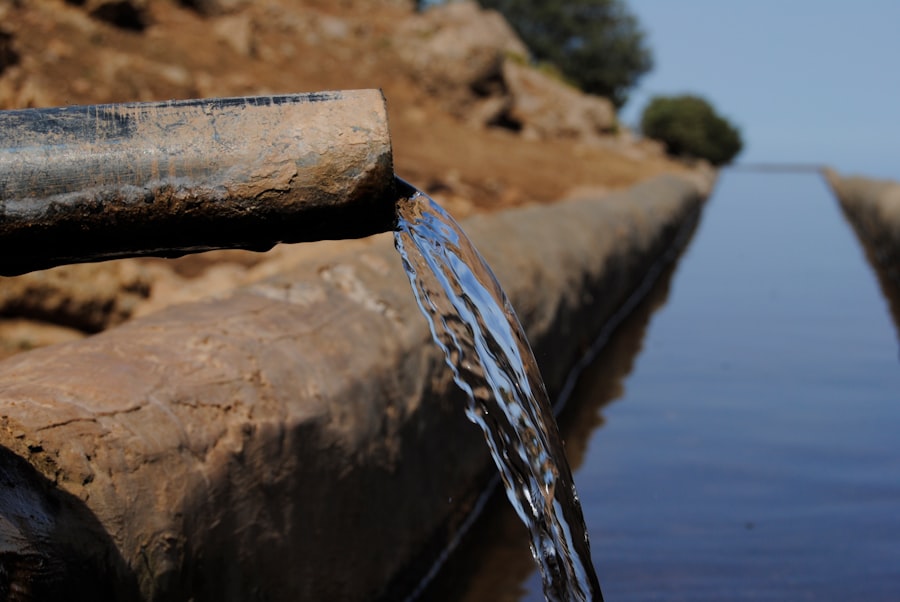
Navigating the Southwest’s water crisis requires a multi-pronged approach that embraces adaptation, innovation, and a willingness to fundamentally rethink our relationship with water.
Technological Solutions: Harnessing New Possibilities
Technological advancements offer promising avenues for increasing water supply and improving its management.
Desalination: A Potential, but Costly, Source
Desalination, the process of removing salt from seawater or brackish water, is a potential source of new water. However, the high energy costs and environmental concerns associated with brine disposal remain significant hurdles to widespread implementation in the landlocked Southwest, though advancements are continuously being made.
Water Recycling and Reuse: Closing the Loop
Water recycling and reuse technologies are becoming increasingly sophisticated and cost-effective. Treating wastewater to a high standard allows it to be reused for agricultural irrigation, industrial processes, and even, in some cases, for replenishing potable water supplies. This “closing the loop” approach is crucial for maximizing the value of every drop.
Advanced Drought Monitoring and Forecasting
Improved drought monitoring and forecasting systems are vital for proactive water management. By understanding drought patterns and predicting future conditions with greater accuracy, water managers can make more informed decisions about water allocation and implement mitigation strategies before crises fully materialize.
Policy Innovations: Rethinking Water Management Frameworks
Existing water management frameworks may need to be re-evaluated and adapted to the realities of a water-scarce future.
Flexible Water Allocation and Adaptive Management
Moving towards more flexible water allocation strategies and embracing adaptive management principles, where policies are adjusted based on real-time conditions and emerging data, is essential. This contrasts with the rigid, long-term allocation plans of the past.
Investing in Water Infrastructure and Resiliency
Significant investment in water infrastructure is needed to improve efficiency, reduce leaks, and enhance water storage capabilities. Building resiliency into these systems will be critical for withstanding future droughts and extreme weather events. This includes not only pipes and reservoirs but also natural infrastructure like healthy watersheds.
Shifting Societal Attitudes: A Culture of Water Consciousness
Ultimately, the long-term solution to the Southwest’s water crisis lies not just in technological fixes or policy adjustments, but in a fundamental shift in societal attitudes towards water.
Embracing a Water-Wise Lifestyle
Fostering a culture of water consciousness, where every resident understands the value of water and actively practices water-saving behaviors in their daily lives, is paramount. This means encouraging responsible water use in homes, businesses, and public spaces.
Long-Term Planning and Intergenerational Responsibility
Effective water management requires long-term planning that looks beyond immediate needs and considers the water security of future generations. This intergenerational responsibility is key to ensuring the sustainable prosperity of the Southwest.
The Southwest’s water crisis is a stark reminder of the delicate balance between human endeavor and the natural world. It is a challenge that demands collaboration, innovation, and a profound respect for the precious and finite nature of water. The choices made today will shape the future of this iconic region for decades to come, determining whether it will continue to thrive as a vibrant hub of life or become irrevocably parched.
FAQs
Why is the Southwest region experiencing water shortages?
The Southwest is facing water shortages due to prolonged drought, increased water demand from population growth, and over-allocation of water resources from rivers and reservoirs.
How does climate change impact water availability in the Southwest?
Climate change leads to higher temperatures and altered precipitation patterns, causing reduced snowpack, earlier snowmelt, and increased evaporation, all of which decrease water availability.
What role does the Colorado River play in the Southwest’s water supply?
The Colorado River is a critical water source for the Southwest, supplying water to millions of people and agricultural lands. However, overuse and drought have significantly lowered its flow and reservoir levels.
What are some consequences of water scarcity in the Southwest?
Water scarcity affects agriculture, urban water supply, ecosystems, and increases the risk of wildfires. It also leads to conflicts over water rights and challenges in sustaining economic growth.
What measures are being taken to address water shortages in the Southwest?
Efforts include water conservation programs, improved water management policies, investment in water recycling and desalination technologies, and interstate agreements to reduce water usage.