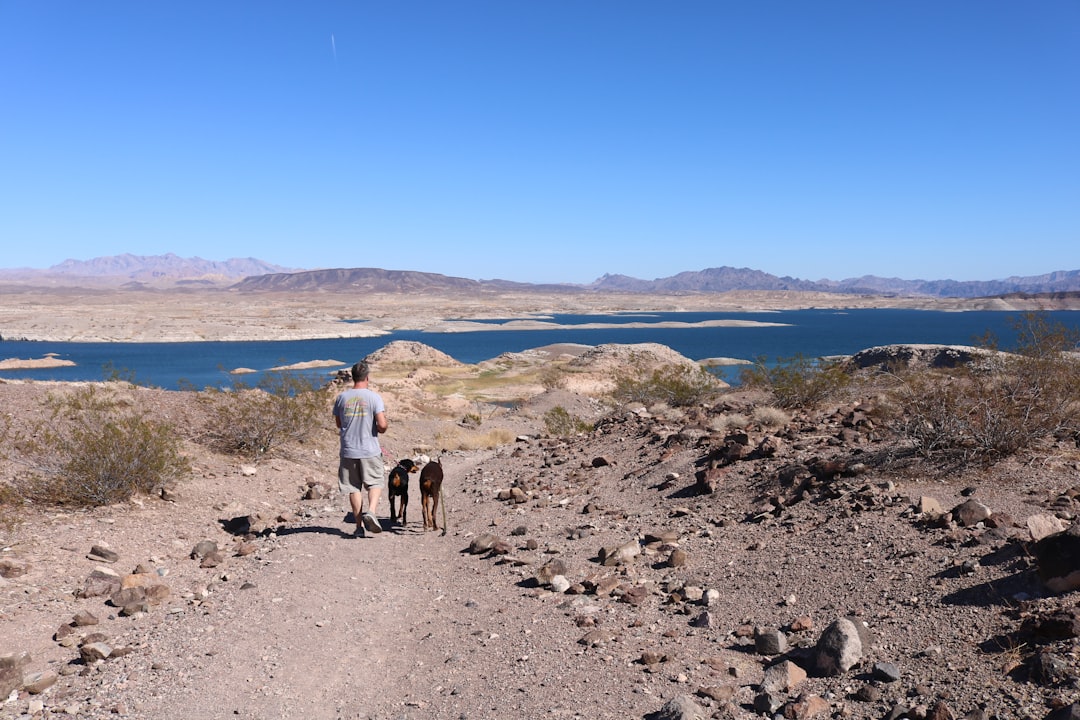
The once-mighty Lake Mead, a colossal reservoir anchoring the southwestern United States’ water supply, is now a stark testament to the persistent grip of drought and the unsustainable demands placed upon its dwindling resources. What was once an awe-inspiring expanse of blue, a symbol of human ingenuity in conquering arid lands, has receded dramatically, leaving behind a haunting landscape of bathtub rings and exposed shorelines. This dramatic contraction is not a sudden, isolated event, but rather the culmination of decades of changing climatic patterns and ever-increasing water consumption, creating a crisis that demands urgent attention and transformative solutions.
The shrinking of Lake Mead is not a phenomenon that materialized overnight. It is the predictable, albeit alarming, outcome of a prolonged period of reduced precipitation and increased temperatures that have steadily depleted the Colorado River system, the lifeblood of the reservoir. This extended drought, often referred to as a “megadrought,” has gripped the region for more than two decades, presenting a formidable challenge to water managers and the millions who depend on this vital resource.
Understanding the “Megadrought” Phenomenon
The term “megadrought” signifies a drought of exceptional duration and severity, far exceeding typical dry spells. Scientists point to a confluence of factors contributing to this extended arid period.
Atmospheric Rivers and Snowpack: The Elusive Precipitation
Central to the health of Lake Mead is the Colorado River’s watershed, which encompasses a vast territory stretching across the Rocky Mountains. Historically, winter storms carrying moisture from the Pacific, often in the form of atmospheric rivers, would deliver substantial snowfall at high elevations. This snowpack would then act as a natural reservoir, gradually melting throughout the spring and summer months, replenishing rivers and, subsequently, Lake Mead. However, in recent decades, the frequency and intensity of these moisture-laden systems have diminished. Furthermore, even when precipitation does occur, warmer temperatures mean more of it falls as rain rather than snow, and what snow does fall melts earlier and faster, reducing its efficacy in sustained water supply.
Rising Temperatures and Evaporative Losses
Beyond the reduction in precipitation, rising global temperatures, a hallmark of climate change, are exacerbating the problem. Higher temperatures lead to increased evaporation from the surface of Lake Mead and other water bodies. This means that even if water levels were to stabilize, a significant portion would be lost to the atmosphere. Moreover, increased heat also impacts the watershed itself, leading to drier soils and increased evapotranspiration from vegetation, further diminishing the amount of water that ultimately reaches the river system.
The alarming shrinkage of Lake Mead has raised concerns about water scarcity and environmental impacts in the region. A related article that delves into the factors contributing to this phenomenon can be found at My Geo Quest. This article explores the interplay of climate change, prolonged drought, and increased water demand, providing valuable insights into the challenges facing this critical water reservoir.
The Insatiable Thirst: Water Demands on the Colorado River System
While the environmental factors of drought have undeniable played a significant role, the shrinking of Lake Mead is also intrinsically linked to the immense and often unsustainable demands placed upon the Colorado River’s waters. For decades, the river has been allocated and utilized by a complex web of agreements and needs that, in retrospect, may have been overly optimistic about the region’s consistent water availability.
A Legacy of Allocation: The Colorado River Compact
The foundation of water management in the Colorado River Basin lies in the Colorado River Compact of 1922. This seminal agreement divided the river’s waters between the Upper Basin states (Colorado, Wyoming, Utah, New Mexico) and the Lower Basin states (Arizona, California, Nevada). Crucially, the compact was based on an estimated average annual flow of 17.5 million acre-feet (maf), a figure derived from a period of unusually wet years. This initial allocation, coupled with subsequent agreements and court decisions, has led to a system where the “beneficial consumptive use” of water is permitted to exceed the actual average flow of the river, especially during periods of high supply.
The Illusion of Abundance: Past Projections and Present Realities
The optimistic projections of the early 20th century, informed by a wetter climatic cycle, have proven to be a significant vulnerability. The water rights and allocations established during this era did not adequately account for the possibility of prolonged drought or the consequences of a changing climate. As a result, the system was built on an assumption of consistent abundance that is no longer tenable.
The Dominant Players: Agriculture, Municipalities, and Industry
The demand for Colorado River water is driven by several key sectors, with agriculture being the largest consumer. Vast tracts of land in the arid West rely on irrigation, diverting significant portions of river flow.
Agricultural Irrigation: The Water-Intensive Giant
Agriculture is the backbone of many economies in the Colorado River Basin. However, many of the irrigation practices employed, particularly in older systems, are notoriously inefficient. Flood irrigation, for instance, leads to substantial water loss through evaporation and deep percolation into the ground, where it is not effectively utilized by crops. While advancements in irrigation technology are being made, the sheer scale of agricultural operations means that this sector remains the dominant force in water consumption.
Municipal and Industrial Needs: Growing Populations, Growing Demands
As populations in cities like Phoenix, Las Vegas, and Los Angeles have boomed, so too have their water demands. These urban centers rely heavily on the Colorado River for drinking water, sanitation, and industrial processes. Municipal water systems are designed to deliver a reliable supply, and as cities expand, so does the need for water to support new residents and businesses. Industrial sectors also require substantial water for cooling processes and manufacturing.
The Unseen Drain: Evaporation and System Losses
Beyond direct consumption, significant quantities of water are lost from the system through evaporation from reservoirs like Lake Mead and Lake Powell, as well as through leaks and seepage in canals and distribution systems. These “system losses” are often overlooked in broader discussions of water use, yet they represent a substantial drain on the overall water supply.
The Visible Impact: Lake Mead’s Dramatic Decline
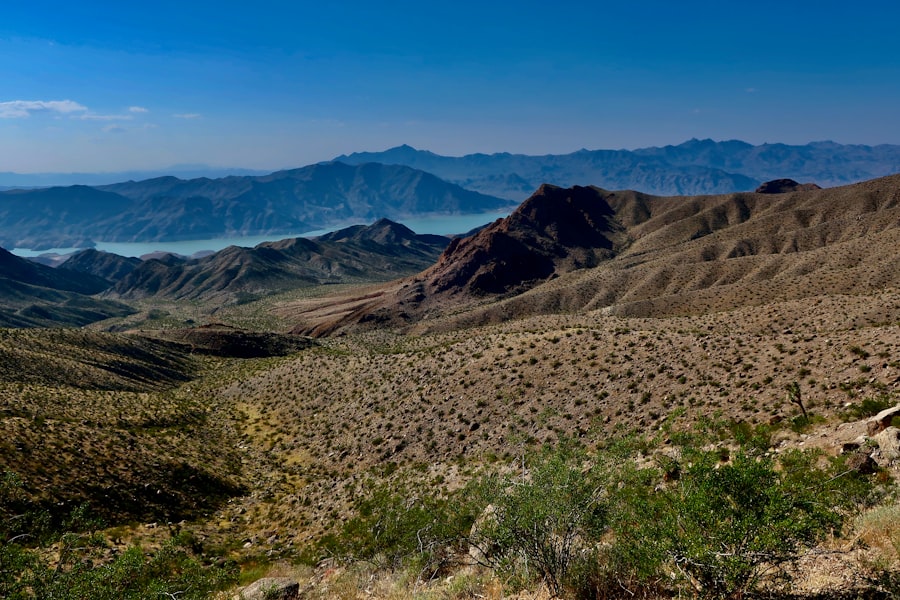
The consequences of drought and over-allocation are starkly visible in the dramatic retreat of Lake Mead’s waters. The reservoir’s water level, once a symbol of abundance, is now a critical indicator of the region’s hydrological health, and its steady decline has sent ripples of concern across the nation.
The “bathtub ring”: A Scar on the Landscape
Perhaps the most visually striking evidence of Lake Mead’s plight is the prominent “bathtub ring” that encircles the reservoir. This stark band of exposed rock and sediment marks the historical high-water levels, a ghostly reminder of the water that is no longer there. The height of this ring has become a chilling visual metric, inching upwards as the lake’s levels recede, each marked line representing millions of acre-feet of lost water.
Measuring the Loss: Acre-Feet and Elevation Declines
The decline of Lake Mead is often quantified in acre-feet, a unit of volume representing the amount of water that would cover one acre of land to a depth of one foot. The reservoir has lost billions of acre-feet of water in recent years. Correspondingly, the elevation of the lake’s surface has plummeted. Historically, Lake Mead has hovered around an elevation of 1,220 feet above sea level. However, prolonged periods of low inflow and high outflow have pushed its water level to unprecedented lows, threatening the operational capacity of critical infrastructure.
The Threat to Infrastructure: Power Generation and Water Delivery
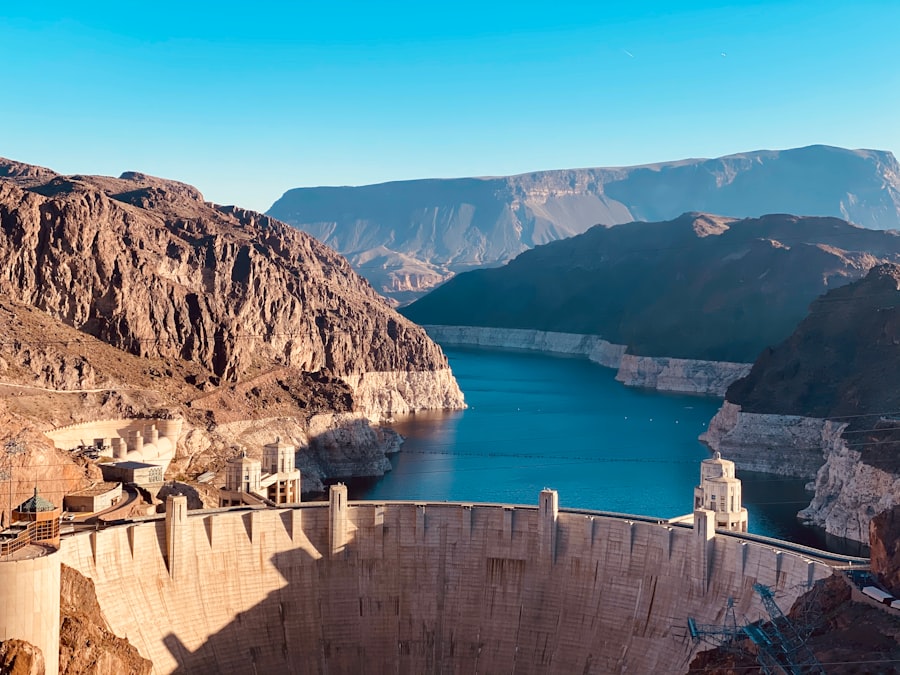
The shrinking of Lake Mead poses a direct threat to essential infrastructure designed to harness its water and power. The Mead’s water level dictates the operational capacity of the Hoover Dam, a hydroelectric powerhouse.
Hoover Dam and Hydroelectric Power: A Diminishing Source
The Hoover Dam is a crucial source of renewable energy for millions of people in Arizona, Nevada, and California. Its turbines are powered by the water released from Lake Mead. As the water level drops, it reaches a point where the force required to spin the turbines is no longer sufficient, leading to a reduction, and eventually a cessation, of hydroelectric power generation. This reduction not only impacts the energy supply but also has significant economic implications for the affected states.
Water Intake Towers: Reaching for the Last Dregs
Lake Mead has multiple water intake towers, designed to draw water for municipal and agricultural use. As the lake level drops, these towers are progressively submerged. Crucially, the lowest intake towers are at risk of becoming exposed, cutting off water supplies to major population centers and agricultural regions. This eventuality has spurred urgent efforts to construct and extend lower intake systems to ensure continued water delivery.
The Cascading Consequences: Beyond Water Levels
The shrinking of Lake Mead is not merely an issue of declining water levels or reduced power generation. Its ramifications extend far beyond the immediate impacts, creating a ripple effect that touches upon the environment, the economy, and the social fabric of the region.
Ecological Disruption: Impact on Aquatic Life and Habitats
The dramatic changes in Lake Mead’s water levels have profound consequences for the aquatic ecosystems it supports. The vast changes in water volume, depth, and salinity stress native fish populations and alter habitat availability.
Native Fish Species: Struggling to Survive
Species like the endangered Humpback Chub, which are adapted to the natural flow patterns of the Colorado River, face immense challenges as the lake’s ecology is reshaped. Reduced water levels can concentrate pollutants, alter water temperatures, and decrease available spawning grounds, making survival increasingly difficult for these sensitive species.
Invasive Species: Taking Advantage of the Shift
Conversely, invasive species that are more tolerant of altered conditions may thrive, outcompeting native inhabitants and further disrupting the ecological balance. The changing environment creates new opportunities for some organisms while spelling disaster for others.
Economic Strain: Agriculture, Tourism, and Related Industries
The economic consequences of Lake Mead’s decline are multifaceted, impacting various sectors that rely on its water or the recreational opportunities it historically provided.
Agricultural Viability: Fallowing Fields and Economic Loss
Water scarcity directly threatens the viability of agriculture in the region. Reduced allocations can force farmers to fallow fields, leading to significant economic losses, job displacement, and a potential shift in land use. This can have a domino effect on related industries, from farm equipment suppliers to food processing plants.
Tourism and Recreation: A Fading Attraction
Lake Mead has long been a popular destination for recreational activities like boating, fishing, and camping. The receding shorelines and the visual blight of the exposed lakebed diminish its appeal as a tourist destination. Businesses that cater to these activities, from marinas to guide services, suffer financially as visitor numbers decline.
Social and Political Tensions: Competition and Conflict
As water resources become scarcer, the potential for social and political tensions between different water users and states increases. The competition for a shrinking pie can lead to disputes and a breakdown in cooperation.
Interstate Disputes: The Colorado River’s Complex Politics
The interstate nature of the Colorado River Basin inherently invites complex political negotiations. States with senior water rights may be reluctant to reduce their allocations, while states facing the most severe shortages may demand greater concessions. These historical water law battles can become more acute during periods of scarcity.
Urban vs. Rural Divides: Competing Priorities
The needs of rapidly growing urban centers can clash with the water requirements of rural agricultural communities. Finding equitable solutions that satisfy these competing demands is a constant challenge, often exacerbated by the psychological and economic importance of water security.
The alarming shrinkage of Lake Mead has raised concerns about water supply and environmental impacts across the southwestern United States. Factors contributing to this decline include prolonged drought conditions and increasing water demand from nearby urban areas. For a deeper understanding of the situation, you can explore a related article that discusses the implications of this crisis and potential solutions. Check it out here to learn more about the challenges facing Lake Mead and the surrounding communities.
Charting a Path Forward: Adaptation, Innovation, and Conservation
| Reasons for Lake Mead Shrinking | Impact |
|---|---|
| Decreased snowpack in the Rocky Mountains | Reduces inflow of water into the lake |
| Increased evaporation due to rising temperatures | Causes water loss from the lake |
| Overallocation of water resources | Leads to reduced water levels in the lake |
| Drought conditions in the region | Further reduces water availability for the lake |
The shrinking of Lake Mead presents an unprecedented challenge, but it also serves as a powerful catalyst for innovation and change. Addressing this crisis requires a multi-pronged approach that emphasizes adaptation, embraces technological advancements, and fosters a culture of widespread conservation.
Adapting to a New Reality: Policy and Management Strategies
Moving forward, water management strategies must acknowledge the realities of a transformed climate and allocate resources accordingly. This involves a re-evaluation of existing water rights and a proactive approach to water conservation.
Reassessing Water Allocations: The Need for Flexibility
The Colorado River Compact, while historically important, may need to be re-examined in light of current hydrological conditions. This does not necessarily mean abandoning the compact, but rather exploring ways to adapt its provisions to a drier future. This could involve more flexible allocation mechanisms that are responsive to changing conditions.
Drought Contingency Plans: Building Resilience
States and water districts have begun to implement drought contingency plans, which outline specific actions to be taken when reservoir levels fall below certain thresholds. These plans are crucial for ensuring a more predictable and measured response to water shortages, preventing a sudden and chaotic shutdown of supplies.
Embracing Innovation: Technology and Infrastructure
Technological advancements offer promising solutions for increasing water efficiency, exploring new water sources, and improving the management of existing supplies.
Water Conservation Technologies: Smarter Use of Existing Resources
From drought-resistant crops in agriculture to low-flow fixtures in homes, a wide array of water conservation technologies can significantly reduce overall demand. Investing in and incentivizing the adoption of these technologies is paramount.
Water Recycling and Desalination: Augmenting Supplies
Advanced water recycling technologies can treat wastewater to potable standards, providing a reliable and drought-proof source of water for municipal and industrial use. Desalination of ocean water, while energy-intensive, is also becoming an increasingly viable option for coastal communities facing severe water stress.
Infrastructure Upgrades: Reducing System Losses
Investing in the repair and modernization of aging water infrastructure, including canals and pipelines, can significantly reduce water losses due to leaks and evaporation, ensuring that more of the available water reaches its intended destination.
The Power of Conservation: A Shared Responsibility
Ultimately, the long-term sustainability of water resources in the Colorado River Basin hinges on a collective commitment to conservation. This is not just the responsibility of water managers or policymakers, but of every individual.
Public Awareness and Education: Fostering a Water-Wise Culture
Raising public awareness about the severity of the water crisis and the importance of conservation is crucial. Educational campaigns can empower individuals and communities to adopt water-saving behaviors in their daily lives, from shorter showers to more conscious landscaping choices.
Incentivizing Water Efficiency: Rewarding Conservation Efforts
Governments and water utilities can play a significant role in incentivizing water efficiency through tiered pricing structures, rebates for water-saving appliances, and programs that reward individuals and businesses for reducing their water consumption.
The shrinking of Lake Mead is a stark warning, a visual manifestation of the delicate balance between human needs and the planet’s finite resources. While the challenges are immense, the ongoing efforts to adapt, innovate, and conserve offer a glimmer of hope. The future of water in the American West will undoubtedly be shaped by the lessons learned from Lake Mead’s dramatic decline, demanding a fundamental shift in how water is valued, managed, and ultimately, used.

Why Las Vegas Shouldn’t Exist
FAQs
1. Why is Lake Mead shrinking?
Lake Mead is shrinking due to a combination of factors, including prolonged drought, increased water demand, and climate change. These factors have led to a decrease in the amount of water flowing into the lake from the Colorado River, which is its primary water source.
2. How has the shrinking of Lake Mead impacted water levels?
The shrinking of Lake Mead has led to a significant decrease in water levels. As of 2021, the lake’s water levels have dropped to historic lows, reaching levels not seen since the 1930s. This has raised concerns about water shortages for the surrounding communities and ecosystems that depend on the lake.
3. What are the implications of Lake Mead’s shrinking for water supply?
The shrinking of Lake Mead has significant implications for water supply in the region. It has led to water shortages for cities, agriculture, and other users that rely on the Colorado River for water. As the lake continues to shrink, it raises concerns about the sustainability of water resources in the area.
4. What measures are being taken to address the shrinking of Lake Mead?
Efforts to address the shrinking of Lake Mead include water conservation measures, increased water efficiency, and agreements among states that rely on the Colorado River to manage water usage. Additionally, there are ongoing discussions about the need for long-term solutions to ensure the sustainability of water resources in the region.
5. How does the shrinking of Lake Mead impact the environment?
The shrinking of Lake Mead has significant impacts on the environment, including the loss of habitat for wildlife, changes in water quality, and disruptions to ecosystems that depend on the lake. These impacts have raised concerns about the long-term health and sustainability of the surrounding natural environment.