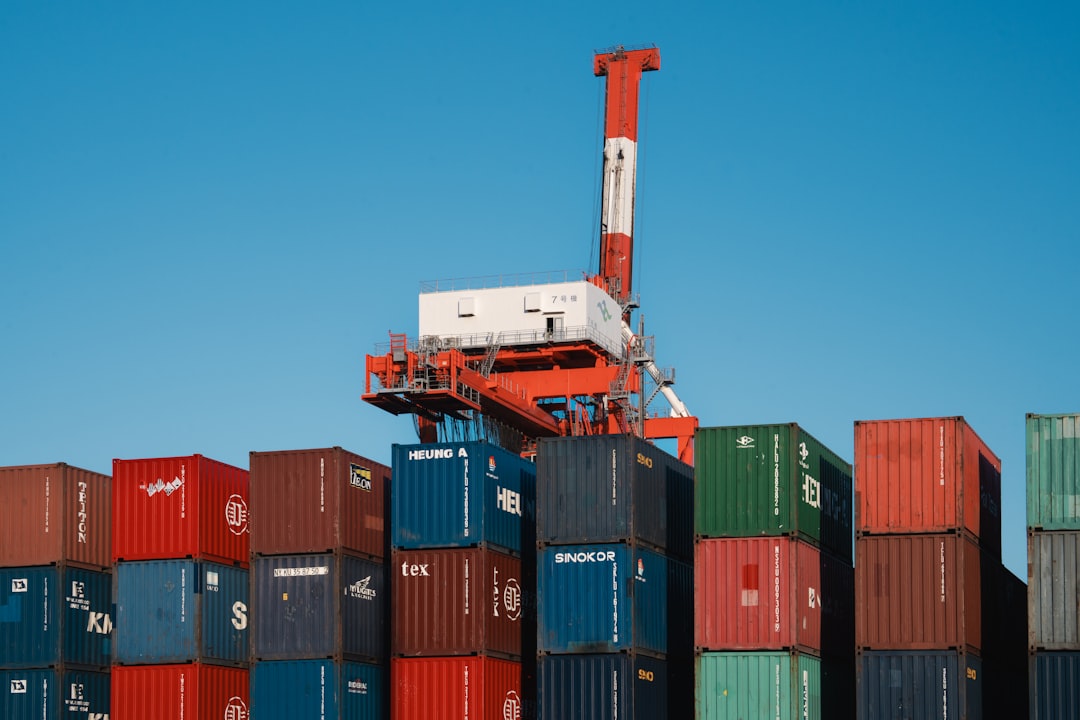
The intricate ballet of global trade, often perceived as a straightforward exchange of goods and services, operates on a foundation far more complex and, at times, remarkably opaque. Beyond the visible ships, planes, and bustling ports lies a hidden network of financial instruments, regulatory frameworks, and geopolitical considerations that orchestrate the flow of billions of dollars across borders daily. This essay will delve into the secret mechanisms that underpin global trade, revealing the underlying forces that shape its direction, ensure its continuity, and influence its ultimate impact.
The sheer scale of international transactions demands sophisticated financial mechanisms to facilitate payment, manage risk, and ensure the timely movement of capital. Without these unseen engines, the seamless exchange of goods would grind to a halt, leaving countless businesses paralyzed.
The Dominance of Currencies and Exchange Rates
At the heart of global trade lies the fundamental need to convert one currency into another. Every international transaction, from a small online purchase to a multi-billion dollar corporate merger, involves an exchange rate. These rates are not static; they fluctuate constantly, influenced by a complex interplay of economic indicators, geopolitical events, and market sentiment.
Understanding Foreign Exchange Markets
The foreign exchange (forex) market is the largest and most liquid financial market in the world. It’s where currencies are traded, and the prevailing exchange rates are determined. Participants range from central banks and large financial institutions to corporations engaged in international trade and individual currency traders. The sheer volume of activity ensures that even minor shifts can have significant ripple effects. The mechanism is essentially an auction, where supply and demand for currencies dictate their value relative to one another. Major economic news, such as interest rate announcements from central banks, inflation data, or trade balance reports, can cause dramatic swings in exchange rates, impacting the cost of imports and the competitiveness of exports for nations worldwide.
The Role of Hedging and Risk Management
For businesses involved in international trade, currency fluctuations represent a significant risk. A favorable exchange rate at the time of a contract can turn unfavorable by the time payment is due, eroding profits or even leading to losses. To mitigate this risk, companies employ various hedging strategies.
Forward Contracts: Securing Future Rates
A forward contract allows a business to lock in an exchange rate for a future transaction. For example, an importer who knows they will need to pay for goods in three months can enter into a forward contract today to buy the required foreign currency at a predetermined rate. This removes the uncertainty of future exchange rate movements, providing financial predictability.
Options Contracts: The Right, Not the Obligation
Options contracts offer a different form of hedging. They give the holder the right, but not the obligation, to buy or sell a currency at a specific price (the strike price) on or before a certain date. This provides flexibility. If the market moves in their favor, they can let the option expire and transact at the better market rate. If the market moves against them, they can exercise the option to protect themselves from losses.
The Influence of Global Financial Institutions
Institutions like the International Monetary Fund (IMF) and the World Bank play a crucial, albeit often indirect, role in stabilizing global financial flows and facilitating trade. The IMF provides financial assistance to countries facing balance of payments difficulties, which can prevent currency crises that would disrupt trade. The World Bank offers loans and grants for development projects, many of which aim to improve trade infrastructure and capacity. Their influence extends to setting standards and providing policy advice, shaping the financial environment in which global trade operates.
For those interested in exploring the intricate and often concealed mechanisms that drive global trade, a fascinating article can be found at MyGeoQuest. This resource delves into the hidden systems and networks that facilitate international commerce, shedding light on the complexities of supply chains, trade agreements, and economic policies that shape our interconnected world.
The Unseen Architect: Regulations, Treaties, and Standards
While finance provides the lifeblood, the rules of engagement – the regulations, treaties, and standards – are the architects of global trade. These frameworks, often negotiated over years and involving complex legal and political considerations, create the predictable environment necessary for businesses to engage across borders.
The World Trade Organization (WTO): The Global Referee
The WTO is the preeminent international organization dealing with the rules of trade between nations. Its core function is to ensure that trade flows as smoothly, predictably, and freely as possible. The WTO agreements, negotiated and signed by the bulk of the world’s trading nations, provide the legal ground rules for international commerce.
Principles of Non-Discrimination: Most-Favoured-Nation (MFN) and National Treatment
Two fundamental principles underpin WTO agreements: Most-Favoured-Nation (MFN) treatment and National Treatment. MFN treatment means that any trade concession granted by one WTO member to another must be extended to all other WTO members. This prevents discriminatory trade practices and promotes a level playing field. National Treatment, on the other hand, dictates that imported goods and services, once they have entered a country’s market, should be treated no less favorably than domestically produced goods and services. This principle combats protectionist measures that might favor local industries.
Dispute Settlement Mechanism: Resolving Trade Conflicts
One of the WTO’s most significant contributions is its dispute settlement mechanism. When a member country believes another member is violating a trade agreement, it can bring the case to the WTO. A panel of experts then examines the dispute and issues rulings. While the process can be lengthy, it provides a structured and rules-based way to resolve trade disagreements, preventing them from escalating into trade wars. This mechanism is crucial for maintaining the predictability and stability of the global trading system.
Bilateral and Regional Trade Agreements: Tailoring the Rules
While the WTO sets a global framework, many countries opt for bilateral (between two countries) and regional (among a group of countries) trade agreements. These agreements often go beyond WTO commitments, reducing tariffs and non-tariff barriers even further, harmonizing regulations, and facilitating investment.
Examples of Major Trade Blocs
The European Union (EU) is a prime example of a highly integrated regional trade bloc, with a single market and a common trade policy. The North American Free Trade Agreement (NAFTA), now superseded by the United States-Mexico-Canada Agreement (USMCA), created a vast free trade area across North America. Other significant regional agreements include ASEAN (Association of Southeast Asian Nations) and Mercosur (Southern Common Market) in South America. These blocs create preferential trading conditions for their members, influencing global trade patterns by redirecting trade flows and creating new opportunities and challenges for non-member countries.
Harmonization of Standards: Reducing Trade Friction
A significant aspect of trade agreements, especially regional ones, is the harmonization of technical regulations and standards. Differences in product safety standards, labeling requirements, or environmental regulations can act as significant non-tariff barriers. By agreeing to common standards, countries reduce the need for multiple certifications and testing, making it easier and cheaper for businesses to export their products.
Intellectual Property Rights: Protecting Innovation
In an increasingly knowledge-based economy, the protection of intellectual property rights (IPRs) is paramount to global trade. Patents, trademarks, and copyrights are vital for industries that rely on innovation, such as pharmaceuticals, technology, and entertainment.
The TRIPS Agreement: A Global Baseline
The WTO’s Agreement on Trade-Related Aspects of Intellectual Property Rights (TRIPS) sets minimum standards for intellectual property protection that all WTO members must adhere to. This agreement aims to ensure that creators and innovators can benefit from their work globally, encouraging further investment in research and development, which in turn fuels trade in innovative products and services.
The Logistics Labyrinth: Moving Goods Across Continents

The physical movement of goods, from raw materials to finished products, is the tangible manifestation of global trade. This process, known as logistics, is an incredibly complex operation involving a vast array of transportation modes, warehousing, and sophisticated tracking systems.
The Backbone of Global Shipping: Containerization
The advent of containerization in the mid-20th century revolutionized global trade. Standardized shipping containers can be easily transferred between ships, trains, and trucks, dramatically reducing handling costs and transit times.
The Ubiquity of Shipping Containers
The sheer volume of goods transported by sea is staggering, and container ships are the workhorses of this system. These vessels carry tens of thousands of containers, each a standardized unit that can be packed with diverse products. The standardization allows for efficient loading and unloading at ports worldwide, minimizing delays and costs.
The Role of Ports and Intermodal Transport
Ports are critical nodes in the global trade network, serving as gateways for goods entering and leaving countries. They are equipped with specialized cranes and infrastructure to handle massive container ships. Intermodal transport, the seamless transfer of goods between different modes of transportation (e.g., from ship to train, or train to truck), is essential for efficient supply chains.
Air Cargo: Speed and Specialization
While sea freight dominates in terms of volume, air cargo plays a crucial role for high-value, time-sensitive, or perishable goods. Airplanes can deliver goods across continents in a matter of days, a speed unmatched by other modes.
The Cost-Benefit Analysis of Air Freight
Air freight is significantly more expensive than sea freight, so its use is typically reserved for products where speed is a critical factor, such as urgent medical supplies, electronics components, or luxury goods. The ability to reach distant markets quickly can be a competitive advantage for certain businesses.
The Importance of Airport Infrastructure and Networks
Efficient air cargo operations rely on robust airport infrastructure, including cargo terminals, specialized handling equipment, and well-connected road and rail networks to transport goods to and from the airport. Global air cargo networks are intricate webs connecting major manufacturing hubs with consumer markets.
Supply Chain Management: The Art of Coordination
Modern global trade relies heavily on sophisticated supply chain management. This involves planning, implementing, and controlling the flow of goods, services, and information from the point of origin to the point of consumption.
Just-in-Time (JIT) and Lean Manufacturing
Concepts like Just-in-Time (JIT) manufacturing, where components arrive precisely when they are needed, and lean manufacturing principles have driven the need for highly synchronized and efficient global supply chains. This minimizes inventory costs but requires impeccable timing and reliability in transportation and logistics.
The Impact of Technology: Tracking and Optimization
Advancements in technology, such as GPS tracking, RFID (Radio-Frequency Identification) tags, and sophisticated inventory management software, have transformed supply chain management. Businesses can now track goods in real-time, optimize routes, predict potential disruptions, and manage inventory more effectively, all of which are vital for the smooth functioning of global trade.
The Geopolitical Undercurrents: Power, Politics, and Trade Routes

The seemingly neutral flow of goods is, in reality, deeply intertwined with the shifting sands of global geopolitics. National interests, security concerns, and the pursuit of economic advantage invariably shape trade policies and the very routes that goods traverse.
The Strategic Importance of Trade Routes
Historically, control over strategic trade routes has been a source of immense power and wealth. Today, this remains true, albeit in a more sophisticated manner. Key maritime chokepoints, such as the Strait of Hormuz, the Suez Canal, and the Panama Canal, are vital arteries for global commerce, and their stability is a matter of international concern.
Maritime Security and the Freedom of Navigation
Ensuring the security of maritime trade routes is a significant undertaking, involving naval patrols, anti-piracy operations, and international cooperation. Disruptions to these routes, whether due to conflict, piracy, or natural disasters, can have immediate and far-reaching consequences for global supply chains and the availability of goods. The principle of freedom of navigation is a cornerstone of international law that underpins the ability of all nations to use these vital waterways.
Infrastructure Development and Geopolitical Influence
Countries often invest heavily in infrastructure projects that facilitate trade, such as ports, railways, and pipelines. These investments can also serve geopolitical purposes, strengthening economic ties, expanding influence, and creating strategic dependencies. For instance, China’s Belt and Road Initiative is a prime example of a massive infrastructure project with significant implications for global trade routes and geopolitical alignments.
Trade Wars and Protectionism: The Dark Side of National Interest
While globalization has brought about unprecedented levels of trade, it has also faced challenges from resurgent protectionist sentiments. Trade wars, characterized by the imposition of tariffs and other trade barriers, can disrupt global supply chains, increase costs for consumers, and hinder economic growth.
The Rationale Behind Tariffs and Quotas
Governments may impose tariffs (taxes on imported goods) or quotas (limits on the quantity of imported goods) for various reasons, including protecting domestic industries from foreign competition, addressing trade imbalances, or as a political tool. However, these measures often lead to retaliatory actions from other countries, creating a cycle of escalating trade tensions.
The Impact on Global Supply Chains
When trade barriers are erected, businesses that rely on global supply chains can face significant disruptions. They may need to find new suppliers, reroute shipments, or absorb increased costs, all of which can impact their profitability and competitiveness. This can lead to a reassessment of global sourcing strategies, with companies potentially diversifying their supply chains or even bringing production closer to home (reshoring or nearshoring).
Economic Sanctions: Trade as a Political Weapon
Economic sanctions, ranging from asset freezes to trade embargoes, are increasingly used as a tool of foreign policy. While intended to pressure target countries into changing their behavior, sanctions can have unintended consequences, disrupting global trade flows and impacting innocent populations.
The Ripple Effects of Sanctions
The imposition of sanctions on one country can have ripple effects throughout the global economy. Businesses that trade with the sanctioned country may be forced to find alternative markets or cease operations. The sanctions can also lead to price volatility in certain commodities or sectors.
The intricate dynamics of global trade often remain obscured from public view, yet understanding these hidden systems is crucial for grasping the economic landscape. A related article that delves into this topic can be found at this link, where it explores the various factors influencing trade relationships and the unseen mechanisms that drive international commerce. By examining these elements, readers can gain a deeper insight into how global markets operate and the implications for economies worldwide.
The Future of Trade: Technology, Sustainability, and Shifting Power Dynamics
| Data/Metric | Description |
|---|---|
| Volume of Trade | The total value of goods and services traded internationally. |
| Trade Deficit/Surplus | The difference between the value of a country’s imports and exports. |
| Top Trading Partners | The countries with which a particular country conducts the most trade. |
| Trade Agreements | Official agreements between countries to facilitate and regulate trade. |
| Transportation Costs | The expenses associated with moving goods across borders, including shipping, insurance, and customs fees. |
The secret mechanisms of global trade are not static; they are constantly evolving, driven by technological innovation, growing concerns about sustainability, and the emergence of new economic powers. Understanding these future trajectories is crucial for navigating the complexities of international commerce in the decades to come.
The Digital Revolution in Trade: Blockchain, AI, and E-commerce
Technology is fundamentally reshaping how goods are traded and how transactions are facilitated.
Blockchain for Supply Chain Transparency and Security
Blockchain technology holds immense potential for enhancing transparency and security in global supply chains. Its distributed ledger system can track the provenance of goods, verify authenticity, and streamline customs processes, reducing fraud and improving efficiency.
Artificial Intelligence (AI) in Trade Analytics and Prediction
AI is being increasingly employed to analyze vast datasets, predict market trends, optimize logistics, and even automate trade negotiations. This can lead to more efficient decision-making and a more responsive global trading system.
The Rise of Cross-Border E-commerce
The exponential growth of e-commerce has created new avenues for international trade, allowing small and medium-sized enterprises (SMEs) to reach global consumers directly. This democratization of trade presents both opportunities and challenges, requiring new approaches to customs, taxation, and logistics.
Sustainability and Ethical Trade: A Growing Imperative
As awareness of environmental and social issues grows, sustainability is becoming an increasingly important factor in global trade. Consumers and businesses alike are demanding greater accountability for the environmental impact and ethical sourcing of goods.
The Demand for Sustainable Sourcing and Production
There is a growing pressure on companies to ensure that their supply chains are environmentally responsible, minimizing carbon emissions, reducing waste, and using resources sustainably. This can lead to new standards and certifications for traded goods.
Ethical Labor Practices and Fair Trade
Concerns about exploitative labor practices and the need for fair compensation for producers in developing countries are driving the growth of the fair trade movement. This emphasizes ethical considerations alongside economic ones in international commerce.
Shifting Global Economic Power: New Players, New Rules
The global economic landscape is continually shifting, with the rise of new economic powers challenging established trade dynamics.
The Growing Influence of Emerging Economies
The increasing economic clout of countries like China, India, and Brazil is reshaping global trade patterns and influencing international trade negotiations. These nations are not only major producers and consumers but are also increasingly investing in their own global trade infrastructure and seeking greater influence within international trade institutions.
The Evolution of Trade Blocs and Multilateralism
The effectiveness of existing trade blocs and the future of multilateral trade frameworks are being debated. New regional agreements are emerging, and the balance between bilateral, regional, and multilateral approaches to trade governance is constantly evolving.
In conclusion, the secret mechanism of global trade is not a single, hidden switch, but rather a multifaceted ecosystem of financial innovation, intricate regulatory frameworks, sophisticated logistics, and ever-present geopolitical forces. While the overt transactions of goods and services are readily observable, the underlying engines of finance, the established rules of engagement, the immense logistical undertakings, and the subtle, yet powerful, influence of global politics are the true orchestrators of this grand, complex, and indispensable global enterprise. As technology advances and the world grapples with new challenges, these secret mechanisms will undoubtedly continue to adapt and transform, shaping the future of how nations connect and exchange with one another.

The Beaches Global Trade Can’t Afford to Lose
FAQs
What is the hidden system behind global trade?
The hidden system behind global trade refers to the complex network of financial transactions, supply chains, and logistical operations that facilitate the exchange of goods and services between countries. This system involves various intermediaries, such as banks, shipping companies, and trade organizations, and operates largely behind the scenes.
How does the hidden system impact global trade?
The hidden system plays a crucial role in enabling the smooth flow of goods and services across borders. It helps to finance trade transactions, manage risk, and ensure the timely delivery of products. Additionally, the system influences trade patterns, pricing, and market dynamics, often shaping the global economy in significant ways.
What are some key components of the hidden system behind global trade?
Key components of the hidden system include trade finance mechanisms, such as letters of credit and trade credit insurance, as well as trade facilitation services, such as customs clearance and transportation logistics. Additionally, financial institutions, trade associations, and regulatory bodies all play important roles in supporting the functioning of the hidden system.
How does the hidden system impact businesses involved in global trade?
For businesses engaged in global trade, the hidden system can have both positive and negative impacts. On one hand, it provides access to financing, risk management tools, and market opportunities. On the other hand, it can also introduce complexities, compliance requirements, and operational challenges that businesses must navigate to succeed in the global marketplace.
What are some potential risks associated with the hidden system behind global trade?
Some potential risks associated with the hidden system include financial fraud, supply chain disruptions, regulatory compliance issues, and geopolitical uncertainties. These risks can impact the stability and efficiency of global trade, leading to economic volatility and trade disputes between nations. As a result, stakeholders must actively manage and mitigate these risks to safeguard the integrity of the global trading system.