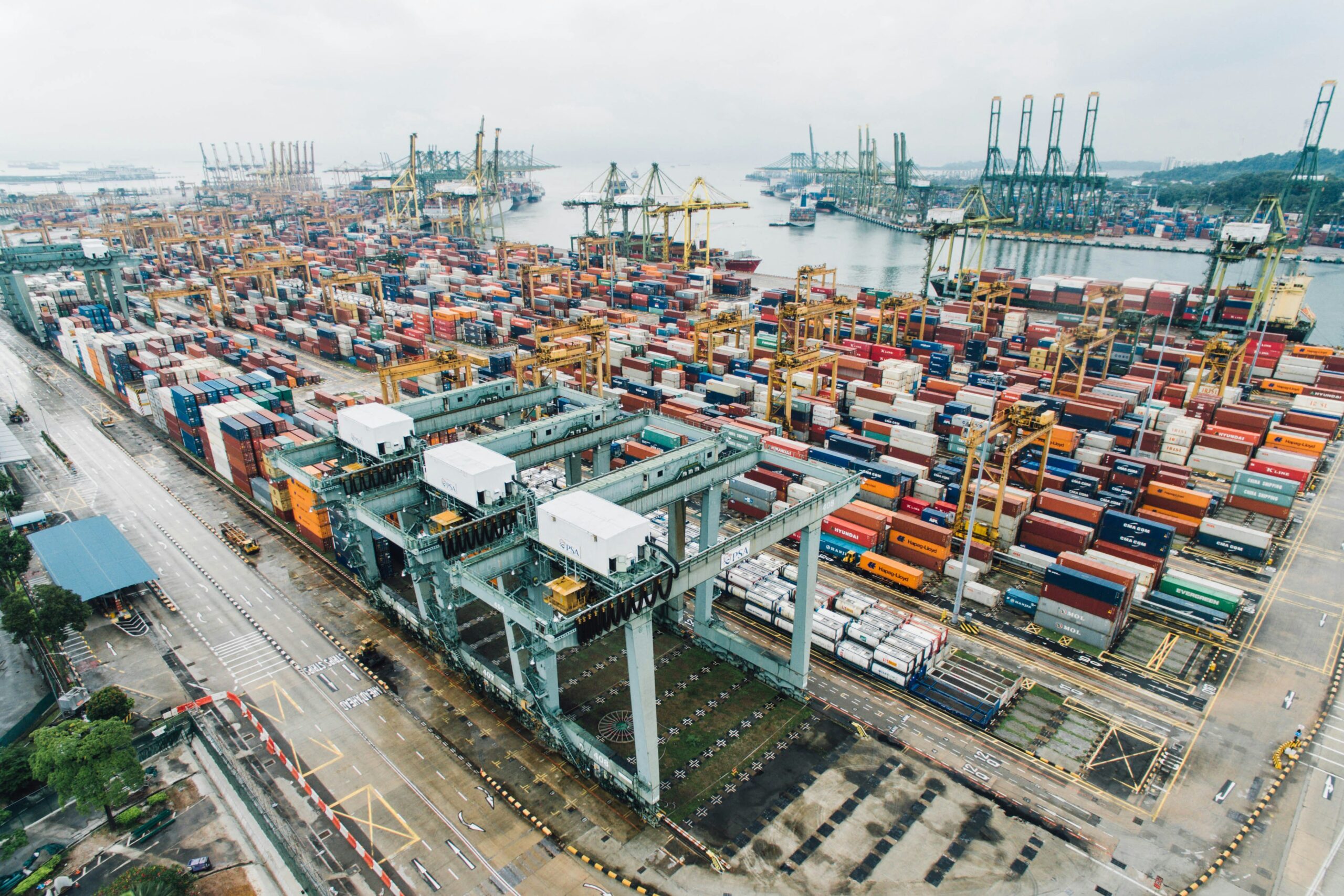
The ceaseless ebb and flow of tides have long shaped coastlines and the ambitions of humanity. For millennia, ports have been the beating heart of coastal cities, their very existence intertwined with the fortunes of the settlements they serve. They are not merely harbors for ships or hubs for cargo; they are dynamic engines of urban growth, catalysts for economic expansion, and shapers of a city’s identity. The role of ports in city development is a multifaceted narrative, encompassing economic prowess, social transformation, environmental considerations, and the very fabric of urban planning. Examining this intricate relationship reveals how these vital maritime gateways have, and continue to, profoundly influence the trajectory of cities worldwide.
Ports have historically served as the primary conduits for international trade, facilitating the movement of goods and raw materials that fuel national and global economies. Their strategic location, coupled with sophisticated infrastructure, allows for the efficient import and export of a vast array of products, from commodities like oil and grain to manufactured goods and high-value electronics. This constant stream of commerce directly translates into significant economic benefits for the surrounding cities.
Driving Employment and Economic Activity
The most immediate impact of a port is its direct contribution to employment. A myriad of jobs are created within the port itself: stevedores loading and unloading cargo, crane operators, dockworkers, customs officials, security personnel, and administrative staff. Beyond the port perimeters, this economic stimulus ripples outwards, generating employment in ancillary industries. Warehousing and logistics companies thrive, providing storage, packaging, and transportation services. Freight forwarders, customs brokers, and shipping agents manage the complex flow of goods. The automotive sector, in particular, relies heavily on ports for the import and export of vehicles, creating jobs in assembly, repair, and distribution.
Furthermore, the presence of a major port attracts manufacturing and processing industries that rely on imported raw materials or the export of finished products. For example, a city with a port capable of handling bulk commodities might see the development of petrochemical plants, food processing facilities, or steel mills. These industries, in turn, create further employment opportunities, not only in direct labor but also in supporting services such as maintenance, engineering, and technical expertise. The multiplier effect of port-related economic activity is substantial, contributing significantly to a city’s Gross Domestic Product (GDP) and overall economic prosperity.
Fostering Global Connectivity and Investment
Ports are intrinsically linked to global trade networks, acting as essential nodes in international supply chains. This global connectivity makes cities with well-developed ports attractive destinations for foreign investment. Companies seeking to establish a presence in a particular region often prioritize locations with access to efficient shipping routes. The ability to import necessary components and export finished goods seamlessly is crucial for competitive advantage. Consequently, ports act as magnets for multinational corporations, leading to the establishment of regional headquarters, manufacturing plants, and research and development centers.
This influx of foreign investment brings not only capital but also advanced technologies, management expertise, and new business practices, further enriching the local economy. The presence of international businesses also fosters a more diverse and dynamic economic landscape, reducing reliance on a single industry and enhancing the city’s resilience to economic fluctuations. The visual indicator of this global connectivity is the constant presence of ships from various nationalities, each carrying goods that represent international collaboration and economic interdependence.
Enhancing Trade Efficiency and Competitiveness
The efficiency and capacity of a port directly impact the cost and speed of trade. Modern ports employ advanced technologies such as automated cranes, sophisticated port management systems, and efficient customs clearance procedures to minimize turnaround times for vessels and expedite the movement of cargo. Investments in deeper channels, larger berths, and expanded container yards allow ports to accommodate larger vessels, increasing cargo throughput and reducing per-unit shipping costs.
This enhanced efficiency translates into a competitive advantage for businesses operating within the city and the surrounding region. Lower shipping costs mean higher profit margins for businesses, allowing them to invest more in innovation, expansion, and job creation. Furthermore, reliable and efficient port operations reduce the risk of supply chain disruptions, providing businesses with greater certainty and predictability in their operations. Cities that prioritize investment in their port infrastructure and technology are, therefore, more likely to attract and retain businesses, bolstering their overall economic competitiveness on the global stage.
Ports have historically played a crucial role in the development of cities, serving as vital hubs for trade, transportation, and cultural exchange. The strategic location of ports often leads to economic growth, attracting businesses and populations seeking opportunities. For a deeper understanding of this phenomenon, you can explore the article titled “Why Ports Create Cities” at this link: Why Ports Create Cities. This article delves into the intricate relationship between maritime trade and urban development, highlighting case studies and historical examples that illustrate how ports have shaped the landscapes and economies of cities around the world.
The Urban Fabric: Ports Sculpting Cityscapes and Lifestyles
The influence of ports extends far beyond the economic realm, deeply shaping the physical and social landscape of cities. Their presence dictates urban planning, influences architectural styles, and has historically attracted diverse populations, imbuing cities with unique cultural identities.
Shaping Urban Form and Spatial Development
Historically, cities often grew organically around their port facilities. The need for proximity to docks and warehouses led to the development of densely populated areas along the waterfront. This often resulted in a distinct urban morphology, with narrow streets, bustling markets, and distinct working-class neighborhoods clustered near the port. As ports expanded and technological advancements allowed for larger ships and more efficient cargo handling, the demands on urban space intensified. This led to further reclamation of land from the sea, the construction of extensive networks of roads and railways to connect the port to inland areas, and the development of specialized industrial zones.
The integration of port operations with urban planning requires careful consideration of zoning, traffic management, and environmental protection. Modern urban planning often involves the challenging task of balancing the operational needs of the port with the desire for public access, green spaces, and residential development. Redevelopment of former port areas, known as waterfront regeneration, has become a common strategy for revitalizing urban areas and creating new civic spaces, often transforming old industrial sites into vibrant mixed-use developments that include housing, retail, and recreational facilities.
Driving Population Growth and Demographic Diversity
Ports have historically been magnets for migration, attracting people seeking economic opportunities. From sailors and dockworkers to merchants and artisans, port cities have always been melting pots of cultures and nationalities. This influx of diverse populations has contributed to the unique social fabric and cultural richness of port cities. Immigrants often brought with them new languages, traditions, cuisines, and artistic expressions, enriching the cultural landscape and fostering a cosmopolitan atmosphere.
This demographic diversity is not without its challenges. Rapid population growth can strain public services, housing, and infrastructure. However, it also fuels innovation and entrepreneurship, as diverse perspectives contribute to new ideas and solutions. The legacy of this multiculturalism can still be seen today in the diverse neighborhoods, vibrant markets, and the unique character of many port cities, where the interaction of different cultures has created a dynamic and resilient social environment.
The Waterfront as a Public Realm and Tourist Attraction
The visual and sensory impact of a port is undeniable. The bustling activity, the iconic silhouettes of cranes against the skyline, and the international character of vessels docked at the quay all contribute to a unique urban experience. As cities mature and waterfront areas are regenerated, ports are increasingly being integrated into the public realm. Once purely industrial zones, many waterfronts are now celebrated for their aesthetic appeal and recreational potential.
This transformation has led to the development of public promenades, parks, maritime museums, and vibrant retail and entertainment districts along the waterfront, transforming formerly utilitarian spaces into attractive destinations for both residents and tourists. Cruise ship terminals, often a direct output of port infrastructure, further amplify this tourism appeal, bringing a steady stream of visitors who contribute to the local economy through spending on accommodation, dining, and attractions. The waterfront becomes a place where the city’s connection to the sea is celebrated, offering breathtaking views and opportunities for leisure and recreation.
Infrastructure and Technology: The Arteries of Maritime Commerce

The efficiency and capacity of a port are directly dictated by its infrastructure and the technologies it employs. Continuous investment in these areas is crucial for a port to remain competitive and for the city it serves to thrive.
The Backbone of Operations: Docks, Warehouses, and Cranes
The fundamental components of any port are its docks, piers, and berths, where vessels tie up for loading and unloading. The depth of these waterways and the capacity of the berths determine the size and number of ships that can be accommodated. Adjacent to the docks, vast warehouses and storage facilities are essential for holding goods before they are transported inland or before they are loaded onto ships. For container ports, the availability of extensive container yards is critical for efficient staging and onward movement of standardized shipping containers.
The iconic cranes, from massive container cranes that straddle vessels to specialized bulk cargo loaders, are the workhorses of the port. Their modern counterparts are increasingly automated and sophisticated, capable of handling immense loads with precision and speed. Investments in upgrading and expanding these facilities are a continuous process, driven by the ever-increasing size of vessels and the growing volume of global trade. The development of efficient intermodal connections, such as rail lines and road networks linking the port to inland distribution hubs, is equally vital for the seamless flow of goods.
Embracing Innovation: Automation and Digitalization
The maritime industry, like many others, is undergoing a digital revolution. Ports are increasingly embracing automation and digitalization to enhance efficiency, safety, and transparency. Automated guided vehicles (AGVs) and robotic systems are replacing manual labor in container handling, reducing operational costs and improving safety. Sophisticated port management systems integrate real-time data on vessel movements, cargo flow, and inventory, providing a holistic view of port operations.
Digitalization extends to customs procedures, with electronic platforms streamlining documentation and reducing delays. The use of the Internet of Things (IoT) allows for real-time monitoring of equipment performance, cargo conditions, and environmental factors. Artificial intelligence (AI) is being employed for predictive maintenance of port machinery, optimizing operational schedules, and even for security surveillance. These technological advancements not only increase throughput and reduce costs but also create new, highly skilled job opportunities in areas such as data analysis, software development, and automation engineering.
The Role of Logistics and Supply Chain Management
In today’s interconnected world, ports are not isolated entities but rather integral components of complex global supply chains. Efficient logistics and sophisticated supply chain management are paramount for maximizing the benefits of port operations. This involves the seamless coordination of activities from the point of origin of goods to their final destination, encompassing shipping, warehousing, distribution, and last-mile delivery.
Port authorities and private terminal operators work closely with logistics providers, freight forwarders, and manufacturers to optimize these processes. This includes developing integrated logistics hubs that offer a range of services within close proximity to the port, reducing transportation distances and lead times. Furthermore, innovations in supply chain visibility, enabled by digital technologies, allow stakeholders to track goods in real-time, anticipate potential disruptions, and make informed decisions, ultimately contributing to a more resilient and efficient global trade network.
Environmental Considerations: Balancing Progress with Sustainability

The environmental impact of port operations is a critical concern that requires careful management and proactive strategies. As ports grow and modernize, the challenge lies in balancing economic development with the preservation of the marine environment and the well-being of surrounding communities.
Mitigating Environmental Footprint: Pollution and Emissions
Port activities, including ship emissions, cargo handling, and land-based transportation, can contribute to air and water pollution. Ships release greenhouse gases and other pollutants into the atmosphere, while cargo handling operations can generate dust and particulate matter. Drainage from port areas can also carry pollutants into the marine environment. Addressing these issues requires a multi-pronged approach.
Port authorities and terminal operators are increasingly investing in cleaner technologies, such as shore power for vessels to reduce emissions while docked, and the use of electric or hybrid vehicles for on-port logistics. Stricter regulations and monitoring systems are being implemented to control emissions and discharges. Furthermore, the development of green port initiatives, which focus on reducing waste, promoting recycling, and conserving water and energy, are becoming increasingly common. The adoption of sustainable fuels for port equipment and vessels is also a growing area of focus.
Protecting Marine Ecosystems and Biodiversity
Ports are often situated in ecologically sensitive coastal areas, and their operations can have significant impacts on marine ecosystems and biodiversity. Dredging of navigation channels, construction of new infrastructure, and increased shipping traffic can disrupt marine habitats, affect marine life, and contribute to noise pollution.
To mitigate these impacts, ports are increasingly implementing environmental management plans that include measures such as habitat restoration, the creation of artificial reefs, and the establishment of protected marine areas. Efforts are made to minimize dredging activities and to undertake them during periods that have the least impact on marine life. Strict regulations are in place to prevent oil spills and other accidental discharges, with robust emergency response plans in place. Furthermore, ports are working to reduce underwater noise generated by vessels, which can be harmful to marine mammals.
Embracing Green Port Initiatives and Sustainable Development
The concept of the “green port” is gaining traction, advocating for port operations that align with principles of environmental sustainability. This involves a holistic approach that encompasses reducing carbon footprints, conserving resources, and promoting ecological health. Green port initiatives often include measures to enhance energy efficiency, promote the use of renewable energy sources (such as solar or wind power for port facilities), and implement comprehensive waste management systems that prioritize recycling and reuse.
Furthermore, many cities are actively working to integrate their port development with broader urban sustainability goals. This can involve creating green corridors along the waterfront, promoting eco-tourism, and investing in sustainable transportation options for port workers and visitors. The long-term vision is to create ports that are not only economically vital but also environmentally responsible, contributing to the overall resilience and well-being of the city and its surrounding environment.
Ports have historically played a crucial role in the development of cities, serving as vital hubs for trade and commerce that foster economic growth and cultural exchange. The strategic location of ports allows for the easy movement of goods and people, which in turn attracts businesses and populations to the surrounding areas. This phenomenon is explored in greater detail in a related article that discusses the intricate relationship between maritime trade and urban development. For more insights on this topic, you can read the article at My Geo Quest. As cities expand around these bustling ports, they often become melting pots of diverse cultures and innovations, shaping the identity of the urban landscape.
The Future of Ports in Urban Development: Evolution and Integration
| Reasons why ports create cities |
|---|
| Trade and commerce opportunities |
| Job creation and economic growth |
| Transportation and connectivity |
| Development of infrastructure |
| Cultural exchange and diversity |
The role of ports in city development is not static; it is a continuously evolving narrative shaped by technological advancements, global economic shifts, and changing societal priorities. The future will likely see even greater integration between ports and their urban hinterlands, driven by innovation and a commitment to sustainability.
The Rise of Smart Ports and Digital Ecosystems
The concept of the “smart port” is rapidly becoming a reality. Leveraging the power of advanced technologies like AI, IoT, and big data analytics, smart ports aim to optimize every aspect of port operations. This includes intelligent traffic management for both sea and land vessels, predictive maintenance of infrastructure and equipment, enhanced security through sophisticated surveillance systems, and seamless digital interfaces for all stakeholders.
The development of digital ecosystems will further connect ports to their global networks, facilitating end-to-end supply chain visibility and enabling more efficient collaboration between various entities involved in trade. This will transform ports from mere physical infrastructure nodes into intelligent, interconnected hubs that are crucial for the efficient functioning of the global economy. The challenges lie in ensuring cybersecurity and fostering the necessary digital literacy among the workforce.
Waterfront Regeneration and Shared Urban Spaces
The trend of waterfront regeneration will undoubtedly continue, as cities recognize the immense potential of their port areas. This will involve the transformation of former industrial sites into vibrant mixed-use districts, seamlessly blending port operations with residential, commercial, and recreational spaces. The challenge will be to maintain a functional port while creating attractive and accessible urban environments, often requiring innovative urban planning and engineering solutions.
The aim is to create a harmonious coexistence where the economic engine of the port is integrated with the quality of life for urban dwellers. This might involve the development of dedicated public access points to port operations, educational initiatives that highlight the importance of maritime trade, and the creation of shared spaces that foster a sense of community and connection to the waterfront.
Ports as Drivers of Innovation and Resilience
In an increasingly interconnected and complex world, ports will play an even more critical role in fostering innovation and building urban resilience. Their strategic location and global connectivity make them ideal testbeds for new technologies and solutions, particularly in areas like sustainable energy, advanced materials, and logistical optimization.
Furthermore, as cities face increasing challenges from climate change and global economic volatility, well-functioning and resilient ports are essential for ensuring the continuity of trade and the supply of essential goods. Investing in port infrastructure that is resilient to extreme weather events, and developing robust contingency plans for disruptions, will be paramount. The future of ports is not just about the movement of goods; it is about their role as integral components of smart, sustainable, and resilient urban futures. Their enduring significance lies in their ability to adapt, innovate, and continue to serve as the vital arteries connecting cities to the global world.

Why Japan Can’t Build Another Tokyo
FAQs
1. What role do ports play in the creation of cities?
Ports have historically been crucial in the development of cities, serving as hubs for trade, transportation, and economic activity. Ports facilitate the movement of goods, people, and ideas, leading to the growth and prosperity of surrounding areas.
2. How do ports contribute to the economy of cities?
Ports contribute to the economy of cities by providing employment opportunities, stimulating trade and commerce, and attracting investment. They serve as gateways for imports and exports, supporting various industries and businesses within the city.
3. What impact do ports have on the infrastructure of cities?
Ports often drive the development of infrastructure in cities, including roads, railways, and warehouses, to support the efficient movement of goods. Additionally, ports may influence the construction of residential and commercial properties in the surrounding areas.
4. How do ports influence the culture and diversity of cities?
Ports have historically been melting pots of cultures, as they bring together people from different regions and backgrounds. This diversity often enriches the cultural fabric of cities, influencing food, music, art, and traditions.
5. What are some examples of cities that have been shaped by their ports?
Cities such as New York, London, Singapore, and Shanghai have been significantly shaped by their ports. These cities have grown and prospered due to their strategic location as major port cities, playing pivotal roles in global trade and commerce.