
The dawn of the 20th century marked a profound turning point in human history, and at the heart of this transformation lay the burgeoning might of the railway. While steam engines had been chugging along for decades prior, the early 1900s witnessed an unprecedented acceleration in railway expansion, technological innovation, and societal integration. This period was not merely about the construction of more tracks; it was about a fundamental reshaping of how people and goods moved, fostering economic growth, altering urban landscapes, and shrinking the perceived distances of the world. The railway, in its early 20th-century iteration, was more than just a mode of transport; it was an engine of progress, a symbol of modernity, and a catalyst for change on a global scale.
The Iron Horse’s Global March
The initial decades of the 20th century saw the railway solidify its position as the undisputed king of land transportation. Its reach, once confined to relatively localized networks, began to extend across continents, knitting together disparate regions and fostering a sense of interconnectedness previously unimaginable. This was a period of ambitious engineering feats, driven by both nationalistic ambition and the relentless pursuit of commercial opportunity.
Transcontinental Networks Take Shape
The late 19th century had laid the groundwork, but the early 20th century was when transcontinental railways truly came into their own. In North America, the completion of Canada’s first transcontinental railway, the Canadian Pacific Railway, in 1885, was a harbinger of the era. By the early 1900s, further expansion and improvements solidified these routes, making it possible to traverse vast distances from ocean to ocean with relative speed and comfort. The American railway system, already extensive, continued to grow, with new lines branching out to previously inaccessible territories, opening up resource-rich areas and facilitating westward expansion. These grand arteries of steel were not just about connecting cities; they were about national unification, enabling the movement of troops, administrators, and essential supplies, thereby consolidating national power and influence.
Imperial Ambitions and Colonial Links
Beyond the established powers, imperial nations recognized the strategic and economic value of railways in their colonial possessions. The construction of railways in India, for instance, was significantly accelerated in the early 20th century. These lines were not only vital for troop deployment and maintaining order but also for transporting raw materials from the interior to ports for export and for distributing manufactured goods from Britain. Similarly, in Africa, colonial powers like Britain, France, and Belgium invested heavily in railway projects. The Cape to Cairo Railway, though never fully completed as originally envisioned, symbolized this ambitious drive to connect vast colonial territories, facilitating resource extraction and asserting imperial control. These railways were instruments of empire, weaving an intricate web of control and commerce that extended the reach of distant powers.
The Dawn of Electrification and Efficiency
While steam remained dominant for much of this period, the early 20th century also witnessed the pioneering stages of railway electrification. Cities, with their dense populations and need for rapid transit, were the first to embrace electric trams and early subway systems. In 1900, London’s Underground was already a well-established network, and other major cities began to follow suit. Electric locomotives offered significant advantages: they were cleaner, quieter, and more efficient than their steam counterparts, particularly in tunnels and densely populated areas. This technological shift, though in its nascent stages for long-distance travel, signaled a future where speed, efficiency, and environmental considerations would become increasingly important factors in railway development. This era was characterized by a dual focus: expanding the reach of the existing steam-powered network while simultaneously exploring and implementing nascent electric technologies.
The early 20th century was a transformative period for railway systems around the world, marked by rapid expansion and technological advancements. For a deeper understanding of this era and its impact on transportation and society, you can explore a related article that delves into the innovations and challenges faced by railways during this time. To read more, visit this article.
Engineering Marvels and Technological Leaps

The sheer scale of railway construction in the early 20th century demanded groundbreaking engineering solutions. Overcoming geographical obstacles, improving safety, and increasing the capacity and speed of trains were paramount concerns, driving innovation and pushing the boundaries of what was technically feasible.
Bridging the Gaps: Tunnels and Viaducts
The construction of railways often involved confronting formidable natural barriers. The early 20th century saw the completion of some of the most audacious engineering projects to overcome these challenges. Mountainous terrain required the excavation of vast tunnels, like the Simplon Tunnel between Switzerland and Italy, completed in 1906, which was then the longest railway tunnel in the world. These projects involved immense human labor and ingenuity, utilizing new drilling techniques and explosives to bore through solid rock. Equally impressive were the soaring viaducts and bridges that spanned river valleys and ravines, such as the Forth Bridge in Scotland, completed in 1890 but whose impact and engineering principles continued to influence construction in the early 20th century. These structures were not merely functional; they were often grand statements of human mastery over nature, testaments to the era’s industrial prowess.
Safety Innovations and Signaling Systems
As the railway network grew, so did the imperative for enhanced safety. The inherent risks of steam engines – boiler explosions, track failures, and collisions – necessitated continuous improvement in safety protocols and technology. The early 1900s saw the refinement and wider adoption of block signaling systems. These systems, which divided the track into segments and controlled train movements, greatly reduced the risk of head-on collisions. The development of interlocking signal boxes, where levers controlling points and signals were interlocked to prevent conflicting movements, was a crucial advancement. Furthermore, improvements in track construction, including better ballast and stronger rail materials, contributed to greater stability and reduced derailments. The adoption of air brakes, becoming more standardized during this period, provided train drivers with more effective stopping power, a critical safety feature for increasingly heavy and fast trains.
Advancements in Locomotive Power and Design
The evolution of the steam locomotive continued apace. While the basic principles remained, engineers constantly sought to improve efficiency, power, and speed. The development of larger fireboxes, improved boiler designs, and more efficient valve gear led to locomotives that could haul heavier loads and achieve higher speeds. Articulated locomotives, such as the Mallet type, were developed to navigate sharp curves and steep gradients with heavier trains, proving invaluable on challenging routes. The transition from simple expansion engines to more powerful compound engines, which used steam more efficiently by expanding it in multiple cylinders, also contributed to increased performance. Even in this steam-dominated era, early experiments with internal combustion engines and electric traction were beginning to lay the groundwork for future railway technologies, signaling a long-term shift towards cleaner and more efficient power sources.
The Railway as an Economic Engine
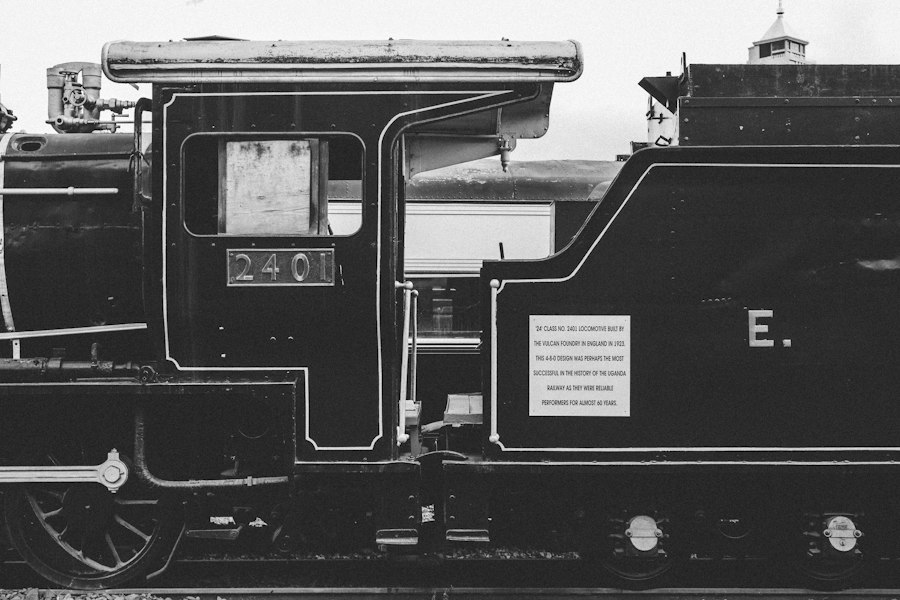
The impact of the early 20th-century railway on economic development was nothing short of revolutionary. It facilitated the movement of goods and people on an unprecedented scale, transforming industries, fostering urbanization, and creating new economic opportunities.
Industrialization and Resource Mobilization
Railways were instrumental in fueling the industrial revolution’s continued growth and expansion. They provided an efficient and cost-effective means to transport raw materials – coal, iron ore, timber – from mines and forests to factories. Conversely, they enabled the rapid distribution of finished goods from manufacturing centers to markets across vast distances. This interconnectedness spurred industrial specialization and efficiency. Factories could be located further from their raw material sources if a railway line provided reliable transport. The ability to move large quantities of goods quickly also lowered prices, making manufactured items accessible to a wider population and thus increasing demand, further stimulating industrial output. New industries, such as steel production for rails and locomotives, and coal mining to fuel them, experienced immense growth directly attributable to the railway’s demands.
Facilitating Trade and Market Expansion
The railway effectively broke down geographical barriers to trade. Local markets that were once limited by the cost and time of wagon transport could now connect with national and even international markets. Farmers could transport their produce to distant cities, manufacturers could reach customers far beyond their immediate vicinity, and raw materials from remote regions could be brought to global supply chains. This expansion of markets led to increased competition, but also to greater economies of scale and lower prices for consumers. The growth of international trade was profoundly influenced by railways, particularly in conjunction with newly developed shipping technologies, allowing for the seamless transfer of goods from rail to ship and vice versa, creating integrated global logistics networks.
Urbanization and the Growth of New Centers
The railway was a primary driver of urbanization in the early 20th century. Cities that were strategically located along major rail lines experienced rapid growth. Railway stations often became the focal points of new urban development, attracting businesses, housing, and services. The ease of travel afforded by trains allowed people to move from rural areas to cities in search of employment, contributing to a significant demographic shift. Furthermore, the railway enabled the development of suburbs, as people could commute to work in the city while living in more affordable or desirable outlying areas. This created new patterns of settlement and reshaped the physical and social fabric of urban landscapes. Entire towns and cities sprang up around key railway junctions, developing their economies and identities based on their connection to the iron arteries.
Societal Shifts and Cultural Impacts
Beyond its economic ramifications, the railway profoundly altered the social and cultural landscape of the early 20th century. It changed how people perceived distance, fostered new forms of leisure, and played a crucial role in the dissemination of ideas and culture.
Shrinking the World and Fostering Mobility
The speed and relative affordability of railway travel drastically reduced the perceived distances between places. Journeys that once took weeks by horse-drawn carriage could now be completed in days or even hours. This increased mobility had a profound impact on individuals and families. People could more easily visit relatives living far away, pursue educational opportunities in distant cities, or seek employment in new regions. This fostered a greater sense of national identity as people from different parts of a country could interact more frequently. The ability to travel for leisure also became more widespread, with the development of organized excursions and package tours, allowing a broader segment of society to experience different parts of their nation.
The Rise of Tourism and Leisure Travel
The railway democratized travel and was a significant catalyst for the rise of modern tourism. Previously, travel was largely the preserve of the wealthy. However, with more affordable fares and scheduled services, middle-class families could now embark on holidays. Coastal resorts, country estates, and historically significant cities became popular destinations, connected by efficient rail links. The “Grand Tour” for the elite evolved into more accessible forms of leisure travel for the masses. Railway companies themselves often promoted tourism, developing guidebooks and advertising scenic routes, further fueling the appetite for exploration and recreation. This period saw the beginnings of mass tourism, fundamentally changing leisure habits and the perception of travel as a desirable activity.
Cultural Exchange and the Dissemination of Ideas
The constant movement of people facilitated by the railway also led to an unprecedented exchange of ideas and cultural practices. Travelers brought back news, fashions, and perspectives from their journeys, influencing local customs and broadening horizons. Newspapers and magazines, printed in major cities, could be distributed far more rapidly, ensuring that information and cultural trends spread quickly throughout a nation. This accelerated the process of cultural homogenization in some ways, while also allowing for the cross-pollination of regional traditions. The railway played a silent but significant role in shaping national narratives and fostering a shared cultural consciousness by connecting communities and facilitating the flow of information and influences.
The early 20th century was a transformative period for railway systems, marked by significant advancements in technology and infrastructure that reshaped transportation. One fascinating aspect of this era is how the introduction of electric trains revolutionized urban commuting, making travel faster and more efficient. For a deeper exploration of this topic, you can read a related article that discusses the impact of these innovations on society and the economy. To learn more, visit this article.
The Railway’s Enduring Legacy
| Year | Country | Total Railway Length (km) | Number of Passengers (millions) | Freight Transported (million tons) | Average Train Speed (km/h) |
|---|---|---|---|---|---|
| 1900 | United States | 320,000 | 500 | 1,200 | 50 |
| 1900 | United Kingdom | 32,000 | 300 | 400 | 45 |
| 1900 | Germany | 40,000 | 250 | 600 | 55 |
| 1910 | United States | 350,000 | 600 | 1,400 | 55 |
| 1910 | United Kingdom | 33,000 | 320 | 420 | 48 |
| 1910 | Germany | 45,000 | 280 | 650 | 58 |
| 1920 | United States | 360,000 | 650 | 1,500 | 60 |
| 1920 | United Kingdom | 34,000 | 350 | 450 | 50 |
| 1920 | Germany | 48,000 | 300 | 700 | 60 |
As the first few decades of the 20th century gave way to subsequent eras, the railway’s dominance began to be challenged by new modes of transport, most notably the automobile and the airplane. However, the foundational impact of the early 20th-century railway cannot be overstated. It was a period of intense innovation, rapid expansion, and profound societal transformation that laid the groundwork for much of the modern world.
A Foundation for Future Transportation
The infrastructure built during this period, the engineering expertise developed, and the logistical networks established by the early 20th-century railway system provided a crucial foundation for future transportation advancements. The principles of track laying, signaling, and train management, honed during these decades, were adapted and refined for new technologies. Furthermore, the very concept of mass transit, pioneered by railways, influenced the development of public bus systems, subways, and even air travel scheduling. The economic models and the understanding of logistics that emerged from railway operations continued to inform transportation industries for generations.
A Catalyst for Globalization and Interconnectedness
The early 20th-century railway was a powerful force in the nascent stages of globalization. By connecting continents and facilitating the movement of goods and people across vast distances, it fostered a degree of international interdependence that was unprecedented. This interconnectedness laid the groundwork for the globalized economy we know today. The ability to transport resources and manufactured goods efficiently enabled the rise of multinational corporations and established complex international supply chains. While the automobile and air travel would further accelerate globalization, the railway had already demonstrated the profound benefits and transformative potential of a truly interconnected world.
The Enduring Symbol of Progress and Innovation
The railway, in its early 20th-century heyday, became a potent symbol of progress, industrial might, and human ingenuity. Its imposing locomotives, the vast networks of steel tracks, and the bustling stations evoked a sense of wonder and optimism about the future. It represented humanity’s ability to conquer distances, to harness powerful forces, and to build a more connected and prosperous world. Even as newer technologies have emerged, the legacy of the early 20th-century railway endures, a testament to a pivotal era where the iron horse truly transformed transportation history and shaped the trajectory of modern civilization. Its influence continues to resonate in the infrastructure, economies, and societal structures that define our world today.
The Railroad That Bet on the Panama Canal—and Lost
FAQs
What were some common modes of transportation in the early 20th century?
In the early 20th century, common modes of transportation included railways, steamships, horse-drawn carriages, and early automobiles.
How did the development of railways impact society in the early 20th century?
The development of railways in the early 20th century revolutionized transportation, allowing for faster travel, easier movement of goods, and the growth of industries and urban centers along railway lines.
What were some key technological advancements in railway systems during the early 20th century?
Key technological advancements in railway systems during the early 20th century included the widespread adoption of electric and diesel locomotives, the introduction of automatic signaling systems, and the development of more efficient steam engines.
How did railways contribute to the economic growth of countries in the early 20th century?
Railways played a crucial role in the economic growth of countries in the early 20th century by facilitating the transportation of raw materials, finished goods, and people, connecting remote areas to urban centers, and stimulating trade and industrial development.
What were some challenges faced by railway companies in the early 20th century?
Some challenges faced by railway companies in the early 20th century included competition from other modes of transportation such as automobiles and airplanes, labor disputes, maintenance of aging infrastructure, and adapting to changing regulations and safety standards.