
European history is a tapestry woven with threads of ambition, conquest, innovation, and ultimately, decline. For centuries, the continent stood as the epicenter of global power, its influence radiating outwards to reshape continents and cultures. The narrative of this ascendancy and subsequent contraction is a compelling and crucial one, and while no single documentary bears the precise title “The Rise and Fall of European Empires: A Historical Documentary” with recent, exclusive news, the spirit of such a comprehensive exploration is alive and well in various contemporary and upcoming productions. These endeavors, drawing upon vast historical scholarship and employing modern filmmaking techniques, offer audiences a profound understanding of the forces that propelled these colossal entities to their zenith and the inherent seeds of their eventual dissolution. This article will delve into the overarching themes and historical trajectories that such a documentary would undoubtedly explore, drawing parallels and insights from prominent examples and historical periods.
The genesis of European imperial power was not a sudden eruption but a gradual crystallization forged from a complex interplay of geographical advantages, cultural advancements, and persistent geopolitical ambitions. While the concept of “empire” itself predates modern Europe, the continent’s unique trajectory, particularly from the late medieval period onwards, laid the groundwork for an unprecedented era of global dominance.
Geographic Endowment and Strategic Positioning
Europe’s diverse geography, while presenting challenges, also offered distinct advantages. Its extensive coastlines and navigable river systems facilitated trade and communication internally and, crucially, provided the launchpads for transoceanic voyages. The fragmentation of the continent into numerous states, rather than a single monolithic entity from the outset, fostered a competitive environment. This competition, driven by economic and military rivalries, spurred innovation and a relentless pursuit of resources and influence beyond the continent’s borders.
The Legacy of Antiquity and the Renaissance Reawakening
The rediscovery and reinterpretation of classical Roman and Greek knowledge during the Renaissance provided a potent intellectual and ideological foundation for ambitious rulers. The administrative structures, legal frameworks, and military organization of these ancient powers served as models, albeit adapted and transformed, for burgeoning European states. The Renaissance also fostered a spirit of humanism and exploration, encouraging a worldview that looked beyond immediate horizons.
The Driving Force of Commerce and Resource Acquisition
Early European exploration was inextricably linked to the pursuit of lucrative trade routes and valuable resources. The desire to bypass existing intermediaries, particularly for coveted spices from the East, fueled the Age of Discovery. This insatiable appetite for commodities and the wealth they generated became a primary engine for imperial expansion, transforming small coastal nations into formidable maritime powers. The mercantilist economic theories of the era further reinforced the idea that national wealth and power were directly proportional to the acquisition and control of colonies and trade.
For those interested in exploring the intricate tapestry of European history, a fascinating article that complements the themes presented in the documentary can be found at this link: European History Insights. This article delves into key events and figures that have shaped the continent, providing a deeper understanding of the historical context surrounding the documentary’s narrative.
The Golden Age of Expansion: Reaching Across the Globe
The centuries that followed the initial voyages of discovery witnessed an unprecedented explosion of European influence across the globe. Driven by a potent mix of economic imperatives, religious motivations, and sheer imperial ambition, European powers carved out vast colonial empires, fundamentally reshaping the political, social, and economic landscapes of distant lands. This era, often romanticized, was also marked by immense human cost and exploitation.
The Age of Exploration and the Dawn of Colonialism
The iconic voyages of figures like Columbus, Magellan, and Cook were not merely geographical feats but the vanguard of a systematic process of colonization. The establishment of trade outposts, followed by territorial claims and the imposition of European governance, marked the beginning of a new global order. These early ventures were often driven by private enterprise, but they quickly attracted the attention and support of European monarchies, who recognized the potential for immense wealth and strategic advantage.
The Transatlantic Slave Trade: A Stain on Imperial Ambition
No discussion of European imperial expansion is complete without confronting the abhorrent reality of the transatlantic slave trade. This brutal system, driven by the demand for labor on colonial plantations in the Americas, resulted in the forced displacement and enslavement of millions of Africans. It was a foundational pillar of many European empires, generating immense profits for merchants, financiers, and colonial administrators, while inflicting unimaginable suffering and leaving a legacy of systemic racism and inequality that persists to this day.
The Scramble for Africa and the Partition of Asia
The 19th century witnessed a dramatic acceleration of imperial acquisition, particularly in Africa. Driven by burgeoning industrial economies seeking raw materials and new markets, as well as nationalistic rivalries and a pervasive sense of cultural superiority, European powers engaged in a frantic “scramble” for territory. The Berlin Conference of 1884-85, which formalized the division of Africa among European powers, exemplified the arbitrary and exploitative nature of this process. Similar patterns of territorial acquisition and control were evident across Asia, where European powers consolidated their dominance over vast populations and resources.
The Ideology of Empire: Civilizing Missions and Racial Hierarchies
European empires were often justified through elaborate ideological frameworks that posited a civilizing mission to uplift “lesser” peoples. This paternalistic worldview, often rooted in pseudoscientific racial theories, claimed to bring progress, Christianity, and order to the colonized world. However, beneath this veneer of benevolence lay a profound belief in European racial and cultural superiority, which served to legitimize exploitation and subjugation. The construction of racial hierarchies was a crucial tool in maintaining imperial control and justifying the differential treatment of populations.
The Cracks Appear: Internal Strains and Growing Resistance
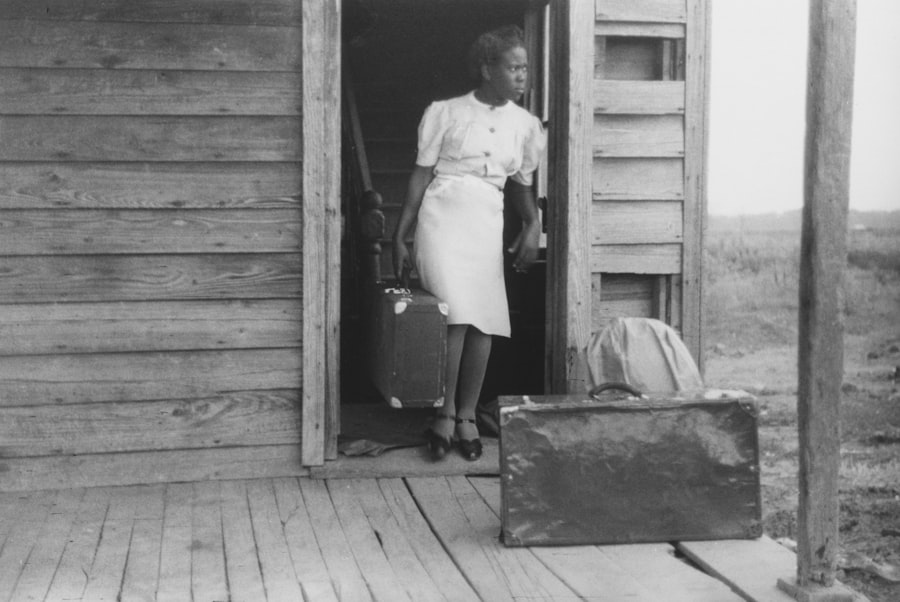
While the outward façade of European imperial might appeared formidable, internal pressures and growing resistance began to erode its foundations from within and without. The immense costs of maintaining vast empires, coupled with the stirrings of nationalism and the intellectual currents of self-determination, created a fertile ground for dissent and eventual collapse.
The Burden of Empire: Economic Strains and Administrative Challenges
Maintaining vast overseas territories was an enormously expensive undertaking. The costs of military garrisons, administrative infrastructure, and intercontinental communication placed a significant strain on the exchequers of imperial powers, particularly as economic downturns and major global conflicts emerged. Furthermore, the sheer logistical challenge of governing distant and diverse populations often led to inefficiencies and corruption, further undermining imperial authority.
The Echoes of Nationalism: A Double-Edged Sword
The rise of nationalism within Europe itself, while a driving force behind the formation of some empires, also contained the seeds of their undoing. As European powers consolidated their territories, they often suppressed the national aspirations of subordinate groups. The Great War, in particular, exacerbated these tensions, as empires like Austria-Hungary and the Ottoman Empire, composed of numerous distinct ethnic groups, fractured under the strain of prolonged conflict and resurgent nationalisms.
The Seeds of Rebellion: Indigenous Resistance and Global Uprisings
From the Sepoy Mutiny in India to the Mau Mau Uprising in Kenya, from the Boxer Rebellion in China to various anti-colonial movements across Africa and Asia, indigenous populations consistently resisted imperial domination. These acts of defiance, though often brutally suppressed, chipped away at the perceived invincibility of European powers and fostered a growing sense of collective identity and a yearning for self-determination among colonized peoples. The philosophical and political ideas espoused by European Enlightenment thinkers, ironically, were also embraced by colonized intellectuals, who used them to argue for their own right to liberty and self-governance.
The World Wars: Accelerating the Erosion of Imperial Power
The two World Wars proved to be catastrophic for European imperialism. The immense human and economic toll of these global conflicts significantly weakened the imperial powers, both militarily and ideologically. Furthermore, the participation of colonial troops in these wars, fighting alongside European soldiers, exposed them to new ideas and experiences, and in some cases, challenged the prevailing notions of racial superiority. The post-war era saw a surge in independence movements, emboldened by the weakened state of their colonial overlords.
The Great Unraveling: Decolonization and the Shifting World Order

The mid-20th century witnessed a dramatic and largely irreversible dismantling of European colonial empires. A confluence of factors, including the exhaustion of imperial powers, the rise of anti-colonial leaders, and the changing geopolitical landscape, led to a swift period of decolonization that reshaped the global map and ushered in a new era of nation-states.
The Post-War Momentum: A Mandate for Independence
The aftermath of World War II created a powerful international momentum for decolonization. The United Nations, founded on the principles of self-determination, provided a platform for newly independent nations to assert their sovereignty. Furthermore, the ideological struggle of the Cold War, with both the United States and the Soviet Union often at odds with the traditional colonial powers, further pressured European nations to relinquish their empires.
The Architects of Liberation: Charismatic Leaders and Mass Movements
The process of decolonization was often spearheaded by charismatic and determined leaders who mobilized their populations in the struggle for freedom. Figures like Mahatma Gandhi in India, Kwame Nkrumah in Ghana, and Nelson Mandela in South Africa became global icons of resistance and national liberation. Their ability to galvanize mass movements, employing a range of strategies from peaceful civil disobedience to armed struggle, proved instrumental in forcing colonial powers to concede independence.
The Legacy of Empire: Enduring Impacts and Unfinished Business
While the formal dismantling of empires brought an end to direct colonial rule, the legacies of European imperialism continue to resonate profoundly across the globe. The artificial borders drawn by colonial powers often led to internal conflicts and ethnic tensions. The economic structures imposed by empires, often designed to benefit the metropole, left many newly independent nations with underdeveloped economies and a dependency on former colonial powers. The cultural and social impacts, including the imposition of languages, religions, and social hierarchies, have also left indelible marks. The ongoing challenges of post-colonial development, global inequality, and historical reconciliation all trace their roots back to this era of imperial dominance and its subsequent unraveling.
For those interested in exploring the intricate tapestry of European history, a fascinating documentary can be found at this link. This documentary delves into the pivotal moments that shaped the continent, offering insights into the cultural and political transformations over the centuries. It provides a comprehensive overview that complements various historical narratives, making it an excellent resource for both casual viewers and history enthusiasts alike.
Echoes in the Present: Lessons from the Imperial Past
| Documentary Title | Release Year | Duration (minutes) | Director |
|---|---|---|---|
| The Story of Europe | 2017 | 360 | Tim Kirby |
| Empire of the Tsars: Romanov Russia | 2016 | 180 | Lucy Worsley |
| The French Revolution | 2005 | 240 | David Grubin |
The study of the rise and fall of European empires offers invaluable lessons for understanding the contemporary world. The dynamics of power, the complexities of cultural exchange, the dangers of unchecked ambition, and the persistent pursuit of self-determination remain as relevant today as they were centuries ago. Documentaries and historical scholarship that explore this multifaceted narrative serve as crucial reminders of where humanity has been, and they provide essential context for navigating the challenges and opportunities of the future.
The Interconnectedness of the Globalized World
The very process of empire building created an unprecedented degree of global interconnectedness. While often driven by exploitation, this interconnectedness laid the groundwork for the globalized world we inhabit today. Understanding how these early forms of global integration were forged, and their subsequent consequences, is vital for appreciating the complex web of relationships that define international affairs.
The Continuing Struggle for Equality and Justice
The legacies of imperial exploitation and racial hierarchies continue to fuel ongoing struggles for equality and justice around the world. The historical analysis of empire provides crucial context for understanding contemporary issues of social inequality, economic disparity, and the ongoing process of decolonization, not just in terms of political sovereignty but also in reclaiming cultural narratives and challenging lingering power imbalances.
The Importance of Critical Historical Inquiry
The exploration of complex and often uncomfortable historical narratives, such as the rise and fall of empires, is essential for fostering critical thinking and a nuanced understanding of history. By examining the motivations, methods, and consequences of imperial endeavors, audiences can develop a more sophisticated appreciation of the forces that have shaped the world and the ongoing debates about power, justice, and self-determination. The various documentaries and series that delve into these themes, each with its unique perspective and approach, contribute to this vital ongoing conversation.

Why Russia Can Never Feel Safe
FAQs
What is the European history documentary about?
The European history documentary explores the rich and diverse history of Europe, covering various periods such as ancient civilizations, the Middle Ages, the Renaissance, the Age of Exploration, the Enlightenment, and the modern era.
Who are the key figures and events featured in the European history documentary?
The documentary features key figures such as Julius Caesar, Charlemagne, Joan of Arc, Leonardo da Vinci, Christopher Columbus, Martin Luther, Queen Elizabeth I, Napoleon Bonaparte, and Winston Churchill. It also covers significant events such as the fall of the Roman Empire, the Black Death, the Protestant Reformation, the French Revolution, and both World Wars.
What are the main themes and topics covered in the European history documentary?
The documentary delves into themes such as political and social revolutions, religious conflicts, cultural and artistic achievements, scientific advancements, colonialism, imperialism, and the impact of war on European societies.
How is the European history documentary presented?
The documentary is presented through a combination of archival footage, reenactments, expert interviews, and narration. It also utilizes maps, timelines, and visual aids to provide a comprehensive understanding of the historical events and developments.
Where can I watch the European history documentary?
The European history documentary may be available for streaming on various platforms such as Netflix, Amazon Prime, or through educational institutions and libraries. It may also be available for purchase on DVD or Blu-ray.