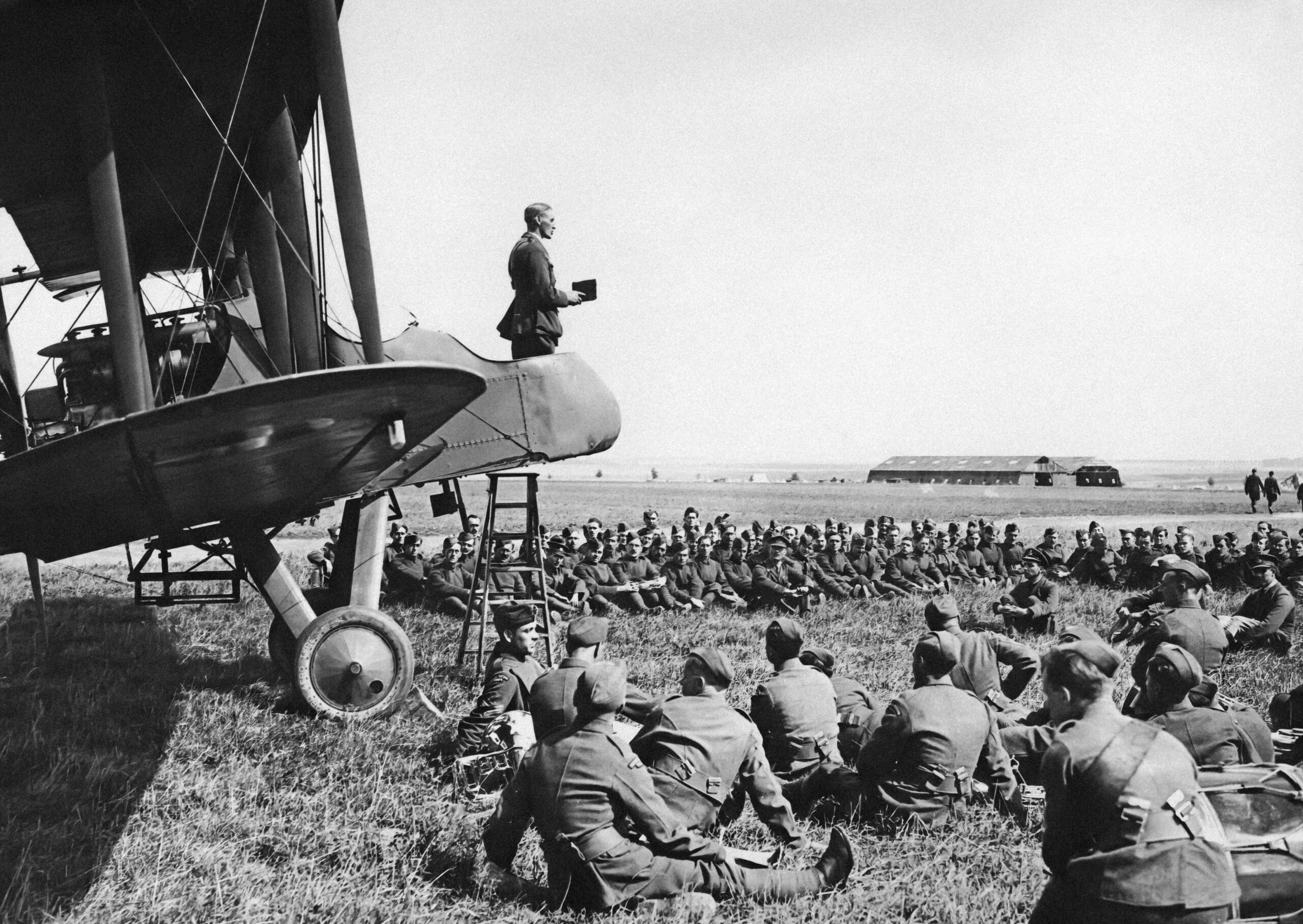
The tapestry of human civilization is woven with threads of conquest, administration, and eventual dissolution. For millennia, vast empires have risen from humble beginnings to dominate continents, leaving indelible marks on the historical landscape. Their sagas, a potent blend of military prowess, political acumen, and societal evolution, have captivated scholars and the public alike. While no single documentary bears the exact title “The Rise and Fall of Ancient Empires: A Military History Documentary,” a surge of recent productions and forthcoming series meticulously dissects these grand narratives. These productions, drawing upon cutting-edge archaeological discoveries, sophisticated visual techniques, and the insights of leading historians, offer a compelling examination of the military machinery that forged these behemoths and the internal and external forces that ultimately led to their downfall.
The genesis of any ancient empire was invariably rooted in its capacity for organized, effective warfare. From the disciplined legions of Rome to the formidable armies of pharaonic Egypt, the ability to project power and secure territory was the bedrock upon which imperial ambitions were built. These documentaries delve into the very sinews of these military structures, exploring not just the tactics and technologies but the cultural and societal imperatives that fueled their expansion.
The Roman Legion: An Unstoppable Juggernaut
The Roman Empire stands as a perennial subject of fascination, and its military might is central to its story. Documentaries like the History Channel’s 2026 “The Rise and Fall of the Roman Empire” promise to revisit the awe-inspiring discipline and logistical genius of Roman legions. These historical reconstructions, featuring dramatic live-action sequences, aim to immerse viewers in the visceral reality of Roman warfare. Experts illuminate how the Roman military machine, characterized by its standardized equipment, rigorous training, and innovative engineering, allowed for rapid deployment and sustained campaigns across vast distances. The development of effective siege engines, the construction of enduring roads and fortifications, and the sophisticated command structure all contributed to Rome’s unparalleled ability to conquer and control its territories.
- Tactical Innovations: Scholars highlight the Roman mastery of formations like the manipular and cohort systems, which provided flexibility and tactical superiority against diverse enemies. The emphasis on disciplined maneuver, adaptability to terrain, and coordinated attacks proved devastatingly effective.
- Engineering Prowess: Beyond the battlefield, Roman military engineering was instrumental in imperial expansion. The ability to construct bridges, roads, aqueducts, and fortified camps not only supported campaigning armies but also facilitated the integration of conquered territories into the Roman economic and administrative system.
- Logistical Supremacy: The sheer scale of Roman military operations demanded unparalleled logistical support. The documentaries explore how Rome organized supply lines, maintained garrisons, and sustained armies for extended periods, enabling them to prosecute wars far from their heartland.
Egyptian Might: The Pharaohs’ Warriors
The pyramids and hieroglyphs of ancient Egypt often overshadow its military history, but pharaonic Egypt was a formidable power in its own right. The upcoming BBC Arts series “Civilisations: Rise and Fall,” set to premiere in late 2026, will likely explore Egypt’s military through the lens of its artifacts. This approach promises a unique perspective, using tangible remnants of the past to contextualize the lives and capabilities of Egyptian soldiers and commanders. Egypt’s military success was often driven by the need to secure its vital Nile river valley from external threats and to expand its influence into the Levant and Nubia. Their armies, comprising chariots, infantry, and archers, were crucial in preserving the kingdom’s stability and prosperity for millennia.
- Chariot Warfare: The advent of the chariot revolutionized Egyptian warfare, providing a mobile platform for archers and elite warriors. Documentaries would explore the tactical deployment of these fast, intimidating units and their impact on enemy formations.
- Infantry and Naval Power: While chariots are often highlighted, the disciplined ranks of Egyptian infantry, armed with spears, shields, and khopesh swords, formed the backbone of their armies. Furthermore, Egypt’s reliance on the Nile and the Mediterranean necessitated a strong naval presence for defense and trade.
- Fortifications and Defenses: The construction of formidable forts and defensive positions along Egypt’s borders was essential to repelling invasions, particularly from the Hyksos and later the Hittites. These structures speak volumes about the strategic thinking and military engineering capabilities of the time.
For those interested in military history documentaries, a fascinating article that delves into the evolution of warfare and its impact on modern society can be found at this link. The article explores various conflicts throughout history, highlighting key battles and strategies that have shaped nations. It provides an insightful backdrop for understanding the narratives presented in military documentaries, making it a valuable resource for enthusiasts and scholars alike.
The Pillars of Power: Governance and Administration
An empire is more than just its soldiers; it is a complex organism of governance, taxation, and law that binds disparate peoples together. Military success provided the initial leverage, but the ability to administer conquered territories effectively determined the longevity of an empire. These documentaries offer insights into the bureaucratic structures, legal frameworks, and economic policies that enabled empires to consolidate their gains and maintain order.
Rome’s Administrative Mastery
Pernel Media’s new “Rise and Fall of Rome” documentary, produced for RMC Découverte, is set to leverage cutting-edge AI-generated historical reconstructions to bring Rome’s 1,200-year history to life. This innovative approach will likely extend to the portrayal of Rome’s sophisticated administrative apparatus. The Romans were masters of organization, establishing provinces, appointing governors, and implementing a standardized legal system that, while often brutal, provided a degree of stability. Their ability to integrate conquered elites into the imperial system and to extract resources through taxation fueled their continued expansion and prosperity.
- Provincial Governance: The establishment of a hierarchical system of provinces, each with an appointed governor, allowed Rome to manage its vast territories. These governors were responsible for justice, taxation, and maintaining order, often backed by legions stationed in strategic locations.
- Roman Law: The development and codification of Roman law provided a framework for justice and commerce across the empire. Its influence on Western legal systems is profound, demonstrating the enduring legacy of Roman administrative innovation.
- Infrastructure and Integration: The construction of roads, aqueducts, and public buildings was not merely for military purposes but also served to integrate conquered populations into the Roman way of life. This facilitated trade, communication, and cultural exchange, fostering a sense of shared identity.
The Pharaoh’s Bureaucracy: Maintaining Order in the Nile Valley
Ancient Egypt, though often perceived as a more centralized kingdom, also possessed a sophisticated bureaucratic system. The documentaries exploring its history will likely touch upon the intricate network of scribes, officials, and overseers who managed the land, collected taxes, and administered justice. The pharaoh, as a god-king, stood at the apex of this system, but the smooth functioning of the state relied on the diligent work of countless individuals. The concept of maat, representing order, justice, and cosmic balance, permeated Egyptian society and governance, influencing their approach to administration and law.
- The Role of the Scribe: Scribes were the backbone of the Egyptian bureaucracy, tasked with recording information, managing resources, and administering justice. Their literacy and administrative skills were essential for the functioning of the state.
- Taxation and Resource Management: The Egyptian economy was heavily reliant on agriculture, and the collection of grain and other resources through taxation was crucial for funding the state, the priesthood, and vast construction projects.
- Judicial System: While the pharaoh was the ultimate arbiter of justice, a system of courts and officials existed to resolve disputes and administer punishments, reflecting the societal emphasis on maat.
The Cracks Appear: Internal Stresses and Societal Decay

No empire is built to last forever. The seeds of their destruction are often sown internally, as prosperity breeds complacency, internal divisions fester, and the fabric of society begins to fray. These documentaries will undoubtedly explore the myriad ways in which internal weaknesses compromised the foundations of once-mighty empires, paving the way for their eventual decline.
The Roman Republic’s Unraveling
Apple TV’s 2021 release, “Curse of the Ancients,” with historian Alice Roberts investigating battlegrounds, hints at the internal struggles that plagued Rome. The transition from Republic to Empire, while consolidating power, also introduced new strains. Wealth inequality, political corruption, and the ever-increasing power of military commanders began to destabilize the state. The rise of powerful individuals and factions, vying for control, led to civil wars and ultimately the erosion of republican institutions.
- Social and Economic Disparity: The vast influx of wealth from conquered territories exacerbated existing social and economic inequalities. The concentration of land and power in the hands of a few contributed to widespread discontent among the plebeian classes.
- Political Corruption and Factionalism: The intense competition for political power within the Roman Republic devolved into corruption and infighting. Powerful individuals amassed personal armies and used them to intimidate rivals and seize control, undermining the rule of law.
- The Burden of Empire: While profitable, managing an ever-expanding empire placed immense strains on Roman resources and manpower. The cost of maintaining legions in distant provinces, coupled with the challenges of assimilation, began to weigh heavily on the state.
The Illusion of Eternal Power in Ancient Egypt
Even ancient Egypt, with its seemingly immutable religious and political structures, faced periods of internal strife and decline. The BBC’s “Civilisations: Rise and Fall” may illuminate the moments of fragmentation and external influence that marked Egypt’s later periods. Dynastic quarrels, the rise of powerful regional governors, and periods of foreign occupation demonstrated that even the most enduring empires are susceptible to internal decay.
- Dynastic Instability: Periods of weak leadership, contested successions, and internal power struggles within royal families weakened central authority and led to fragmentation.
- Rise of Provincial Power: Over time, some regional governors and nomarchs gained considerable autonomy, challenging the authority of the pharaoh and leading to periods of division.
- Economic Strain: Extended periods of warfare or environmental challenges could strain the Egyptian economy, leading to social unrest and a decline in the state’s ability to project power.
External Pressures: The Barbarians at the Gates and Beyond

While internal weaknesses can lay an empire vulnerable, the final blow often comes from external forces. The relentless pressure of migrating peoples, the rise of new and formidable adversaries, or the disruption of established trade routes could prove insurmountable for even the most resilient empires.
The Germanic Tides and the Fall of the West
The History Channel’s two-night premiere in 2026 and Pernel Media’s “Rise and Fall of Rome” will undoubtedly grapple with the complex narrative of Rome’s eventual collapse in the West. The documentary will explore how sustained pressure from various Germanic tribes, coupled with internal decay, led to the fragmentation of the Western Roman Empire. This was not a single, cataclysmic event but a protracted process of attrition, where the empire’s ability to defend its borders and maintain its authority gradually eroded.
- The Huns and Migrations: The westward migration of the Huns in the 4th and 5th centuries CE created a domino effect, pushing various Germanic tribes – Visigoths, Vandals, Franks, and others – into Roman territory.
- Sack of Rome and Loss of Provinces: Iconic events such as the Visigothic sack of Rome in 410 CE and the Vandal conquest of North Africa were devastating blows to Roman prestige and resources. The gradual loss of key provinces further weakened the empire’s economic and military strength.
- Weakening of the Limes: The Roman frontier defenses, the limes, became increasingly difficult to maintain against coordinated barbarian assaults. The overstretched legions and the reliance on barbarian mercenaries ultimately proved insufficient to stem the tide.
The Samurai and the Shogunate: Japan’s Shifting Fortunes
The BBC’s “Civilisations: Rise and Fall” promises to investigate Japan’s samurai, a force intrinsically linked to the nation’s historical trajectory. The evolution of Japan’s military and political landscape, from the rise of the samurai class to the establishment of the Shogunate, offers a unique perspective on imperial-style power structures. While not an empire in the Roman sense, Japan’s history is marked by periods of intense military conflict, consolidation of power, and external pressures that shaped its destiny.
- The Rise of the Samurai: The emergence of the samurai class as a dominant military force fundamentally altered Japan’s political landscape, leading to centuries of feudal warfare and the eventual establishment of the Shogunate.
- Periods of Unification and Conflict: Japan experienced cycles of internal conflict and unification, with powerful warlords vying for control. The Sengoku period, or “Warring States” period, was a particularly tumultuous era of intense military activity.
- External Perceptions and Isolation: Japan’s interaction with external powers, including periods of isolation and limited engagement, played a significant role in its development and defense strategies.
For those interested in the intricate details of military history, a fascinating article can be found that delves into the evolution of warfare strategies throughout the ages. This piece not only highlights significant battles but also explores the technological advancements that have shaped modern combat. You can read more about these developments in the article available at MyGeoQuest, which complements the insights provided in various military history documentaries.
Echoes of Decline: Lessons from the Past
| Documentary Title | Release Year | Duration (minutes) | Director |
|---|---|---|---|
| The World at War | 1973 | 1120 | Jeremy Isaacs |
| WWII in HD | 2009 | 600 | Samuel K. Dolan |
| The Vietnam War | 2017 | 1000 | Ken Burns |
The latest tranche of documentaries, including the cinematic trailer “Every Empire Falls” by Echoes of Time Studio, underscores a crucial theme: the recurring patterns of imperial rise and fall. By examining the economic strains, military overreach, and societal fragilities that led to the downfall of empires as diverse as Rome and the Ottomans, these productions aim to offer valuable lessons for contemporary societies. The objective is not merely to chronicle past glories and tragedies but to glean insights into the enduring challenges of governance, the delicate balance of power, and the potential consequences of unchecked ambition.
Economic Strain and Overreach
“Every Empire Falls” highlights economic factors as a significant contributor to imperial decline. The sheer cost of maintaining vast armies, extensive bureaucrimes, and opulent lifestyles could drain imperial treasuries, leading to inflation, heavy taxation, and the eventual impoverishment of the populace. Furthermore, a reliance on unsustainable expansion or the disruption of vital trade routes could cripple an empire’s economic foundation.
- Unsustainable Military Spending: The constant need to fund large standing armies and engage in protracted wars placed immense financial burdens on empires, often leading to fiscal crises.
- Inflation and Debasement of Currency: To meet financial obligations, empires sometimes resorted to debasing their currency, leading to inflation and a loss of faith in the economic system.
- Trade Disruptions: Threats to trade routes, whether from piracy, rival powers, or internal instability, could have devastating economic consequences, limiting access to essential resources and markets.
The Specter of Decline: A Cautionary Tale
The proliferation of these historical documentaries, examining the military dimensions of imperial histories, serves as a powerful reminder of the cyclical nature of power. By delving into the triumphs and failures of empires past, these productions offer audiences a chance to understand the intricate interplay of military strategy, political maneuvering, societal cohesion, and economic stability that ultimately determines the fate of nations. As viewers engage with the rise and fall of Rome, the might of Egypt, or the intricacies of Japan’s warrior class, they are invited to reflect on the enduring lessons of history, seeking wisdom in the ruins of forgotten empires to navigate the challenges of the present and future. The examination of military history within these grand narratives remains a crucial lens through which to understand the forces that have shaped our world and continue to influence its trajectory.

Why Russia Can Never Feel Safe
FAQs
What is a military history documentary?
A military history documentary is a film or television program that explores and presents historical events, figures, and developments related to military conflicts, wars, and battles.
What are the common themes in military history documentaries?
Common themes in military history documentaries include specific battles or wars, military strategies and tactics, technological advancements in warfare, the experiences of soldiers and civilians, and the impact of military conflicts on societies and cultures.
How are military history documentaries researched and produced?
Military history documentaries are typically researched using primary and secondary sources such as historical documents, eyewitness accounts, and scholarly works. They are produced through a combination of archival footage, reenactments, expert interviews, and narration to present a comprehensive and engaging portrayal of historical events.
What are the benefits of watching military history documentaries?
Watching military history documentaries can provide viewers with a deeper understanding of historical events, the complexities of warfare, and the human experiences associated with military conflicts. They can also offer insights into the impact of war on societies and the development of military technologies and strategies.
Where can one find military history documentaries to watch?
Military history documentaries can be found on various streaming platforms, television networks, and online video channels. They are also available for purchase on DVD or through digital download services. Additionally, many libraries and educational institutions offer access to military history documentaries for research and educational purposes.