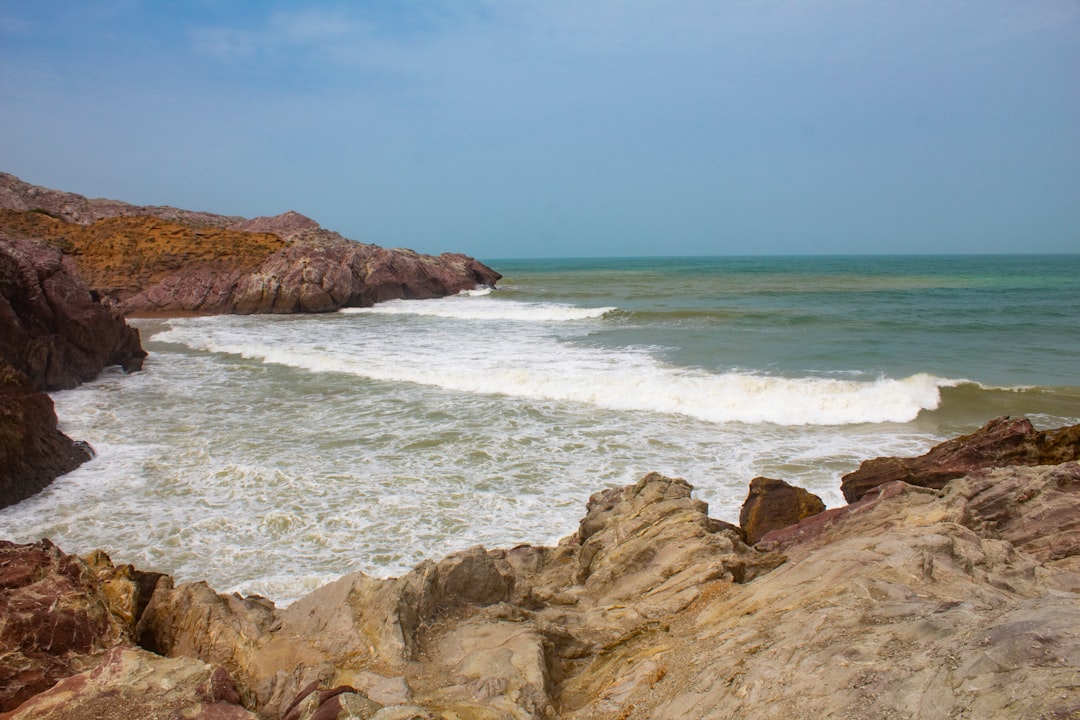
The stark, skeletal remains of colossal vessels, beached and broken against the shores of Gadani and Gwadar, paint a vivid and often grim picture. These are Pakistan’s shipbreaking beaches, testament to a booming, yet controversial, industry. The presence of these immense graveyards of steel is not a mere accident of geography but a consequence of a complex interplay of economic drivers, historical legacies, and geopolitical considerations that have shaped Pakistan’s engagement with the global maritime and waste industries. Understanding why Pakistan has shipbreaking beaches requires a deep dive into its economic aspirations, its strategic location, and the inherent vulnerabilities that have positioned it as a global hub for dismantling decommissioned ships.
The primary driver behind Pakistan’s shipbreaking industry is its profound economic necessity. For a developing nation striving to industrialize and create employment, the cost-effectiveness and labor-intensive nature of shipbreaking offered a compelling proposition. This section will explore the economic factors that have made these beaches a focal point for maritime recycling.
Job Creation and Livelihoods
The sheer scale of shipbreaking operations on Pakistan’s coastlines translates directly into significant employment opportunities. These beaches have become magnets for a vast workforce, drawing individuals from various socioeconomic backgrounds, particularly those from rural and less developed regions.
The Appeal of Manual Labor
The nature of shipbreaking is inherently manual. Large, heavy steel plates are cut, dismantled, and transported by hand or with basic machinery. This reliance on human muscle power, rather than advanced robotics or automated processes, makes it an accessible employment avenue for individuals with limited formal education or specialized skills. The industry, therefore, provides a vital source of income for thousands of families, contributing to poverty alleviation and rural-to-urban migration in search of work.
A Cascading Economic Impact
Beyond the direct employment in dismantling ships, the industry supports a wider ecosystem of related businesses. Local markets flourish with the sale of salvaged materials, food vendors cater to the workforce, and transportation services are in high demand. This multiplier effect further stimulates local economies and creates a ripple of economic activity that extends far beyond the immediate shipbreaking yards. The informal sector, in particular, thrives on the fringes of this industry, offering various ancillary services that are crucial for the daily functioning of the shipbreaking communities.
Raw Material Sourcing and Industrial Input
The steel and other materials salvaged from decommissioned vessels are a valuable source of raw materials for Pakistan’s burgeoning industries. This self-sufficiency in raw material procurement offers a distinct economic advantage.
Steel for National Infrastructure
The vast quantities of steel salvaged from ship hulls are a primary input for Pakistan’s steel mills and manufacturing sector. This recycled steel is often cheaper than virgin steel, making it an attractive option for domestic industries. This not only reduces the country’s reliance on imported raw materials, thereby saving foreign exchange, but also fuels the production of goods for both domestic consumption and export. The construction sector, in particular, heavily relies on this recycled steel for infrastructure projects.
Other Salvaged Components
Beyond steel, shipbreaking yields a wealth of other reusable or recyclable materials. Copper wiring, aluminum, brass fittings, and even wooden components are meticulously salvaged and sold to various industries. These secondary materials find their way into a range of products, from electrical components and household goods to furniture and construction materials. This comprehensive utilization of salvaged parts minimizes waste and maximizes the economic return from each decommissioned vessel.
Foreign Exchange Earnings and Trade
While primarily focused on domestic needs, the shipbreaking industry also contributes to Pakistan’s foreign exchange earnings. The sale of salvaged metals and components, sometimes to international buyers, generates revenue that is crucial for the country’s balance of payments.
Exporting Recycled Materials
While the majority of salvaged materials are consumed domestically, there are instances where specific high-value components or processed metals are exported. This contributes to foreign exchange reserves, which are vital for a country like Pakistan that often faces trade deficits. The efficiency of the dismantling process and the quality of salvaged materials can influence their marketability on the international stage.
Reducing Import Bills
By providing a domestic source of raw materials, the shipbreaking industry indirectly reduces Pakistan’s reliance on imported goods. This reduction in import bills further strengthens the country’s foreign exchange position and contributes to its economic stability. The government’s policies often aim to maximize this benefit by encouraging domestic consumption of salvaged materials.
Pakistan has become a notable hub for shipbreaking, primarily due to its extensive coastline and the economic benefits associated with the industry. The shipbreaking beaches, particularly in Gadani, play a crucial role in recycling old vessels, providing employment opportunities, and contributing to the local economy. For a deeper understanding of the factors that have led to the establishment of these shipbreaking beaches in Pakistan, you can read a related article that explores the environmental and economic implications of this industry at this link.
The Strategic Geographical Advantage: Gateway to Global Shipping Routes
Pakistan’s extensive coastline along the Arabian Sea is not just a picturesque feature; it is a critical strategic asset that has facilitated the growth of its shipbreaking industry. Its proximity to major global shipping lanes and its access to international waters have positioned it as a logical destination for vessels nearing the end of their operational lives.
Proximity to Major Shipping Lanes
Pakistan’s coastline borders some of the busiest maritime trade routes in the world, connecting the Middle East, Asia, and Europe. This strategic location makes it a convenient and cost-effective stopping point for ships transiting these routes.
The Strait of Hormuz and Beyond
The Strait of Hormuz, a vital chokepoint for oil and gas shipments, lies relatively close to Pakistan’s coast. Vessels originating from or destined for the Persian Gulf, which account for a significant portion of global maritime traffic, often pass within proximity of Pakistani waters. This proximity reduces transit time and costs for shipowners looking to dispose of their vessels.
Access to East-West Trade Flows
Pakistan’s location places it at a crucial nexus of East-West trade flows. Ships traveling between East Asia and Europe, or those involved in regional trade within the Indian Ocean, are within a manageable distance of Pakistan’s shipbreaking beaches. This makes it an economically viable option for shipowners seeking to offload their vessels without incurring excessive repositioning costs.
Port Infrastructure and Accessibility
While the primary “ports” for shipbreaking are the beaches themselves, the underlying port infrastructure and accessibility play a significant role in the industry’s operations.
Deep-Water Ports and Anchorage
The presence of deep-water ports and suitable anchorage areas near the shipbreaking sites is crucial for towing or sailing vessels into position. While the actual dismantling occurs on the shore, the ability to bring large ships close to the coast and beach them requires specific coastal characteristics and proximity to naval or commercial port facilities for support.
Access to Transportation Networks
Once dismantled, the salvaged materials need to be transported to various industrial centers. Pakistan’s network of roads, railways, and proximity to inland waterways, where applicable, facilitates the efficient movement of these materials across the country. This logistical advantage is a key factor in the economic viability of the industry.
The Suez Canal Effect
The Suez Canal acts as a bottleneck for maritime traffic between Europe and Asia. Ships that opt for routes avoiding the Suez Canal, or those completing their journeys before or after this chokepoint, often find Pakistan’s coast a convenient disposal site. This geographical reality, linked to global maritime chokepoints, further enhances Pakistan’s appeal as a shipbreaking destination.
Historical Context and Evolution of the Industry
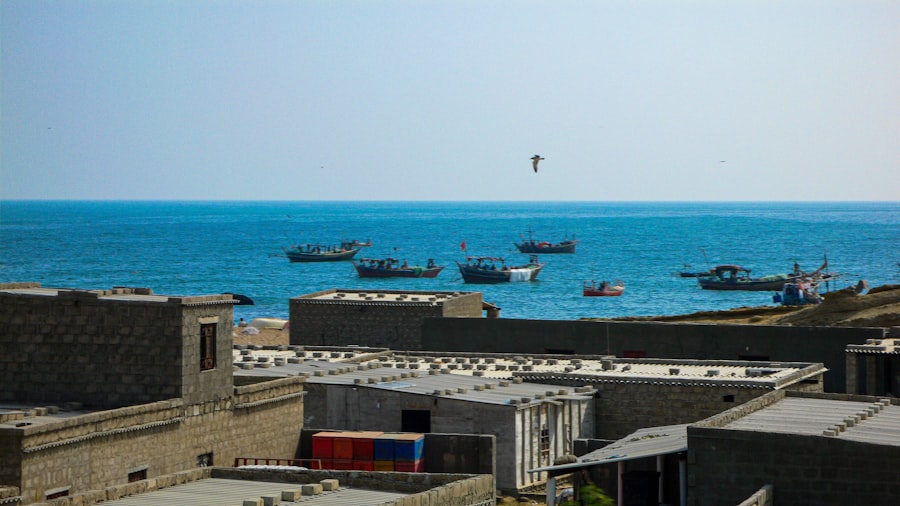
The shipbreaking industry in Pakistan did not emerge overnight. It has a history rooted in the country’s post-independence industrialization efforts and has evolved in response to global maritime trends and regulatory changes.
Early Days of Maritime Salvage
Following its independence in 1947, Pakistan, like many developing nations, sought to build its industrial base. Early efforts in maritime salvage and recycling were often ad hoc, driven by the need to acquire materials and provide employment.
Post-War Ship Scrapping
The post-World War II era saw a significant influx of decommissioned naval vessels and surplus cargo ships into the global market. Nations with developing economies often became recipients of these vessels for breaking, offering a source of scrap metal and jobs. Pakistan was no exception to this global trend.
The Role of Private Entrepreneurs
Initially, private entrepreneurs played a pivotal role in establishing the shipbreaking industry. They identified the economic potential of salvaging materials from old ships and began to acquire and dismantle them on the beaches. This entrepreneurial spirit laid the foundation for the industry as it exists today.
The Rise of Gadani
Gadani, located in the Balochistan province, has become synonymous with Pakistan’s shipbreaking industry. Its gradual transformation from a relatively unknown coastal area to the world’s third-largest shipbreaking yard is a testament to its strategic advantages and sustained growth.
From Small-Scale to Mega-Yard
Gadani’s shipbreaking operations have evolved from small-scale endeavors to one of the largest shipbreaking beaches globally. The sheer scale of operations at Gadani is a sight to behold, with hundreds of vessels in various stages of dismantling. This growth has been fueled by increasing global demand for shipbreaking services and Pakistan’s competitive pricing.
Government Policies and Support
Over the years, various Pakistani governments have recognized the economic contributions of the shipbreaking industry and have, at times, provided policy support and regulatory frameworks to facilitate its operations. This has included measures aimed at streamlining import procedures for decommissioned vessels and ensuring a degree of regulatory oversight.
Shifts in Global Shipbreaking Landscape
The global shipbreaking landscape has undergone significant shifts over the decades, with different countries rising and falling as dominant players. Pakistan’s ability to adapt and maintain its position is a crucial aspect of its continued relevance.
Competition from Other Nations
Historically, countries like India and Bangladesh have also been major shipbreaking hubs. Shifts in labor costs, environmental regulations, and economic policies in these countries have sometimes influenced the flow of vessels to Pakistan. The industry is highly dynamic, with global supply and demand for shipbreaking services constantly fluctuating.
The Impact of International Regulations
The development of international conventions, such as the Hong Kong Convention for the Safe and Environmentally Sound Recycling of Ships, has had a profound impact on the shipbreaking industry globally. While Pakistan has made efforts to comply, the enforcement and implementation of these regulations continue to be a subject of ongoing discussion and development.
The Darker Side: Environmental and Safety Concerns
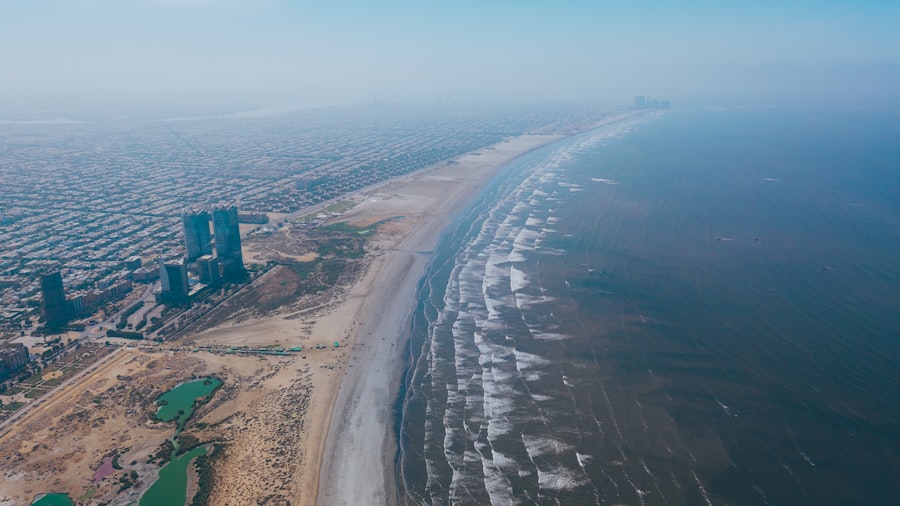
While the economic benefits of shipbreaking are undeniable, the industry in Pakistan is plagued by significant environmental and safety concerns, casting a long shadow over its operations and raising ethical questions.
Hazardous Materials and Pollution
The dismantling of massive ships involves the handling of numerous hazardous materials, leading to widespread pollution and posing serious health risks.
Asbestos and Heavy Metals
Decommissioned vessels often contain asbestos, a known carcinogen, along with other hazardous materials like lead paint, PCBs, and heavy metals. The process of cutting and dismantling these ships releases these substances into the environment, contaminating the soil, water, and air. Workers are often exposed to these toxins without adequate protection.
Oil Spills and Marine Contamination
Despite efforts to drain fuel tanks, oil spills and leaks are a perennial problem at shipbreaking beaches. These spills contaminate the marine ecosystem, harming aquatic life and impacting local fishing communities. The presence of oil slicks and polluted water is a common sight.
Waste Management Challenges
The sheer volume of waste generated by shipbreaking, including industrial sludge, chemicals, and non-recyclable debris, presents a significant waste management challenge. Inadequate disposal methods can lead to further environmental degradation.
Labor Exploitation and Unsafe Working Conditions
The drive for cost-effectiveness in shipbreaking often comes at the expense of worker safety and well-being, leading to widespread labor exploitation.
Lack of Safety Equipment and Training
Workers on these beaches are frequently deprived of basic safety equipment such as helmets, gloves, safety shoes, and respirators. Proper training on handling hazardous materials and operating heavy machinery is often lacking, increasing the risk of accidents.
High Incidence of Injuries and Fatalities
The dangerous nature of the work, coupled with the absence of safety protocols, results in a high incidence of injuries, from minor cuts and burns to severe accidents leading to permanent disability or death. Fatalities are not uncommon, yet often go unreported or inadequately investigated.
Child Labor and Informal Employment
While efforts are made to regulate the industry, instances of child labor have been reported, with young boys often engaged in hazardous tasks. The informal nature of much of the workforce makes them particularly vulnerable to exploitation and denies them basic labor rights.
Global Health and Environmental Impact
The environmental and health consequences of shipbreaking in Pakistan are not confined to its shores. The transboundary movement of hazardous waste and the long-term impact of pollution can have global implications.
The ‘Graveyard Ships’ Phenomenon
The practice of sending old, potentially hazardous ships to developing countries for breaking, often referred to as the ‘graveyard ships’ phenomenon, raises ethical questions about developed nations offloading their environmental responsibilities onto poorer counterparts.
Long-Term Health Effects on Communities
The continuous exposure to pollutants can lead to severe long-term health problems for the workers and the communities living near the shipbreaking beaches, including respiratory illnesses, skin diseases, and various forms of cancer.
Pakistan has become a significant player in the global shipbreaking industry, primarily due to its extensive coastline and the availability of labor at low costs. The shipbreaking beaches, particularly in Gadani, are known for their capacity to dismantle large vessels, providing both economic opportunities and environmental challenges. For a deeper understanding of the factors contributing to this phenomenon, you can read more in this insightful article on the topic. The article explores the historical context and the environmental implications of shipbreaking in Pakistan, shedding light on why these beaches have become a hub for such activities. To learn more, visit this article.
The Regulatory Framework and Future Prospects
| Reasons for Shipbreaking Beaches in Pakistan |
|---|
| 1. Cost-effective labor |
| 2. Lack of strict environmental regulations |
| 3. Geographical location for easy access to shipping routes |
| 4. Demand for raw materials from shipbreaking |
| 5. Government support for the industry |
Pakistan’s shipbreaking industry operates within a complex regulatory landscape, facing increasing pressure to align with international standards for safety and environmental protection. The future of these beaches hinges on its ability to adapt to these evolving demands.
National Regulations and Enforcement
Pakistan has various national laws and regulations governing industrial activities, including those related to environmental protection and labor safety. However, the effectiveness of their enforcement remains a significant challenge.
Environmental Protection Agencies
The Pakistan Environmental Protection Agency (EPA) and provincial EPAs are tasked with monitoring and regulating industrial pollution. However, resource constraints and enforcement gaps can hinder their ability to effectively oversee the vast shipbreaking operations.
Labor Laws and Worker Rights
Labor laws exist to protect workers’ rights and ensure safe working conditions. Yet, the widespread informality of the workforce and the sheer scale of the operations often make it difficult to ensure compliance and provide adequate recourse for workers.
International Conventions and Compliance Efforts
The global community has been actively working towards stricter regulations for ship recycling. Pakistan’s engagement with these international conventions is crucial for its long-term sustainability.
The Hong Kong Convention
The International Maritime Organization’s (IMO) Hong Kong Convention for the Safe and Environmentally Sound Recycling of Ships aims to set global standards for ship recycling. Pakistan’s adherence to and implementation of this convention are vital for its international reputation and for attracting responsible shipowners.
Efforts Towards Greener Practices
There have been efforts by some stakeholders within Pakistan to adopt greener practices, invest in better safety equipment, and improve waste management. However, these are often isolated initiatives and require broader systemic change.
Challenges and Opportunities for the Future
The shipbreaking industry in Pakistan faces significant challenges, but also presents opportunities for modernization and sustainable development.
The Need for Technological Upgrades
Adopting more advanced dismantling technologies and safer methods for handling hazardous materials can significantly reduce the environmental impact and improve worker safety. This may require foreign investment and technological transfer.
Diversification and Value Addition
Beyond basic breaking, there are opportunities for value addition through more sophisticated recycling processes, such as reclaiming rare earth metals or specialized alloys. Diversifying the industry beyond simple scrap metal recovery could lead to higher economic returns.
International Collaboration and Investment
Attracting responsible international investment and fostering collaborations with countries that have advanced ship recycling practices can help Pakistan upgrade its infrastructure, implement best practices, and move towards a more sustainable and ethically sound industry. The future of Pakistan’s shipbreaking beaches depends on its capacity to balance economic imperatives with environmental and human welfare.
The Beaches Global Trade Can’t Afford to Lose
FAQs
1. What are shipbreaking beaches?
Shipbreaking beaches are locations where old and decommissioned ships are dismantled and their parts are recycled or sold for scrap. These beaches are often located in developing countries where labor and environmental regulations are less strict.
2. Why does Pakistan have shipbreaking beaches?
Pakistan has shipbreaking beaches, such as Gadani, due to its low labor costs, lax environmental regulations, and proximity to major shipping routes. These factors make it an attractive location for shipbreaking activities.
3. What are the environmental and safety concerns associated with shipbreaking beaches?
Shipbreaking beaches are often associated with environmental pollution, as hazardous materials such as asbestos, lead, and oil can be released into the surrounding environment. Additionally, the laborers working on these beaches are often exposed to unsafe working conditions and health hazards.
4. How does shipbreaking impact the local economy in Pakistan?
Shipbreaking activities provide employment opportunities for local communities in Pakistan. However, the economic benefits are often overshadowed by the environmental and safety concerns associated with shipbreaking activities.
5. What measures are being taken to address the issues related to shipbreaking beaches in Pakistan?
Efforts are being made to improve safety and environmental standards at shipbreaking beaches in Pakistan. International organizations and NGOs are working with local authorities to implement better practices and regulations to mitigate the negative impacts of shipbreaking activities.