
The Dawn of an Ambitious Dream: Pan-Americanism and the Genesis of a Highway
The concept of connecting the Americas through a vast network of roads, a tangible embodiment of Pan-American ideals, began to take firm root in the early decades of the 20th century. While the full realization of the Pan-American Highway would span many decades and involve immense logistical, political, and engineering challenges, the 1920s marked a pivotal period where the ambitious dream transitioned from a nascent idea to a concrete, albeit nascent, plan. This era witnessed a growing recognition of the potential benefits of improved inter-American relations, not only politically and culturally but also economically. The burgeoning automotive industry and the increasing volume of international trade provided a powerful impetus for visualizing a future where continents could be traversed by land. The spirit of Pan-Americanism, a movement advocating for cooperation and solidarity among the nations of the Americas, found a potent symbol and a practical manifestation in the idea of a grand highway stretching from the northern reaches of Canada to the southern tip of Argentina.
Early Seeds of Connection: Pre-1920s Explorations and Ideals
Before the 1920s, the notion of a transcontinental road system was largely aspirational. However, the groundwork for such an undertaking was being laid through various international conferences and discussions. The First International Conference of American States, held in Washington D.C. in 1889-1890, laid the foundational stones for future cooperation. Subsequent conferences continued to explore avenues for greater integration, with transportation frequently emerging as a key topic. Visionaries and diplomats recognized that geographical barriers, particularly the dense jungles and formidable mountain ranges of Central and South America, were significant impediments to communication, trade, and mutual understanding. Explorers and cartographers had begun to map vast tracts of these regions, revealing both the challenges and the potential for human infrastructure. The development of the automobile in the late 19th and early 20th centuries also played a crucial role, shifting the paradigm of long-distance travel and sparking imagination about what could be achieved with a connected road network. The very idea of a continuous road journey, once confined to shorter distances, now seemed plausible on an unprecedented scale.
The Pan-American Highway, which stretches from Prudhoe Bay in Alaska to Ushuaia in Argentina, has its origins rooted in the early 1920s when the idea of a continuous road network across the Americas was first proposed. This ambitious project aimed to promote economic integration and cultural exchange among the countries of the Americas. For a deeper understanding of the historical context and development of this monumental highway, you can read a related article that explores its inception and significance in greater detail at this link.
The Landmark Assembly: The Fourth Pan-American Conference and the Highway’s Formal Conception
The Fourth International Conference of American States, convened in Buenos Aires, Argentina, in 1910, stands as a watershed moment in the history of the Pan-American Highway. It was at this pivotal gathering that the idea of a connected roadway system was formally proposed and officially endorsed by the participating nations. The delegates, representing a broad spectrum of the Americas, recognized the immense potential for economic development, cultural exchange, and strengthened political ties that such a highway would facilitate. While the initial discussions were broad and the practicalities still largely undefined, the conference provided the crucial impetus and a shared vision that would propel the project forward in the subsequent years. The resolution passed at Buenos Aires was not a blueprint for immediate construction but rather a declaration of intent, a commitment to explore and eventually build this ambitious artery of continental connection.
From Resolution to Early Planning: The Inter-American High Commission
Following the Buenos Aires conference, the establishment of the Inter-American High Commission (IAHC) in 1911 was a significant step towards operationalizing the highway concept. This commission was tasked with studying and recommending measures for the improvement of communication and transportation between the American republics. While its mandate was broader than just road construction, the IAHC became a central coordinating body for discussions and preliminary investigations related to the Pan-American Highway. Its work involved gathering information, conducting surveys, and fostering dialogue between member nations regarding the feasibility and potential routes for a connected road system. The commission’s reports and recommendations, though often limited by the technological and financial constraints of the time, provided valuable data and laid the groundwork for future planning and engineering efforts.
The Influence of the Automobile Age: A Growing Demand for Connectivity
The 1920s were a period of unprecedented growth and popularization of the automobile. This burgeoning automotive culture directly fueled the demand for better roads and expanded transportation networks. As more people owned cars and saw them as viable modes of travel, the limitations of existing road infrastructure became increasingly apparent. The idea of driving from one country to another, or even across vast distances within a single country, captured the public imagination. This growing public enthusiasm translated into pressure on governments to invest in road development. For proponents of the Pan-American Highway, the rise of the automobile presented a powerful argument: a connected highway would not only serve commercial and strategic interests but would also cater to the growing desire for personal travel and exploration. The potential for tourism, both domestic and international, became another significant economic driver for the highway project.
Navigating the Terrain: Early Engineering and Surveying Challenges in the 1920s
The 1920s witnessed the initial, often rudimentary, efforts to grapple with the immense engineering and surveying challenges inherent in constructing a highway across diverse and often inhospitable terrains. While the grand vision was clear, the practicalities of connecting continents separated by vast geographical obstacles were daunting. Surveys were conducted, often by intrepid engineers and surveyors, to assess the feasibility of different routes, identify potential bottlenecks, and estimate the costs involved. These early endeavors were characterized by a spirit of pioneering exploration, venturing into jungles, scaling mountain passes, and traversing arid plains. The lack of standardized surveying equipment and techniques, coupled with limited access to remote areas, made these tasks exceptionally difficult. The data gathered during this decade, though incomplete, was crucial for understanding the scale of the undertaking and for beginning to formulate specific engineering approaches.
Mapping the Uncharted: Preliminary Route Assessments
During the 1920s, significant effort was directed towards preliminary route assessments. Engineers and geographers attempted to chart the most practical and economically viable paths for the proposed highway. This involved studying existing trails, navigable rivers, and potential corridors that could be developed into roads. The immense diversity of the Americas presented a complex puzzle. From the dense rainforests of the Amazon basin to the rugged Andes mountains and the arid deserts of North America, each region posed unique engineering challenges. Discussions often centered on whether to prioritize coastal routes, inland passages, or a combination of both. The political landscapes of the various nations also played a role, with route considerations often intertwined with national interests and existing infrastructure development priorities. The lack of accurate topographical maps for many regions meant that much of this early surveying was done through on-the-ground reconnaissance.
Confronting the Elements: Early Engineering Hurdles
The engineering hurdles faced in the 1920s were substantial, even in the initial stages of planning. The concept of a continuous road surface capable of withstanding varied weather conditions and heavy traffic was still evolving. Building roads through dense vegetation required extensive clearing. Constructing bridges over numerous rivers and ravines demanded innovative solutions and often relied on basic materials and techniques. The mountainous regions presented particularly formidable challenges, requiring the design of roads that could navigate steep gradients and unstable slopes. Erosion control, drainage systems, and the selection of appropriate road surfacing materials were all topics of early consideration, albeit with limited resources and advanced knowledge compared to later decades. The sheer scale of the project meant that the engineering solutions had to be adaptable to a vast array of environmental conditions, from tropical humidity to high-altitude cold.
Political Will and International Cooperation: The 1920s as a Crucible for Collaboration
The 1920s were a dynamic period for Pan-American relations, and the development of the Pan-American Highway became a tangible focal point for fostering greater political will and international cooperation. While the dream was grand, its realization depended on the sustained commitment and collaboration of numerous sovereign nations, each with its own priorities and resources. This decade saw a growing understanding among Latin American nations and the United States that a connected highway could serve as a powerful engine for economic growth, facilitate cultural understanding, and strengthen the collective security and influence of the Americas on the global stage. The establishment of diplomatic channels dedicated to the project and the ongoing dialogue between governments were crucial in overcoming the inherent challenges.
Diplomatic Initiatives and the Spirit of Pan-Americanism
The spirit of Pan-Americanism, which had been gaining momentum throughout the early 20th century, found a significant outlet in the pursuit of the Pan-American Highway. Diplomatic exchanges and the convening of various inter-American meetings played a critical role in keeping the project on the agenda and fostering a sense of shared purpose. The United States, in particular, saw the highway as a way to enhance its economic and political influence in Latin America, promoting trade and stability. Simultaneously, many Latin American nations viewed the highway as a crucial development that would integrate their economies, attract foreign investment, and reduce their reliance on distant overseas markets. The persistent advocacy by individuals and organizations dedicated to Pan-American ideals also helped to sustain political momentum.
Early Funding Discussions and Bilateral Agreements
Discussions about funding the monumental undertaking of the Pan-American Highway began in earnest during the 1920s. The sheer cost of construction and maintenance was a significant barrier, and it became clear that no single nation could bear the burden alone. Early funding discussions often involved exploring possibilities for contributions from the United States, loans from international financial institutions (though these were less developed than today), and national budgetary allocations from each participating country. Bilateral agreements between neighboring countries, outlining responsibilities for specific sections of the proposed route, also began to emerge. These agreements were vital for establishing the legal and logistical frameworks necessary for cross-border construction and for ensuring a degree of coordination in planning and execution. The initial funding was often piecemeal, reflecting the nascent stage of the project and the varying economic capacities of the nations involved.
The Pan American Highway, a monumental feat of engineering and ambition, traces its origins back to the 1920s when discussions about a continuous road connecting North and South America began to take shape. This ambitious project aimed to enhance trade and travel across the continent, fostering closer ties among the nations involved. For a deeper understanding of the historical context and the challenges faced during its inception, you can explore a related article on this topic at My Geo Quest. The vision of a unified roadway continues to inspire infrastructure projects around the world today.
The Road Ahead: Legacy and the Foundation Laid in the 1920s
| Metric | Details |
|---|---|
| Origin Year | 1923 |
| Initial Purpose | To connect the Americas from North to South |
| Key Organizing Body | Pan American Union |
| First Major Conference | 1923 Pan-American Highway Conference in Buenos Aires |
| Initial Route Length (approx.) | 19,000 miles (planned) |
| Countries Involved in 1920s | United States, Mexico, Central American countries, Colombia |
| Primary Goal | Promote trade and travel between American nations |
| Construction Start | Mid-1920s (varied by country) |
While the 1920s did not see the completion of the Pan-American Highway, this decade was undeniably crucial in laying the foundational groundwork for what would become one of the world’s most ambitious infrastructure projects. The vision had been articulated, the political will had been marshaled, and the initial engineering and surveying challenges had been identified and begun to be addressed. The seeds sown during this period would blossom in subsequent decades, leading to the gradual construction and eventual realization of the extensive network of roads that now bears the name Pan-American Highway. The enduring legacy of the 1920s lies in its transformative shift from a theoretical ideal to a concrete, albeit nascent, plan.
The Long Shadow of the 1920s Vision
The ambitious vision conceived and debated in the 1920s cast a long shadow, shaping the trajectory of inter-American relations and infrastructure development for decades to come. The concept of a unified transportation network served as a powerful symbol of unity and shared destiny for the Americas. The early planning efforts, despite their limitations, provided a critical starting point for subsequent engineering and construction phases. The political commitment forged during this period, however tentative, created a precedent for international cooperation on large-scale projects. The technological advancements and the growing understanding of engineering principles that emerged throughout the 20th century would build upon the initial efforts of the 1920s. The highway, in its eventual form, stands as a testament to the enduring power of ambitious vision and persistent collaboration.
From Concept to Construction: The Building Blocks of a Continental Artery
The 1920s provided the essential building blocks for the eventual construction of the Pan-American Highway. The preliminary surveys, route assessments, and engineering studies conducted during this decade, however rudimentary, offered the first tangible steps towards transforming a grand idea into a physical reality. The establishment of diplomatic channels and the initial discussions about funding and bilateral agreements created the necessary frameworks for cross-border collaboration. While the actual paving, bridging, and tunneling would largely occur in later decades, the conceptualization and early planning of the 1920s were indispensable. They provided the direction, the impetus, and the initial understanding of the immense task ahead, setting the stage for the continuous development and eventual near-completion of this iconic continental artery.
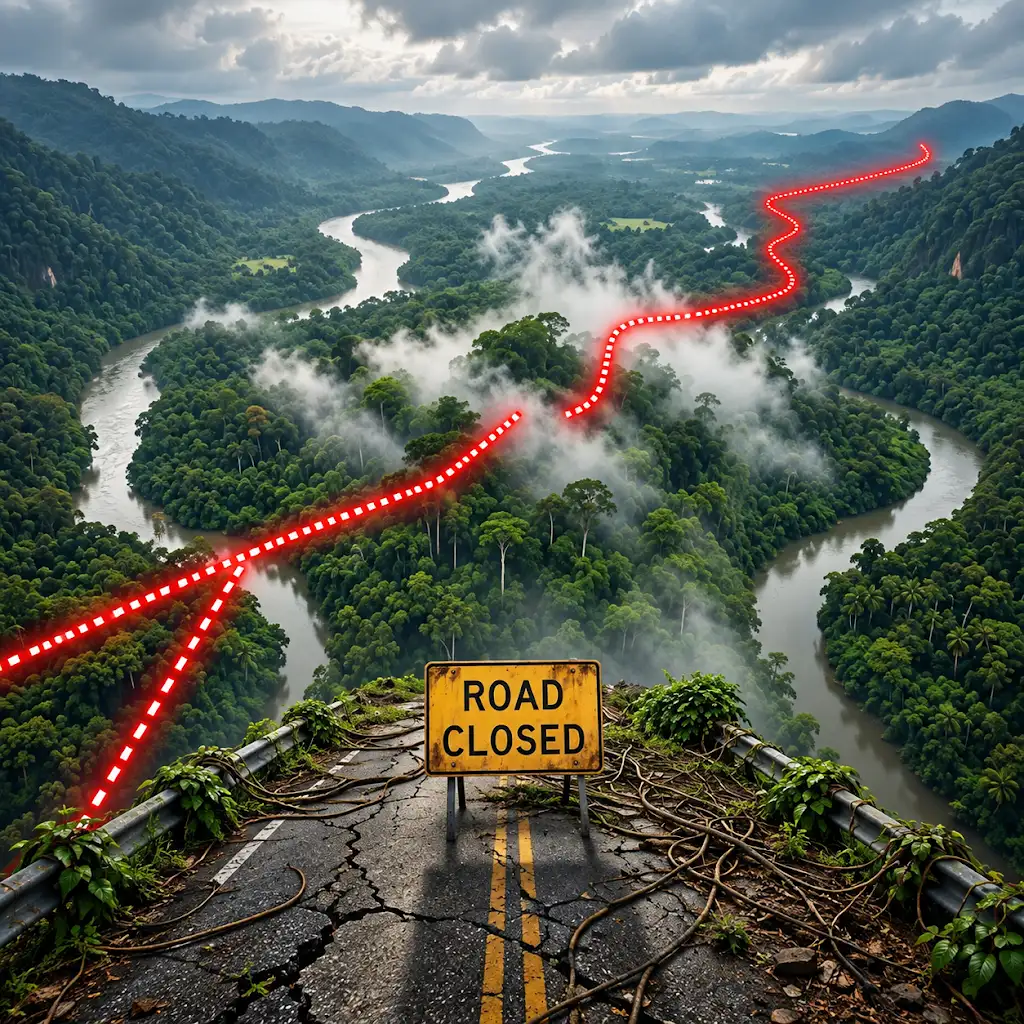
Why the World’s Longest Highway Stops Here
FAQs
What is the origin of the Pan American Highway in the 1920s?
The idea for the Pan American Highway was first proposed at the Fifth International Conference of American States in 1923. The goal was to create a network of roads that would connect the countries of the Americas, promoting trade and cultural exchange.
Which countries were involved in the planning of the Pan American Highway in the 1920s?
The countries that were involved in the planning of the Pan American Highway in the 1920s included the United States, Mexico, and several Central American countries. The project was later expanded to include countries in South America as well.
What were some of the challenges faced during the construction of the Pan American Highway in the 1920s?
Some of the challenges faced during the construction of the Pan American Highway in the 1920s included rugged terrain, political obstacles, and funding issues. Building a road that spanned such a vast distance and varied geography was no easy feat.
How did the completion of the Pan American Highway in the 1920s impact transportation in the Americas?
The completion of the Pan American Highway in the 1920s greatly improved transportation in the Americas by providing a continuous route for vehicles to travel from Alaska to Argentina. This helped to facilitate trade and travel between countries in the region.
Is the Pan American Highway still in use today?
Yes, the Pan American Highway is still in use today. It has undergone many improvements and expansions since its initial construction in the 1920s, and it remains an important transportation route in the Americas.