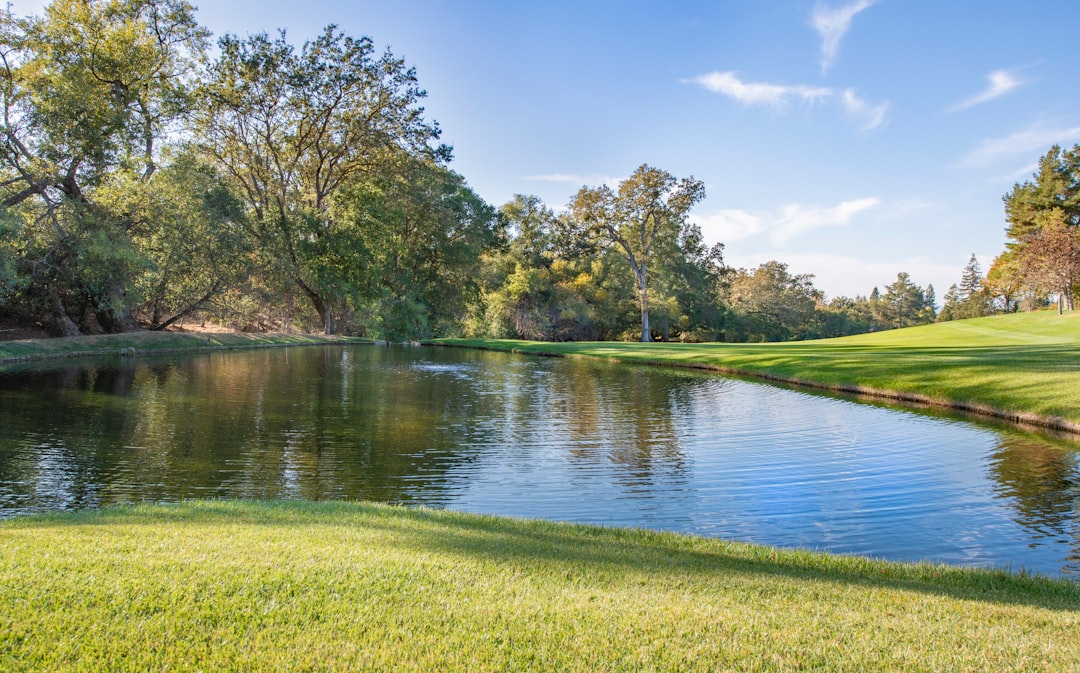
The North Aral Sea: A Remarkable Recovery
The Aral Sea, once the fourth-largest lake in the world, was a vast inland body of water that sustained vibrant ecosystems and livelihoods for communities across Central Asia. However, decades of Soviet-era irrigation projects, diverting its main water sources – the Amu Darya and Syr Darya rivers – led to a catastrophic shrinkage. The sea fractured into several smaller remnants, the most devastated being the South Aral Sea, which virtually disappeared, leaving behind a toxic, salt-encrusted desert. Yet, amidst this ecological tragedy, a beacon of hope emerged in the North Aral Sea, a testament to dedicated conservation efforts and the resilience of nature. This region, once on the brink of ecological collapse, has witnessed a remarkable recovery, offering valuable lessons for environmental restoration worldwide.
The story of the Aral Sea’s demise is inextricably linked to the ambitious agricultural policies of the Soviet Union. In the mid-20th century, the Soviet government embarked on a massive project to transform the arid Central Asian plains into fertile cotton-producing regions. This ambition, while seemingly driven by economic progress, came at a devastating cost to the Aral Sea.
The Grand Irrigation Scheme
The cornerstone of this endeavor was the construction of extensive irrigation networks, diverting vast quantities of water from the Amu Darya and Syr Darya rivers, the lifeblood of the Aral Sea. These canals, designed to irrigate millions of hectares of farmland, were often inefficient, with significant water loss due to seepage and evaporation. The sheer scale of the diversion meant that by the late 20th century, barely a trickle of water reached the Aral Sea.
The Ecological Fallout
The consequences were immediate and catastrophic. The Aral Sea’s water levels plummeted, its salinity soared, and its once-thriving fishing industry collapsed. The receding shorelines exposed a vast expanse of dried seabed, transforming into the Aralkum Desert. This desert was not merely barren; it was laden with salt, toxic pesticides, and agricultural chemicals, creating a perpetual dust storm that spread these contaminants far and wide, impacting human health and ecosystems across the region.
The Socio-Economic Devastation
The ecological disaster had profound socio-economic repercussions. Fishing communities, once dependent on the Aral Sea, were decimated. Unemployment and poverty became rampant as traditional livelihoods vanished. The health of local populations deteriorated due to the contaminated dust and the loss of a stable climate. The Aral Sea, once a source of life and prosperity, had become a symbol of environmental destruction and human suffering.
The remarkable recovery of the North Aral Sea has been a topic of interest for environmentalists and researchers alike. This revitalization, largely attributed to the construction of the Kok-Aral Dam, has led to significant improvements in local biodiversity and fisheries. For a deeper understanding of the factors contributing to this ecological turnaround, you can explore a related article that discusses the various strategies implemented to restore the North Aral Sea. For more information, visit this article.
A Glimmer of Hope: The Kok-Aral Dam and the North Aral Sea
As the Aral Sea continued its rapid decline, a critical distinction emerged between the larger, more profoundly affected South Aral Sea and the smaller, more northerly section. It was in this North Aral Sea, also known as the Small Aral Sea, that the first rays of hope began to penetrate the ecological gloom. The key to this nascent recovery lay in a bold and ambitious engineering feat: the construction of the Kok-Aral Dam.
The Vision of Revival
Recognizing the distinct fate of the North Aral Sea, Kazakh scientists and policymakers began to advocate for a dedicated restoration effort. Their focus was on isolating the North Aral Sea from the devastating impacts affecting the South Aral Sea and then attempting to replenish its waters. This vision, while met with skepticism, gained momentum as the dire situation became increasingly apparent.
The Construction of the Kok-Aral Dam
The Kok-Aral Dam, a concrete structure spanning the strait connecting the North Aral Sea to the South Aral Sea, was completed in 2005 with the support of the World Bank. The dam’s primary purpose was to prevent further outflow of water from the North Aral Sea and to allow it to be refilled by water from the Syr Darya River. This was a crucial step, creating a controlled environment for the North Aral Sea’s recovery.
Initial Challenges and Triumphs
The initial years following the dam’s construction were met with both challenges and early successes. While the dam effectively halted the seaward drainage, the Syr Darya River’s flow was still limited, and the water levels took time to rise significantly. However, even small increases in water volume and a gradual decrease in salinity began to show positive impacts, rekindling hope for the region.
The Slow and Steady Inflow: Re-Watering the Aral
The success of the Kok-Aral Dam was fundamentally dependent on the consistent and sufficient inflow of water from the Syr Darya River. This aspect of the recovery was not solely an engineering feat but also a diplomatic and ecological challenge, requiring coordinated efforts to manage water resources more sustainably.
Managing the Syr Darya’s Flow
The Syr Darya River’s flow is influenced by a complex system of dams and reservoirs, primarily used for agricultural irrigation and hydroelectric power generation. To facilitate the Aral Sea’s recovery, agreements were put in place to prioritize water release into the Syr Darya during critical periods, especially during the flood season. This required careful planning and cooperation between Kazakhstan, Uzbekistan, and other riparian states.
The Role of Rainfall and Snowmelt
Beyond managed releases, natural hydrological factors play a significant role in replenishing the North Aral Sea. Increased snowfall in the Tian Shan Mountains, the source of the Syr Darya, and favorable rainfall patterns contribute to higher river flows. These natural variations are crucial in accelerating the recovery process, demonstrating the interconnectedness of regional ecosystems.
The Impact of Reduced Evaporation
With the North Aral Sea becoming smaller and its surface area reduced compared to its historical state, evaporation rates, while still significant, have lessened compared to the larger, more exposed former sea. This relative reduction in water loss, coupled with increased inflow, further aids in the water level rise.
Signs of Rebirth: Ecological Resurgence
The sustained inflow of fresh water into the North Aral Sea has triggered a remarkable ecological transformation, a vivid demonstration of nature’s ability to rebound when given a chance. The barren, saline landscape is slowly giving way to a more vibrant and diverse ecosystem.
The Return of Aquatic Life
One of the most immediate and encouraging signs of recovery has been the return of fish populations. As the salinity levels decreased from toxic highs to more habitable ranges, various fish species, including bream, carp, and even some species of pike, began to reappear. This resurgence is a direct consequence of improved water quality and the re-establishment of a suitable aquatic environment.
The Reawakening of Birdlife
The revitalized Aral Sea has also become a magnet for a diverse array of birdlife. Migratory birds, which had largely abandoned the region, are now returning to nest and feed. The increased presence of fish and insects provides a crucial food source, supporting a thriving avian population. Wetland ecosystems, once devastated, are slowly reforming, creating new habitats for various bird species.
The Greening of the Shorelines
The receding toxic dust and the gradual return of freshwater have also allowed vegetation to creep back onto the shorelines. Halophytic plants, adapted to saline conditions, are beginning to establish themselves, stabilizing the soil and reducing wind erosion. This process of re-vegetation is critical in preventing the re-emergence of toxic dust storms.
The remarkable recovery of the North Aral Sea has been a focal point for environmental restoration efforts, showcasing how targeted interventions can lead to significant ecological improvements. A related article discusses the various strategies implemented to revitalize this once-dwindling body of water and the positive impacts on local communities and wildlife. For more insights on this transformative journey, you can read the full story in this article. The success of the North Aral Sea serves as an inspiring example for similar projects around the world.
Economic Revitalization: A New Dawn for Local Communities
| Metrics | Recovery Data |
|---|---|
| Water Level | Increased by 3 meters since 2003 |
| Fish Population | Increased significantly due to improved water quality |
| Ecosystem | Recovery of wetlands and vegetation |
| Economic Impact | Improved livelihoods for local communities through fishing and tourism |
The ecological recovery of the North Aral Sea is not merely an environmental success story; it is also a narrative of socio-economic revitalization, offering renewed hope and opportunities for the local communities who have endured decades of hardship.
The Resurgence of Fishing
The most tangible economic benefit has been the revival of the fishing industry. As fish stocks have rebounded, local fishermen have returned to the water, their livelihoods gradually being restored. While the scale of fishing is not yet at the level of its pre-disaster peak, it provides a vital source of income and sustenance for families in the region. This has led to the re-establishment of local fish processing and trading activities.
New Opportunities in Ecotourism
The remarkable transformation of the North Aral Sea has also opened doors for ecotourism. Visitors are increasingly drawn to witness the recovery firsthand, exploring the unique landscape and observing the returning wildlife. This burgeoning tourism sector provides employment opportunities in guiding, hospitality, and handicraft production, diversifying the local economy.
Regional Cooperation and Knowledge Sharing
The success of the North Aral Sea restoration has fostered stronger regional cooperation. Kazakhstan has become a hub for knowledge sharing and best practices in Aral Sea recovery, collaborating with other nations facing similar environmental challenges. This collaborative spirit is crucial for ensuring the long-term sustainability of the Aral Sea ecosystem and for addressing future water resource management issues. The ongoing monitoring and adaptive management strategies are key to this sustained effort.
The recovery of the North Aral Sea stands as a powerful testament to the possibility of ecological restoration, even in the face of profound environmental degradation. It is a story of human ingenuity, perseverance, and the remarkable resilience of nature. While challenges remain, and the South Aral Sea’s fate is still uncertain, the North Aral Sea offers a vital beacon of hope, proving that with dedicated effort and a commitment to sustainable practices, even the most damaged ecosystems can begin to heal. The lessons learned from this extraordinary recovery are invaluable, offering guidance and inspiration for environmental restoration efforts across the globe. The ongoing commitment to monitoring, adaptive management, and continued international cooperation will be essential to secure the long-term future of this rejuvenated body of water.

The Sea the Soviet Union Erased From the Map
FAQs
1. What caused the depletion of the North Aral Sea?
The depletion of the North Aral Sea was primarily caused by the diversion of water from the two rivers that fed it, the Amu Darya and the Syr Darya, for irrigation purposes during the Soviet era.
2. How has the North Aral Sea recovered?
The North Aral Sea has recovered through a combination of efforts, including the construction of a dam, the Kok-Aral, which has helped to restore water levels, as well as the implementation of water-saving technologies in the surrounding agricultural areas.
3. What impact has the recovery of the North Aral Sea had on the surrounding environment?
The recovery of the North Aral Sea has had a positive impact on the surrounding environment, leading to the return of fish and bird populations, as well as improvements in air quality and the overall ecosystem.
4. What are the ongoing challenges in maintaining the recovery of the North Aral Sea?
Ongoing challenges in maintaining the recovery of the North Aral Sea include the need for continued water management and conservation efforts, as well as addressing the long-term environmental and economic impacts of its depletion.
5. What can be learned from the recovery of the North Aral Sea for other environmental restoration efforts?
The recovery of the North Aral Sea serves as a valuable example of how collaborative efforts, innovative technologies, and sustainable practices can lead to the restoration of a degraded ecosystem, providing valuable lessons for other environmental restoration efforts around the world.