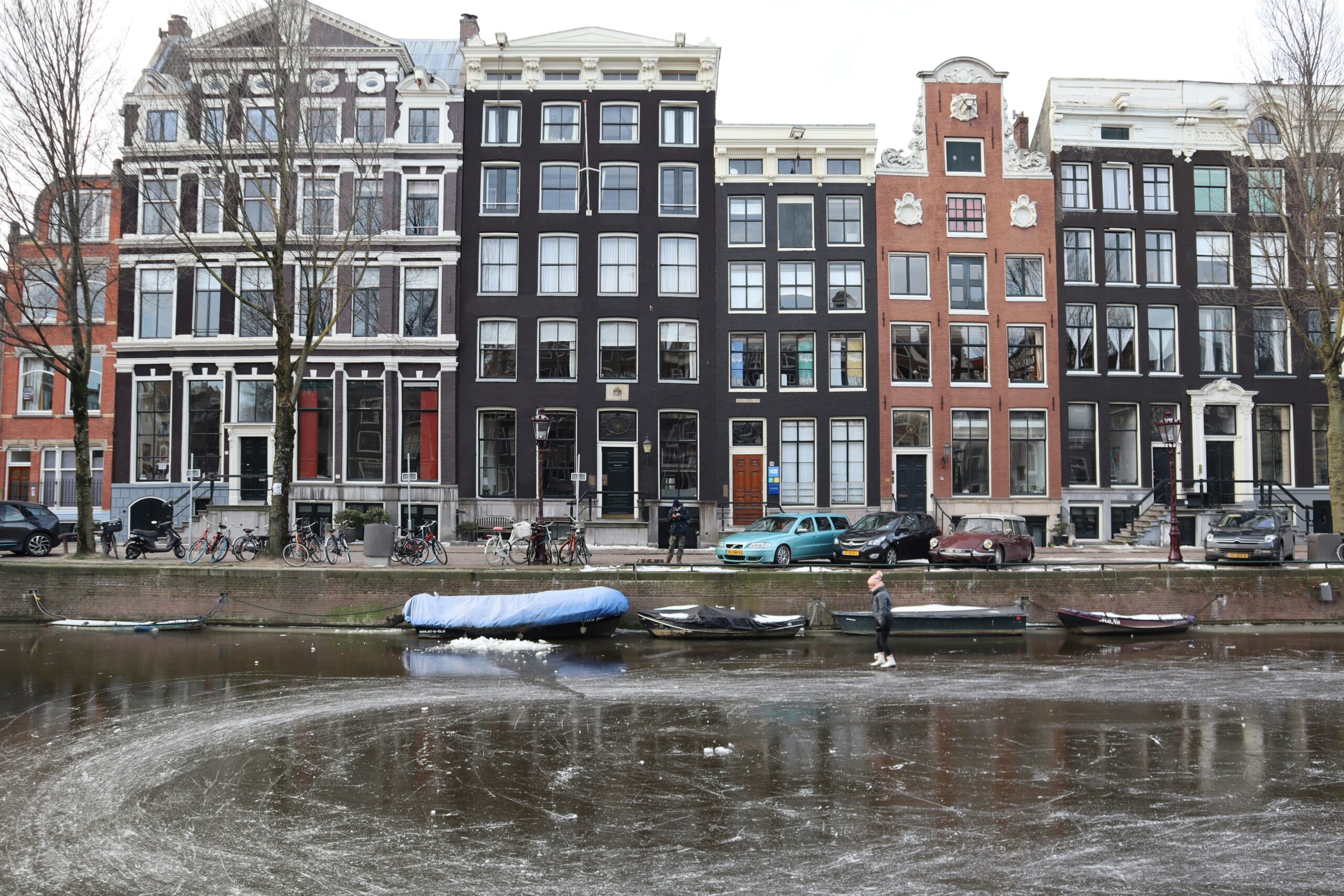
The Netherlands Flood Disaster of 1953: A Tragic Tale of Devastation

The Netherlands, a nation long defined by its intricate dance with water, found itself on the precipice of an unprecedented catastrophe in the early hours of February 1, 1953. The North Sea, a restless giant, unleashed its fury in a devastating storm surge that overwhelmed the country’s meticulously engineered defenses, plunging vast swathes of its low-lying territory into a watery abyss. This was not merely a natural disaster; it was a wound etched into the collective memory of a nation, a tragic tale of devastation that would forever shape its approach to water management and national resilience.

The Dutch landscape, a testament to centuries of human endeavor in reclaiming land from the sea, is characterized by its low elevation. Much of the country lies below sea level, protected by an intricate network of dikes, dunes, and pumping stations. This inherent vulnerability, however, was amplified by a confluence of meteorological and geographical factors that converged on that fateful night.

An Unholy Alliance of Elements

The storm that battered the Dutch coast was not an isolated event but rather the culmination of several atmospheric phenomena. A powerful depression had formed over the Atlantic, drawing in cold Arctic air and intensifying as it moved eastward. This depression brought with it gale-force winds, consistently blowing from the northwest. Crucially, this wind direction was the most detrimental for the Netherlands, as it pushed the North Sea waters directly towards the vulnerable coastline.

Astronomical Tides and Their Sinister Contribution

Compounding the ferocity of the storm was the timing of the surge. The disaster struck during a spring tide, a period when the gravitational pull of both the sun and the moon align, resulting in exceptionally high tides. This natural astronomical phenomenon meant that the sea level was already elevated, providing a formidable starting point for the storm surge to build upon. When the storm’s winds further pushed this elevated water mass towards the coast, the impact was magnified exponentially.

The Geographical Vulnerability of the Delta

The southwestern region of the Netherlands, particularly the provinces of Zeeland and Zuid-Holland, bore the brunt of the disaster. This area is characterized by a labyrinth of islands and peninsulas, formed by the delta of the rivers Rhine, Meuse, and Scheldt. While these waterways provided fertile land and vital trade routes, they also created a complex and exposed coastline, riddled with numerous inlets and waterways that offered easy access for the encroaching sea. The existing dike system, while extensive, was not designed to withstand the sheer force and unprecedented height of the surge that was building.

The Netherlands flood disaster of 1953 was a catastrophic event that reshaped the country’s approach to water management and disaster preparedness. For a deeper understanding of the impact and aftermath of this tragedy, you can read a related article that explores the historical context and the significant changes implemented in flood defense systems. For more information, visit this link.

The Night of Terror: The Breach and the Inundation

As the storm raged throughout the night, the sea began its relentless assault. The dikes, built to a specific height and strength, were pushed to their absolute limit. The wind hammered them, and the rising water gnawed at their foundations. Then, in a horrifying sequence of events, the defenses began to crumble.

The First Breaches: A Cascade of Destruction

The initial breaches occurred in the early hours of February 1st. The sheer force of the water proved too much for many of the older, less robust sections of the dike system. The wind’s sustained pressure, combined with the immense volume of water, created a relentless battering that eventually led to structural failures. Once a breach occurred, the situation escalated rapidly.

The Relentless March of the North Sea

The sea, once through a dike, surged inland with unimaginable speed and power. It was not a gentle flooding; it was an invasion. Rivers and canals overflowed, transforming fields, villages, and towns into treacherous, churning lakes. The water was not just water; it carried debris – tree branches, farm equipment, and sadly, the remnants of homes and lives.

The Unpreparedness and the Human Cost

For many residents, the inundation was swift and brutal. Due to the timing of the disaster (early morning hours and a Sunday), many were caught unaware in their homes. Warnings, if any, were insufficient to convey the sheer scale of the impending disaster. The rapid rise of the water left little time for escape, trapping people and animals alike. The chilling accounts from survivors paint a stark picture of the terror and helplessness experienced during those dark hours.

The Devastating Aftermath: Loss of Life and Landscape
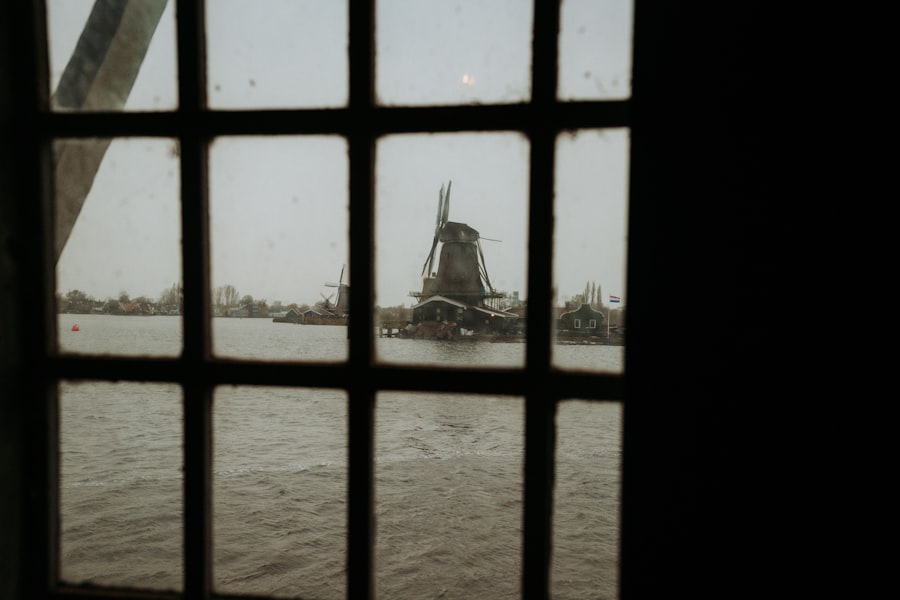
Netherlands flood disaster 1953

When dawn broke on February 1st, it revealed a scene of unimaginable devastation. The Netherlands, a nation known for its order and beauty, was submerged and scarred. The human cost was staggering, a loss that would forever resonate through the country.

The Unfathomable Death Toll

The official death toll reached 1,836 people, a number that was almost incomprehensible for a nation of its size. This figure, however, likely doesn’t fully capture the extent of the loss, as many bodies were never recovered, swept out to sea by the currents. Families were torn apart, communities decimated, and the grief was palpable. The loss of life was a stark reminder of humanity’s vulnerability in the face of nature’s raw power.

A Landscape Transformed: Submergence and Destruction

Vast areas of the southwestern Netherlands were submerged under several meters of water. Homes, farms, and businesses were destroyed or severely damaged. Livestock drowned, and agricultural land was ruined, contaminated by saltwater. The once familiar landscape was rendered alien, a waterlogged expanse where life had been extinguished or swept away. Roads were impassable, making rescue efforts incredibly difficult in the initial hours and days.

The Psychological Scar: Fear and Resilience

Beyond the physical destruction, the flood left a deep psychological scar on the Dutch population. The feeling of security, derived from the nation’s mastery over water, was shattered. The constant threat of water, once a familiar element of life, now held a new, terrifying dimension. Yet, amidst the despair, a remarkable spirit of resilience and determination began to emerge.

The Long Road to Recovery: Rescue, Relief, and Reconstruction

The immediate aftermath of the disaster was a period of intense rescue and relief efforts. The scale of the catastrophe demanded a national and international response, a testament to human solidarity in the face of tragedy. The subsequent reconstruction efforts would redefine Dutch water management for generations to come.

The Herculean Task of Rescue

In the initial hours and days, the primary focus was on rescuing survivors. The Dutch military, civilian emergency services, and countless volunteers worked tirelessly, often in perilous conditions, to reach stranded individuals. Helicopters, boats, and any available means of transport were deployed to pluck people from rooftops and isolated pockets of land. The urgency of the situation meant that every minute counted.

International Aid and National Solidarity

The international community responded with an outpouring of support. Nations around the world offered financial aid, supplies, and personnel to assist the Netherlands. This global solidarity underscored the shared humanity that transcends national borders when faced with such profound suffering. Domestically, a wave of national unity swept across the country, with people from unaffected regions volunteering their time and resources to help those who had lost everything.

The Monumental Challenge of Reconstruction

Reconstruction was a monumental task that spanned years. The damaged dikes had to be repaired and reinforced. Homes and businesses needed to be rebuilt. The contaminated land required extensive rehabilitation. The economic impact was significant, placing a heavy burden on the Dutch economy.

The Netherlands flood disaster of 1953 remains one of the most devastating natural calamities in European history, leading to significant changes in water management policies. For those interested in exploring the impact of this disaster and the subsequent improvements in flood defense systems, a related article can be found at this link. The tragedy not only reshaped the Dutch landscape but also served as a catalyst for innovations in engineering and environmental planning.

The Delta Works: A Legacy of Prevention

“`html

Metrics Data
Date January 31, 1953
Location Netherlands
Deaths 1,835
Evacuees Approximately 70,000
Damage Widespread destruction of infrastructure and farmland

“`

The 1953 flood disaster served as a harsh but ultimately transformative lesson for the Netherlands. The nation recognized that its existing water defenses were no longer adequate to protect against increasingly severe storm surges. This realization spurred the development of one of the most ambitious engineering projects in human history: the Delta Works.

Rethinking Water Defense: The Birth of an Idea

The immediate response to the disaster involved repairing and strengthening existing dikes. However, it quickly became apparent that this was a temporary solution. A fundamental reevaluation of the Netherlands’ approach to water management was necessary. Engineers and policymakers began to explore more radical and robust solutions to safeguard the nation from future inundation.

The Scale and Ambition of the Delta Works

The Delta Works, a vast system of dams, sluices, and storm surge barriers, was conceived to protect the vulnerable Delta region from the North Sea. Unlike traditional dikes that run along the coast, the Delta Works aimed to significantly shorten the coastline by closing off estuaries and inlets. This would dramatically reduce the number of vulnerable points that needed to be defended.

The Engineering Marvels: Innovations in Water Control

The construction of the Delta Works involved groundbreaking engineering innovations. The Oosterscheldekering, a monumental storm surge barrier, stands as a testament to this ingenuity. This massive structure, equipped with 62 colossal steel gates, can be closed during periods of high tide and storm surges, effectively sealing off the Oosterscheldt estuary from the sea. Other components of the Delta Works include the Haringvlietdam, the Brouwersdam, and the Volkerakdam, each playing a crucial role in controlling water levels and protecting the land.

A Lasting Legacy: From Tragedy to Resilience

The Delta Works, completed in the early 1990s, represent a triumph of human ingenuity and a profound lesson learned from tragedy. They have significantly enhanced the safety and security of the Netherlands against flooding. The project, however, is not just about engineering; it is about the nation’s unwavering commitment to protecting its people and its land. The 1953 flood disaster, a night of unimaginable terror and devastation, ultimately spurred the creation of a resilient future, a testament to the Dutch spirit of facing challenges head-on and emerging stronger. The memory of the 1,836 lives lost serves as a perpetual reminder of the importance of respecting and understanding the power of water, and the continuous need for vigilance and innovation in its management.

Section Image

The Dangerous Sea Europe Can’t Live Without

WATCH NOW! ▶️

FAQs

What was the Netherlands flood disaster of 1953?

The Netherlands flood disaster of 1953, also known as the North Sea flood, was a catastrophic flood that occurred on the night of January 31 to February 1, 1953. A combination of a high spring tide and a severe European windstorm led to the breaching of several dikes and the flooding of a large area of land in the Netherlands.

How many people were affected by the flood?

The flood affected approximately 1,836 square miles of land in the Netherlands, with over 9% of the country’s population directly impacted. The flood resulted in the deaths of over 1,800 people, and caused the evacuation of tens of thousands of others.

What were the causes of the flood disaster?

The flood disaster was caused by a combination of factors, including a high spring tide, a severe European windstorm, and the failure of several dikes. The storm surge, combined with the high tide, led to the breaching of the dikes, allowing seawater to flood the low-lying areas of the Netherlands.

What were the immediate and long-term effects of the flood?

The immediate effects of the flood disaster included the loss of life, widespread destruction of property, and the displacement of thousands of people. In the long term, the Netherlands implemented a comprehensive flood protection program, including the construction of the Delta Works, a series of dams, sluices, locks, dykes, levees, and storm surge barriers, to prevent future flooding.

How did the Netherlands recover from the flood disaster?

In the aftermath of the flood disaster, the Netherlands received international aid and support for its recovery efforts. The country also implemented new policies and infrastructure to improve its flood protection and disaster response capabilities. The recovery and rebuilding efforts took several years, but the Netherlands emerged with a stronger and more resilient approach to managing flood risks.

Leave a Comment

Leave a Reply

Your email address will not be published. Required fields are marked *

The Netherlands Flood Disaster of 1953: A Tragic Tale of Devastation

The Netherlands, a nation long defined by its intricate dance with water, found itself on the precipice of an unprecedented catastrophe in the early hours of February 1, 1953. The North Sea, a restless giant, unleashed its fury in a devastating storm surge that overwhelmed the country’s meticulously engineered defenses, plunging vast swathes of its low-lying territory into a watery abyss. This was not merely a natural disaster; it was a wound etched into the collective memory of a nation, a tragic tale of devastation that would forever shape its approach to water management and national resilience.

The Dutch landscape, a testament to centuries of human endeavor in reclaiming land from the sea, is characterized by its low elevation. Much of the country lies below sea level, protected by an intricate network of dikes, dunes, and pumping stations. This inherent vulnerability, however, was amplified by a confluence of meteorological and geographical factors that converged on that fateful night.

An Unholy Alliance of Elements

The storm that battered the Dutch coast was not an isolated event but rather the culmination of several atmospheric phenomena. A powerful depression had formed over the Atlantic, drawing in cold Arctic air and intensifying as it moved eastward. This depression brought with it gale-force winds, consistently blowing from the northwest. Crucially, this wind direction was the most detrimental for the Netherlands, as it pushed the North Sea waters directly towards the vulnerable coastline.

Astronomical Tides and Their Sinister Contribution

Compounding the ferocity of the storm was the timing of the surge. The disaster struck during a spring tide, a period when the gravitational pull of both the sun and the moon align, resulting in exceptionally high tides. This natural astronomical phenomenon meant that the sea level was already elevated, providing a formidable starting point for the storm surge to build upon. When the storm’s winds further pushed this elevated water mass towards the coast, the impact was magnified exponentially.

The Geographical Vulnerability of the Delta

The southwestern region of the Netherlands, particularly the provinces of Zeeland and Zuid-Holland, bore the brunt of the disaster. This area is characterized by a labyrinth of islands and peninsulas, formed by the delta of the rivers Rhine, Meuse, and Scheldt. While these waterways provided fertile land and vital trade routes, they also created a complex and exposed coastline, riddled with numerous inlets and waterways that offered easy access for the encroaching sea. The existing dike system, while extensive, was not designed to withstand the sheer force and unprecedented height of the surge that was building.

The Netherlands flood disaster of 1953 was a catastrophic event that reshaped the country’s approach to water management and disaster preparedness. For a deeper understanding of the impact and aftermath of this tragedy, you can read a related article that explores the historical context and the significant changes implemented in flood defense systems. For more information, visit this link.

The Night of Terror: The Breach and the Inundation

As the storm raged throughout the night, the sea began its relentless assault. The dikes, built to a specific height and strength, were pushed to their absolute limit. The wind hammered them, and the rising water gnawed at their foundations. Then, in a horrifying sequence of events, the defenses began to crumble.

The First Breaches: A Cascade of Destruction

The initial breaches occurred in the early hours of February 1st. The sheer force of the water proved too much for many of the older, less robust sections of the dike system. The wind’s sustained pressure, combined with the immense volume of water, created a relentless battering that eventually led to structural failures. Once a breach occurred, the situation escalated rapidly.

The Relentless March of the North Sea

The sea, once through a dike, surged inland with unimaginable speed and power. It was not a gentle flooding; it was an invasion. Rivers and canals overflowed, transforming fields, villages, and towns into treacherous, churning lakes. The water was not just water; it carried debris – tree branches, farm equipment, and sadly, the remnants of homes and lives.

The Unpreparedness and the Human Cost

For many residents, the inundation was swift and brutal. Due to the timing of the disaster (early morning hours and a Sunday), many were caught unaware in their homes. Warnings, if any, were insufficient to convey the sheer scale of the impending disaster. The rapid rise of the water left little time for escape, trapping people and animals alike. The chilling accounts from survivors paint a stark picture of the terror and helplessness experienced during those dark hours.

The Devastating Aftermath: Loss of Life and Landscape

Netherlands flood disaster 1953

When dawn broke on February 1st, it revealed a scene of unimaginable devastation. The Netherlands, a nation known for its order and beauty, was submerged and scarred. The human cost was staggering, a loss that would forever resonate through the country.

The Unfathomable Death Toll

The official death toll reached 1,836 people, a number that was almost incomprehensible for a nation of its size. This figure, however, likely doesn’t fully capture the extent of the loss, as many bodies were never recovered, swept out to sea by the currents. Families were torn apart, communities decimated, and the grief was palpable. The loss of life was a stark reminder of humanity’s vulnerability in the face of nature’s raw power.

A Landscape Transformed: Submergence and Destruction

Vast areas of the southwestern Netherlands were submerged under several meters of water. Homes, farms, and businesses were destroyed or severely damaged. Livestock drowned, and agricultural land was ruined, contaminated by saltwater. The once familiar landscape was rendered alien, a waterlogged expanse where life had been extinguished or swept away. Roads were impassable, making rescue efforts incredibly difficult in the initial hours and days.

The Psychological Scar: Fear and Resilience

Beyond the physical destruction, the flood left a deep psychological scar on the Dutch population. The feeling of security, derived from the nation’s mastery over water, was shattered. The constant threat of water, once a familiar element of life, now held a new, terrifying dimension. Yet, amidst the despair, a remarkable spirit of resilience and determination began to emerge.

The Long Road to Recovery: Rescue, Relief, and Reconstruction

The immediate aftermath of the disaster was a period of intense rescue and relief efforts. The scale of the catastrophe demanded a national and international response, a testament to human solidarity in the face of tragedy. The subsequent reconstruction efforts would redefine Dutch water management for generations to come.

The Herculean Task of Rescue

In the initial hours and days, the primary focus was on rescuing survivors. The Dutch military, civilian emergency services, and countless volunteers worked tirelessly, often in perilous conditions, to reach stranded individuals. Helicopters, boats, and any available means of transport were deployed to pluck people from rooftops and isolated pockets of land. The urgency of the situation meant that every minute counted.

International Aid and National Solidarity

The international community responded with an outpouring of support. Nations around the world offered financial aid, supplies, and personnel to assist the Netherlands. This global solidarity underscored the shared humanity that transcends national borders when faced with such profound suffering. Domestically, a wave of national unity swept across the country, with people from unaffected regions volunteering their time and resources to help those who had lost everything.

The Monumental Challenge of Reconstruction

Reconstruction was a monumental task that spanned years. The damaged dikes had to be repaired and reinforced. Homes and businesses needed to be rebuilt. The contaminated land required extensive rehabilitation. The economic impact was significant, placing a heavy burden on the Dutch economy.

The Netherlands flood disaster of 1953 remains one of the most devastating natural calamities in European history, leading to significant changes in water management policies. For those interested in exploring the impact of this disaster and the subsequent improvements in flood defense systems, a related article can be found at this link. The tragedy not only reshaped the Dutch landscape but also served as a catalyst for innovations in engineering and environmental planning.

The Delta Works: A Legacy of Prevention

“`html

Metrics Data
Date January 31, 1953
Location Netherlands
Deaths 1,835
Evacuees Approximately 70,000
Damage Widespread destruction of infrastructure and farmland

“`

The 1953 flood disaster served as a harsh but ultimately transformative lesson for the Netherlands. The nation recognized that its existing water defenses were no longer adequate to protect against increasingly severe storm surges. This realization spurred the development of one of the most ambitious engineering projects in human history: the Delta Works.

Rethinking Water Defense: The Birth of an Idea

The immediate response to the disaster involved repairing and strengthening existing dikes. However, it quickly became apparent that this was a temporary solution. A fundamental reevaluation of the Netherlands’ approach to water management was necessary. Engineers and policymakers began to explore more radical and robust solutions to safeguard the nation from future inundation.

The Scale and Ambition of the Delta Works

The Delta Works, a vast system of dams, sluices, and storm surge barriers, was conceived to protect the vulnerable Delta region from the North Sea. Unlike traditional dikes that run along the coast, the Delta Works aimed to significantly shorten the coastline by closing off estuaries and inlets. This would dramatically reduce the number of vulnerable points that needed to be defended.

The Engineering Marvels: Innovations in Water Control

The construction of the Delta Works involved groundbreaking engineering innovations. The Oosterscheldekering, a monumental storm surge barrier, stands as a testament to this ingenuity. This massive structure, equipped with 62 colossal steel gates, can be closed during periods of high tide and storm surges, effectively sealing off the Oosterscheldt estuary from the sea. Other components of the Delta Works include the Haringvlietdam, the Brouwersdam, and the Volkerakdam, each playing a crucial role in controlling water levels and protecting the land.

A Lasting Legacy: From Tragedy to Resilience

The Delta Works, completed in the early 1990s, represent a triumph of human ingenuity and a profound lesson learned from tragedy. They have significantly enhanced the safety and security of the Netherlands against flooding. The project, however, is not just about engineering; it is about the nation’s unwavering commitment to protecting its people and its land. The 1953 flood disaster, a night of unimaginable terror and devastation, ultimately spurred the creation of a resilient future, a testament to the Dutch spirit of facing challenges head-on and emerging stronger. The memory of the 1,836 lives lost serves as a perpetual reminder of the importance of respecting and understanding the power of water, and the continuous need for vigilance and innovation in its management.

Section Image

The Dangerous Sea Europe Can’t Live Without

WATCH NOW! ▶️

FAQs

What was the Netherlands flood disaster of 1953?

The Netherlands flood disaster of 1953, also known as the North Sea flood, was a catastrophic flood that occurred on the night of January 31 to February 1, 1953. A combination of a high spring tide and a severe European windstorm led to the breaching of several dikes and the flooding of a large area of land in the Netherlands.

How many people were affected by the flood?

The flood affected approximately 1,836 square miles of land in the Netherlands, with over 9% of the country’s population directly impacted. The flood resulted in the deaths of over 1,800 people, and caused the evacuation of tens of thousands of others.

What were the causes of the flood disaster?

The flood disaster was caused by a combination of factors, including a high spring tide, a severe European windstorm, and the failure of several dikes. The storm surge, combined with the high tide, led to the breaching of the dikes, allowing seawater to flood the low-lying areas of the Netherlands.

What were the immediate and long-term effects of the flood?

The immediate effects of the flood disaster included the loss of life, widespread destruction of property, and the displacement of thousands of people. In the long term, the Netherlands implemented a comprehensive flood protection program, including the construction of the Delta Works, a series of dams, sluices, locks, dykes, levees, and storm surge barriers, to prevent future flooding.

How did the Netherlands recover from the flood disaster?

In the aftermath of the flood disaster, the Netherlands received international aid and support for its recovery efforts. The country also implemented new policies and infrastructure to improve its flood protection and disaster response capabilities. The recovery and rebuilding efforts took several years, but the Netherlands emerged with a stronger and more resilient approach to managing flood risks.

Leave a Comment

Leave a Reply

Your email address will not be published. Required fields are marked *