
The hulking skeletons of retired vessels, once proud symbols of oceanic endeavor, now lie dormant, their grandeur faded, their purpose served. These leviathans of steel and wood, moored in shipyards or abandoned in remote coves, represent not just the end of an era but also a significant environmental and economic challenge. The necessity of dismantling old ships is a multifaceted issue, demanding attention from ecological, safety, and resource management perspectives. As maritime technology advances and vessels reach the end of their operational lifespans, the question of what to do with them becomes increasingly pressing. This article will delve into the critical reasons why the dismantling of old ships is not merely a logistical undertaking but an imperative for a sustainable future.
The environmental consequences of neglecting old ships are profound and far-reaching. These decaying hulks, often laden with hazardous materials, pose a significant threat to marine ecosystems and coastal communities. Ignoring this responsibility allows for the slow but steady release of pollutants into the environment, creating a toxic legacy for generations to come.
Leaching of Hazardous Substances
Asbestos and PCBs
Asbestos, once lauded for its fire-resistant properties, is a known carcinogen. Older ships, particularly those built before the widespread recognition of its dangers, are often riddled with asbestos insulation, gaskets, and other components. When these ships degrade, asbestos fibers can be released into the atmosphere and water, posing severe health risks to workers and nearby populations. Similarly, polychlorinated biphenyls (PCBs), potent environmental toxins used as coolants and lubricants in older machinery, can leach into the marine environment. These persistent organic pollutants bioaccumulate in the food chain, posing risks to marine life and, ultimately, to human health through consumption of contaminated seafood.
Heavy Metals and Fuel Residues
The hulls of ships are often coated with paints containing heavy metals like lead and mercury, which are toxic to aquatic life. As the paint deteriorates, these metals are released into the water. Furthermore, even after careful draining, residual fuels, oils, and hydraulic fluids can remain trapped within the ship’s systems. Over time, these substances can leak, creating oil slicks and contaminating sediment, disrupting delicate marine habitats and harming biodiversity. The long-term effects of chronic, low-level exposure to these contaminants can be devastating for marine ecosystems.
Impact on Marine Biodiversity
The presence of derelict ships can physically alter marine habitats. Barnacles, mussels, and algae may colonize the submerged parts of the hull, creating artificial reefs. While this can sometimes benefit certain species, the overall impact can be disruptive. More concerning is the pollution released from these vessels, which can poison or sicken marine organisms, reduce breeding success, and contribute to the decline of vulnerable species. The accumulation of plastic debris and other waste materials within the decaying structures further exacerbates the problem, creating toxic environments that can persist for decades.
Old ships are often dismantled for a variety of reasons, including safety concerns, environmental regulations, and economic factors. As detailed in the article found at this link, the process of dismantling ships not only helps in recycling valuable materials but also mitigates the environmental impact of aging vessels. The article explores the complexities involved in shipbreaking, including the challenges of hazardous materials and the importance of sustainable practices in the maritime industry.
Safety Concerns: Mitigating Risks to Human Life and Property
Beyond environmental damage, the structural integrity of old ships diminishes over time, creating significant safety hazards. These decaying giants represent a tangible threat to human life, maritime traffic, and coastal infrastructure. Proactive dismantling is crucial to avert potential catastrophes.
Structural Degradation and Collisions
The relentless forces of nature – corrosion, wave action, and weather – take their toll on ship hulls and superstructures. As steel rusts and wood rots, the structural integrity of a vessel weakens. Unattended, these ships can break apart, with debris posing a serious navigational hazard. Floating wreckage can damage other vessels, clog shipping lanes, and damage fishing gear. In severe weather, a disintegrating ship could even break free from its moorings and drift into populated areas or sensitive coastal environments.
Fire and Explosion Hazards
Older vessels often contain residual flammable materials, including fuels, lubricants, and even compressed gases. The breakdown of insulation and electrical systems can create sparks, increasing the risk of fires. In confined spaces within a decaying hull, a fire can quickly become uncontrollable and lead to explosions, posing a grave danger to any individuals in the vicinity and potentially releasing further toxic substances into the environment. The risk of explosions from decaying fuel tanks or batteries is a persistent concern in the absence of proper decommissioning.
Illicit Activities and Security Risks
Abandoned vessels can unfortunately become havens for illicit activities. They can be used for illegal dumping of waste, as bases for piracy, or as clandestine meeting points for criminal organizations. Their remote locations and lack of oversight make them attractive targets for those seeking to operate outside the law. Dismantling these ships removes these potential security risks and prevents them from being exploited for illegal purposes, contributing to a safer maritime domain.
Economic Opportunities: A Resourceful Approach to End-of-Life Management
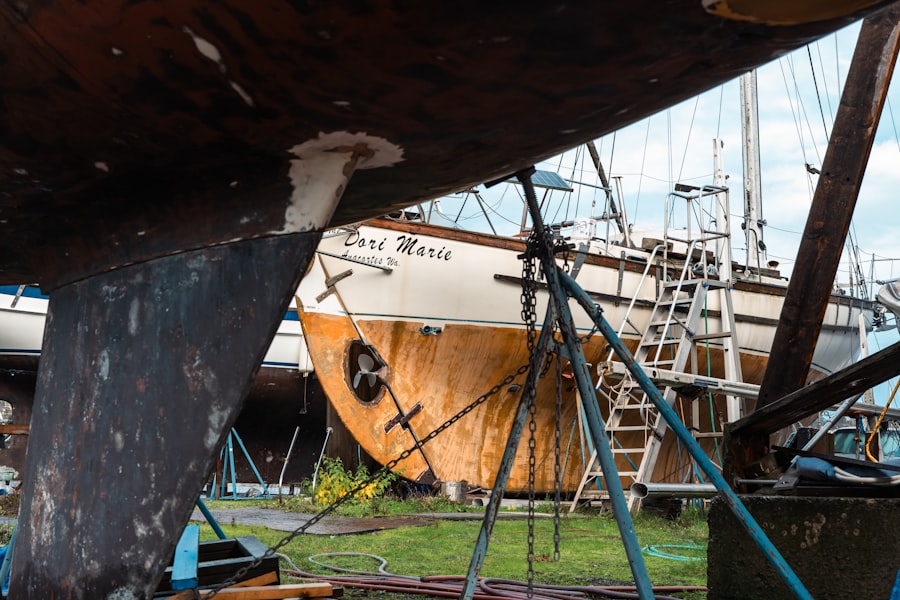
The dismantling of old ships, often referred to as shipbreaking, is not solely a matter of burden; it presents significant economic opportunities. When approached systematically and responsibly, it can transform waste into valuable resources, fostering employment and stimulating industrial development.
The Value of Scrap Metal and Materials
Ships are constructed from vast quantities of metal, primarily steel, but also include valuable non-ferrous metals like copper and aluminum. When a ship is dismantled, these metals can be salvaged, processed, and recycled. This recycled metal can then be used to manufacture new products, reducing the demand for virgin ore extraction, which is an energy-intensive and environmentally damaging process. The recycling of these materials contributes to a circular economy, where resources are kept in use for as long as possible.
Job Creation and Skill Development
The process of shipbreaking, when conducted in accordance with international labor and safety standards, creates numerous jobs. From welders and riggers to engineers and environmental specialists, a diverse range of skilled labor is required. These jobs can provide livelihoods for communities, particularly in regions with strong shipbuilding or port infrastructure. Furthermore, the specialized nature of ship dismantling can lead to the development of niche skills and expertise, fostering a specialized workforce and contributing to local economic growth. Investing in training and development for these workers is crucial to ensure safe and efficient operations.
Stimulating the Recycling Industry
The influx of salvaged materials from ship dismantling can significantly boost local and regional recycling industries. This provides a steady supply of raw materials for foundries, steel mills, and other manufacturing facilities. The demand generated by shipbreaking can incentivize investment in new recycling technologies and infrastructure, further enhancing the efficiency and sustainability of the resource recovery process. This creates a positive feedback loop, where the dismantling of old ships fuels further economic activity and innovation.
The Global Context: International Regulations and Responsible Practices
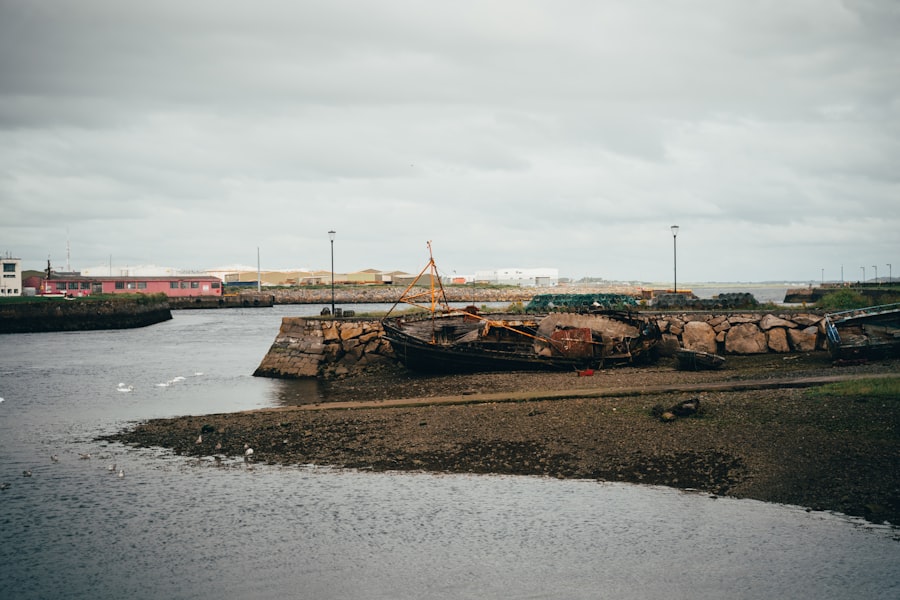
The challenges and opportunities presented by old ships are not confined to individual nations. They are a global issue requiring international cooperation and robust regulatory frameworks. Adherence to international conventions and the adoption of responsible dismantling practices are paramount.
The Hong Kong Convention
The International Convention for the Safe and Environmentally Sound Recycling of Ships, commonly known as the Hong Kong Convention, is a crucial international treaty. It aims to prevent accidents and injuries during ship recycling operations and to ensure that ships are recycled in a way that does not adversely affect human health or the environment. The convention sets international standards for ship design, construction, and operation, as well as for the ship recycling facilities themselves. Ratification and implementation of this convention are vital for ensuring global consistency in ship dismantling practices.
The Importance of Green Shipbreaking
The concept of “green shipbreaking” emphasizes environmentally sound and socially responsible dismantling. This involves minimizing pollution, protecting worker safety, and maximizing resource recovery. Facilities that adopt green shipbreaking practices often invest in advanced waste management systems, employ strict safety protocols, and provide fair labor conditions. Promoting and supporting these facilities is crucial for driving the industry towards greater sustainability and ethical responsibility.
Transboundary Movement of Ships for Recycling
The global nature of the shipping industry means that ships often end up being dismantled in countries with lower labor costs and less stringent environmental regulations. This practice, while economically attractive for some, can lead to exploitation of workers and severe environmental damage. International efforts are needed to prevent the unethical transboundary movement of ships for recycling and to ensure that all dismantling operations meet acceptable international standards, regardless of their location.
Old ships are often dismantled due to a combination of factors including safety concerns, environmental regulations, and economic viability. As vessels age, they may become less efficient and more costly to maintain, prompting owners to consider scrapping them. Additionally, the dismantling process allows for the recovery of valuable materials, which can be recycled and repurposed. For a deeper understanding of the complexities involved in ship dismantling, you can read a related article that explores these issues in detail at this link.
The Future of Ship Dismantling: Innovation and Sustainability
| Reasons for Dismantling Old Ships |
|---|
| 1. Age-related wear and tear |
| 2. Obsolescence of technology |
| 3. Environmental regulations compliance |
| 4. Safety concerns |
| 5. Economic viability |
As the maritime industry continues to evolve, so too must the practices surrounding end-of-life ship management. Embracing innovation and prioritizing sustainability will be key to addressing future challenges and maximizing the benefits of ship dismantling.
Advanced Dismantling Technologies
New technologies are constantly emerging that can make ship dismantling more efficient, safer, and environmentally friendly. This includes the use of robotics for hazardous material removal, advanced cutting techniques, and improved methods for separating and processing different materials. Investing in and adopting these technologies can significantly reduce the environmental footprint and enhance the economic viability of shipbreaking operations.
Life Cycle Assessment and Design for Decommissioning
A more proactive approach involves considering the end-of-life phase of a ship during its design and construction. This “design for decommissioning” philosophy aims to create vessels that are easier and safer to dismantle, with components that can be readily separated and recycled. Conducting thorough life cycle assessments from the outset can help identify potential environmental hotspots and inform design choices that minimize waste and maximize resource recovery throughout the ship’s entire lifespan.
The Role of Policy and Public Awareness
Effective policies and increased public awareness are crucial drivers for change in the ship dismantling sector. Governments can implement stricter regulations, offer incentives for green shipbreaking, and invest in research and development of new technologies. Public pressure can also encourage shipping companies to adopt more responsible dismantling practices. Educating the public about the importance of proper ship dismantling can foster a demand for sustainable practices and hold industries accountable for their end-of-life management.
In conclusion, the necessity of dismantling old ships is a complex and critical issue with profound implications for the environment, human safety, and economic prosperity. These decaying vessels are not mere relics of the past but active participants in shaping our future. By embracing responsible dismantling practices, adhering to international regulations, and fostering innovation, humanity can transform these end-of-life challenges into opportunities for a cleaner, safer, and more sustainable world. The sea, which has been the lifeblood of trade and exploration for centuries, deserves our diligent care, and the responsible decommissioning of its aging fleets is a vital part of that commitment.

The Beaches Global Trade Can’t Afford to Lose
FAQs
1. Why are old ships dismantled?
Old ships are dismantled for several reasons, including safety concerns, environmental regulations, and the need to recycle materials. As ships age, they become more prone to structural weaknesses and safety hazards, making it necessary to dismantle them to prevent accidents. Additionally, dismantling old ships allows for the recovery and recycling of valuable materials such as steel, copper, and other metals, contributing to sustainable practices in the maritime industry.
2. What are the environmental impacts of dismantling old ships?
Dismantling old ships can have significant environmental impacts if not done properly. Improper shipbreaking methods can lead to pollution of the surrounding environment, including water and soil contamination from hazardous materials such as asbestos, lead, and oil. However, there are regulations and guidelines in place to ensure that ship dismantling is carried out in an environmentally responsible manner, minimizing negative impacts.
3. Where are old ships typically dismantled?
Old ships are often dismantled in specialized shipbreaking yards, which are located in various parts of the world. Some of the major shipbreaking yards are found in countries such as India, Bangladesh, Pakistan, and China, where labor and environmental regulations may be less stringent compared to other regions. However, there is a growing trend towards improving standards and practices in shipbreaking yards to ensure worker safety and environmental protection.
4. What happens to the materials recovered from dismantled ships?
The materials recovered from dismantled ships, such as steel, copper, and other metals, are typically recycled and reused in various industries. Steel, for example, can be melted down and used to manufacture new products, while copper wiring and other components can be repurposed for different applications. Recycling these materials not only reduces the demand for new resources but also minimizes the environmental impact of mining and manufacturing processes.
5. What are the challenges associated with ship dismantling?
Ship dismantling poses several challenges, including worker safety, environmental concerns, and regulatory compliance. Workers in shipbreaking yards are often exposed to hazardous conditions and materials, leading to safety risks and health issues. Environmental challenges include the proper disposal of hazardous waste and preventing pollution during the dismantling process. Regulatory compliance is also a challenge, as ensuring that shipbreaking yards adhere to international standards and guidelines requires ongoing monitoring and enforcement.