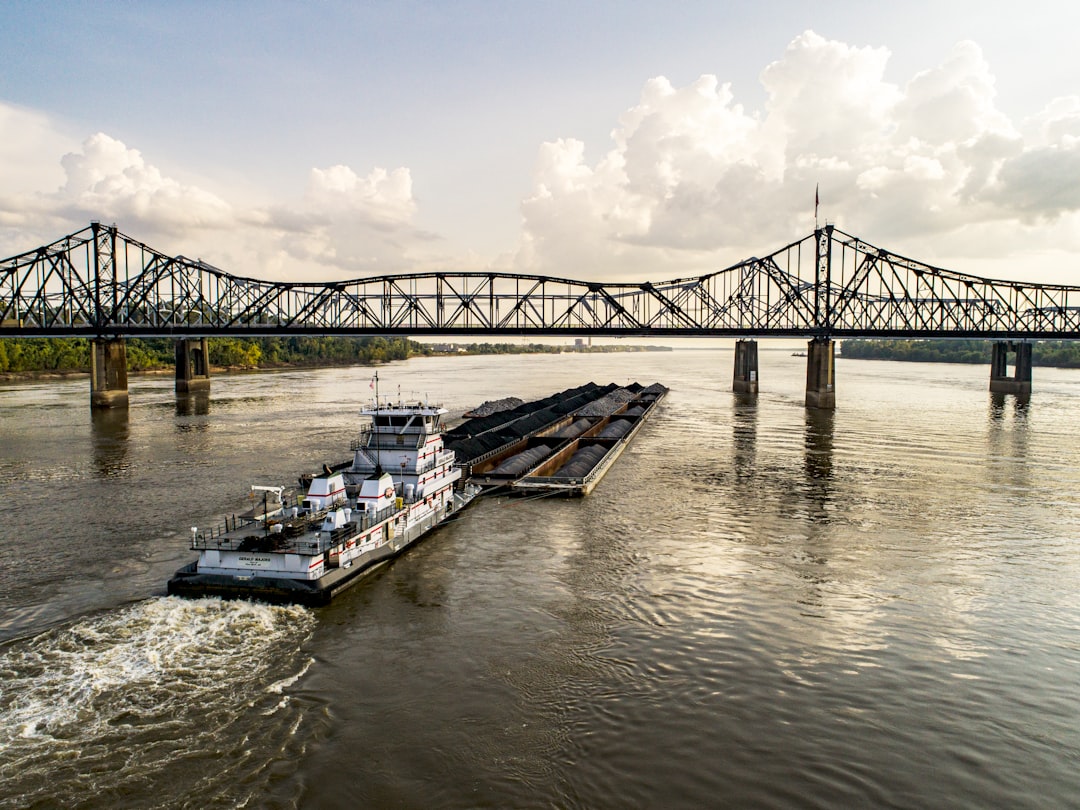
The Mississippi River, often lauded as the lifeblood of America, a majestic serpent carving its path through the continent, is in reality a complex and aging artery that is beginning to show the strain of its vital role. The vast network of infrastructure supporting its ceaseless flow – dams, locks, levees, bridges, and ports – is a testament to past ambition and engineering prowess. Yet, this critical system, the engine room powering much of the nation’s commerce and agriculture, is facing a ticking time bomb of deferred maintenance, aging components, and an undeniable need for substantial reinvestment.
The Mississippi River is far more than a natural watercourse; it is a meticulously engineered transportation corridor. Billions of tons of goods traverse its waters annually, acting as a colossal highway for barges carrying agricultural products, raw materials, and manufactured goods. This intricate infrastructure is not just about moving commodities; it is about maintaining the economic heartbeat of the United States.
The System of Locks and Dams: Navigating the Flow
The Upper Mississippi River, stretching from Minneapolis, Minnesota, to St. Louis, Missouri, is characterized by a system of 29 locks and dams. Constructed primarily during the Great Depression under the Rivers and Harbors Act of 1930, these structures serve a dual purpose. They moderate the river’s flow, preventing the destructive floods that once plagued its banks, and they create slack-water pools, allowing barges to navigate stretches that would otherwise be too shallow or fast-flowing.
The Aging Heart of the System: Locks and Dams in Disrepair
Many of these locks and dams are now operating far beyond their intended design life. The concrete structures are showing wear and tear, the steel components are corroding, and the mechanical systems that operate the lock gates and dams are increasingly prone to breakdowns. These are not minor inconveniences; they represent significant disruptions to the supply chain. A single lock closure can create a cascade of delays, backing up barge traffic and increasing shipping costs. The United States Army Corps of Engineers (USACE), responsible for maintaining this critical infrastructure, operates on budgets that have historically struggled to keep pace with the escalating needs of a system that has served the nation for nearly a century. The average age of the locks is well over 60 years, and many of the dams are of similar vintage. This is akin to a seasoned athlete still expected to perform at peak capacity without adequate recovery or preventative care.
The Economic Ripples: When the Gates Close
The economic consequences of infrastructure failure on the Mississippi are far-reaching. For agricultural producers, delays mean goods sitting in silos, potentially losing markets or incurring additional storage costs. For manufacturers, the timely arrival of raw materials is paramount to uninterrupted production. The cost of shipping by barge is generally significantly lower than by rail or truck, making the river system a crucial cost-saving mechanism. When this mechanism falters, the competitive advantage enjoyed by many American industries begins to erode. Studies have consistently shown that the cost of moving goods via the inland waterways system is roughly half that of rail and one-tenth that of trucking. Deterioration of this cost-effective system directly translates to increased expenses for businesses and, ultimately, higher prices for consumers. A sluggish river system is a throttled economy.
Levees and Flood Control: A Shield Against Fury
Extending for thousands of miles along the Mississippi and its tributaries, the levee system stands as a testament to humanity’s ongoing struggle to tame the river’s immense power. These earthen and concrete barriers are the first line of defense against catastrophic flooding, protecting cities, towns, agricultural lands, and critical infrastructure.
The Cracks in the Wall: Compromised Levee Systems
While the levee system has saved countless lives and prevented immeasurable property damage, it too is susceptible to the ravages of time and the relentless pressure of the river. Many levees were constructed with older materials and engineering standards. Erosion, seepage, and overtopping are persistent threats. The aging components, coupled with the increasing frequency and intensity of extreme weather events—a consequence of climate change—exacerbate the risks. The Mississippi River Commission, which oversees large portions of the levee system, faces the monumental task of inspecting, maintaining, and upgrading these vital structures. The sheer scale of this undertaking is daunting, particularly when funding falls short of the proactive measures necessary to ensure their integrity.
The Ghosts of Disasters Past: Lessons Unlearned?
The historical record of the Mississippi is punctuated by devastating floods, most notably the Great Mississippi Flood of 1927, which submerged vast swaths of the lower Mississippi Valley. The subsequent construction of the modern levee system was a direct response to that catastrophe. However, the lessons learned from such events appear to be at risk of fading as the immediate threat recedes in collective memory. The reliance on a system that may no longer be fully capable of withstanding the river’s full fury in an era of heightened climatic instability presents a palpable danger. The potential for a catastrophic breach is a nightmare scenario, a hydra’s head of destruction that could unleash untold devastation.
Concerns about the aging infrastructure along the Mississippi River have been highlighted in various discussions, particularly regarding its potential to become a ticking time bomb for communities reliant on this vital waterway. An insightful article that delves deeper into this issue can be found at My Geo Quest, where experts analyze the risks posed by deteriorating levees and locks, as well as the implications for flood management and regional economies. The urgency of addressing these infrastructure challenges is underscored by the increasing frequency of extreme weather events, making it essential for stakeholders to prioritize upgrades and maintenance.
Bridges Over Troubled Waters: Connecting the Currents
Spanning the mighty Mississippi are a multitude of bridges, vital arteries that connect communities, facilitate commerce, and provide essential transportation links. These structures, from historic architectural marvels to modern engineering feats, are themselves critical pieces of infrastructure.
The Wear and Tear of Time: An Aging Network
Like all aging infrastructure, the bridges over the Mississippi are not exempt from the same forces of decay. Traffic loads have increased dramatically since many of these bridges were built. Corrosion from water, salt, and de-icing agents, coupled with the constant vibrations from heavy vehicle and rail traffic, takes a significant toll. Regular inspections and maintenance are crucial, but even with diligent upkeep, the fundamental design limitations of older structures can become limiting factors.
The Strain of Growth: Exceeding Design Capacities
Many of the older Mississippi River bridges were designed for significantly lower traffic volumes and lighter vehicle weights than they currently bear. This increased stress can lead to fatigue in structural components, requiring costly repairs or, in some cases, leading to the need for complete replacement. The economic impact of a bridge closure, whether for repairs or due to a structural issue, can be immense, rerouting traffic, disrupting supply chains, and isolating communities. Imagine a necklace with a broken strand; the entire chain is weakened and its functionality is compromised.
The Economic Lifeline: The Cost of Interruption
The cost of bridging the Mississippi is not just about the initial construction. It includes the ongoing burden of maintenance, repairs, and the potential for immense economic disruption if a bridge fails or requires prolonged closure. The logistical challenges of moving goods and people across such a vast waterway are only amplified when these vital connectors are compromised. For businesses that rely on the efficient movement of goods, the closure of a key bridge can be nothing short of crippling.
Ports and Terminals: The River’s Gateways to the World

The ports and terminals along the Mississippi River are the crucial interface between the inland waterway system and the global marketplace. These facilities are the hubs where goods are transferred between barges, trains, and trucks, forming a critical nexus in the nation’s supply chain.
The Foundations of Trade: Investing in Modernization
The efficiency and capacity of these ports are directly linked to the economic vitality of the regions they serve. However, many of these facilities are struggling with outdated equipment, limited storage capacity, and inadequate intermodal connections. Investing in modernization – upgrading cranes, expanding storage areas, and improving rail and road access – is essential to maintaining competitiveness in a globalized economy.
The Bottlenecks of Progress: Capacity Limitations
The Mississippi River system handles a significant portion of America’s agricultural exports, and its ports are key gateways to international markets. When port infrastructure is insufficient to handle the volume of goods, bottlenecks emerge, leading to delays, increased demurrage charges, and a loss of market share. These are not merely operational challenges; they represent missed economic opportunities. The river’s ports are the lungs of the system, and if they are struggling to breathe, the entire organism suffers.
The Global Stage: Staying Competitive
In a world where efficiency and speed are paramount, nations that invest in robust port infrastructure are poised to gain a competitive edge. The Mississippi River system, and the ports that rely on it, must keep pace with advancements in logistics and cargo handling technology to remain competitive on the global stage. Failure to do so risks ceding economic ground to other nations with more modern and efficient port facilities.
The Looming Question: The Price of Neglect

The collective weight of aging infrastructure, deferred maintenance, and increasing environmental pressures on the Mississippi River system presents a stark reality: the nation is facing an infrastructure ticking time bomb. The cost of inaction is not merely financial; it is an existential threat to the economic stability and national security that this vital waterway has long provided.
The infrastructure surrounding the Mississippi River has been described as a ticking time bomb, raising concerns about the potential consequences of neglecting necessary repairs and upgrades. A related article explores the various challenges faced by this vital waterway and emphasizes the urgency of addressing these issues to prevent catastrophic flooding and economic disruption. For more insights on this critical topic, you can read the full article here.
The Funding Gap: A Chasm of Need
The USACE, the primary steward of much of this infrastructure, consistently faces a funding gap between the allocated budgets and the actual needs for repair, rehabilitation, and modernization. The scale of investment required to bring the system into good working order is staggering, often measured in the tens of billions of dollars. This is not a sum that can be readily addressed through incremental budget increases.
The Political Will: A Call to Action
Addressing the Mississippi River’s infrastructure crisis requires sustained political will and a long-term commitment to investment. This is not a partisan issue; it is a national imperative. Decisions made today regarding the funding and prioritization of infrastructure projects will have profound implications for generations to come. The metaphorical ticking clock is growing louder, and the time to act is now.
The Future of America’s Artery: A Vision for Renewal
A proactive and comprehensive approach to infrastructure renewal is essential. This involves not only repairing and replacing aging components but also embracing innovation and adopting new technologies to enhance efficiency and resilience. Investing in the Mississippi River system is an investment in the future of American commerce, agriculture, and economic prosperity. The river, once a symbol of untamed wilderness, has become a testament to human ingenuity and a critical component of national infrastructure. Safeguarding its future demands foresight, investment, and a clear understanding of the profound consequences of neglect. The heartbeat of America, in large part, flows through its waters, and that heartbeat must be protected.
WATCH NOW ▶️ SHOCKING: Mississippi: The $12 Trillion Lie Revealed
FAQs
What is meant by the Mississippi River infrastructure being a “ticking time bomb”?
The phrase refers to the aging and deteriorating infrastructure along the Mississippi River, such as locks, dams, levees, and bridges, which are at risk of failure. These structures are critical for navigation, flood control, and commerce, and their poor condition poses significant safety and economic risks.
Why is the Mississippi River infrastructure important?
The Mississippi River is a major transportation artery in the United States, supporting billions of dollars in commerce annually. Its infrastructure enables the movement of goods like agricultural products, energy resources, and manufactured items. It also plays a vital role in flood management and environmental protection.
What are the main challenges facing the Mississippi River infrastructure?
Key challenges include aging structures that require maintenance or replacement, insufficient funding for repairs, increased traffic and load demands, and environmental factors such as flooding and erosion. These challenges contribute to the risk of infrastructure failure.
What could happen if the Mississippi River infrastructure fails?
Failure of critical infrastructure could lead to severe disruptions in transportation and commerce, increased flooding risks, environmental damage, and potential loss of life. It would also have widespread economic impacts, affecting industries and communities dependent on the river.
What efforts are being made to address the Mississippi River infrastructure issues?
Federal, state, and local agencies are working to assess, repair, and modernize the infrastructure. This includes securing funding for maintenance projects, implementing new technologies, and developing long-term plans to ensure the river’s infrastructure remains safe and functional.