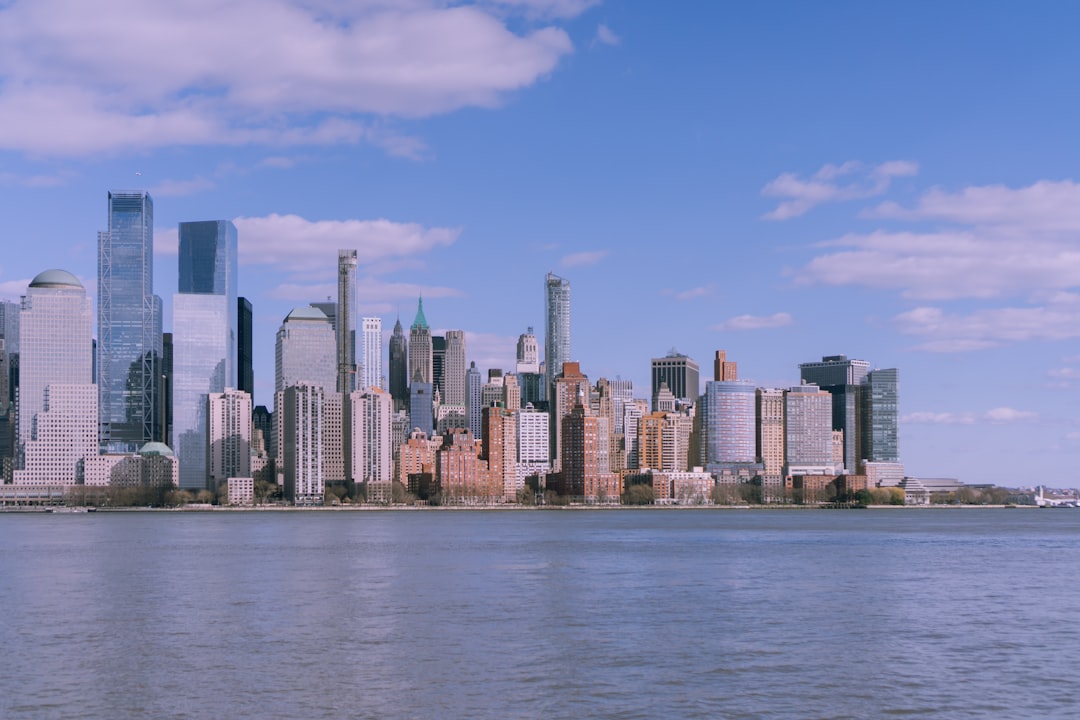
The American middle class, a cornerstone of societal stability and economic prosperity, is undergoing a significant demographic shift. A discernible exodus from urban centers, once magnets for opportunity and aspiration, is reshaping the nation’s landscape. This phenomenon is not a singular event, but rather a complex interplay of economic pressures, evolving priorities, and a reassessment of the urban experience. Understanding why it’s happening requires a nuanced examination of the multifaceted challenges confronting middle-class families in American cities.
The most immediate and impactful factor driving the middle-class exodus is the escalating cost of urban living. Decades of economic growth and desirability have, in many cases, outpaced the earning potential of a significant portion of the population, pushing essential expenses beyond reach.
Housing Affordability Crisis
The price of housing in major American cities has become a substantial barrier. Median home prices and rental rates have surged, often far exceeding wage growth.
Stagnant Real Wages
While nominal wages may have increased, the real purchasing power of the middle class has often remained stagnant or declined, especially when factoring in inflation. This disparity makes it increasingly difficult to afford homeownership or even secure stable, affordable rental accommodations.
Predatory Lending and Investment
In certain urban markets, a surge of institutional and international investment has further inflated property values, often leading to a de-emphasis on affordable housing for local residents. This can manifest in the purchase of existing homes for rental portfolios, further shrinking the available stock for individual buyers.
Gentrification’s Double-Edged Sword
While gentrification can bring new amenities and investment to urban neighborhoods, it often displaces long-term residents, including middle-class families, due to rising property taxes and rents. The very improvements that increase a neighborhood’s desirability can price out the people who built its community.
Escalating Everyday Expenses
Beyond housing, the cost of daily life in cities has also become a significant burden.
Transportation Costs
Owning and maintaining a car in many urban centers is expensive, with costs including parking, insurance, and fuel. While public transportation exists, its efficiency and reach can vary, and for families requiring more flexibility, the car remains a necessity, adding to the financial strain.
Childcare and Education
The expense of quality childcare and private education, often seen as essential for middle-class advancement, can consume a substantial portion of household income in urban areas, making it harder to save or invest for the future.
Property Taxes
As property values rise, so too do property taxes, adding another layer of financial pressure on homeowners. This can force difficult decisions about selling and relocating to areas with lower tax burdens.
The trend of the middle class leaving American cities has been a topic of increasing concern, as many families seek more affordable living conditions and better quality of life. A related article that delves into this issue is available at this link, which explores the various factors driving this migration, including rising housing costs, urban congestion, and the desire for more space in suburban areas. As cities grapple with these changes, understanding the underlying reasons for this exodus becomes crucial for policymakers and urban planners alike.
Shifting Priorities in Family Life
The traditional lure of the city – career advancement, cultural vibrancy, and abundant amenities – is increasingly being weighed against the evolving priorities of middle-class families, particularly those with children.
The Search for Space and Safety
For many, the urban environment, with its densely packed housing and perceived higher crime rates, no longer aligns with their ideal vision of raising a family.
Desire for Larger Homes and Yards
The yearning for more living space, including a private yard for children to play, is a powerful motivator. Many urban homes are compact, and the cost of acquiring more space within the city is often prohibitive.
Concerns about School Districts
The quality of public schools in urban areas can be a significant concern for parents. Many middle-class families prioritize access to well-funded and high-performing school districts, which are often found in suburban or exurban communities.
Perceived Safety and Quality of Life
While cities offer many attractions, a sense of unease regarding safety, traffic congestion, and general noise pollution can detract from the perceived quality of life for families seeking a more tranquil and secure environment.
The Appeal of a Different Pace of Life
The relentless pace of urban existence can be exhausting, and many middle-class families are actively seeking a more balanced and less stressful lifestyle.
Work-Life Balance
The perceived pressure to be constantly “on” in competitive urban job markets can erode work-life balance. Relocation to areas with a more relaxed pace can be seen as a pathway to reclaiming personal time and reducing stress.
Community Connection
While cities offer anonymity, some individuals and families crave stronger community ties and a greater sense of belonging. Smaller towns and suburban neighborhoods can foster this sense of connection through shared schools, local events, and more frequent neighborly interaction.
Access to Nature and Recreation
For those who value outdoor activities and a connection with nature, the appeal of living closer to parks, hiking trails, and recreational areas outside the urban core is strong.
The Rise of Remote Work and Digital Connectivity

The technological advancements of the past decade, particularly the widespread adoption of remote work, have fundamentally altered the geographic calculus for many middle-class professionals.
Untethering from the Office
The pandemic accelerated a trend that was already emerging: the ability to perform many professional tasks from anywhere with an internet connection.
Increased Geographic Flexibility
Remote work eliminates the need to live within a commutable distance of a physical office. This opens up a vast array of possibilities for relocation to areas that were previously inaccessible due to career constraints.
Reduced Commute Times and Costs
The elimination of the daily commute saves not only time but also significant financial resources, including fuel, vehicle maintenance, and public transportation fares. This directly contributes to disposable income.
“Zoom Towns” and the Rise of Smaller Cities
The phenomenon of “Zoom towns” – communities experiencing an influx of remote workers – highlights the impact of this trend. These areas are often more affordable and offer a different quality of life than major metropolitan centers.
The Digital Infrastructure Revolution
While not universally present, the improving digital infrastructure in many non-urban areas is making remote work more feasible.
Broadband Expansion
Governments and private companies are investing in expanding broadband internet access to rural and suburban areas, closing the digital divide and making remote employment a viable option.
Cloud Computing and Collaboration Tools
The widespread availability of cloud-based services and sophisticated collaboration tools ensures that teams can remain connected and productive regardless of their physical locations.
Economic and Political Considerations

Beyond personal preferences, broader economic and political forces are also contributing to the middle-class exodus.
Favorable Economic Opportunities Elsewhere
While cities have historically been hubs of opportunity, other regions are presenting compelling economic alternatives.
Lower Cost of Doing Business
Businesses considering relocation or expansion may find more favorable operating costs, including lower taxes and real estate prices, in areas outside major metropolitan centers. This can lead to job creation in these regions.
Emerging Industries and Economic Diversification
Some cities and regions are actively diversifying their economies, attracting new industries and offering competitive job markets that were previously concentrated in larger urban areas.
Tax Incentives and Economic Development Programs
State and local governments outside of major cities are often eager to attract new residents and businesses, offering tax incentives and economic development programs that can make relocation more attractive.
Perceptions of Governance and Policy
The fiscal health and policy decisions of urban governments can also play a role in the calculus for middle-class families.
Fiscal Strain and Service Cuts
Cities facing budget challenges may implement service cuts or tax increases, impacting the quality of life and the financial well-being of their residents.
Business-Unfriendly Regulations
Some urban areas are perceived as having overly burdensome regulations or a less favorable business climate, which can discourage investment and job growth, indirectly affecting middle-class employment prospects.
Quality of Public Services
The effectiveness and efficiency of public services, such as sanitation, policing, and infrastructure maintenance, can influence a family’s decision to stay or leave. Declining quality in these areas can be a significant deterrent.
As the middle class continues to leave American cities in search of more affordable living conditions, a recent article explores the various factors driving this trend. Many families are seeking better housing options, lower taxes, and improved quality of life in suburban or rural areas. This shift is not just about finances; it also reflects a desire for more space and a different lifestyle. For a deeper understanding of this phenomenon, you can read more in the article found here.
Reassessing the Value Proposition of Urban Living
| Reasons for Middle Class Leaving American Cities | Metrics |
|---|---|
| Lack of affordable housing | Percentage increase in housing costs |
| Decrease in job opportunities | Unemployment rate in urban areas |
| High cost of living | Consumer Price Index (CPI) for urban areas |
| Quality of public schools | Graduation rates in urban school districts |
| Crime rates | Number of reported crimes in urban areas |
Ultimately, the middle-class exodus from American cities represents a fundamental reassessment of what constitutes value in a residential location. The equation is no longer solely about career advancement and access to amenities, but also about a holistic approach to well-being and financial security.
The Rise of the “Location Neutral” Professional
With the acceptance of remote work, professionals are becoming increasingly “location neutral,” able to choose where they live based on factors beyond their employment. This empowers them to prioritize affordability, lifestyle, and family needs.
The Social and Psychological Impact of Cost
The constant stress and anxiety associated with making ends meet in high-cost urban environments can have a profound negative impact on mental health and overall well-being. Many are seeking environments where they can achieve greater financial stability and peace of mind.
A Reimagining of “Opportunity”
The definition of opportunity itself is evolving. For many, opportunity now encompasses not just career progression, but also the ability to build wealth, provide a stable upbringing for their children, and enjoy a higher quality of life without the crushing financial pressures of the city.
The Unintended Consequences of Urban Success
The very success of many American cities, in attracting people and creating desirable environments, has inadvertently led to their own challenge: the pricing out of the middle class. This creates a paradox where desirability leads to diminished accessibility. The migration of the middle class is not a symptom of urban failure, but rather a complex response to shifting economic realities and evolving human priorities in a rapidly changing nation.
FAQs
1. Why are middle-class families leaving American cities?
Middle-class families are leaving American cities due to a variety of factors, including rising housing costs, lack of affordable housing options, increasing cost of living, and concerns about the quality of public schools in urban areas.
2. What are some specific examples of cities experiencing an exodus of the middle class?
Cities such as San Francisco, New York City, Los Angeles, and Seattle have seen a significant exodus of middle-class families due to the high cost of living, limited housing options, and other economic pressures.
3. How does the departure of the middle class impact American cities?
The departure of the middle class can lead to a loss of diversity, a decrease in economic stability, and a potential decline in the overall quality of life in urban areas. It can also contribute to growing income inequality and social segregation.
4. What are some potential solutions to address the middle-class exodus from American cities?
Potential solutions to address the middle-class exodus from American cities include implementing affordable housing initiatives, improving public transportation, investing in education and infrastructure, and creating economic opportunities to support middle-class families.
5. Are there any cities that are successfully retaining their middle-class population?
Some cities, such as Austin, Texas, and Raleigh, North Carolina, have been successful in retaining their middle-class population by offering a lower cost of living, strong job markets, and a high quality of life. These cities have implemented policies to support affordable housing and economic growth.