
The global aggregate industry, often operating beneath the immediate public consciousness, represents a cornerstone of modern civilization. Its products are fundamental to infrastructure, housing, and numerous manufacturing processes, forming the literal bedrock upon which societies are built. This expansive sector encompasses a vast network of mining operations, processing plants, and distribution channels, extracting and refining natural materials into usable forms. Without a consistent and abundant supply of aggregates, a significant portion of industrial and economic activity would grind to a halt.
Aggregates are, quite simply, everywhere. Consider the roads you drive on, the buildings you inhabit, and even the electronics you use – many of these incorporate aggregates in their construction or manufacturing. This pervasive presence underscores the industry’s critical role in both developed and developing economies.
Defining Aggregates
Aggregates are granular materials, typically stony or sandy, used in construction as a base or an ingredient in composite materials like concrete and asphalt. They are broadly categorized into three main types:
- Coarse aggregates: These include gravel and crushed stone, characterized by particle sizes greater than 4.75mm. They provide strength and volume to concrete and asphalt.
- Fine aggregates: Primarily sand, with particle sizes generally smaller than 4.75mm. Fine aggregates fill voids between coarse aggregates, providing workability and density.
- Recycled aggregates: Increasingly important for sustainability, these include crushed concrete, asphalt, bricks, and glass. They reduce the need for virgin material extraction and minimize waste.
Essential Applications
The applications of aggregates are diverse and fundamental to contemporary life. They are not merely fillers but provide structural integrity, drainage, and foundational stability across a multitude of sectors.
- Construction: The most significant consumer, using aggregates in concrete, asphalt, mortar, and as base layers for foundations and roads.
- Infrastructure Development: Critical for highways, railways, bridges, dams, airports, and port facilities.
- Utilities: Used in trenching for pipelines, cables, and other utility installations.
- Landscaping and Environmental Projects: Employed in drainage systems, erosion control, and decorative finishes.
- Manufacturing Processes: Act as raw materials in industries such as glass production, ceramics, and even some fillers in plastics.
The global aggregate industry plays a crucial role in construction and infrastructure development, with its scale reflecting the growing demand for sustainable building materials. For a deeper understanding of the industry’s dynamics and its impact on the economy, you can read a related article that explores these themes in detail. Check it out here: Global Aggregate Industry Insights.
The Global Scale of Production and Consumption
The sheer volume of aggregates produced and consumed globally each year is staggering. To fully appreciate this scale, visualize a continuous stream of material being extracted, processed, and transported – a stream so vast it would dwarf many other industrial outputs. This immense throughput reflects the relentless pace of urbanization and industrialization worldwide.
Volumetric Output
Billions of tons of aggregates are extracted annually. Precise global figures can be challenging to ascertain due to varied national reporting standards and the prevalence of many small, local operators, but estimates consistently place the global production in the tens of billions of metric tons. This colossal output makes the aggregate industry one of the largest mining sectors by volume.
- Dominant Regions: Emerging economies, particularly in Asia, drive a significant portion of this demand due to rapid urbanization and infrastructure expansion. China, India, and Southeast Asian nations are massive consumers and producers.
- Per Capita Consumption: Developed nations, despite slower growth rates, exhibit high per capita consumption, reflecting their established infrastructure and ongoing maintenance needs.
Economic Impact
The economic footprint of the aggregate industry extends far beyond the point of extraction. It underpins numerous downstream industries and provides substantial employment.
- Job Creation: Directly employs millions of people in mining, processing, logistics, and related support services. Indirectly, it supports countless more in construction and manufacturing.
- Contribution to GDP: While often overshadowed by high-tech industries, the aggregate sector contributes significantly to national GDPs, operating as a foundational element for other, more visible economic activities.
- Investment in Capital Goods: Requires substantial investment in heavy machinery, vehicles, processing plants, and technology, stimulating manufacturing and innovation in these ancillary sectors.
Operational Complexities and Challenges
Operating on such a colossal scale inevitably introduces a myriad of operational complexities and challenges. The industry must navigate geological realities, environmental regulations, logistical hurdles, and evolving market demands, all while maintaining profitability and safety.
Resource Availability and Extraction
Aggregates are naturally occurring, but their quality, quantity, and accessibility vary significantly across different regions. Geological surveys and exploration are crucial for identifying viable deposits.
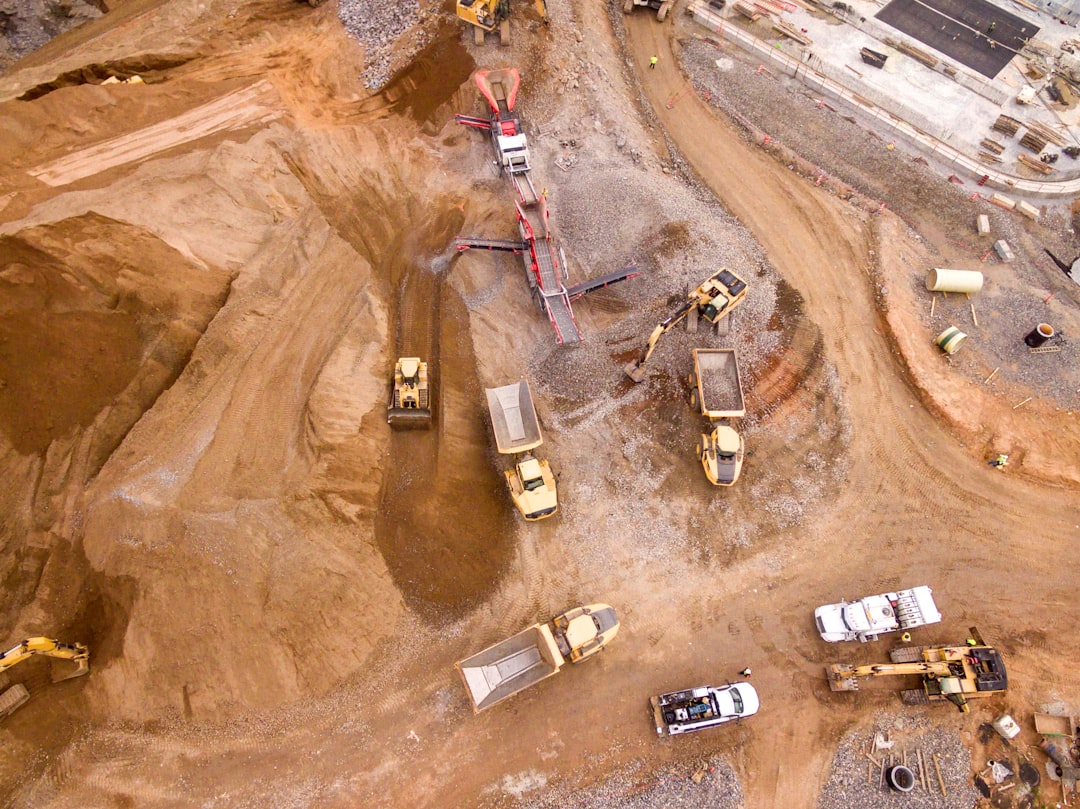
- Quarrying and Mining: Extraction methods range from surface quarrying for rock aggregates to dredging for sand and gravel from riverbeds and marine environments. Each method has distinct environmental and operational considerations.
- Permitting and Land Use: Securing permits for extraction sites is often a protracted and complex process, involving environmental impact assessments, community consultations, and regulatory approvals. Competition for land use also presents a formidable challenge, especially near urban centers.
- Geological Variability: The “quality” of an aggregate, in terms of its strength, durability, and chemical composition, is determined by its geological origin. Operators must adapt processing techniques to account for this variability.
Processing and Quality Control
Raw extracted materials rarely meet the specifications required for construction and manufacturing without further processing. This stage is critical for producing fit-for-purpose aggregates.
- Crushing and Screening: Large rocks are crushed in several stages to reduce their size, followed by screening to separate aggregates into specific size fractions.
- Washing and Drying: Some aggregates, particularly sand, require washing to remove impurities like clay and silt. Drying may also be necessary for certain applications.
- Quality Assurance: Rigorous testing is performed to ensure aggregates meet predefined specifications for factors like strength, abrasion resistance, particle shape, and absence of deleterious materials. Failure to meet these standards can compromise the integrity of final structures.
Logistics and Transportation
Given the bulk and weight of aggregates, efficient and cost-effective transportation is paramount. Logistics represent a significant portion of the overall cost and environmental impact.
- Modes of Transport: Aggregates are typically moved by trucks, trains, barges, and conveyor belts. Proximity to consuming markets is highly advantageous due to the high cost of long-distance transport.
- Infrastructure Demands: The industry heavily relies on existing road, rail, and waterway infrastructure, and often funds improvements or constructs its own private transport links.
- “Last-Mile” Delivery: Getting aggregates from processing plants to construction sites, especially in congested urban areas, presents a continuous logistical puzzle.
Environmental and Social Considerations
Operating at such a massive scale means the aggregate industry exerts significant environmental and social impacts. Sustainable practices are increasingly vital as societies demand greater corporate responsibility and resource stewardship.
Environmental Impact
From habitat disruption to resource depletion, the environmental footprint is substantial. Proactive management and mitigation strategies are essential to minimize harm.
- Habitat Disruption and Biodiversity Loss: Quarrying and mining operations alter landscapes, disrupt ecosystems, and can lead to habitat fragmentation and biodiversity loss if not managed carefully.
- Dust and Noise Pollution: Operations generate significant dust, impacting air quality, and machinery produces considerable noise, affecting local communities.
- Water Management: Water is often used in aggregate processing (e.g., washing) and can be affected by runoff from sites, necessitating careful water management and treatment.
- Resource Depletion: While sand and gravel are abundant globally, locally accessible, high-quality deposits are finite. This leads to concerns about sustainable extraction rates and the need for recycled materials.
- Carbon Footprint: Energy consumption for extraction, processing, and transportation contributes to greenhouse gas emissions.
Social Impact
The presence of aggregate operations can have both positive and negative social consequences for nearby communities.
- Community Relations: Maintaining positive relationships with local communities is crucial. This often involves open communication, addressing concerns, and contributing to local economies through employment and taxes.
- Land Use Conflicts: The expansion of aggregate operations can lead to conflicts with other land uses, such as agriculture, residential development, or conservation efforts.
- Rehabilitation and Reclamation: Responsible operators plan for the rehabilitation of exhausted sites, transforming them into valuable landscapes for agriculture, recreation, or nature reserves, thus returning the land to productive use.
The global aggregate industry plays a crucial role in construction and infrastructure development, contributing significantly to economic growth worldwide. A recent article highlights the ongoing trends and challenges faced by this sector, shedding light on the increasing demand for sustainable practices. For more insights on the scale and impact of the industry, you can read the full article here: mygeoquest. Understanding these dynamics is essential for stakeholders looking to navigate the complexities of the market effectively.
Innovation and Future Outlook
| Metric | Value | Unit | Year |
|---|---|---|---|
| Global Aggregate Production | 50 | Billion tonnes | 2023 |
| Top Producing Country | China | Country | 2023 |
| Global Market Value | 400 | Billion | 2023 |
| Annual Growth Rate | 3.5 | Percent | 2023 |
| Employment in Industry | 2.5 | Million people | 2023 |
The aggregate industry is not static; it is continually evolving to address current challenges and future demands. Innovation plays a crucial role in enhancing efficiency, reducing environmental impact, and meeting the needs of a changing world.
Technological Advancements
Technology is driving improvements across all stages of the aggregate value chain. From autonomous vehicles to advanced sensing, these innovations are improving productivity and safety.
- Automation and Robotics: Autonomous haul trucks, drones for surveying, and automated crushing and screening plants enhance efficiency and reduce human exposure to hazardous environments.
- Digitalization and Data Analytics: Remote monitoring, predictive maintenance, and data-driven optimization of processes lead to lower operating costs and improved output.
- Advanced Materials and Processing: Research into optimizing concrete and asphalt mixes, and developing new lightweight aggregates or alternative binding agents, continually pushes the boundaries of material science.
Circular Economy Principles
The shift towards a circular economy is profoundly influencing the aggregate sector, emphasizing reuse, recycling, and resource efficiency.
- Recycled Aggregates: The increasing use of recycled concrete, asphalt, and other demolition waste significantly reduces the demand for virgin aggregates and diverts waste from landfills. This approach closes the loop, transforming waste into valuable resources.
- Waste Valorization: Exploring opportunities to use industrial by-products (e.g., fly ash from power plants, slag from steel production) as supplementary cementing materials or aggregates.
- Sustainable Quarry Management: Implementing practices that minimize environmental disturbance during operation and ensure effective rehabilitation post-closure, integrating ecological restoration.
Future Demands
Looking ahead, the global aggregate industry faces persistent and evolving demands. Urbanization, climate change, and the need for resilient infrastructure will continue to shape its trajectory.
- Continued Urbanization: The global population continues to urbanize, necessitating massive investments in housing, commercial buildings, and urban infrastructure, all requiring vast quantities of aggregates.
- Climate Change Resilience: Infrastructure must be built to withstand the impacts of climate change, demanding aggregates that contribute to more durable and resilient structures.
- Green Building Standards: Increasing adoption of green building certifications and sustainable procurement policies will drive demand for aggregates produced with lower environmental footprints and higher recycled content.
- Technological Infrastructure: The expansion of digital infrastructure (e.g., data centers) and renewable energy projects (e.g., wind turbine foundations, solar farm bases) will generate new demands for specialized aggregates.
The global aggregate industry, though often unseen, is an indispensable pillar of modern society. Its massive scale reflects the fundamental human need to build, connect, and develop. As the world continues to grow and evolve, so too will the demands on this foundational sector, necessitating ongoing innovation, sustainable practices, and a deep understanding of its profound impact.
WATCH NOW ▶️ WARNING: Why the World is Running Out of Sand (And You Never Noticed)
FAQs
What is the global aggregate industry?
The global aggregate industry involves the extraction, processing, and distribution of natural materials such as sand, gravel, crushed stone, and other mineral aggregates used primarily in construction and infrastructure projects.
How large is the global aggregate market?
The global aggregate market is vast, with billions of tons of materials produced annually worldwide. It is one of the largest sectors in the mining and construction industries due to the high demand for aggregates in building roads, bridges, buildings, and other infrastructure.
Which regions are the largest producers of aggregates?
Asia-Pacific, North America, and Europe are among the largest producers of aggregates. Countries like China, the United States, and India lead in production due to their extensive construction activities and infrastructure development.
What are the main uses of aggregates in the global industry?
Aggregates are primarily used in construction for making concrete, asphalt, and road base materials. They are essential for building residential, commercial, and industrial structures, as well as for infrastructure projects like highways, railways, and airports.
What factors influence the growth of the global aggregate industry?
Key factors include urbanization, infrastructure development, government investments in construction projects, population growth, and technological advancements in mining and processing. Environmental regulations and sustainability practices also impact industry growth and operations.