
The allure of the unknown has forever been a driving force for humanity. From the earliest seafaring explorers charting vast oceans to the pioneering astronauts venturing into the cosmos, the desire to push beyond the familiar, to discover what lies beyond the horizon, is deeply ingrained within our species. Yet, in an age where satellite imagery maps every inch of the Earth’s surface and geological surveys detail subterranean wonders, the concept of “uncharted territory” seems an anachronism. However, to declare the Earth fully mapped is to misunderstand the profound depth and complexity of the very definition of “uncharted.” There exist, even now, pockets of the planet that remain, in significant ways, unclaimed, unexplored, and deeply mysterious – the last bastions of true wilderness. This article delves into these vanishing frontiers, exploring the challenges, the wonders, and the crucial importance of understanding and protecting these last untamed spaces.
The notion of “unclaimed territories” is not merely about geographical remoteness or a lack of human settlement. It encompasses a spectrum of unmapped, unstudied, and often inaccessible regions where the hand of civilization has barely touched, or has been deliberately excluded. These are places where natural processes continue to dominate, where ecosystems are largely intact, and where the stories they hold are yet to be fully deciphered.
Beyond the Edge of the Map
Historically, uncharted lands were defined by the limitations of cartography and the physical reach of explorers. Continents like Australia and the Americas were once considered vast expanses of the unknown. Today, the “edge of the map” has receded to encompass more nuanced definitions. It refers to areas that, while physically present on maps, lack detailed scientific understanding, ecological assessment, or even consistent human observation. These are not simply blank spaces waiting to be filled; they are complex environments with their own inherent value, irrespective of human discovery.
The Spectrum of Uncharted
The spectrum of uncharted lands is broad. It includes:
Deep Ocean Trenches and Abyssal Plains
Vast stretches of the ocean floor remain largely unexplored. The Mariana Trench, for instance, is an extreme environment where pressures are immense and life has adapted in extraordinary ways. Beyond the trenches lie the abyssal plains, vast, flat expanses that cover a significant portion of the Earth’s surface, yet remain poorly understood in terms of their biodiversity, geological activity, and role in global biogeochemical cycles.
Subterranean Labyrinths
Beneath our feet lie extensive cave systems and underground water networks that are largely unmapped and unstudied. These subterranean realms harbor unique ecosystems, with specialized organisms that have evolved in complete darkness. The extent and complexity of these systems are often only revealed through daring spelunking expeditions.
Polar Frontiers and Remote Mountain Ranges
While the poles are mapped from space, their interiors, particularly the vast ice sheets of Antarctica and the remote, high-altitude regions of the Arctic, still hold secrets. Similarly, the highest and most inaccessible mountain ranges on Earth, such as parts of the Himalayas, Karakoram, and Andes, present extreme challenges to exploration, leaving large areas with limited scientific data.
Dense, Untouched Rainforests
Certain remote sections of the Amazon, the Congo Basin, and the rainforests of New Guinea represent some of the most biodiverse and least understood terrestrial environments. Their dense canopy, challenging terrain, and sheer scale make comprehensive surveying and cataloging an immense undertaking.
Unclaimed territories around the world have always sparked intrigue and curiosity, often leading to discussions about sovereignty and exploration. A fascinating article that delves into this subject can be found on MyGeoQuest, which explores various unclaimed regions and the historical context behind them. For those interested in learning more about these mysterious lands, you can read the article here: Unclaimed Territories Around the World.
The Guardians of the Unknown: Challenges of Exploration
Venturing into these last unclaimed territories is not for the faint of heart. The challenges are multifaceted, demanding not only physical endurance and specialized skills but also significant technological innovation and a deep respect for the environments being explored.
The Tyranny of Distance and Terrain
The most immediate obstacle is often sheer distance from human civilization. Reaching these areas requires long journeys, often through arduous terrain. Navigating dense jungles, crossing vast deserts, or traversing treacherous glaciers demands meticulous planning, specialized equipment, and experienced guides. The logistical complexities of supplying expeditions, ensuring safety, and extracting any findings can be overwhelming.
Extreme Environments and Natural Hazards
These territories are often characterized by extreme climatic conditions. The crushing pressures of the deep sea, the biting cold of the poles, the searing heat of deserts, and the unpredictable weather of mountain ranges all pose significant threats to explorers. Natural hazards such as avalanches, rockfalls, volcanic activity, and powerful ocean currents are constant companions, requiring a heightened sense of awareness and preparedness.
Navigating Treacherous Seas and Unpredictable Currents
Exploration of deep ocean environments is hampered by the extreme pressures that crush even the most robust submersibles. Understanding and predicting the complex, often violent, currents that flow in these abyssal regions adds another layer of difficulty.
Surviving Sub-Zero Temperatures and Blinding Blizzards
Polar exploration presents unique challenges related to extreme cold. Frostbite, hypothermia, and the psychological toll of prolonged darkness or constant daylight in icy landscapes are significant risks. Blizzards can halt progress for days, if not weeks, leaving expeditions vulnerable.
The Perils of Dense Vegetation and Unstable Ground
Rainforest exploration is hindered by dense vegetation that obscures visibility and makes movement slow and difficult. Unstable ground, hidden sinkholes, and venomous wildlife add to the inherent dangers.
The Cost of Discovery: Financial and Technological Hurdles
True exploration of these remote regions is inherently expensive. The specialized equipment required, from advanced submersible vehicles and ice-breaking vessels to durable all-terrain vehicles and sophisticated communication devices, represents a substantial financial investment. Furthermore, the development and deployment of technologies capable of gathering data in these extreme conditions often push the boundaries of current scientific and engineering capabilities.
Cutting-Edge Submersibles for the Deepest Depths
Exploring ocean trenches requires advanced submersibles capable of withstanding immense pressures, equipped with specialized sensors and cameras to document life and geological features.
Robust Aircraft and Specialized Vehicles for Polar Expeditions
Reaching and operating within polar regions necessitates specialized aircraft capable of landing on ice and snow, as well as robust vehicles designed for traversing icy terrain.
Advanced Remote Sensing and Autonomous Exploration
For areas that are too dangerous or inaccessible for direct human presence, the development of advanced remote sensing technologies and autonomous robotic explorers becomes crucial. Drones, underwater autonomous vehicles (AUVs), and remotely operated vehicles (ROVs) are increasingly being employed to gather data without risking human lives.
The Unseen Biodiversity: Life in the Last Havens
Perhaps the most compelling reason to explore and understand our planet’s unclaimed territories lies in the extraordinary biodiversity they harbor. These pristine environments often represent the last refuges for species that have been pushed to the brink of extinction in more populated areas.
Ecosystems Untouched by Human Influence
In these remote locations, ecosystems have evolved over millennia with minimal anthropogenic disruption. This allows for the observation of natural ecological processes, species interactions, and evolutionary pathways that may no longer be evident elsewhere. The intricate web of life, from microscopic organisms to apex predators, functions in a balance that offers invaluable insights into the resilience and complexity of nature.
Novel Species and Undiscovered Organisms
The sheer lack of exploration in these areas means that a significant number of species likely remain undiscovered. Each expedition into these territories holds the potential to identify new species of plants, animals, fungi, and microorganisms, each with its own unique adaptations and evolutionary history. These discoveries can revolutionize our understanding of life on Earth and potentially offer novel solutions to human challenges, from medicine to materials science.
The Enigmatic Creatures of the Deep Sea
The deep sea is a treasure trove of bizarre and beautiful life forms. Anglerfish with their bioluminescent lures, giant squid, and tube worms thriving near hydrothermal vents are just a few examples of the extraordinary adaptations found in this extreme environment.
Hidden Life in Subterranean Ecosystems
Cave systems and underground aquifers support unique troglobitic species – organisms that have evolved to live in perpetual darkness. Blind fish, cave salamanders, and specialized insect species are just a few of the organisms adapted to these isolated environments.
The Jewel-like Flora and Fauna of Remote Islands
Many remote islands, often formed by volcanic activity, have developed highly endemic species due to their isolation. These islands can be living laboratories of evolutionary divergence.
The Importance of Biodiversity Hotspots
Many of these unclaimed territories are, or contain, critical biodiversity hotspots. These are areas with exceptionally high levels of biodiversity and a large number of endemic species, many of which are threatened. Protecting these areas is paramount to preserving the planet’s biological heritage.
The Amazon Rainforest: A Living Encyclopedia of Life
Despite extensive research, the vastness of the Amazon still holds numerous undiscovered species and ecological processes. Its role as a global carbon sink and a regulator of climate makes its preservation critical.
Antarctica: A Continent of Unique Adaptations
The frigid, isolated environment of Antarctica has fostered a unique array of life, from the penguins and seals that populate its coasts to the extremophiles found beneath its ice sheets.
The Scientific Significance: Unlocking Earth’s Secrets
Beyond their intrinsic biological value, the last unclaimed territories serve as invaluable laboratories for scientific research. They offer opportunities to study fundamental processes, test hypotheses, and gain a deeper understanding of Earth’s systems.
Studying Earth’s Geological Processes in Their Rawest Form
Remote volcanic regions, deep-sea hydrothermal vents, and inaccessible mountain ranges provide direct access to Earth’s geological processes. Studying these phenomena in their undisturbed state allows scientists to better understand plate tectonics, volcanic activity, and the formation of minerals.
Hydrothermal Vents: Oases of Life and Geological Activity
These deep-sea fissures release superheated, mineral-rich water, creating unique ecosystems and providing insights into the Earth’s internal heat and chemical processes.
Active Volcanoes: Windows into Planetary Formation
Studying active volcanoes in remote locations offers direct observation of magma chambers, eruption dynamics, and the release of gases that influence atmospheric composition.
Understanding Climate Change Through Pristine Records
Ice cores drilled from the polar ice sheets provide invaluable historical records of Earth’s climate, stretching back hundreds of thousands of years. Studying these ice layers allows scientists to reconstruct past atmospheric composition, temperature fluctuations, and the impact of natural and anthropogenic events on the climate. Similarly, untouched peatlands and ancient forests can hold records of past environmental conditions.
Ice Core Data: A Frozen History of Earth’s Climate
The trapped air bubbles in ancient ice provide direct samples of past atmospheric composition, revealing cycles of greenhouse gases and the impact of volcanic eruptions.
Sediment Cores: Unraveling Oceanographic and Environmental Histories
Sediment layers at the bottom of oceans and lakes act as archives of past environmental conditions, including past sea levels, ocean currents, and biological productivity.
Researching the Limits of Life and Adaptation
The extreme environments found in unclaimed territories, such as the deepest ocean trenches or highly saline lakes, provide natural laboratories for studying extremophiles – organisms that thrive in conditions that would be lethal to most life forms. Understanding how these organisms survive and adapt can have profound implications for astrobiology, medicine, and biotechnology.
Astrobiological Analogues: Searching for Life Beyond Earth
The unique environments on Earth that mimic those found on other planets, such as subsurface Martian ice or the methane lakes of Titan, serve as crucial analogues for astrobiological research.
Microbial Resilience: Lessons for Medicine and Biotechnology
The discovery of microbes that can survive intense radiation, extreme temperatures, or high toxicity has direct applications in fields ranging from waste management to drug development.
Unclaimed territories around the world often spark curiosity and debate among explorers and geopolitical enthusiasts alike. One fascinating aspect of these regions is how they can serve as a blank canvas for potential future claims or even unique cultural developments. For those interested in learning more about this intriguing subject, a related article can be found at My Geo Quest, which delves into the history and significance of unclaimed lands.
The Ethical Imperative: Preservation and Stewardship
| Country | Area of Unclaimed Territory (sq km) | Reason for Unclaimed Status |
|---|---|---|
| Antarctica | 14,000,000 | Regulated by the Antarctic Treaty System |
| Greenland | 1,710,000 | Part of the Kingdom of Denmark, but with limited self-government |
| Western Sahara | 266,000 | Disputed territory claimed by both Morocco and the Sahrawi Arab Democratic Republic |
| Paracel Islands | 15 | Disputed territory claimed by China, Taiwan, and Vietnam |
As our ability to reach and interact with these last unclaimed territories grows, so too does our responsibility to protect them. The discovery of these areas is not a license for exploitation, but rather a call for careful stewardship and a commitment to their preservation.
The Fragility of Pristine Ecosystems
Even the most remote and seemingly robust ecosystems are susceptible to human impact. The introduction of invasive species, pollution, or the disruption of natural cycles can have cascading and irreversible effects. The very act of exploration, if not conducted with the utmost care, can cause damage.
The Need for Conservation and Protection Strategies
Identifying and designating these territories as protected areas is crucial for their long-term survival. This involves establishing strict regulations on resource extraction, tourism, and scientific activities, ensuring that any human presence is managed sustainably and with minimal ecological footprint.
Establishing Marine Protected Areas in Deep-Sea Ecosystems
Conserving the unique biodiversity of the deep sea requires the establishment of protected zones that prohibit fishing, mining, and other destructive activities.
Designating Wilderness Areas and National Parks in Remote Terrestrial Regions
Protecting remote rainforests, mountain ranges, and polar regions necessitates their designation as protected areas with robust management plans to prevent habitat destruction and illegal resource exploitation.
The Role of Indigenous Knowledge and Collaboration
In areas where indigenous communities still inhabit or have historically utilized these remote lands, their traditional knowledge and stewardship practices are invaluable. Collaborative approaches that respect and integrate this knowledge are essential for effective conservation.
The Global Responsibility for Stewardship
The preservation of these last unclaimed territories is not the responsibility of any single nation but a global imperative. International cooperation, shared scientific efforts, and a unified commitment to conservation are necessary to ensure that these vital natural heritage sites are safeguarded for future generations. The allure of the unknown will undoubtedly continue to draw humanity forward, but it is our ethical commitment to understanding, respecting, and preserving these last untouched corners of our planet that will truly define our progress. The exploration of uncharted lands is not just about discovery; it is about responsibility.
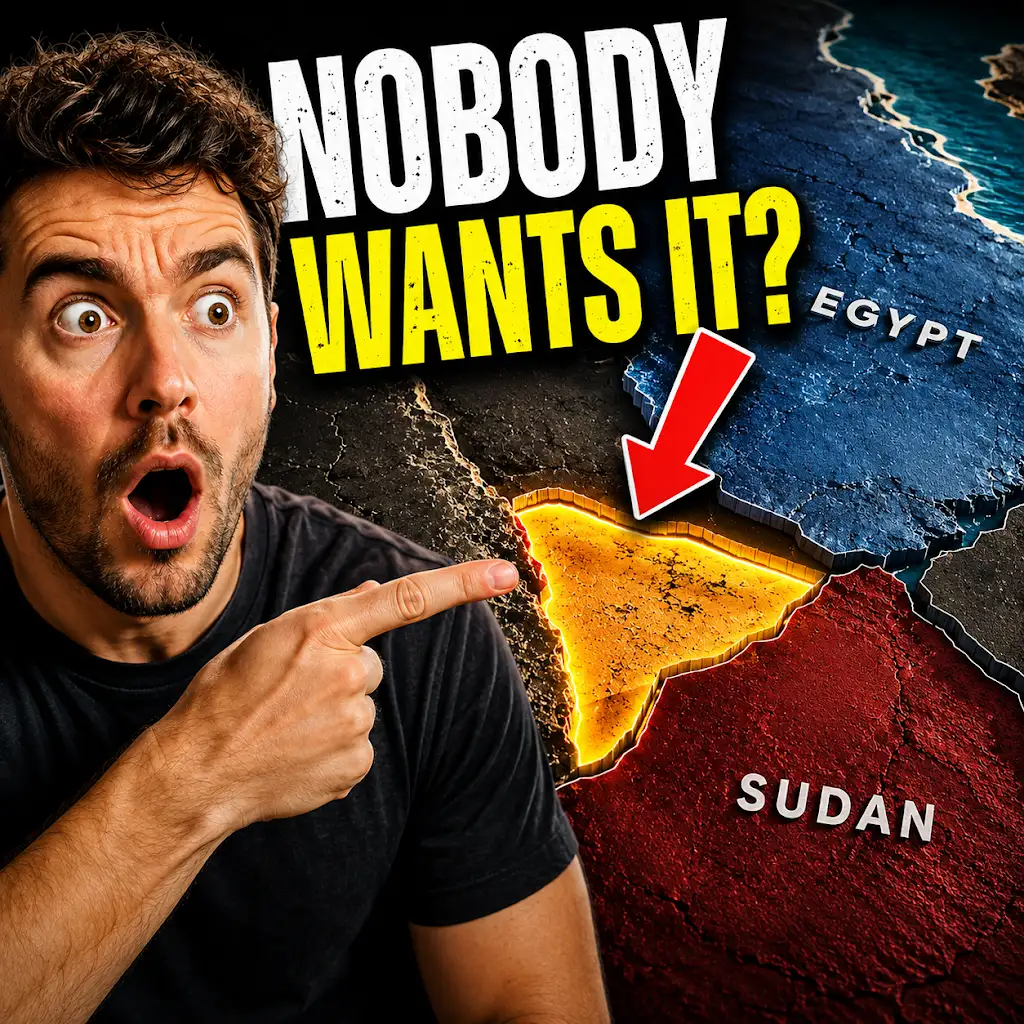
What Happens When No Country Owns a Place?
FAQs
What is unclaimed territory?
Unclaimed territory refers to land or areas that are not officially recognized as belonging to any country or government. This can occur for various reasons, such as disputes over ownership, unclear boundaries, or simply being overlooked.
Where can unclaimed territory be found around the world?
Unclaimed territory can be found in various regions around the world, including remote islands, disputed border areas, and uninhabited regions. Some well-known examples include Bir Tawil between Egypt and Sudan, Marie Byrd Land in Antarctica, and the Serranilla Bank in the Caribbean.
Can unclaimed territory be claimed by a country or individual?
In some cases, unclaimed territory can be claimed by a country or individual through legal processes such as annexation, treaty agreements, or occupation. However, the process of claiming unclaimed territory can be complex and often involves international negotiations and legal considerations.
What are the implications of unclaimed territory?
Unclaimed territory can lead to geopolitical tensions, territorial disputes, and legal challenges. It can also impact issues such as resource exploitation, environmental conservation, and national security. Resolving unclaimed territory issues often requires diplomatic efforts and international cooperation.
Is there a process for resolving unclaimed territory disputes?
Resolving unclaimed territory disputes typically involves diplomatic negotiations, legal arbitration, and international agreements. International organizations such as the United Nations may also play a role in facilitating discussions and mediating disputes related to unclaimed territory.