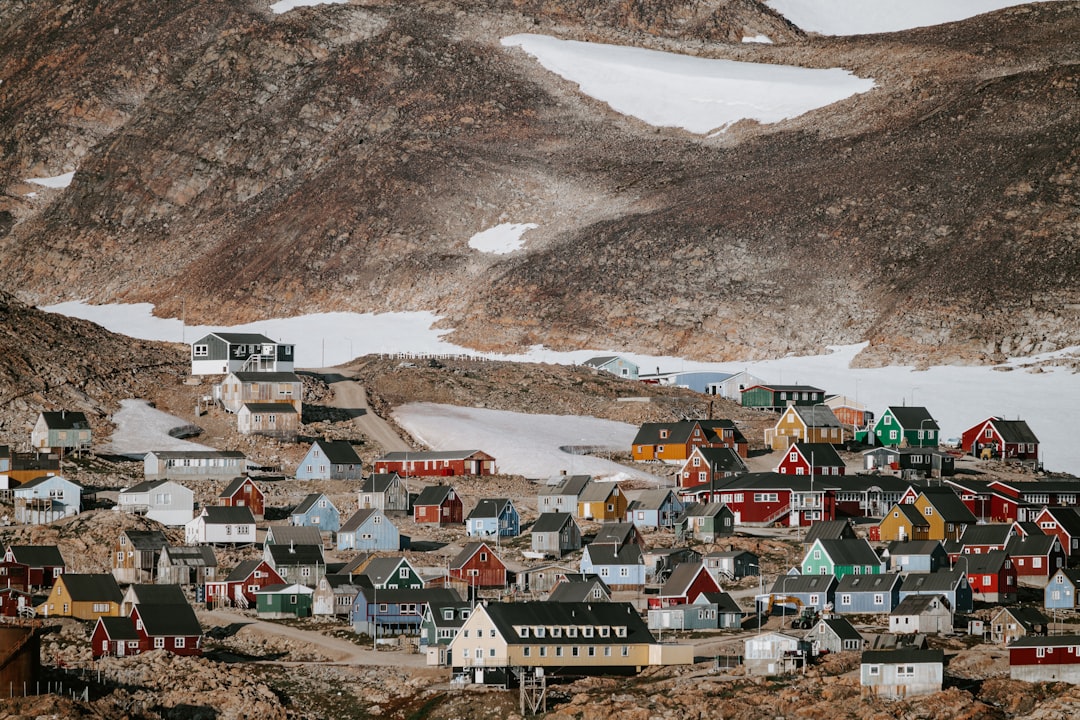
The Kvanefjeld rare earth mining project in Greenland represents a complex geopolitical and environmental issue, a knot tied with economic aspirations, indigenous rights, and ecological concerns. This controversial venture, situated in the southern reaches of Greenland, has become a focal point for discussions concerning the future of the Arctic, the global demand for critical minerals, and the delicate balance between development and preservation.
The Kvanefjeld deposit, a geological marvel rich in rare earth elements (REEs) and uranium, has been known for decades. Its potential was recognized early on, but technological limitations and fluctuating market prices kept large-scale exploitation at bay. For a long time, Kvanefjeld remained a sleeping giant, a promise of future wealth locked within the earth.
Early Exploration and Geological Significance
The geological survey of Greenland has a long and storied past, with Kvanefjeld identified as a significant anomaly. Detailed studies in the mid-20th century began to map out the extent and composition of the deposit, revealing its exceptionally high concentrations of REEs, which are vital components in numerous modern technologies, from smartphones and wind turbines to advanced defense systems.
Shifting Global Demand and Economic Imperatives
The burgeoning global demand for REEs, driven by the green energy transition and the proliferation of high-tech devices, cast Kvanefjeld in a new light. Nations, particularly those heavily reliant on imports for these critical minerals, began to scrutinize untapped resource reservoirs. Greenland, with its vast, underdeveloped mineral potential, emerged as a significant prospect.
The Role of Greenland’s Self-Governance
Greenland’s journey towards self-governance has been intrinsically linked to its economic aspirations. The prospect of substantial revenue from resource extraction, such as Kvanefjeld, was seen by many as a pathway to greater economic independence and the funding of public services. The Greenlandic government, acting on behalf of its people, became a pivotal player in evaluating and potentially approving such large-scale projects.
The Kvanefjeld rare earth mining project in Greenland has sparked significant controversy due to its potential environmental impacts and implications for local communities. A related article that delves deeper into the complexities of this issue can be found at My Geo Quest, where the balance between economic development and environmental preservation is thoroughly examined. This article provides insights into the perspectives of various stakeholders, including indigenous groups, environmental activists, and mining companies, highlighting the ongoing debate surrounding this contentious project.
The Kvanefjeld Deposit: Resources and Challenges
Kvanefjeld is not just any mineral deposit; it is a veritable treasure chest, but one that comes with its own set of formidable challenges. Understanding the sheer scale and peculiar nature of the resource is crucial to grasping the controversy surrounding its extraction.
Abundance of Rare Earth Elements
The Kvanefjeld deposit boasts one of the largest known concentrations of REEs globally. This abundance is a significant draw for mining companies and international consumers alike, promising a stable supply chain for these increasingly indispensable elements. The sheer volume makes it a potentially game-changing resource in a market often characterized by concentrated supply.
The Dual Nature of Uranium Presence
Adding another layer of complexity to the Kvanefjeld equation is the significant presence of uranium. While REEs are the primary economic driver, the co-occurrence of uranium necessitates stringent safety protocols and specialized handling procedures. This duality transforms Kvanefjeld from a straightforward rare earth mine into a project with heightened environmental and regulatory considerations.
Technical Extraction Hurdles
Extracting REEs is inherently complex. The elements are not found in pure form but are mixed with other minerals, requiring sophisticated and energy-intensive processing techniques. The geology of Kvanefjeld presents specific technical challenges that require advanced engineering solutions and substantial investment to overcome.
Environmental Concerns and Potential Impacts
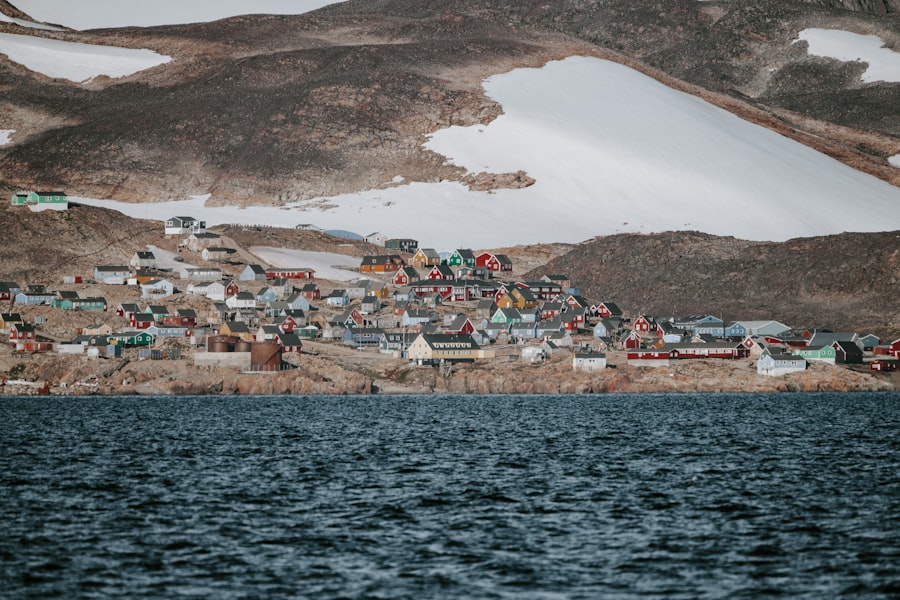
The environmental impact of any large-scale mining operation is a significant consideration, and Kvanefjeld is no exception. The Arctic environment, with its unique and fragile ecosystems, amplifies these concerns, making the potential consequences a critical point of debate.
Water and Soil Contamination Risks
Mining operations, by their very nature, involve the disruption of land and the use of chemicals. The potential for water and soil contamination from tailings, processing waste, and accidental spills is a paramount concern in Kvanefjeld. The proximity of agricultural land and fishing grounds amplifies these anxieties, as contamination could have ripple effects across local livelihoods.
Air Quality and Dust Emissions
The process of mining and crushing ore generates significant dust. Airborne particulate matter can impact air quality, affecting both human health and the wider environment. In a region with clean air, the introduction of industrial pollutants is a significant worry for communities.
Impact on Biodiversity and Ecosystems
Greenland’s Arctic and sub-Arctic environments are home to unique flora and fauna. The footprint of a mining operation, including infrastructure development, operational noise, and potential pollution, can disrupt delicate ecosystems and impact biodiversity. This is particularly true for species with specific habitat requirements or those at the top of the food chain.
Radioactive Waste Management
The presence of uranium introduces the critical issue of radioactive waste management. The safe storage and disposal of tailings containing radioactive materials are of paramount importance. Ensuring that these materials do not leach into the environment over the long term is a monumental undertaking that requires robust scientific and engineering solutions.
Societal and Indigenous Rights Debates
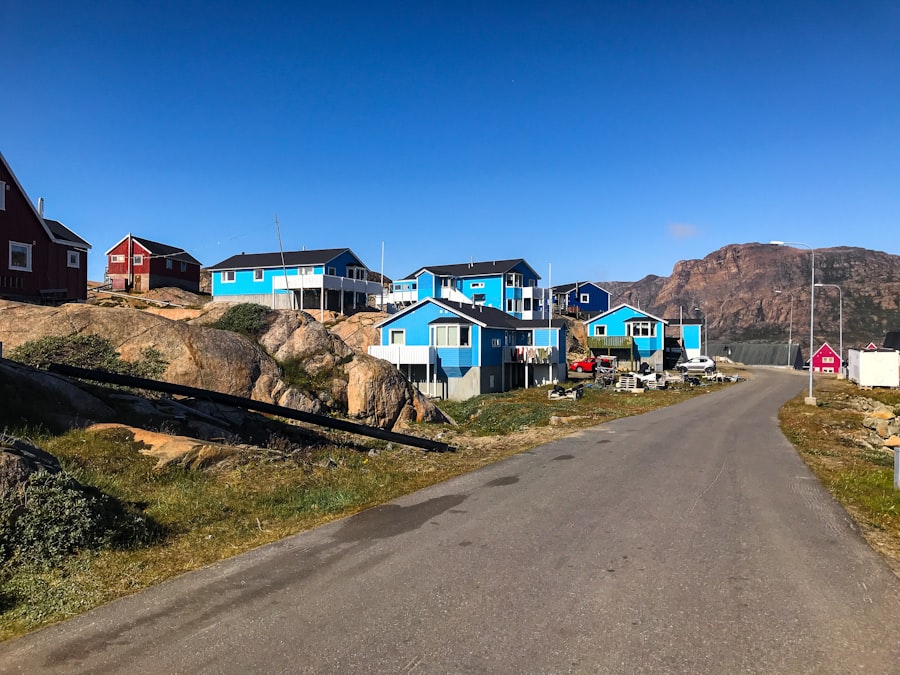
Beyond the environmental and economic realms, the Kvanefjeld controversy is deeply intertwined with issues of societal impact and the rights of Greenland’s indigenous population. The wishes and well-being of the people who call Greenland home weigh heavily on the debate.
The Voice of the Inuit and Self-Determination
The Inuit, the indigenous people of Greenland, have a deep ancestral connection to the land. Their perspectives on resource development, particularly projects that could alter the landscape and their traditional ways of life, are crucial. The debate often centers on whether the potential economic benefits outweigh the cultural and societal costs, and whether indigenous communities have a true say in the decision-making process.
Economic Diversification vs. Resource Dependency
A central argument for the Kvanefjeld project is its potential to diversify Greenland’s economy, which is currently heavily reliant on fishing and subsidies. However, critics caution against becoming overly dependent on a single, volatile industry. The boom-and-bust cycles typical of mining can leave economies vulnerable.
Community Opposition and Support
Within Greenland, opinions on Kvanefjeld are divided. Some communities see the mine as a beacon of hope, promising jobs and economic prosperity. Others, particularly those in close proximity to the proposed site, express deep reservations and actively campaign against its development, driven by fears for their environment and way of life.
Political Ramifications and International Influence
The Kvanefjeld project has become a political football, both within Greenland and on the international stage. Greenlandic politicians must navigate the competing demands of economic development, environmental protection, and the rights of their people. International actors, including governments and corporations, keenly watch the developments due to the strategic importance of REEs.
The Kvanefjeld rare earth mining project in Greenland has sparked significant controversy due to its environmental implications and the potential impact on local communities. As discussions continue about the balance between economic development and ecological preservation, many are looking to related articles for insights. For instance, an informative piece on the broader implications of rare earth mining can be found at My Geo Quest, which explores the challenges and opportunities presented by such projects around the world. This ongoing debate highlights the complexities of resource extraction in sensitive environments.
The Future of Kvanefjeld: A Crossroads
| Metric | Details |
|---|---|
| Location | Kvanefjeld, Greenland |
| Primary Minerals | Rare earth elements, Uranium, Zinc |
| Estimated Rare Earth Reserves | Approximately 1.4 million tonnes |
| Uranium Content | Approximately 593 million tonnes of ore with 0.036% uranium |
| Project Developer | Greenland Minerals Ltd. |
| Environmental Concerns | Radioactive waste management, water contamination, ecosystem disruption |
| Local Opposition | Strong opposition from Greenlandic communities and environmental groups |
| Political Status | Controversial; Greenland government has debated mining permits |
| Potential Economic Impact | Job creation and revenue for Greenland, but with environmental trade-offs |
| Global Significance | One of the world’s largest rare earth deposits, important for clean energy technologies |
The Kvanefjeld project stands at a critical juncture, its future contingent on a complex web of decisions and evolving circumstances. The path forward is fraught with difficult choices, and the outcome will have far-reaching implications.
Regulatory Approval and Environmental Safeguards
Any large-scale mining project in Greenland requires stringent regulatory approval and the implementation of robust environmental safeguards. The adequacy and enforcement of these measures are under intense scrutiny. The question is not just if the mine will be approved, but how it will operate, with what protections in place.
International Market Dynamics and Investment Climate
The economic viability of Kvanefjeld is intrinsically linked to global rare earth markets. Fluctuations in prices and the availability of alternative sources of REEs can significantly impact the project’s profitability. Furthermore, the perception of Greenland’s mining sector and its regulatory environment will influence investor confidence.
The Precedent for Future Arctic Development
The Kvanefjeld saga is setting a precedent for future resource development in the Arctic. The decisions made in Greenland will likely inform how other Arctic nations approach similar projects, balancing economic opportunities with environmental and social responsibilities. This is not merely a local issue; it is a bellwether for how the world will engage with the Arctic’s vast, untapped resources.
Weighing the Costs and Benefits: A Delicate Balance
Ultimately, the Kvanefjeld controversy boils down to a fundamental question: do the projected economic benefits of rare earth extraction outweigh the potential environmental and societal costs? This is a question with no easy answers, requiring careful consideration of scientific data, ethical principles, and the long-term well-being of Greenland and its people. The world watches, as Greenland grapples with the immense potential and profound responsibilities that Kvanefjeld represents. It is a decision that will echo far beyond its icy shores, shaping not only Greenland’s destiny but also the global supply chain for the technologies that define our modern world.
FAQs
What is the Kvanefjeld rare earth mining project?
Why is the Kvanefjeld mining project controversial?
The controversy stems from environmental concerns, potential radioactive waste due to uranium content, and the impact on local communities and ecosystems. Additionally, there are debates about economic benefits versus environmental risks and the role of foreign companies in Greenland’s mining sector.
What are rare earth elements, and why are they important?
Rare earth elements are a group of 17 chemical elements used in various high-tech applications, including electronics, renewable energy technologies, and defense systems. They are critical for manufacturing products like smartphones, electric vehicles, and wind turbines.
How has the Greenland government responded to the controversy?
The Greenland government has faced pressure to balance economic development with environmental protection. It has implemented regulatory measures and conducted environmental assessments, but political opinions vary, with some supporting mining for economic growth and others opposing it due to environmental and health concerns.
What is the role of international companies in the Kvanefjeld project?
International mining companies, particularly from China, have been involved in developing the Kvanefjeld project. Their participation has raised geopolitical concerns about control over rare earth resources and the influence of foreign investment in Greenland’s natural resources.