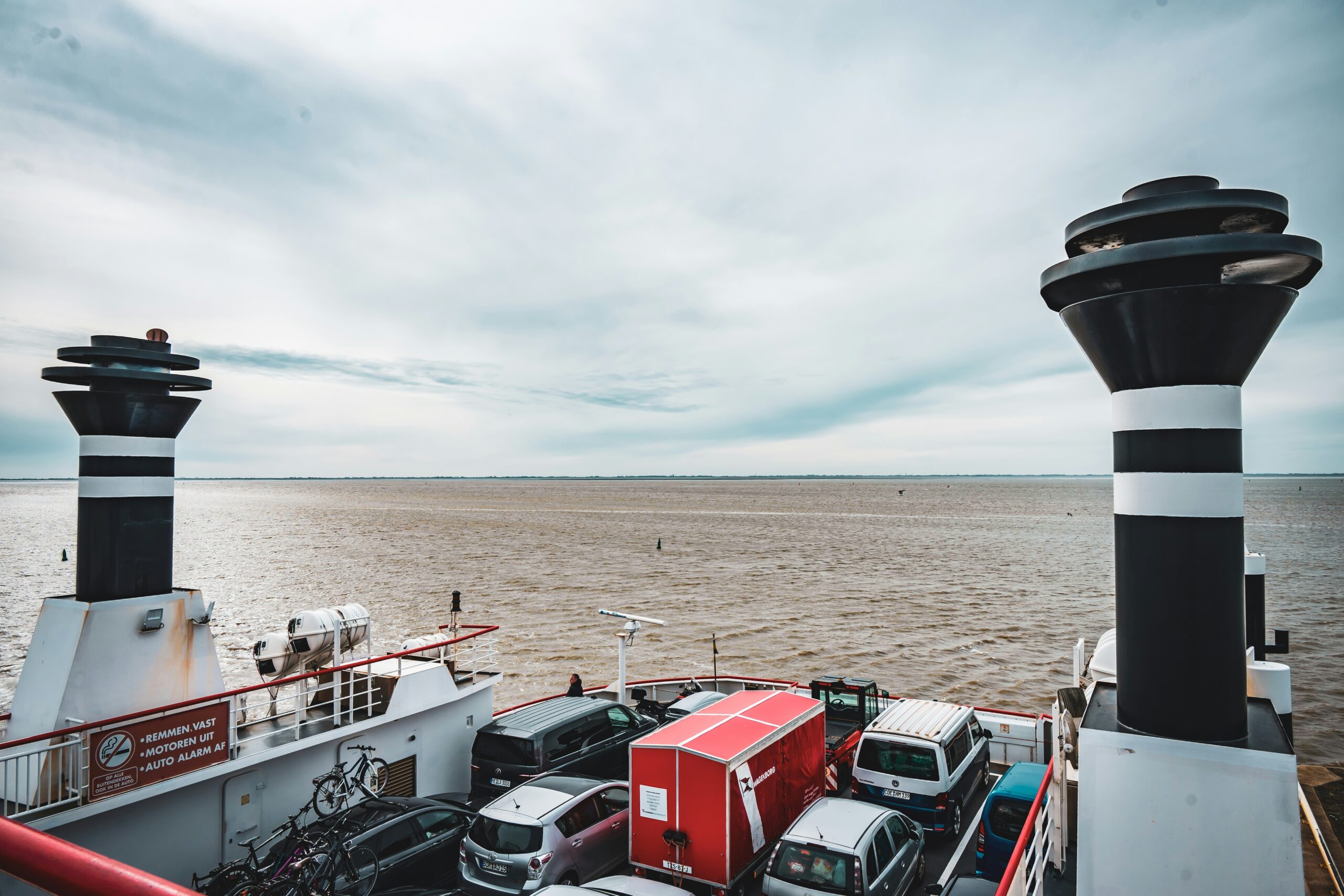
The North Sea, a vital artery of European commerce, stands as a testament to the enduring importance of maritime trade. For centuries, its waters have served as a conduit for goods, energy, and people, weaving a complex web of connections that underpins the economic and social fabric of the surrounding nations. Far from being a mere historical footnote, North Sea shipping remains a dynamic and indispensable component of modern European life, facilitating global trade, powering economies, and fostering the livelihoods of countless coastal communities. Its significance extends beyond the mere movement of cargo; it represents a critical element in the supply chains of numerous industries, a crucial pathway for energy security, and a vital link for both leisure and business travel. The sheer volume of traffic and the diverse range of vessels that traverse these waters underscore its profound and multifaceted importance.
The North Sea’s strategic location, nestled between some of the world’s most industrialized nations, makes it a natural hub for international trade. Its extensive network of ports, from Rotterdam and Antwerp to Hamburg and Felixstowe, are gateways for goods entering and exiting the European continent. This maritime highway facilitates the import and export of raw materials, manufactured goods, and finished products, forming the backbone of many European economies.
Facilitating Global Supply Chains
The efficient flow of goods through the North Sea is paramount for global supply chains. Manufacturers across Europe rely on these shipping lanes to receive the components and materials necessary for production. Similarly, finished goods destined for markets around the world embark on their journeys from North Sea ports. Disruptions to this vital trade route can have cascading effects, leading to production delays, increased costs, and shortages for consumers. The intricate dance of container ships, bulk carriers, and tankers ensures that the wheels of industry keep turning, connecting producers and consumers across continents. The sheer scale of this operation is staggering, with millions of containers and tonnes of cargo transiting these waters annually. This constant movement of goods not only fuels economic activity but also sustains employment in sectors ranging from logistics and warehousing to manufacturing and retail.
Supporting Key Industries
Numerous key European industries are intrinsically linked to North Sea shipping. The automotive sector, for instance, depends on the timely delivery of vehicles and components. The agricultural sector relies on the import of fertilizers and the export of produce. The manufacturing sector, in turn, depends on the import of raw materials like steel, timber, and minerals. Even the burgeoning e-commerce sector, with its insatiable demand for goods, is heavily reliant on the efficient movement of goods via container ships that ply the North Sea. The intricate interdependencies highlight how crucial uninterrupted shipping is for the continued prosperity of these vital economic sectors. The ability to move goods cost-effectively and reliably by sea provides a competitive advantage for European businesses on the global stage.
The Role of Ports as Economic Hubs
The ports situated along the North Sea coast are not merely points of transit; they are vibrant economic hubs in their own right. These sophisticated complexes employ thousands of people in a wide array of roles, from port operators and stevedores to customs officials and logistics managers. They also attract a host of ancillary businesses, including freight forwarders, shipping agents, repair yards, and warehousing facilities, further amplifying their economic impact. Investment in port infrastructure, such as deepening channels and expanding terminal capacity, is crucial for maintaining competitiveness and adapting to the ever-increasing demands of global trade. The ongoing modernization and expansion of these ports are a clear indicator of their continued importance and the commitment to their future.
North Sea shipping plays a crucial role in global trade, facilitating the movement of goods between Europe and other regions. The strategic location of the North Sea makes it a vital corridor for maritime transport, impacting economies and industries across multiple countries. For a deeper understanding of the significance of this maritime route, you can read a related article that explores the economic implications and environmental considerations of North Sea shipping at MyGeoQuest.
The Lifeline of Energy Security
Beyond general cargo, the North Sea plays a pivotal role in the transportation of energy resources, a critical factor in the energy security and stability of European nations. The region is a significant producer of oil and natural gas, and its maritime routes are essential for delivering these vital commodities to refineries and power plants.
Transporting Hydrocarbons
The North Sea is a major source of oil and natural gas for Europe. Offshore fields are connected to onshore terminals via a vast network of pipelines, but a significant portion of these resources are also transported by tankers. These vessels carry crude oil to refineries and liquefied natural gas (LNG) to regasification terminals, ensuring a steady supply of fuel for heating, electricity generation, and transportation. The security of these supply routes is therefore of paramount importance to national energy independence and economic stability. The efficient and safe operation of these oil and gas tankers is a complex undertaking, requiring rigorous safety standards and constant monitoring.
The Impact on Energy Prices
The availability of North Sea oil and gas, and the cost-effectiveness of its transportation, can have a direct impact on energy prices across Europe. Fluctuations in production levels, geopolitical events, or disruptions to shipping routes can lead to price volatility. Therefore, maintaining a robust and secure shipping infrastructure for energy resources is not just an economic imperative but also a matter of national security. The reliable flow of energy through these maritime arteries helps to stabilize markets and protect consumers from the extreme price swings that can occur when supply is threatened.
Diversification of Energy Sources
While the North Sea remains a significant producer, its shipping routes also facilitate the import of energy from other regions. LNG terminals, for example, allow Europe to diversify its energy sources by importing gas from countries beyond its immediate geographical vicinity. This diversification enhances energy security by reducing reliance on any single supplier and provides greater resilience in the face of potential supply disruptions. The adaptability of North Sea shipping to accommodate new energy sources is a testament to its enduring relevance.
Connecting Communities and Facilitating Travel

North Sea shipping is not solely about the movement of commodities; it also plays a vital role in connecting people, facilitating both business and leisure travel, and fostering a sense of community among coastal populations.
Passenger Ferries and Commuter Routes
Numerous passenger ferry services operate across the North Sea, connecting the United Kingdom with continental Europe, and linking various islands and coastal towns. These ferries are not just a mode of transport; they are often vital lifelines for local communities, providing essential links for commuters, tourists, and the transport of essential goods. For many, the ferry is the primary means of travel, connecting them to healthcare, education, and employment opportunities. The reliability and frequency of these services are crucial for maintaining the social and economic vitality of these regions.
Tourism and Leisure Travel
The allure of coastal destinations and the charm of maritime travel draw millions of tourists to the North Sea region each year. Cruise ships, day-trip ferries, and smaller private vessels contribute significantly to the tourism economy, bringing revenue and employment to coastal towns and cities. The ability to easily access these destinations by sea enhances their attractiveness and supports the growth of the hospitality and leisure sectors. The scenic beauty of the North Sea coastline, combined with the convenience of ferry travel, makes it a popular choice for both domestic and international tourists.
The Social Fabric of Coastal Regions
For generations, coastal communities have been intrinsically linked to the sea and its maritime activities. Fishing fleets, ferry services, and the presence of shipping traffic have shaped their culture, heritage, and way of life. North Sea shipping continues to be an integral part of this social fabric, providing employment opportunities and fostering a shared identity. The rhythms of the tides and the comings and goings of ships are deeply embedded in the consciousness of these communities.
Technological Advancements and Future Trends

The shipping industry is not static; it is constantly evolving, driven by technological innovation and the need to adapt to changing environmental and economic landscapes. North Sea shipping is at the forefront of these advancements.
Towards Greener Shipping
The environmental impact of shipping is a growing concern, and the North Sea is a key testing ground for greener maritime technologies. Efforts are underway to reduce emissions from vessels through the adoption of cleaner fuels, such as LNG, methanol, and eventually hydrogen, as well as the development of more efficient engine designs and hull coatings. The drive towards decarbonization is a major focus, with ambitious targets being set to minimize the industry’s carbon footprint.
Digitalization and Automation
Digitalization is transforming maritime operations, with advancements in areas like autonomous navigation, real-time data analytics, and smart port technologies. These innovations promise to enhance efficiency, improve safety, and reduce operational costs. The integration of AI and IoT is set to revolutionize vessel management, route optimization, and port logistics, paving the way for a more intelligent and responsive shipping ecosystem.
The Future of the North Sea Route
As global trade patterns shift and technological capabilities expand, the role of the North Sea route will continue to evolve. While established routes remain dominant, there is ongoing research and development into optimizing existing routes and exploring new possibilities, including the potential for increased Arctic shipping. The adaptability and forward-thinking nature of the North Sea shipping sector will be crucial in navigating these future challenges and opportunities.
North Sea shipping plays a crucial role in global trade, serving as a vital artery for the transportation of goods between Europe and other regions. The strategic location of the North Sea facilitates efficient shipping routes that connect major ports, making it essential for the economy of surrounding countries. For a deeper understanding of the significance of maritime activities in this region, you can explore a related article that discusses various aspects of North Sea shipping and its impact on international trade. This insightful piece can be found here.
Challenges and Opportunities in North Sea Shipping
| Reasons | Metrics |
|---|---|
| Economic Impact | Accounts for 90% of global trade |
| Energy Transport | Transports 50% of Europe’s oil and gas |
| Job Creation | Employs over 500,000 people |
| Environmental Impact | Reduces carbon emissions by 40% compared to road transport |
Despite its undeniable importance, North Sea shipping faces a number of challenges that require careful consideration and proactive solutions. However, these challenges also present opportunities for innovation and growth.
Environmental Protection and Regulation
The environmental impact of shipping, including emissions, oil spills, and waste discharge, is a significant concern. Stricter regulations are being implemented to mitigate these impacts, requiring shipping companies to invest in cleaner technologies and more sustainable practices. Balancing the economic benefits of shipping with the need for environmental protection is a critical and ongoing challenge.
Safety and Security Concerns
The North Sea is a busy waterway, and ensuring the safety of vessels, crews, and the marine environment is paramount. This includes addressing risks such as collisions, groundings, piracy, and the transportation of hazardous materials. International cooperation and robust safety protocols are essential for maintaining a secure maritime environment.
Infrastructure Development and Investment
The continued growth of North Sea shipping necessitates ongoing investment in port infrastructure, navigational aids, and intermodal connections. Ensuring that ports can handle larger vessels, accommodate new technologies, and efficiently transfer cargo to and from land-based transportation networks is crucial for future competitiveness.
Adapting to Evolving Trade Dynamics
Global trade is constantly changing, influenced by geopolitical events, economic shifts, and consumer demand. North Sea shipping must remain agile and adaptable to these evolving dynamics, identifying new markets, optimizing routes, and embracing innovative business models to stay ahead of the curve. The ability to respond effectively to these changes will be key to sustained success.
In conclusion, the importance of North Sea shipping cannot be overstated. It is a fundamental pillar of the European economy, a crucial enabler of energy security, and a vital connector of communities. As the industry navigates the complexities of environmental sustainability, technological advancement, and evolving global trade, its continued adaptability and commitment to innovation will ensure its enduring relevance and prosperity for generations to come. The North Sea, with its rich maritime heritage and its forward-looking approach, will undoubtedly remain a vital artery of global commerce and a symbol of European connectivity.

The Dangerous Sea Europe Can’t Live Without
FAQs
1. Why is North Sea shipping important?
North Sea shipping is important because it serves as a vital transportation route for goods, connecting the ports of Northern Europe to the rest of the world. It plays a crucial role in facilitating trade and commerce for countries bordering the North Sea.
2. What are the main goods transported through North Sea shipping?
The main goods transported through North Sea shipping include oil and gas, agricultural products, machinery, automobiles, and consumer goods. These goods are transported to and from the ports of countries such as the United Kingdom, the Netherlands, Belgium, Germany, and Norway.
3. How does North Sea shipping contribute to the economy?
North Sea shipping contributes significantly to the economy by providing efficient and cost-effective transportation of goods, which in turn supports international trade and economic growth. It also creates employment opportunities in the maritime industry and related sectors.
4. What are the environmental considerations associated with North Sea shipping?
North Sea shipping raises environmental concerns related to air and water pollution, as well as the potential impact on marine ecosystems. Efforts are being made to reduce emissions and improve sustainability through the use of cleaner fuels and more efficient vessel designs.
5. What are the challenges facing North Sea shipping?
Challenges facing North Sea shipping include congestion in ports, the need for infrastructure improvements, regulatory compliance, and the impact of geopolitical factors on trade routes. Additionally, the industry must adapt to technological advancements and changing global trade patterns.