The intricate dance of flight, a marvel of modern engineering and human ingenuity, is undeniably influenced by the ephemeral yet powerful forces of weather. From the grand sweeping arcs of intercontinental journeys to the precise maneuvers of regional hops, meteorological conditions dictate the very paths aircraft traverse. This article delves into the profound impact of weather on flight routes, exploring the complexities, challenges, and adaptations that ensure the safety and efficiency of global air travel.
The atmosphere, a vast and dynamic canvas, is in a perpetual state of flux, driven by solar energy and the Earth’s rotation. This ceaseless activity generates a multitude of weather phenomena, each with the potential to alter flight plans. For aviation, understanding this atmospheric orchestra is paramount. From microscopic water droplets forming clouds to the colossal forces of jet streams, every element plays a role.
The Pillars of Aviation Meteorology
Aviation meteorology is a specialized field dedicated to forecasting and understanding the weather as it pertains to air operations. It’s not simply about knowing if it will rain; it’s about understanding wind speed and direction at specific altitudes, the presence of turbulence, visibility limitations, and the potential for hazardous conditions like thunderstorms and icing.
Wind: The Invisible Hand on the Rudder
Wind is perhaps the most pervasive and influential factor affecting flight routes. Its speed and direction at different altitudes can significantly impact fuel consumption, flight time, and even the feasibility of certain routes.
Headwinds and Tailwinds: Fuel and Time Conundrums
A tailwind, a wind blowing in the same direction as the aircraft, is a boon for airlines, reducing flight times and improving fuel efficiency. Conversely, a headwind, blowing against the direction of travel, necessitates longer flight times and greater fuel expenditure to maintain airspeed. Pilots and dispatchers meticulously consider prevailing winds when planning routes, often opting for slightly longer paths to take advantage of favorable tailwinds or to circumvent strong headwinds. This optimization is a constant balancing act between time and resource management.
Crosswinds: The Sideways Squeeze
Crosswinds, winds blowing perpendicular to the aircraft’s direction of travel, pose a more immediate challenge, particularly during takeoff and landing. While aircraft are designed to handle a certain degree of crosswind, exceeding these limits can lead to aborted takeoffs or diversions to alternate airports. The skill of the pilot in managing crosswinds is crucial, and flight planning must account for potential wind shear conditions that can arise at lower altitudes.
Clouds: Sculptors of the Skies
While not all clouds are impediments to flight, certain types and formations can significantly impact route planning and safety. The very formation of clouds is a testament to atmospheric moisture and temperature dynamics, crucial data points for aviators.
Cumulonimbus: The King of Storms
These towering, anvil-shaped clouds are the harbingers of severe weather. They are characterized by their intense updrafts and downdrafts, heavy precipitation, lightning, and hail. Flying through a cumulonimbus cloud is exceptionally dangerous, leading to severe turbulence, potential engine failure due to water ingestion, and structural damage. Aviation regulations strictly prohibit flight through thunderstorms, necessitating significant detours.
Thunderstorm Avoidance: Routing Around the Fury
The presence of thunderstorms, often forming along fronts or in the heat of the day, requires sophisticated routing strategies. Meteorologists and air traffic controllers work in tandem to identify and track these storm cells. Pilots are then provided with updated information, and flight paths are adjusted to create wide berths around these dangerous formations. This can lead to increased flight distances and longer travel times, especially during warmer months with widespread convective activity.
Stratus and Fog: The Veil of Reduced Visibility
Low-lying stratus clouds and fog significantly reduce visibility, posing a critical threat to safe flight operations, particularly during critical phases like takeoff and landing.
Landing in Low Visibility: Precision and Procedure
When visibility drops below prescribed minimums, aircraft may be unable to land at their intended destination. This necessitates diversions to airports with better weather conditions. Advanced technologies like Instrument Landing Systems (ILS) and the increasing adoption of Category IIIb and Category IIIc landing capabilities are allowing aircraft to land in increasingly challenging visibility conditions. However, these require specialized aircraft equipment and pilot training, and not all airports are equipped to support such landings.
Ground Operations: The Ripple Effect
Reduced visibility also impacts ground operations. Taxiing aircraft, baggage handling, and even refueling can be delayed or suspended, creating a cascade effect that can lead to further flight schedule disruptions.
Weather plays a crucial role in determining flight routes, as airlines must navigate various atmospheric conditions to ensure safety and efficiency. For a deeper understanding of this topic, you can explore the article titled “How Weather Affects Flight Routes” on MyGeoQuest, which delves into the impact of storms, wind patterns, and temperature variations on aviation. To read more, visit this link.
The Invisible Barriers: Upper Air Phenomena
Beyond the visible manifestations of clouds and precipitation, phenomena in the upper atmosphere can also exert a profound influence on flight routes, often in ways that are less intuitive but equally impactful.
Jet Streams: The High-Altitude Highways and Hurdles
Jet streams are fast-flowing, narrow currents of air found in the upper atmosphere. These powerful atmospheric rivers can be both beneficial and detrimental to flight operations.
Riding the Jet Stream: Expedited Journeys
When an aircraft’s flight path aligns with the direction of a jet stream, pilots can utilize its powerful tailwinds to significantly reduce flight times and improve fuel efficiency. This is particularly advantageous for transoceanic flights, where routes are often optimized to take advantage of prevailing jet streams. Think of them as invisible, high-altitude highways that can shave hours off journeys.
Strategic Route Planning: Leveraging the Flow
Airlines invest heavily in sophisticated flight planning software that analyzes jet stream data in real-time. This allows them to strategically select routes that maximize the benefits of these high-altitude currents. This constant monitoring and adjustment can lead to dynamic route changes mid-flight, ensuring the most efficient path is taken.
Fighting the Wind: Battling Against the Current
Conversely, if an aircraft needs to fly against the direction of a powerful jet stream, it can lead to significantly increased flight times and fuel consumption. In such scenarios, dispatchers may opt for a different route or a lower altitude to avoid the adverse effects of the jet stream.
Clear Air Turbulence (CAT): The Unseen Hazard
Clear Air Turbulence (CAT) is a particularly challenging weather phenomenon because it occurs in the absence of visible clouds, making it difficult to detect and avoid. It is typically found in the vicinity of jet streams and can range from mild buffeting to severe jolts that can cause passenger discomfort and, in extreme cases, injuries.
Detecting and Avoiding CAT: A Constant Vigilance
Airlines and air traffic control employ sophisticated weather radar and forecasting models to predict areas where CAT is likely to occur. Pilots are also trained to recognize atmospheric cues that might indicate its presence. When CAT is forecast, routes are adjusted to circumnavigate these zones.
Passenger Safety and Aircraft Integrity: The Primary Concerns
The primary concern with CAT is passenger safety and the integrity of the aircraft. While modern aircraft are built to withstand significant turbulence, severe CAT can still pose risks. This is why avoidance is the preferred strategy.
The Global Network: International Implications of Weather

The impact of weather on flight routes extends far beyond individual aircraft and immediate flight paths. It creates a complex web of interconnectedness across the global aviation network, with localized weather events having far-reaching ripple effects.
Transatlantic and Transpacific Routes: Navigating the Oceans of Air
Flights across large bodies of water, such as the Atlantic and Pacific oceans, are heavily influenced by prevailing weather patterns. These routes are often chosen to take advantage of prevailing winds, including jet streams, and to avoid known areas of severe weather.
Seasonal Variations: The Cyclical Dance of Storms
Seasonal weather patterns, such as hurricane seasons in the Atlantic and typhoon seasons in the Pacific, significantly impact route planning in these regions. Airlines must carefully monitor these predictable yet dangerous weather events and adjust their routes accordingly. This can lead to temporary rerouting of flights, sometimes adding significant time and fuel costs.
The Arctic Advantage: Circumpolar Routes
In some cases, particularly for flights between Asia and North America, circumpolar routes over the Arctic have become increasingly viable. These routes can shorten flight times by leveraging favorable winds and avoiding the more turbulent weather systems found at lower latitudes. However, these routes also present unique challenges related to navigation, emergency landing options, and extreme cold.
Continental Weather Systems: Inland Disruptions
Within continents, large-scale weather systems such as cold fronts, warm fronts, and low-pressure systems can create widespread disruptions to flight schedules.
Frontal Systems: The Broad Strokes of Disruption
The passage of a cold front, for instance, can bring about dramatic changes in temperature, wind, and precipitation, leading to widespread thunderstorm activity and reduced visibility over a large area. This necessitates the rerouting of numerous flights. Similarly, low-pressure systems can generate significant winds and cloud cover that impact multiple flight paths.
Regional Airport Congestion: The Bottleneck Effect
When weather forces numerous aircraft to divert to alternate airports or delays departures en masse, it can lead to significant congestion at affected airports. This creates a bottleneck in the air traffic control system, extending delays and impacting subsequent flights. This phenomenon highlights the interconnectedness of the aviation system and how weather at one location can impact operations thousands of miles away.
Technology’s Role: Mitigating the Meteorological Menace
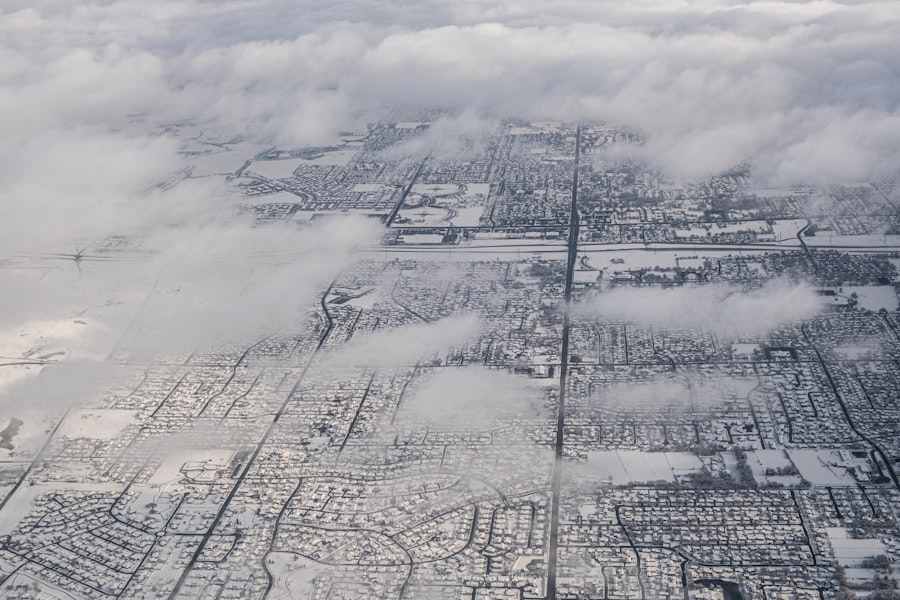
The aviation industry has consistently embraced technological advancements to better understand, predict, and mitigate the impact of weather on flight routes. From sophisticated forecasting tools to advanced aircraft systems, technology plays a crucial role.
Advanced Forecasting and Monitoring: Seeing into the Future
Modern meteorology relies on a vast network of satellites, radar systems, weather balloons, and ground-based observation stations. This data is fed into powerful computer models that generate highly detailed forecasts of atmospheric conditions.
Ensemble Forecasting: A Probabilistic Approach
Ensemble forecasting, where multiple models run with slightly varied initial conditions, provides a probabilistic outlook on weather. This allows meteorologists to assess the likelihood of certain weather events and to provide a range of possible outcomes, which is invaluable for flight planning.
AI and Machine Learning: The Next Frontier
The integration of Artificial Intelligence (AI) and Machine Learning (ML) is revolutionizing weather forecasting. These technologies can analyze vast datasets to identify patterns and predict weather events with increasing accuracy and lead time.
Onboard Systems: The Pilot’s Weather Toolkit
Aircraft themselves are equipped with sophisticated systems that provide pilots with real-time weather information.
Weather Radar: Peering Through the Clouds
Onboard weather radar allows pilots to detect precipitation and the intensity of storms ahead. This enables them to make informed decisions about course corrections in real-time, ensuring they avoid the most hazardous areas.
Global Navigation Satellite Systems (GNSS) and ADS-B: Precision and Awareness
GNSS, such as GPS, provides highly accurate positional data, allowing for precise navigation even in challenging weather. Automatic Dependent Surveillance-Broadcast (ADS-B) provides aircraft with real-time information about the positions of other aircraft in their vicinity, enhancing situational awareness, particularly in reduced visibility conditions.
Weather plays a crucial role in determining flight routes, as airlines must navigate various atmospheric conditions to ensure safety and efficiency. Factors such as turbulence, storms, and wind patterns can lead to significant changes in planned trajectories. For a deeper understanding of how these elements influence aviation, you can explore a related article that discusses the impact of meteorological conditions on air travel. This insightful piece can be found here.
The Human Factor: Adaptation and Expertise
| Weather Condition | Effect on Flight Routes |
|---|---|
| Clear skies | No impact on flight routes |
| Thunderstorms | Flight routes may be diverted or delayed |
| Heavy snowfall | Flight routes may be cancelled or delayed |
| Strong winds | Flight routes may experience turbulence or delays |
| Low visibility | Flight routes may be diverted or delayed |
Despite the advancements in technology, the human element remains indispensable in dealing with the impact of weather on flight routes. The expertise of pilots, air traffic controllers, and meteorologists is crucial.
Pilot Training and Decision-Making: The Human Compass
Pilots undergo rigorous training to handle various weather scenarios. Their ability to interpret weather information, make sound judgments under pressure, and execute precise maneuvers is paramount to safety.
Crew Resource Management (CRM): Teamwork in the Cockpit
CRM emphasizes effective communication and teamwork between pilots and cabin crew. In challenging weather conditions, clear and concise communication is vital for ensuring passenger safety and efficient flight operations.
Diversion Decisions: The Art of the Alternative
The decision to divert a flight often lies with the pilot, based on available weather information and the limitations of the aircraft and airport. This is a complex decision that balances safety, passenger comfort, and operational efficiency.
Air Traffic Control: Orchestrating the Skies
Air traffic controllers play a critical role in managing flight routes in the face of adverse weather. They work to maintain safe separation between aircraft, reroute flights to avoid hazardous areas, and manage airport traffic flow.
Sector Optimization: Adapting to Dynamic Conditions
In areas with significant weather activity, air traffic controllers may alter sector boundaries, assign different altitudes, and manage the flow of traffic to optimize efficiency and safety. This dynamic adaptation is essential for keeping the skies moving.
Communication and Coordination: The Global Dialogue
Effective communication and coordination between air traffic control centers, airlines, and meteorological services are vital for managing weather-related disruptions across the global aviation network.
In conclusion, the impact of weather on flight routes is a multifaceted and ever-present challenge in aviation. From the subtle influence of wind on fuel efficiency to the dramatic necessity of diverting flights around severe thunderstorms, meteorological conditions dictate the rhythm of air travel. Through continuous advancements in technology, rigorous pilot training, and the coordinated efforts of aviation professionals worldwide, the industry strives to navigate the atmospheric orchestra, ensuring that journeys, though occasionally altered, remain safe and ultimately, as efficient as the skies allow. The delicate balance between harnessing favorable weather and circumventing hazardous conditions will continue to shape the future of flight.

The Invisible Highways That Cross the Atlantic
FAQs
1. How does weather affect flight routes?
Weather can affect flight routes in several ways, including causing delays, diversions, or cancellations. Thunderstorms, strong winds, fog, and snow can all impact the safety and efficiency of air travel, leading to changes in flight paths.
2. What are some specific weather conditions that can impact flight routes?
Specific weather conditions that can impact flight routes include turbulence, icing, low visibility, and strong crosswinds. These conditions can require pilots to adjust their routes or altitude to ensure the safety of the flight.
3. How do airlines and pilots monitor and respond to weather conditions during flights?
Airlines and pilots use a variety of tools and resources to monitor weather conditions during flights, including radar, satellite data, and communication with air traffic control. Pilots are trained to make real-time decisions to adjust their routes or altitude to avoid hazardous weather.
4. Can weather affect the length of a flight?
Yes, weather can affect the length of a flight. Headwinds can slow down an aircraft, while tailwinds can speed it up. Additionally, diversions or delays due to weather can extend the overall travel time for passengers.
5. How do airlines plan flight routes to minimize the impact of weather?
Airlines use sophisticated planning tools and meteorological data to optimize flight routes and minimize the impact of weather. This can include choosing altitudes and routes that avoid known weather hazards, as well as making real-time adjustments during the flight.