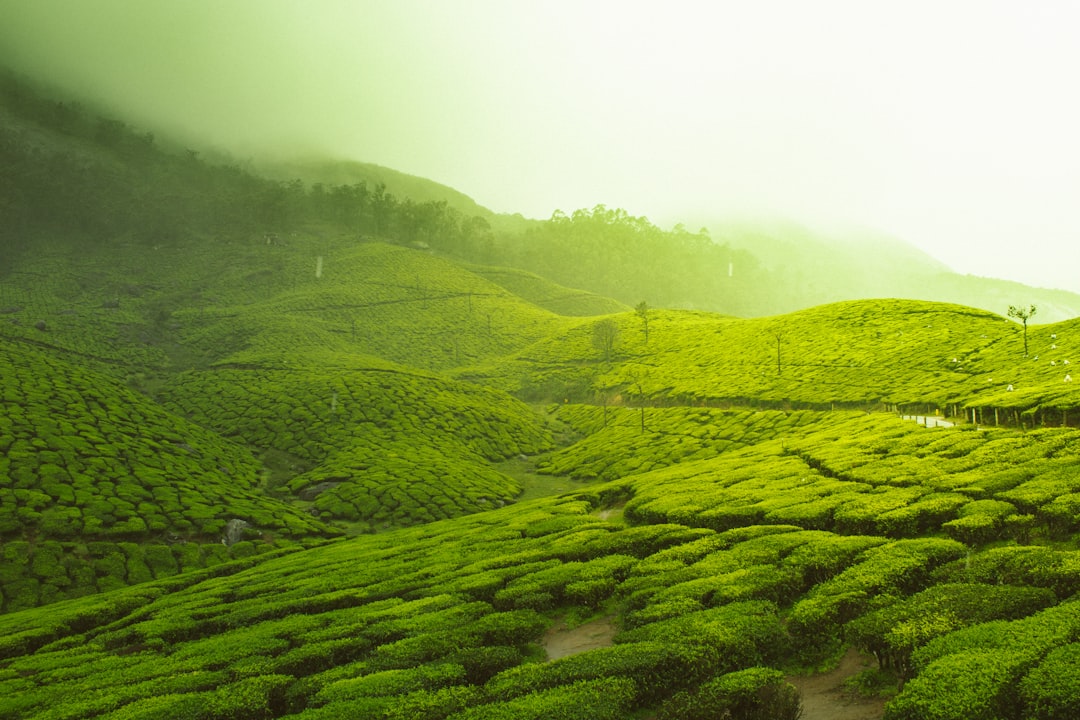
You’re probably wondering what those vast, neat rows of green you often see in pictures of Sri Lanka are all about. They’re tea plantations, and they’ve played a pretty significant role in shaping the island’s geography over the last century and a half. It’s not just about aesthetics; these plantations have physically altered the land, influencing everything from water flow to soil composition, and even the very shape of hillsides.
The transformation of Sri Lanka’s geography due to tea plantations is a fascinating topic that highlights the interplay between agriculture and environmental change. For a deeper understanding of this subject, you can explore the article on My Geo Quest, which delves into the historical and ecological impacts of tea cultivation in the region. This article provides insights into how the introduction of tea plantations has reshaped the landscape and influenced local ecosystems. To read more, visit My Geo Quest.
The Rise of the Tea Estates: A Geographical Shift
When coffee cultivation in Sri Lanka was wiped out by blight in the 1860s, it created a void. British planters, looking for a new cash crop, turned their attention to tea. This shift had immediate and lasting geographical consequences as large tracts of land, previously dense jungle or diverse forest, were cleared to make way for what would become world-famous Ceylon tea.
From Rainforest to Rolling Hills
The initial clearing of land was a dramatic geographical intervention.
- Deforestation: The most visible impact was the large-scale removal of native rainforest. This wasn’t a gradual process; it was a rapid conversion of ecosystems to monoculture.
- Terracing: To maximize planting area on the often steep terrain of the central highlands, extensive terracing became a necessity. This involved carving out flat platforms on hillsides, fundamentally altering natural slopes and drainage patterns.
- Land Cover Change: The introduction of a single plant species, the tea bush, replaced a complex, biodiverse forest canopy. This fundamentally changed the land’s surface characteristics, affecting how sunlight interacted with the ground and how water was absorbed.
The Scale of the Operation
The sheer scale of tea cultivation in Sri Lanka is noteworthy.
- Dominant Land Use: Significant portions of the island’s central highlands became dedicated to tea estates, forming a distinct geographical signature.
- Infrastructure Development: The need to transport tea from remote estates to processing centers and ports led to the construction of roads, railways, and bridges, further modifying the landscape.
Altering Waterways and Drainage Systems
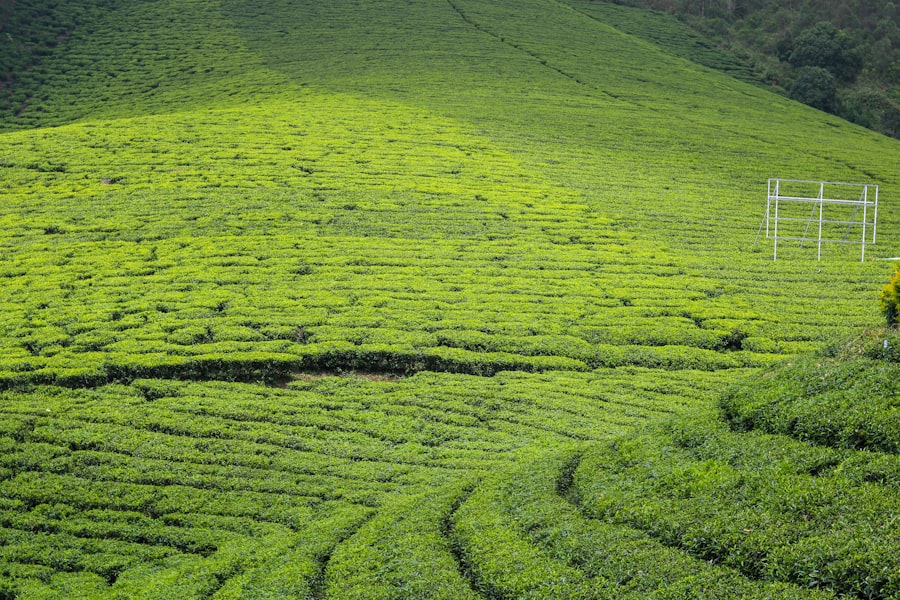
The transformation of natural landscapes into tea plantations had a profound impact on Sri Lanka’s water systems. Water, after all, is crucial for tea growth, and the way it moves across the land changed dramatically.
Erosion and Sedimentation
The removal of forest cover and the introduction of more permeable tea bushes, especially on slopes, led to significant changes in how rainwater interacted with the soil.
- Increased Runoff: Without the dense root systems and canopy of forests to intercept and slow down rainfall, water tends to run off the surface more quickly on exposed tea slopes.
- Soil Erosion: This increased runoff, particularly during heavy monsoon rains, carries away topsoil. Terracing, while helpful for planting, can also concentrate runoff in certain areas, leading to gully erosion if not managed properly.
- Sediment Load: The eroded soil ends up in rivers and streams, increasing their sediment load. This can affect water quality, impact aquatic ecosystems, and reduce the capacity of reservoirs.
Water Retention and Flow
The change in vegetation cover and soil structure affects how water is absorbed and released into the environment.
- Reduced Soil Moisture: While tea bushes do have roots, they don’t typically penetrate as deeply or form the same kind of water-retaining network as mature forest trees. This can lead to drier soils during periods of low rainfall.
- Modified River Regimes: The altered runoff patterns can contribute to more extreme river flow. This means rivers might experience higher peaks during rain and lower levels during dry spells, compared to their pre-plantation state.
- Impact on Groundwater: The long-term effects on groundwater recharge are complex and still studied, but changes in surface infiltration can certainly influence subterranean water tables.
The Role of Vegetation Management
How tea plantations are managed plays a crucial role in mitigating or exacerbating these hydrological impacts.
- Cover Cropping: Planting legumes or other ground cover between tea rows helps bind the soil and reduce erosion.
- Drainage Channels: Well-maintained drainage systems within the estates are essential to manage water flow and prevent waterlogging or excessive erosion.
- Riparian Buffers: Maintaining vegetated strips along rivers and streams is vital for preventing them from becoming choked with sediment.
Soil Health and Composition: A Shifting Foundation
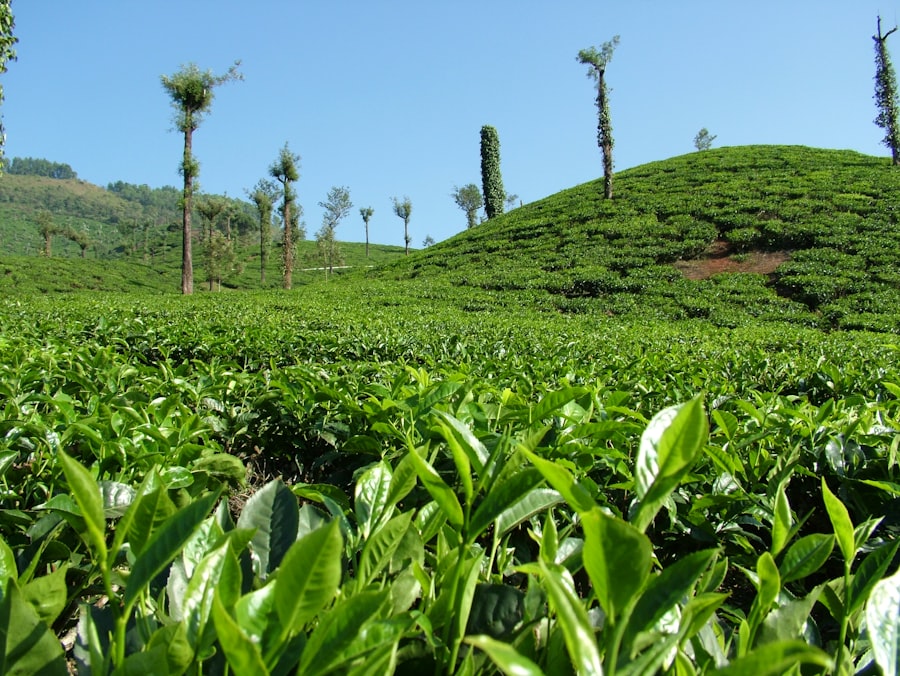
The very earth beneath the tea bushes has been altered. When you replace a diverse forest with a single crop, the soil undergoes its own transformation.
Nutrient Cycles and Soil Degradation
The introduction of monoculture and intensive farming practices have had noticeable effects on soil nutrients.
- Depletion of Organic Matter: The continuous removal of harvested leaves and the lack of diverse plant litter can lead to a gradual decline in soil organic matter. Organic matter is crucial for soil structure, water retention, and nutrient availability.
- Nutrient Leaching: Increased rainfall runoff can wash away essential nutrients from the topsoil, a process known as leaching.
- Dependence on Fertilizers: To compensate for nutrient depletion and maintain yields, tea plantations often rely heavily on synthetic fertilizers. This introduces external inputs and can alter the natural soil chemistry over time.
Soil Structure and Compaction
The physical structure of the soil can also be affected by plantation activities.
- Compaction from Machinery: Heavy machinery used for cultivation, harvesting, and transport can compact the soil. Compacted soil has reduced pore space, hindering water infiltration and root growth.
- Impact of Pruning and Harvesting: The regular pruning and plucking of tea bushes, while necessary for the plant, also involves mechanical disturbance of the soil surface.
- Changes in Microorganisms: The shift from a forest ecosystem to a tea monoculture can alter the composition and activity of soil microorganisms, which play vital roles in nutrient cycling and soil health.
Efforts Towards Soil Conservation
There are ongoing efforts to improve soil health in tea-growing regions.
- Composting and Organic Fertilizers: Incorporating compost and organic materials can help replenish soil organic matter.
- Intercropping: Planting shade trees or other compatible crops alongside tea can introduce more biodiversity and contribute to soil health.
- No-Till or Reduced Tillage Methods: Minimizing soil disturbance can help preserve soil structure and prevent erosion.
The introduction of tea plantations in Sri Lanka has significantly transformed the country’s geography, reshaping both its landscape and economy. As detailed in a related article, the expansion of these plantations has led to deforestation and alterations in land use, impacting local ecosystems and communities. The article explores how the cultivation of tea not only changed the physical terrain but also influenced social structures and agricultural practices in the region. For more insights on this topic, you can read the full article here.
Vegetation and Biodiversity: A Less Diverse Landscape
| Aspect | Impact |
|---|---|
| Deforestation | Large areas of forests were cleared to make way for tea plantations, leading to loss of biodiversity and changes in local climate. |
| Land Use | Tea plantations replaced traditional agricultural practices and altered the landscape of Sri Lanka. |
| Erosion | The removal of natural vegetation for tea cultivation led to increased soil erosion and sedimentation in water bodies. |
| Water Resources | The demand for water in tea plantations has put pressure on local water sources and affected the availability of water for other uses. |
The extensive planting of tea has undeniably reduced the variety of plant and animal life in many areas. It’s hard to argue against this when you compare a tea plantation to a natural forest.
Monoculture’s Reach
The defining feature of tea plantations is their overwhelming dominance of a single species.
- Replacement of Native Flora: Large areas that once supported a rich diversity of native trees, shrubs, and ground cover are now almost exclusively tea bushes.
- Loss of Habitat: This habitat loss directly impacts the animals that relied on the original forest for food and shelter. Many species of insects, birds, and mammals have seen their populations decline or disappear from these areas.
- Limited Food Sources: The tea bush itself offers a very limited food source for most wildlife compared to the variety found in a natural forest.
Impact on Wildlife Corridors
The interconnectedness of natural habitats is crucial for species survival.
- Fragmentation of Ecosystems: Large plantations can act as barriers, fragmenting remaining forest patches and making it difficult for animals to move between them. This isolates populations and can lead to inbreeding.
- Reduced Connectivity: The neat rows of tea are not conducive to the movement of many terrestrial animals, disrupting natural migration patterns and gene flow.
Efforts to Enhance Biodiversity
Conservation efforts are being integrated into plantation management.
- Agroforestry Practices: Integrating shade trees within tea fields can provide habitat and food for some species.
- Conservation Reserves: Some larger estates set aside portions of land as nature reserves or forest patches to act as refuges for biodiversity.
- Habitat Restoration: Replanting native species in degraded areas and along waterways can help recreate some of the lost habitats.
The Cultural and Economic Imprint: A Landscape of Labor
Beyond the physical changes, the presence of tea plantations has left an indelible mark on the social and economic geography of Sri Lanka, particularly in the highlands. This isn’t about the plants themselves, but the human element intrinsically linked to their cultivation.
The Plantation Tamils: A Human Geography
The establishment and expansion of tea estates brought a large population of indentured laborers from Southern India. This created a distinct ethnic group and residential pattern.
- Labor Camps: The creation of close-knit labor lines or “line rooms” became a characteristic feature of the plantation landscape, housing generations of workers.
- Distinct Communities: These communities developed their own unique cultural practices, languages, and social structures within the plantation environment.
- Geographical Concentration: The plantation Tamil population is geographically concentrated in the tea-growing districts, creating a unique demographic mapping of the island.
Economic Landscape and Infrastructure
The economic engine of tea has shaped the development of entire regions.
- Towns and Villages: Towns and villages sprung up around processing centers and transportation hubs, serving the needs of the plantation economy.
- Transportation Networks: The historic railway lines, built to transport tea and people, are a visible legacy, carving through the highlands and connecting production areas to ports.
- Economic Hubs: The tea industry continues to be a major economic driver, influencing land values, employment patterns, and investment in the regions where it is dominant.
Contemporary Challenges and Geographical Realities
The legacy of the plantation system brings its own set of geographical challenges today.
- Land Rights and Ownership: Issues surrounding land distribution and ownership continue to be a complex geographical and social reality for plantation communities.
- Access to Services: The remoteness of some plantations can impact access to education, healthcare, and other essential services for residents.
- Economic Diversification: As the global tea market evolves, regions heavily reliant on tea face the geographical challenge of diversifying their economic base.
Conclusion: A Landscape Shaped by the Leaf
The impact of tea plantations on Sri Lanka’s geography is a multifaceted story. It’s a narrative of how human enterprise, driven by economic demands, can fundamentally reshape the natural world. From the altered contours of hillsides to the altered flow of rivers, and from the simplified vegetation cover to the very composition of the soil, the tea leaf has left an undeniable imprint. This impact isn’t static; it continues to evolve with changes in agricultural practices, conservation efforts, and the global economic landscape. Understanding these transformations provides a deeper appreciation for the complex relationship between human activity and the land.
FAQs
1. What is the impact of tea plantations on Sri Lanka’s geography?
Tea plantations have significantly altered Sri Lanka’s geography by replacing natural forests with cultivated land, leading to changes in the ecosystem and biodiversity.
2. How have tea plantations affected the water resources in Sri Lanka?
The establishment of tea plantations has led to changes in water availability and quality, as well as alterations in the natural water flow patterns in Sri Lanka.
3. What role do tea plantations play in shaping the topography of Sri Lanka?
Tea plantations have contributed to the transformation of Sri Lanka’s topography by creating terraced landscapes and altering the natural contours of the land.
4. How have tea plantations impacted the climate of Sri Lanka?
The expansion of tea plantations has influenced the local climate in Sri Lanka, leading to changes in temperature, humidity, and precipitation patterns in the regions where they are located.
5. What are the long-term implications of tea plantations on Sri Lanka’s geography?
The long-term implications of tea plantations on Sri Lanka’s geography include soil erosion, deforestation, and changes in land use, which can have lasting effects on the country’s natural environment and landscape.