
The Aral Sea, once the fourth-largest lake in the world, is now a stark testament to the far-reaching consequences of ambitious Soviet agricultural policies. The story of its demise is intrinsically linked to the widespread and often unsustainable irrigation projects implemented to cultivate cotton, a prized commodity for the Soviet Union. This ecological catastrophe, unfolding over decades, serves as a profound lesson in the delicate balance of ecosystems and the potential for human intervention to irrevocably alter them.
The Soviet era was marked by a relentless pursuit of self-sufficiency and industrial might. In Central Asia, this ambition translated into an aggressive push for agricultural production, with cotton emerging as a key strategic crop. The region’s climate was deemed ideal for cotton cultivation, and the Soviet government, under the leadership of figures like Nikita Khrushchev and Leonid Brezhnev, poured vast resources into transforming the arid landscape into a cotton-producing powerhouse. This decision, driven by economic and ideological imperatives, would ultimately set the stage for the Aral Sea’s tragic fate.
The “White Gold” Imperative
Cotton, often referred to as “white gold,” was a vital export commodity for the Soviet Union, contributing significantly to its foreign currency reserves. The vast, sun-drenched plains of Uzbekistan and Turkmenistan were seen as a natural fit for its cultivation. The Soviet leadership envisioned a centralized, collectivized agricultural system that could efficiently produce this lucrative crop on an unprecedented scale, thus bolstering the nation’s economic standing and reducing reliance on imports.
The Role of Central Planning
The Soviet economic model, characterized by centralized planning, dictated the allocation of resources and the setting of production targets. The Ministry of Agriculture and other state bodies were tasked with maximizing cotton yields, and their directives often prioritized short-term gains over long-term environmental sustainability. The perceived inexhaustible nature of water resources in the region, coupled with a lack of understanding of complex hydrological systems, fueled an era of ambitious and ultimately destructive irrigation endeavors.
Early Irrigation Efforts and the Seeds of Disaster
While irrigation had been practiced in Central Asia for centuries, the scale of Soviet-era projects was unprecedented. The construction of massive canals, dams, and pumping stations began in earnest in the mid-20th century, aiming to divert the waters of the two great rivers that fed the Aral Sea – the Amu Darya and the Syr Darya – onto the cotton fields. These early interventions, though seemingly beneficial for agriculture, planted the seeds of the ecological crisis that would later engulf the Aral Sea. The focus was almost exclusively on increasing cotton output, with little to no consideration given to the downstream impact on the Aral Sea itself.
The ecological disaster surrounding the Aral Sea, primarily driven by the Soviet Union’s extensive cotton irrigation projects, has been the subject of numerous studies and articles. One such insightful piece can be found at My Geo Quest, which delves into the historical context and environmental impacts of these irrigation practices. The article highlights how the diversion of rivers for cotton cultivation not only led to the dramatic shrinking of the Aral Sea but also caused significant socio-economic challenges for the local communities dependent on its resources.
The Ambitious Irrigation Networks: Diverting the Lifelines
The cornerstone of Soviet cotton policy was the construction of vast irrigation networks designed to channel water from the Amu Darya and Syr Darya rivers to the expanding cotton fields. These colossal engineering feats, undertaken with a grand vision of agricultural dominance, ultimately choked the lifeblood of the Aral Sea. The sheer scale of water diversion, coupled with the inefficient nature of the irrigation systems, led to a drastic reduction in the inflow of freshwater into the sea, initiating a catastrophic decline.
The Amu Darya and Syr Darya: Rivers Under Siege
The Amu Darya, flowing from the Pamir Mountains, and the Syr Darya, originating in the Tian Shan Mountains, were the primary arteries supplying the Aral Sea. From the 1960s onwards, their waters were increasingly siphoned off. Massive canal systems, such as the Karakum Canal in Turkmenistan and the Main Turkmen Canal (though only partially completed), were designed to irrigate millions of hectares of cotton. These projects were not merely about providing water; they were about fundamentally reshaping the landscape and subjugating nature to human will.
The Karakum Canal: A Lifeline for Cotton, a Death Sentence for the Sea
The Karakum Canal, stretching over 1,300 kilometers, is one of the most significant examples of Soviet irrigation ambition. It diverted a substantial portion of the Amu Darya’s flow to irrigate cotton fields in the Karakum Desert. While it transformed barren land into productive agricultural zones, the canal itself was notoriously leaky, with a significant percentage of the diverted water lost to evaporation and seepage into the desert soil before reaching its intended destination. This inefficiency exacerbated the problem of water scarcity for the Aral Sea.
The Syr Darya’s Diminishing Flow
Similarly, the Syr Darya was also subjected to extensive damming and diversion. Large reservoirs were constructed upstream, primarily to regulate water flow for irrigation and hydropower generation. However, the primary demand for water remained cotton cultivation, and the majority of the river’s flow was channeled into irrigation canals, leaving a trickle, if any, to reach the Aral Sea. The impact was profound, drastically reducing the freshwater input into the northern, smaller basin of the Aral Sea.
The Cumulative Effect: A Slow Thirst for the Aral
The combined impact of these massive diversion projects was a gradual but relentless reduction in the Aral Sea’s water levels. Year after year, more water was taken for irrigation, and less returned. This chronic water deficit began to have a visible and devastating effect on the once-mighty lake, setting in motion a chain of ecological collapses.
The Devastating Environmental Consequences: A Saltwater Tomb
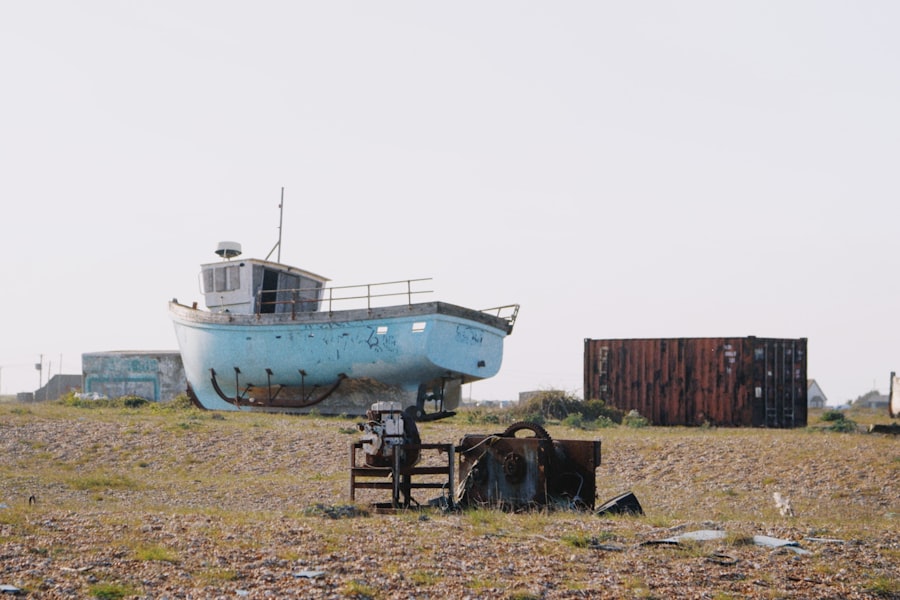
The impact of reduced water inflow on the Aral Sea was catastrophic and multifaceted. As the water levels dropped, the salinity of the remaining water increased dramatically, transforming the once vibrant ecosystem into a saline wasteland. This ecological collapse triggered a cascade of negative environmental consequences, affecting not only the immediate region but also the wider climate and human health.
Shrinking Shores and Desertification
The most visible consequence was the dramatic shrinkage of the Aral Sea. Its coastline receded for hundreds of kilometers, leaving behind vast expanses of exposed seabed. This once-fertile lakebed, now barren and saline, became a source of dust storms. The process of desertification accelerated, turning fertile agricultural land into unproductive wasteland. The loss of the sea’s moderating influence on the climate led to more extreme temperature fluctuations and shorter, hotter summers.
Increased Salinity and Biodiversity Loss
As the water evaporated and no fresh water entered, the salt concentration in the Aral Sea increased exponentially. This hyper-saline environment became increasingly inhospitable to most aquatic life. Fish populations, which had once supported thriving fishing industries, plummeted. Many species were unable to adapt to the extreme salinity, leading to a drastic loss of biodiversity in the remaining water bodies and on the exposed seabed.
Toxic Dust Storms and Health Impacts
The exposed seabed, once underwater, was now a vast source of salt, pesticides, and other agricultural chemicals that had accumulated over decades of intensive farming and irrigation. When wind blew across these dried-up lakebeds, it picked up these toxic particles, creating massive dust storms that could travel for hundreds of kilometers. These storms carried a cocktail of harmful substances, leading to a significant increase in respiratory illnesses, cardiovascular problems, and cancers among the populations living in and around the Aral Sea region.
Disruption of Local Climate Patterns
The Aral Sea, like any large body of water, played a crucial role in moderating the local climate. Its evaporation contributed to humidity and influenced rainfall patterns. As the sea shrank, this moderating effect diminished. Summers became hotter and drier, while winters grew colder and longer. The altered climate patterns had further detrimental effects on agriculture and the overall well-being of the region.
Socioeconomic Ramifications: A Legacy of Loss and Displacement
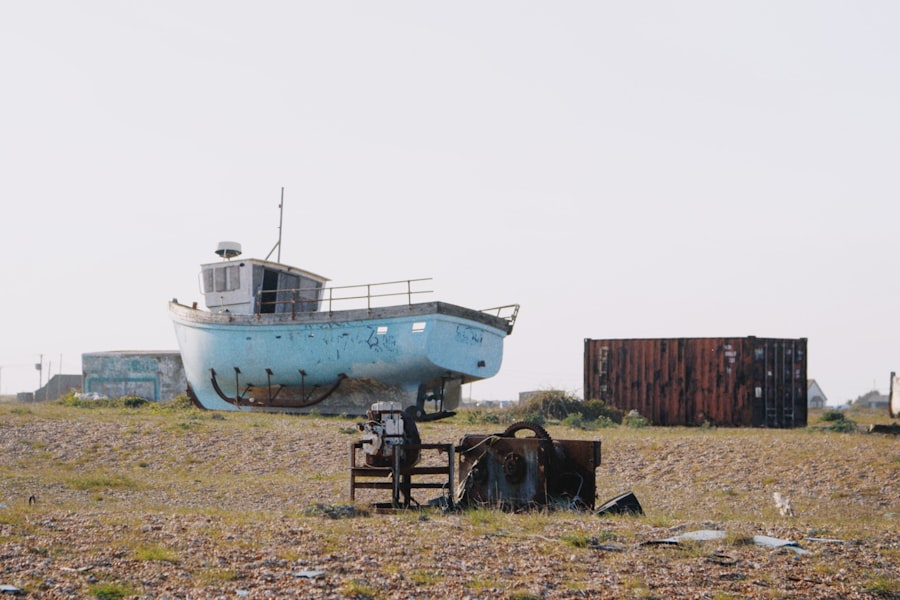
The ecological devastation of the Aral Sea was mirrored by a profound socioeconomic crisis that swept through the surrounding region. The once-thriving fishing and agricultural communities found themselves on the brink of collapse, leading to widespread unemployment, poverty, and mass displacement. The Soviet legacy in the Aral Sea region is one of broken promises and shattered livelihoods.
The Collapse of Fishing Industries
For generations, the Aral Sea had supported a vibrant fishing industry, providing sustenance and employment for thousands of people. The decline in fish populations due to increased salinity and habitat loss led to the complete collapse of this industry. Fishing fleets were abandoned, and canning factories, once bustling with activity, fell silent. This loss of livelihood had a devastating impact on coastal communities.
Agricultural Setbacks and Economic Hardship
While cotton was the intended beneficiary of the irrigation projects, the long-term consequences for agriculture in the region were also negative. The reliance on unsustainable irrigation practices, coupled with salinization of the soil and waterlogging, eventually led to declining yields. The increasing costs of irrigation and the diminishing returns put many agricultural enterprises under severe financial strain. The economic hardship was palpable, forcing many to seek opportunities elsewhere.
Mass Migration and Displacement
The combined environmental and economic degradation of the Aral Sea region forced many residents to abandon their homes in search of better prospects. Entire villages and towns, once reliant on the sea and its bounty, became ghost settlements. This mass migration led to social disruption, the breakdown of traditional communities, and the loss of cultural heritage. The human cost of the Aral Sea disaster is immeasurable.
Health Crisis and Strain on Infrastructure
The increased prevalence of diseases linked to the toxic dust storms placed an immense strain on the already limited healthcare infrastructure in the region. Access to clean water and medical facilities became a critical issue. The economic downturn also meant reduced investment in public services, further exacerbating the challenges faced by the local population.
The environmental disaster surrounding the Aral Sea is closely tied to the Soviet Union’s ambitious cotton irrigation projects, which drastically altered the region’s ecosystem. For a deeper understanding of the implications of these irrigation practices, you can explore a related article that discusses the historical context and the long-term effects on local communities and the environment. This insightful piece can be found here, shedding light on the challenges faced by the region today.
The Aral Sea Today: A Scar and a Warning
| Year | Cotton Production (tons) | Irrigated Area (hectares) | Aral Sea Water Level (meters) |
|---|---|---|---|
| 1960 | 2,500,000 | 2,000,000 | 53 |
| 1970 | 5,000,000 | 3,500,000 | 50 |
| 1980 | 7,500,000 | 4,800,000 | 45 |
| 1990 | 9,000,000 | 5,500,000 | 40 |
The Aral Sea today is a shadow of its former self, a stark and somber landscape bearing the indelible scars of decades of environmental mismanagement. While some efforts have been made to mitigate the damage and salvage what remains, the full restoration of the Aral Sea remains an elusive, if not impossible, goal. Its story, however, continues to serve as a potent and urgent warning for the future.
The Lingering Legacy of Poisoned Lands
The exposed seabed continues to be a source of toxic dust storms, albeit with varying intensity depending on weather conditions. The legacy of accumulated pesticides and salts poses an ongoing threat to human health and the environment. Remediation efforts, while undertaken, are often costly and limited in scope, struggling to keep pace with the ongoing challenges.
Glimmers of Hope and Localized Recovery
In recent years, some localized efforts have shown promise, particularly in the northern Aral Sea. The construction of the Kok-Aral Dam in the early 2000s successfully separated the North Aral from the South Aral, allowing for the refilling of the northern basin. This has led to a gradual decrease in salinity and a partial return of fish populations, offering a beacon of hope for the immediate region. However, the South Aral, now largely a desolate desert, faces a much more challenging, if not insurmountable, path to recovery.
A Global Lesson in Environmental Stewardship
The Aral Sea disaster stands as one of the most profound ecological catastrophes of the 20th century, a stark illustration of the unintended consequences of grand industrial and agricultural ambitions unchecked by environmental considerations. It underscores the critical importance of sustainable water management, the interconnectedness of ecosystems, and the need for global cooperation in addressing environmental challenges.
The Imperative for Sustainable Practices
The lessons learned from the Aral Sea’s demise are vital for ensuring a sustainable future. They highlight the necessity of adopting integrated water resource management strategies, minimizing the use of harmful chemicals in agriculture, and promoting practices that prioritize ecological health alongside economic development. The Aral Sea’s silence is a deafening reminder of what is at stake when humanity fails to heed the calls of the natural world.

The Sea the Soviet Union Erased From the Map
FAQs
What is the Soviet cotton irrigation Aral Sea?
The Soviet cotton irrigation Aral Sea refers to the extensive irrigation projects implemented by the Soviet Union in the 20th century to support cotton production in the arid regions of Central Asia. These projects diverted water from the two main rivers, the Amu Darya and the Syr Darya, to irrigate the cotton fields, leading to the shrinking of the Aral Sea.
How did the Soviet cotton irrigation impact the Aral Sea?
The extensive irrigation for cotton production led to a significant reduction in the flow of the Amu Darya and Syr Darya rivers into the Aral Sea. As a result, the sea began to shrink, leading to ecological and environmental disasters in the region.
What were the environmental consequences of the Soviet cotton irrigation on the Aral Sea?
The environmental consequences of the Soviet cotton irrigation on the Aral Sea were severe. The shrinking of the sea led to the exposure of the seabed, resulting in the release of salt and toxic chemicals into the air, causing health issues for the local population. The loss of the sea also disrupted the local climate and ecosystem.
What is the current state of the Aral Sea?
The Aral Sea has significantly shrunk in size, with the northern and southern parts becoming separate bodies of water. The loss of water has led to the exposure of the seabed, creating a toxic dust bowl that has had devastating effects on the local environment and population.
What efforts have been made to address the issues caused by the Soviet cotton irrigation on the Aral Sea?
Efforts have been made to address the issues caused by the Soviet cotton irrigation on the Aral Sea, including the construction of dams and reservoirs to restore the flow of water into the sea. Additionally, international organizations and governments have implemented projects to improve water management and promote sustainable agriculture in the region.