
The unvarnished truth about rising sand scarcity is beginning to cast a long shadow over the global housing market. This seemingly simple granular material, often overlooked and readily available in the collective imagination, is in fact a critical building block of modern civilization. Its burgeoning scarcity, driven by insatiable demand and depleted natural reserves, is not merely an environmental inconvenience; it is a significant economic force that is directly and demonstrably impacting the cost of shelter for millions around the world. This article will delve into the multifaceted repercussions of this growing deficit, exploring its causes, its mechanisms of influence, and the far-reaching consequences for housing prices, from the grandest skyscrapers to the humblest dwelling.
The modern world is built on sand. From the foundational concrete that anchors our skyscrapers to the glass that allows us to gaze upon the urban landscape, sand is an indispensable component of virtually every structure gracing our skylines. The sheer scale of global construction, fueled by ever-increasing populations and rapid urbanization, has placed an unprecedented and unsustainable demand on this fundamental resource.
The Urbanization Tsunami
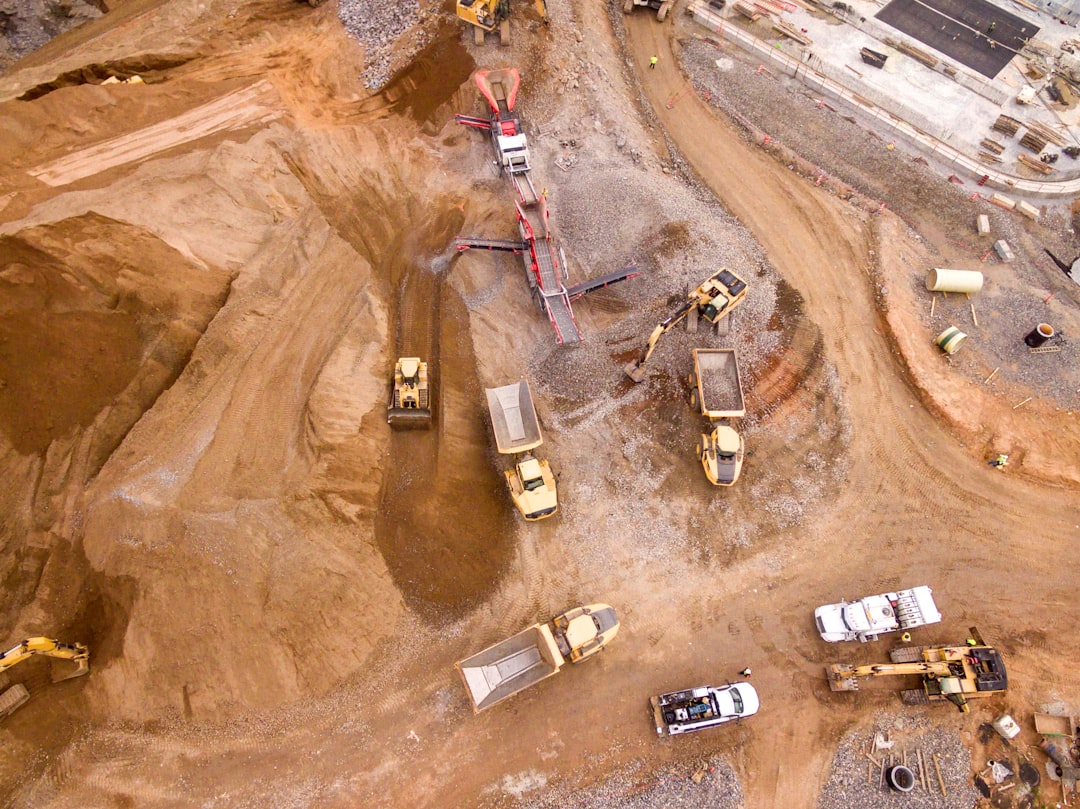
The most significant driver of sand consumption is the relentless migration of populations from rural to urban centers. This demographic shift, a tidal wave of humanity seeking opportunity and a modern lifestyle, necessitates a parallel explosion in urban infrastructure and housing. Cities, the beating hearts of economic activity, require constant expansion. This expansion, in turn, demands immense quantities of sand for concrete, mortar, and countless other construction materials. Consider the burgeoning metropolises of Asia, Africa, and South America, where the pace of construction is breathtaking. Each new residential complex, each new road, each new bridge represents a substantial extraction of sand from the Earth’s crust.
Infrastructure’s Thirst for Aggregate
Beyond housing, the demand for sand is amplified by the colossal investments poured into infrastructure projects worldwide. Developing nations are striving to catch up to developed economies, necessitating the construction of vast networks of roads, railways, airports, and dams. These projects are sand-intensive endeavors, requiring massive quantities of aggregate for their realization. Even in developed nations, the constant need for maintenance and upgrading of aging infrastructure contributes to ongoing sand depletion. Bridges need reinforcing, roads require resurfacing, and new transportation hubs are constantly being planned, each adding to the relentless pressure on sand reserves.
The Global Construction Boom: A Never-Ending Story
The global construction industry is a colossal organism, and sand is its vital nutrient. The economic cycles of boom and bust are evident, but the overarching trend is one of consistent growth. Developing countries, driven by demographic expansion and aspirational lifestyles, are leading this charge. Emerging economies often experience construction booms as they build the very foundations of their modern identity—skyscrapers that pierce the clouds, sprawling residential communities, and world-class sporting arenas. This insatiable global appetite for new construction acts as a constant, high-pressure pump, drawing ever more sand from the Earth’s finite stores.
The increasing scarcity of sand, a crucial component in construction, is significantly impacting housing prices across the globe. As demand for sand rises due to urbanization and infrastructure development, the limited supply leads to higher costs for builders, which are ultimately passed on to homebuyers. This issue is explored in detail in a related article that discusses the implications of sand scarcity on the housing market. For more insights, you can read the article here: Sand Scarcity and Housing Prices.
The Fading Shores: Understanding the Sources and Depletion of Sand
The conventional image of sand conjures vast, seemingly endless deserts. While desert sand exists, it is largely unsuitable for construction due to its rounded grains, which lack the interlocking properties necessary for strong concrete. The true sources of construction-grade sand are riverbeds, beaches, and ocean floors, and these are finite and facing rapid depletion.
Riverbed Extraction: The Scarred Landscape
Riverbeds are prime sources of construction sand due to the angularity of the grains, a result of their journey downstream. However, this extraction process leaves deep scars on the environment. Dredging sand from rivers can alter water flow, disrupt aquatic ecosystems, and lead to increased erosion and flooding. The cumulative effect of widespread riverbed sand extraction is a landscape of diminished natural beauty and ecological instability. The once-robust veins of sand that nourished these waterways are being systematically mined, leaving behind depleted channels and altered hydrological patterns.
Coastal Erosion: The Unintended Consequence
The extraction of sand from beaches and coastal areas presents a stark paradox. While sand is removed for construction on land, the very act of removing it contributes to coastal erosion, threatening the very coastlines from which it was taken. In many regions, beaches are a vital natural defense against storm surges and rising sea levels. Their depletion through aggressive sand mining leaves coastal communities more vulnerable to the ravages of the sea, creating a double-edged sword of environmental damage and increased risk. The visual evidence of this is often stark: receding shorelines, dwindling leisure spaces, and the increased encroachment of the sea upon human settlements.
The Depths of the Ocean: A New Frontier, New Risks
As terrestrial sources dwindle, the focus has increasingly shifted to offshore sand extraction. While ocean floors may appear to hold vast reserves, the environmental implications are significant and still not fully understood. Dredging the seabed can disrupt marine habitats, release stored carbon, and impact fisheries. The long-term ecological consequences of large-scale offshore sand mining are a growing concern, and the regulatory frameworks governing this practice are often less developed than those for land-based extraction. This new frontier of sand extraction, while offering a temporary reprieve, carries its own set of environmental burdens.
The Invisible Tax: How Sand Scarcity Translates to Higher Costs

The escalating scarcity of construction sand is not a silent problem. Its impact manifests directly in the economics of construction, acting as an invisible tax that inflates the cost of building materials and, consequently, the price of homes.
The Price of Extraction and Transportation: A Growing Burden
The process of obtaining construction-grade sand has become more arduous and expensive. As easily accessible deposits are depleted, extraction operations must venture further afield, requiring more sophisticated machinery and incurring higher operational costs. Moreover, the transportation of sand, a bulky and heavy commodity, is a significant expense. Increased distances from extraction sites to construction zones translate directly into higher fuel costs and longer transit times, adding to the overall cost of building materials. Think of it as a logistical marathon, where the finish line gets progressively further away and the resources required for the journey become more demanding.
Regulatory Hurdles and Environmental Costs: The Price of Compliance
Governments and environmental agencies are increasingly implementing stricter regulations on sand extraction to mitigate environmental damage. These regulations can include permitting processes, environmental impact assessments, and limitations on extraction volumes and locations. While these measures are crucial for long-term sustainability, they often add to the cost of compliance for sand extraction companies, which is then passed on to consumers. The price of safeguarding our planet’s natural resources is, therefore, indirectly reflected in the cost of housing. Fulfilling these regulatory requirements is akin to navigating a complex labyrinth, with each turn adding a new layer of cost and procedural complexity.
The Black Market and Illicit Extraction: A Dark Underbelly
In many regions experiencing severe sand scarcity, an illicit sand mining industry has emerged. This underground economy operates outside of legal frameworks, often with devastating environmental consequences and a disregard for safety standards. Illicit sand extraction can lead to price fluctuations as legitimate suppliers struggle to compete with illegally sourced, and therefore cheaper, materials. However, the long-term consequences of this unregulated activity are far more detrimental, contributing to environmental degradation and undermining efforts for sustainable resource management. This dark underbelly of the sand trade creates an uneven playing field and poses a significant threat to both environmental integrity and economic fairness.
The Ripple Effect: Sand Scarcity and its Impact on Housing Prices

The economic pressures arising from sand scarcity do not remain confined to the quarries and processing plants. They propagate through the entire construction value chain, ultimately impacting the affordability and availability of housing.
Increased Material Costs: The Foundation of Higher Prices
The most direct impact of sand scarcity is the significant increase in the cost of sand and its derivatives, such as concrete and cement. As the supply tightens and extraction and transportation costs rise, the price of these fundamental building materials escalates. This price hike is not a minor adjustment; it is a substantial upward revision that forms the bedrock of higher housing prices. Developers are forced to absorb these increased material costs, and this burden is inevitably passed on to homebuyers. The price tag of a new home is, in large part, a reflection of the cost of its constituent parts, and sand is a fundamental element of that equation.
Reduced Profit Margins for Developers: The Squeeze on Investment
Developers, caught between rising material costs and the need to remain competitive in the housing market, often find their profit margins squeezed. If they are unable to pass on the full extent of the sand-related cost increases to buyers, their profitability diminishes. This reduced profitability can lead to a slowdown in new construction projects, as developers become more hesitant to invest in ventures with uncertain returns. A less active development sector translates directly into a reduced supply of new housing, further exacerbating affordability issues. This financial squeeze can be likened to trying to navigate through a narrow passage, with shrinking room for maneuver and increasing pressure.
The Affordability Crisis: A Growing Divide
The cumulative effect of rising material costs and potentially reduced construction activity contributes directly to the widening housing affordability crisis. For aspiring homeowners, the dream of owning a home becomes increasingly distant as prices climb beyond their reach. This is particularly acute in urban centers experiencing high demand and significant sand scarcity. The aspiration of homeownership, a cornerstone of economic stability and social mobility for many, is becoming an unattainable luxury. The gap between income levels and housing prices widens, creating a growing divide in society.
The Rise of Alternative Materials and Construction Methods: A Necessary Innovation (or a compromise?)
In response to sand scarcity and rising costs, there is a growing interest in and an increasing imperative to explore and adopt alternative building materials and construction methods. This includes the use of recycled materials, such as crushed concrete and glass, as substitutes. Moreover, innovative construction techniques, such as modular construction and prefabrication, aim to optimize material usage and reduce reliance on traditional methods that are heavily sand-dependent. While these innovations offer promising solutions, they are often in their nascent stages and may come with their own set of challenges in terms of cost, scalability, and public acceptance. This push for alternatives is a necessity born out of scarcity, a creative response to an inflexible problem, potentially paving the way for a more sustainable construction future, or at best, a series of pragmatic compromises.
As urban areas continue to expand, the increasing scarcity of sand has emerged as a significant factor driving up housing prices. This essential material is not only crucial for construction but also for various infrastructure projects, leading to heightened competition and costs. A related article discusses the implications of this trend on the real estate market and explores potential solutions to mitigate the impact of sand shortages. For more insights, you can read the full article here.
The Future of Shelter: Navigating the Challenges of a Sand-Depleted World
| Metric | Value | Impact on Housing Prices | Notes |
|---|---|---|---|
| Global Sand Demand (Annual) | 40 billion tons | High demand increases raw material costs | Driven by construction and infrastructure projects |
| Sand Supply Shortage | 15% deficit in key regions | Scarcity leads to price inflation | Regulations and environmental restrictions limit extraction |
| Increase in Sand Price (Last 5 years) | Up to 70% | Directly raises construction costs | Varies by region and sand type |
| Construction Cost Increase Due to Sand | 10-15% | Higher material costs push up housing prices | Includes concrete and glass production |
| Average Housing Price Increase | 5-8% | Partially attributed to sand scarcity | Other factors also contribute |
| Time Delay in Construction Projects | 3-6 months | Delays increase financing and labor costs | Due to sand procurement difficulties |
The long-term implications of sand scarcity for housing prices and the broader construction industry are profound and demand proactive solutions. Ignoring this growing crisis is akin to building a house on sinking sand – a foundation destined to crumble.
International Cooperation and Resource Management: A Global Effort
Addressing sand scarcity requires a concerted global effort. International cooperation is essential for developing sustainable extraction practices, regulating offshore mining, and promoting the responsible use of this finite resource. Sharing best practices in resource management and investing in research and development of sustainable alternatives are crucial steps. The world’s sand reserves are a shared planetary inheritance, and their stewardship demands a united front. This is not a problem that can be solved by any single nation in isolation; it necessitates a unified approach to resource governance.
Investing in Innovation and Sustainable Alternatives: The Blueprints for Tomorrow
The development and widespread adoption of innovative building materials and construction techniques are paramount. This includes further research into advanced recycling processes for construction waste, the development of novel composite materials, and the exploration of bio-based building solutions. Governments and the private sector must invest in these areas to drive down the cost and increase the scalability of sustainable alternatives. The future of housing in a sand-scarce world will undoubtedly be shaped by our ability to innovate. This is akin to charting new territories, where the traditional maps no longer suffice and we must draw new ones based on ingenuity and foresight.
The Role of Policy and Regulation: Guiding the Hand of Progress
Effective government policies and regulations are critical in managing sand resources and mitigating the impact of scarcity on housing prices. This includes implementing robust environmental protection laws for sand extraction, promoting the use of recycled materials through incentives, and supporting research and development into sustainable construction. Furthermore, urban planning strategies that prioritize resource efficiency and encourage the use of sustainable building practices can play a significant role. Prudent policy is the guiding hand that can steer us away from environmental degradation and towards a more equitable and sustainable future for housing.
The impact of sand scarcity on housing prices is a complex and pressing issue that will continue to shape the global property market for years to come. As the world grapples with this fundamental resource deficit, a fundamental re-evaluation of our construction practices and our relationship with essential natural materials is not just advisable, it is an imperative for building a sustainable and affordable future. The grains of sand, once taken for granted, are now a potent symbol of the challenges and opportunities that lie ahead in constructing the homes of tomorrow.
WATCH NOW ▶️ WARNING: Why the World is Running Out of Sand (And You Never Noticed)
FAQs
What is sand scarcity and why is it occurring?
Sand scarcity refers to the shortage of suitable sand for construction and industrial use. It is occurring due to excessive extraction, environmental regulations, and the depletion of natural sand sources, especially riverbeds and coastal areas.
How does sand scarcity impact housing prices?
Sand scarcity increases the cost of construction materials like concrete and glass, which rely heavily on sand. Higher material costs lead to increased overall construction expenses, driving up housing prices.
Why is sand important in the construction industry?
Sand is a key ingredient in concrete, mortar, and asphalt, essential for building foundations, walls, roads, and other infrastructure. Its availability directly affects the supply and cost of construction materials.
Are there alternatives to natural sand in construction?
Yes, alternatives include manufactured sand (crushed rock), recycled construction waste, and industrial by-products. However, these alternatives may have limitations in availability, cost, or performance compared to natural sand.
What measures can be taken to address sand scarcity?
Measures include sustainable sand mining practices, recycling construction materials, using alternative materials, enforcing regulations to prevent illegal sand mining, and investing in research for innovative building materials.