
The Panama Canal, a marvel of engineering and a vital artery of global commerce, is facing an unprecedented challenge: drought. This prolonged period of insufficient rainfall, a symptom of a changing climate, is constricting the very lifeblood of the waterway, impacting everything from the ships that traverse its locks to the economies it sustains. Understanding the intricate relationship between water levels and the canal’s operation is crucial to grasping the severity of this situation.
The Ingenious System of Locks
The Panama Canal is not a sea-level canal; rather, it operates as a series of artificial lakes and lock systems. This ingenious design, completed in 1914, utilizes gravity to lift and lower ships between the Atlantic and Pacific Oceans. At the heart of this system lies Gatun Lake, a vast artificial reservoir created by damming the Chagres River. It is this colossal body of freshwater that supplies the water necessary to operate the locks. Each transit, whether a colossal container ship or a smaller cruise liner, consumes an immense volume of water – approximately 200 million liters (52 million gallons) per transit. This water, once used to fill the lock chambers and propel the vessel upward, is then released into the next lower lock and, ultimately, into the ocean. This continuous, albeit significant, consumption means that a constant supply of freshwater is not just desirable; it is absolutely imperative for the canal’s continued functionality. The lake acts as the canal’s reservoir, and without sufficient replenishment, this reservoir begins to drain.
The Chagres River: The Canal’s Thirst Quencher
The Chagres River, once a robust and reliable source of water, is the primary supplier to Gatun Lake. Its flow, dictated by the region’s tropical rainfall patterns, historically provided a surplus of water, even during drier periods. However, in recent years, the river’s discharge has dwindled, directly impacting Gatun Lake’s water levels. The river system itself is a complex network of tributaries and smaller dams, designed to manage and store water not only for the canal but also for Panama’s population and hydroelectric power generation. The stress placed upon this system during a drought, therefore, has far-reaching consequences beyond just maritime traffic. The Chagres River, in essence, is the faucet for the canal’s vast plumbing system. When that faucet is turned down, the entire operation suffers.
The recent drought impacting the Panama Canal has raised significant concerns about global shipping and trade routes. A related article discusses the implications of this environmental challenge on maritime logistics and the economy. For more insights into how the drought is affecting operations and what measures are being taken to mitigate its effects, you can read the full article here: Panama Canal Drought Impact.
Manifestations of the Drought: A Shrinking Waterway
Declining Lake Levels: A Visible Crisis
The most visible manifestation of the drought is the steady decline in the water levels of Gatun Lake and the other reservoirs that feed the canal. These lakes, which typically hover at specific elevations to facilitate lock operations, have been consistently falling below their normal operating parameters. This reduction in depth means that the canal is becoming shallower, presenting a critical challenge for larger vessels. Imagine a bathtub that is slowly draining; while some water remains, the functionality and the ability to hold larger items in that tub diminishes with every liter lost. This is precisely the situation the Panama Canal is experiencing. Reports from canal authorities highlight historical lows, forcing them to implement restrictions.
Draft Restrictions: A Tightrope Walk for Ships
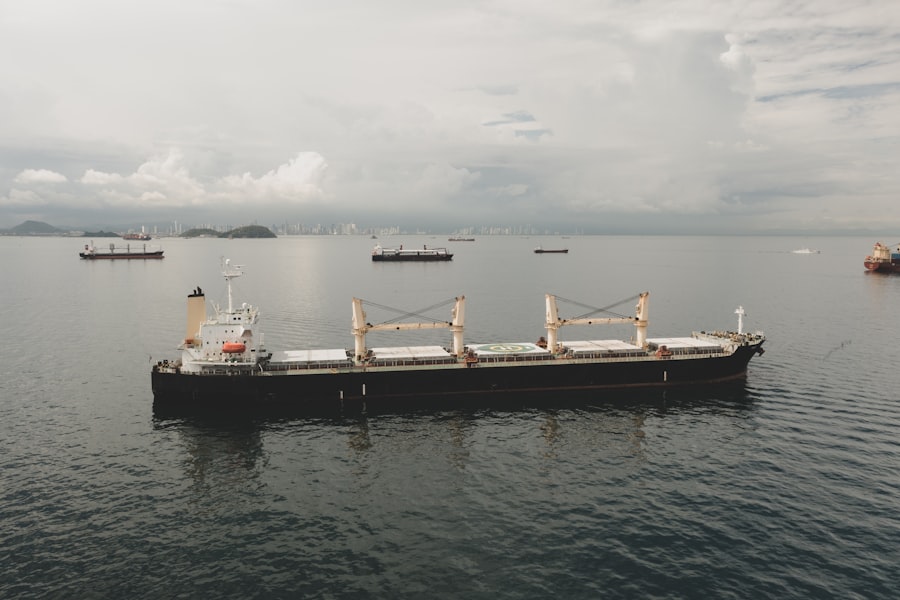
As water levels drop, the maximum draft – the depth of a ship’s hull below the waterline – that can safely transit the canal must be reduced. This is a significant impediment to global trade. Many of the world’s largest container ships, bulk carriers, and tankers are designed to operate at nearly their maximum draft when fully loaded. With reduced canal depths, these vessels must either offload some of their cargo before transit or be rerouted entirely, incurring significant time and cost penalties. This is akin to a bridge having its clearance height progressively lowered, forcing trucks to shed their loads or seek alternative, longer routes. The economic ripple effect of these restrictions is profound.
Increased Transit Times and Congestion
The combination of draft restrictions and the need for more careful navigation in shallower waters inevitably leads to increased transit times. Ships must move more slowly and deliberately through the locks and channels. Furthermore, canal authorities have had to implement a system to manage the limited water capacity, often leading to longer wait times for vessels awaiting their turn to transit. This bottleneck effect can create significant congestion at both the Atlantic and Pacific entrances to the canal, disrupting established shipping schedules and impacting the timely delivery of goods worldwide. The canal, usually a smooth, flowing river of commerce, is becoming a traffic jam, with ships lining up like cars at a toll booth with fewer lanes open.
Economic Repercussions: A Global Supply Chain Under Strain
Impact on Shipping Companies and Logistics
Shipping companies are bearing the brunt of these operational challenges. Rerouting vessels is an expensive undertaking, involving longer voyages, increased fuel consumption, and potential penalties for delayed deliveries. The uncertainty surrounding future water levels also makes long-term planning and contract negotiations more difficult. For logistics providers, the disruptions create a cascade of problems, affecting supply chain reliability and increasing freight costs. Businesses that depend on timely shipments of raw materials or finished products are now facing delays and higher expenses, which can ultimately translate to higher prices for consumers. The smooth gears of global trade are beginning to grind.
Port Congestion and Inland Distribution Challenges
The congestion at the canal’s entrances inevitably spills over into ports on both sides. Ships that are delayed in transit may miss their scheduled berthing times, leading to further delays and the potential for congestion within the port facilities themselves. This port congestion can also impact inland distribution networks, as the flow of goods from the ports to warehouses and final destinations is disrupted. The ripple effect of drought in Panama can be felt in warehouses and retail stores thousands of miles away.
National Economies Dependent on the Canal
Panama’s own economy is heavily reliant on the revenue generated by the canal. Historically, toll fees have been a significant contributor to the national budget, funding essential public services and infrastructure projects. The reduced capacity and potential for fewer transits directly impact this revenue stream. Furthermore, the broader economic activity associated with the canal, including ancillary services, tourism, and employment, is also affected. For Panama, the canal is not just a waterway; it is the engine of its economy, and that engine is sputtering due to a lack of fuel.
Climate Change and the Future: A Growing Concern

Shifting Rainfall Patterns and El Niño
Scientific consensus points to climate change as a significant driver of the current drought conditions. Altered atmospheric circulation patterns are leading to less predictable and, in some regions, reduced rainfall. The El Niño-Southern Oscillation (ENSO) phenomenon, which typically brings drier conditions to the Isthmus of Panama during its El Niño phase, appears to be exacerbating the situation. These are not isolated incidents but rather part of a larger, worrying trend of climatic instability. The weather, once a predictable backdrop, is now an active participant in creating these challenges.
Long-Term Water Management Strategies
Facing these persistent challenges, canal authorities and the Panamanian government are actively exploring and implementing long-term water management strategies. These include optimizing the use of available water, exploring new water sources, and investing in infrastructure to improve water retention and efficiency. The ongoing expansion of the canal, which involves the construction of new, larger locks, has also placed additional demands on the water supply. Ensuring that these new locks can operate sustainably requires a robust and resilient water management plan.
The Need for Adaptation and Resilience
The drought at the Panama Canal serves as a stark reminder of the interconnectedness of global systems and the tangible impacts of climate change. Adapting to these new realities and building resilience into critical infrastructure like the canal is paramount. This involves not only technological solutions but also a broader understanding of our relationship with the environment and a commitment to sustainable practices. The canal, a testament to human ingenuity, now faces a test of its own adaptability in the face of natural forces.
The recent drought affecting the Panama Canal has raised concerns about its operational capacity and the global shipping industry. This situation has been discussed in detail in a related article that explores the implications of reduced water levels on maritime trade routes. For more insights on this pressing issue, you can read the article here. The challenges posed by the drought not only impact the canal’s efficiency but also highlight the broader effects of climate change on critical infrastructure.
Solutions and Mitigation: Navigating the Crisis
| Metric | Value | Unit | Impact Description |
|---|---|---|---|
| Water Level Drop | 2.5 | meters | Reduction in lake water levels affecting canal operations |
| Lock Operations Reduced | 15% | percentage | Decrease in number of lock transits due to water conservation measures |
| Daily Water Usage | 52 | million cubic meters | Water consumed daily for lock operations during drought |
| Transit Time Increase | 4 | hours | Additional time ships spend crossing the canal due to water restrictions |
| Economic Impact | 10 | percent reduction in throughput | Decrease in cargo volume passing through the canal |
| Rainfall Deficit | 30 | percent below average | Lower than normal rainfall contributing to drought conditions |
Water Conservation Measures Within the Canal Operations
Canal administrators have been proactive in implementing water conservation measures within the operational framework of the locks. This includes initiatives like the “cuerda de remolque” system, which uses mules to tow ships through the locks, reducing the need for tugboats that consume fuel and generate wake that can exacerbate water loss. Efforts are also underway to optimize the filling and emptying cycles of the lock chambers to minimize water wastage. Imagine carefully siphoning water between different containers instead of letting it all drain away; these are the kinds of efficiencies being sought.
Exploration of Alternative Water Sources
Beyond the Chagres River, Panama is actively exploring alternative water sources to supplement Gatun Lake. This includes the potential for utilizing water from other river basins, although the logistical and environmental implications of such projects are significant and require careful consideration. Desalination plants, while a potential solution in some coastal regions, are generally too energy-intensive and costly to be a viable primary source for the massive water demands of the canal. The search for new water is a crucial, albeit challenging, endeavor.
Investment in Infrastructure and Technology
Investing in infrastructure and advanced technologies is another key component of the mitigation strategy. This includes upgrading existing water management systems, implementing real-time monitoring of water levels and rainfall, and exploring innovative engineering solutions to improve water retention within the canal’s watershed. The adoption of smart technologies can help in better predicting water availability and managing consumption more effectively. This is akin to equipping a ship with advanced navigation systems to handle challenging waters.
International Cooperation and Knowledge Sharing
The challenges faced by the Panama Canal are not unique. Many waterways and regions around the world are grappling with the impacts of drought and climate change. International cooperation and the sharing of knowledge and best practices in water management and climate adaptation are therefore essential. By working together, nations can develop more effective and sustainable solutions to protect vital infrastructure and ensure the continuity of global trade. The canal is a global asset, and its challenges require a global response.
FAQs
What is the Panama Canal and why is it important?
The Panama Canal is a man-made waterway in Panama that connects the Atlantic and Pacific Oceans. It is a crucial global shipping route that significantly reduces travel time for maritime trade between the east and west coasts of the Americas and other parts of the world.
How does drought affect the Panama Canal?
Drought reduces the availability of freshwater in the canal’s reservoirs, which is essential for operating the locks that raise and lower ships. Lower water levels can limit the number of ships that transit the canal or reduce the cargo they can carry, impacting global shipping efficiency.
What causes drought conditions in the Panama Canal region?
Drought in the Panama Canal region can be caused by natural climate variability, such as El Niño events, as well as longer-term climate change trends that alter rainfall patterns and reduce freshwater inflows to the canal’s watershed.
What are the economic impacts of drought on the Panama Canal?
Drought can lead to reduced canal capacity, causing delays and increased shipping costs. This can affect global supply chains, increase transportation expenses, and impact economies that rely heavily on maritime trade through the canal.
What measures are being taken to mitigate drought impacts on the Panama Canal?
Efforts include improving water management practices, investing in infrastructure upgrades, exploring alternative water sources, and implementing conservation measures to ensure sustainable operation of the canal during periods of low rainfall.