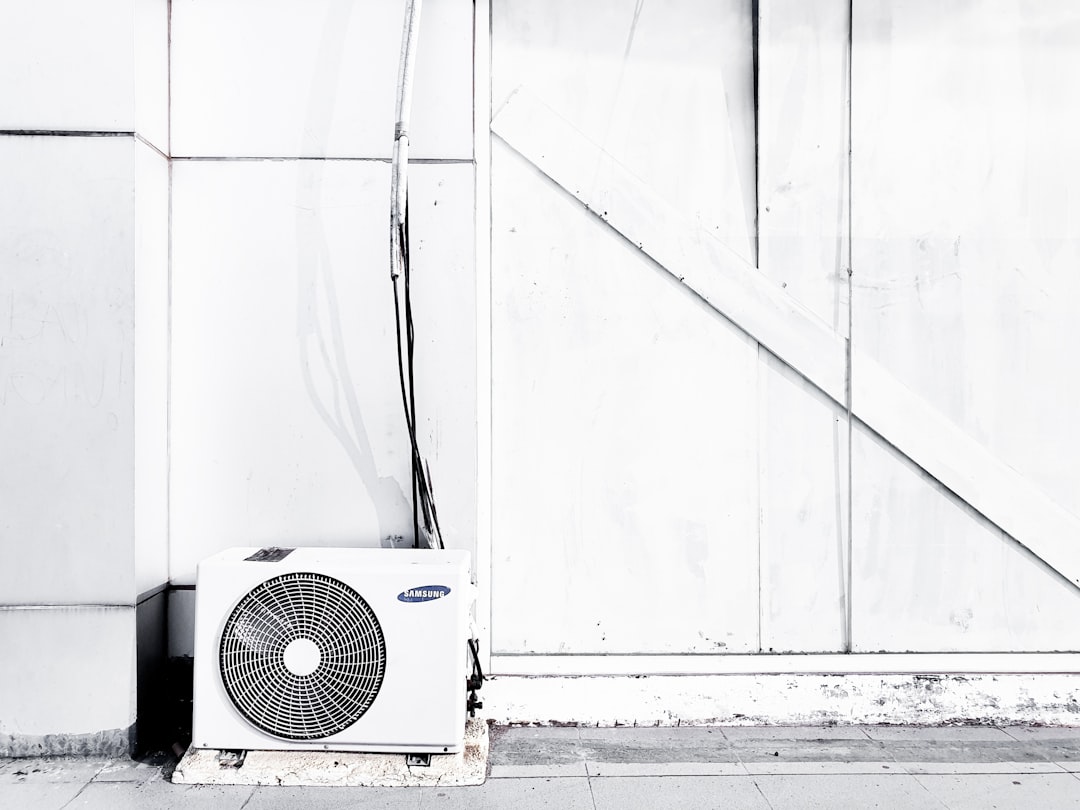
The advent and widespread adoption of air conditioning have irrevocably transformed human comfort, enabling habitation in previously inhospitable climates and significantly altering patterns of daily life. However, this pervasive comfort comes at a considerable cost, most notably in its substantial and ever-growing impact on global power demand. The desire for cool indoor environments, particularly during peak summer months, has become a primary driver of electricity consumption, posing complex challenges for energy infrastructure, environmental sustainability, and economic stability. Understanding the multifaceted impact of air conditioning on power demand is crucial for navigating the future of energy and climate.
The concept of cooling enclosed spaces has a long and varied history, from ancient methods of circulating water to evaporative cooling techniques employed by early civilizations. However, it was the invention of the mechanical air conditioner in the early 20th century that truly revolutionized climate control and ushered in the era of widespread, active cooling. Willis Carrier’s pioneering work in 1902 laid the foundation for modern HVAC (Heating, Ventilation, and Air Conditioning) systems, initially designed to control humidity in printing plants. The technology gradually evolved, becoming more efficient and affordable, eventually making its way into homes, offices, and public spaces.
Early Innovations and the Path to Mass Adoption
The initial air conditioning units were large, expensive, and primarily industrial. However, as the technology matured, so did its accessibility. The post-World War II economic boom played a significant role in the widespread adoption of air conditioning in residential settings. As disposable incomes rose and suburbanization took hold, the demand for comfortable living spaces intensified. The development of window units and later central air conditioning systems made cooling a readily available amenity for a growing segment of the population.
The Global Spread of Air Conditioning
What began as a luxury in developed nations has steadily transformed into a necessity in many parts of the world. Emerging economies, experiencing rapid urbanization and rising living standards, are witnessing an exponential increase in air conditioner ownership. This global proliferation is particularly pronounced in regions with hot and humid climates, where the alternative to air conditioning is often severe discomfort or even health risks. The United Nations Environment Programme (UNEP) has highlighted the significant role of air conditioning in the projected tripling of global electricity demand for cooling by 2050, underscoring the urgency of addressing this trend.
The Economic and Social Drivers of Cooling Demand
Several key factors fuel the escalating demand for air conditioning. Economic development is arguably the most significant driver. As individuals and nations become wealthier, the desire for enhanced comfort and productivity translates into greater investment in cooling technologies. Social expectations also play a crucial role. In many societies, air conditioning has become a standard feature of modern living, influencing building codes, rental agreements, and consumer preferences. The perceived necessity of air conditioning for work and leisure further solidifies its position as a non-negotiable amenity.
Air conditioning has a significant impact on power demand, particularly during the hot summer months when usage peaks. A related article that delves deeper into this topic is available at My Geo Quest, where you can explore how rising temperatures and increased reliance on air conditioning systems contribute to higher electricity consumption and strain on power grids. This resource provides valuable insights into the relationship between climate change, energy efficiency, and the future of cooling technologies.
The Direct Impact on Electricity Grids: Peak Demand and Strain
The most immediate and profound impact of air conditioning on power demand is its contribution to significant spikes in electricity consumption, particularly during hot weather. These peak demand periods place immense strain on electricity grids, necessitating careful management and substantial infrastructure investment.
Understanding Peak Demand
Peak demand refers to the highest level of electricity usage within a given period, typically occurring during the hottest hours of summer days. When ambient temperatures rise, a large percentage of the population simultaneously activates their air conditioning units to maintain comfortable indoor temperatures. This synchronized surge in electricity consumption creates a sudden and substantial load on the power grid. Unlike general electricity demand which can be somewhat predictable, peak demand driven by weather is inherently variable and harder to forecast with absolute precision.
The Role of Air Conditioning in Peak Load
Air conditioners are notoriously energy-intensive appliances. Their operation involves powerful compressors and fans that require a significant amount of electricity to function. During a heatwave, the number of air conditioning units operating simultaneously can escalate dramatically, pushing the total electricity demand to its highest levels. This is especially true in urban areas with high population density and a prevalence of air-conditioned buildings. The cumulative effect of millions of individual cooling systems coming online creates the substantial peak loads that grid operators must manage.
Infrastructure Challenges and Vulnerabilities
Managing these peak demand periods presents significant challenges for electricity grids. Power generation facilities must be capable of rapidly scaling up production to meet the sudden surge in demand. This often means relying on less efficient, but more flexible, power sources like natural gas peaker plants, which can be more expensive to operate and have higher emissions. Furthermore, transmission and distribution infrastructure, including power lines and substations, must be robust enough to handle the increased electrical flow without overheating or failing. Inadequate infrastructure can lead to brownouts or blackouts, leaving communities without power during critical times. The vulnerability of grids to extreme weather events, which are also exacerbated by climate change, adds another layer of complexity.
The “Rebound Effect” and Amplified Demand
The “rebound effect” is a phenomenon where efficiency gains are partially or fully offset by increased usage. In the context of air conditioning, as units become more energy-efficient, consumers may be tempted to use them more frequently or set lower temperatures, thus maintaining or even increasing their overall energy consumption. This is particularly relevant when considering the proliferation of air conditioning in developing nations where the initial cost of electricity might be lower, making sustained usage more attractive. The rebound effect means that simply improving the efficiency of individual air conditioners does not automatically translate into a proportional decrease in overall power demand.
Energy Consumption Patterns: Shifting and Intensifying
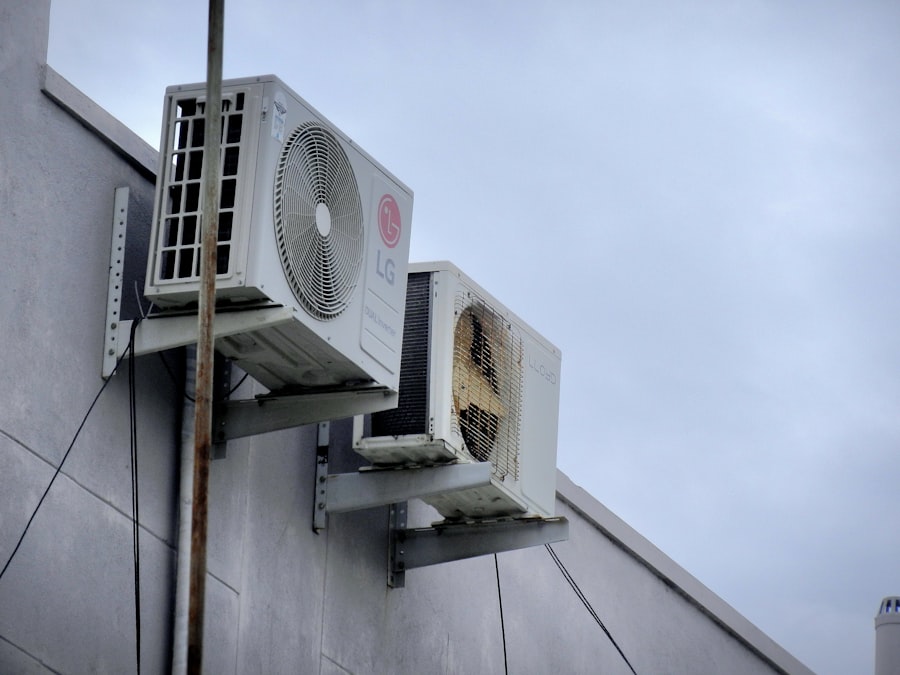
The widespread use of air conditioning has fundamentally altered how and when electricity is consumed, leading to a distinct shift in daily and seasonal energy demand patterns.
Summer as the New Winter for Power Demand
Historically, winter often represented the peak demand period for electricity due to heating needs. However, the increasing prevalence of air conditioning has, in many regions, inverted this trend. Summer now frequently witnesses the highest electricity consumption, driven by the relentless demand for cooling. This shift necessitates a re-evaluation of energy supply strategies and infrastructure planning. Power plants that were once primarily geared for winter loads may now face their greatest challenges during summer months.
The Day-Night Cycle and Cooling Needs
The impact of air conditioning extends beyond seasonal shifts, influencing the daily energy consumption cycle as well. While heating demand might decrease significantly at night, the need for cooling can persist, especially in areas with high diurnal temperature ranges or where commercial activities continue after dark. This can lead to flatter demand curves throughout the 24-hour period, requiring constant generation rather than the typical dips experienced in cooler seasons. The rise of nighttime cooling in urban centers, for instance, contributes to a sustained base load that grid operators must reliably supply.
Regional Variations in Cooling Demand
The intensity of air conditioning’s impact on power demand varies significantly by region. Areas with consistently hot and humid climates, such as the southern United States, Southeast Asia, and parts of the Middle East, experience much higher cooling loads than temperate or cooler regions. As economic development and urbanization continue in these hot regions, their contribution to global cooling-related power demand will only escalate. Understanding these regional nuances is critical for targeted energy policy and infrastructure development.
The Role of Building Design and Insulation
The energy consumed by air conditioning systems is heavily influenced by the design and insulation of the buildings they serve. Poorly insulated buildings, with single-pane windows and inadequate sealing, allow conditioned air to escape and external heat to penetrate, forcing air conditioners to work harder and consume more electricity. Conversely, buildings designed with energy efficiency in mind, incorporating advanced insulation, reflective roofing materials, and passive cooling strategies, can significantly reduce the reliance on active cooling systems. The adoption of more efficient building codes and retrofitting existing structures are therefore crucial components in mitigating the impact of air conditioning on power demand.
The Environmental Footprint: Carbon Emissions and Resource Strain
The increased electricity demand driven by air conditioning carries a significant environmental footprint, primarily through the burning of fossil fuels for power generation, leading to elevated greenhouse gas emissions and straining natural resources.
Fossil Fuel Reliance and Greenhouse Gas Emissions
A substantial portion of the electricity generated globally still comes from fossil fuels, particularly coal and natural gas. When air conditioners increase electricity demand, the additional power required is often met by these carbon-intensive sources. This directly translates into increased emissions of carbon dioxide (CO2), a primary greenhouse gas responsible for climate change. The exacerbation of heatwaves due to climate change, in turn, leads to more air conditioning use, creating a feedback loop that further intensifies emissions.
Water Consumption in Power Generation
Beyond carbon emissions, the generation of electricity, especially from thermal power plants, often requires vast amounts of water for cooling. This can put a significant strain on local water resources, particularly in arid or semi-arid regions. The combined demand for electricity and water, both amplified by air conditioning, can create complex environmental challenges and potential conflicts.
The Lifecycle Impact of Air Conditioners
The environmental impact of air conditioning extends beyond their operational phase. The manufacturing of air conditioning units involves the extraction and processing of raw materials, energy-intensive production processes, and the use of refrigerants, many of which are potent greenhouse gases themselves. At the end of their lifespan, improper disposal of old units can lead to the release of these refrigerants into the atmosphere. Therefore, a comprehensive understanding of the environmental footprint necessitates considering the entire lifecycle of these appliances.
The Urgent Need for Decarbonization of the Grid
To mitigate the environmental consequences of air conditioning-driven power demand, a rapid and comprehensive decarbonization of the electricity grid is essential. This involves a significant transition towards renewable energy sources such as solar, wind, and hydropower. Investing in grid modernization and energy storage solutions are also crucial to ensure the reliability and stability of a grid powered by intermittent renewable sources. Without such a transition, the growing demand for cooling will continue to fuel climate change.
Air conditioning plays a significant role in shaping power demand, especially during the hot summer months when usage peaks. As temperatures rise, so does the reliance on cooling systems, leading to increased electricity consumption. This surge in demand can strain power grids and lead to higher energy costs for consumers. For a deeper understanding of this phenomenon and its implications, you can read a related article that explores the relationship between air conditioning and energy consumption at this link.
Strategies for Mitigation and Future-Proofing
| Temperature | Power Demand |
|---|---|
| 25°C | Low |
| 30°C | Moderate |
| 35°C | High |
Addressing the escalating impact of air conditioning on power demand requires a multi-pronged approach involving technological innovation, policy interventions, and behavioral changes.
Advancements in Air Conditioning Efficiency
Continuous research and development are focused on improving the energy efficiency of air conditioning systems. This includes the development of more advanced compressors, improved heat exchangers, and the use of more environmentally friendly refrigerants. Standards and regulations that mandate minimum energy efficiency ratios (MEER) for air conditioners play a vital role in driving manufacturers to produce more efficient products.
Smart Grid Technologies and Demand Response
Smart grid technologies offer a powerful set of tools for managing peak demand. Demand response programs incentivize consumers to reduce their electricity usage during peak hours, often in exchange for financial rewards. This can involve automated adjustments to thermostat settings or the shifting of non-essential appliance usage to off-peak times. Smart thermostats, which can be programmed and controlled remotely, also contribute to more efficient cooling practices.
Renewable Energy Integration and Energy Storage
The widespread integration of renewable energy sources is paramount. As solar and wind power become more cost-effective and prevalent, they can directly offset the need for fossil fuel-based electricity generation to meet cooling demand. Furthermore, advancements in energy storage technologies, such as batteries, can store excess renewable energy generated during off-peak hours and deploy it during periods of high demand, thereby smoothing out the load on the grid.
Policy and Regulatory Interventions
Governments and regulatory bodies have a crucial role to play. This includes implementing stricter energy efficiency standards for appliances and buildings, offering incentives for the adoption of energy-efficient technologies, and investing in grid modernization. Policies that promote the development and deployment of renewable energy sources are also essential. Furthermore, urban planning strategies that incorporate green infrastructure, such as tree planting for shade, can indirectly reduce cooling needs.
Promoting Energy-Efficient Building Design and Retrofitting
Encouraging and mandating energy-efficient building design is a critical long-term strategy. This involves promoting the use of high-performance insulation, energy-efficient windows, and passive cooling techniques. For existing buildings, incentives and programs for retrofitting with energy-saving measures can significantly reduce their cooling energy consumption. Education and awareness campaigns can also empower consumers to make more informed choices about their energy usage.
Behavioral Shifts and Conscious Consumption
Ultimately, individual behavior plays a significant role. Promoting conscious consumption of energy can lead to substantial reductions in cooling-related demand. This includes simple actions like setting thermostats a few degrees higher, using fans in conjunction with air conditioning, closing blinds and curtains during the hottest parts of the day, and ensuring proper maintenance of air conditioning units. Education about the environmental and economic costs of excessive cooling can foster a culture of responsible energy use.
The pervasive influence of air conditioning on power demand is a complex issue with far-reaching consequences. While it offers undeniable comfort and enables modern life in many regions, its escalating impact on energy grids, the environment, and resource consumption cannot be ignored. Addressing this challenge requires a concerted and collaborative effort involving technological innovation, supportive policies, and a conscious shift in consumer behavior. By embracing energy efficiency, transitioning to renewable energy sources, and adopting smarter consumption habits, humanity can strive to balance the desire for cool comfort with the imperative of a sustainable energy future.
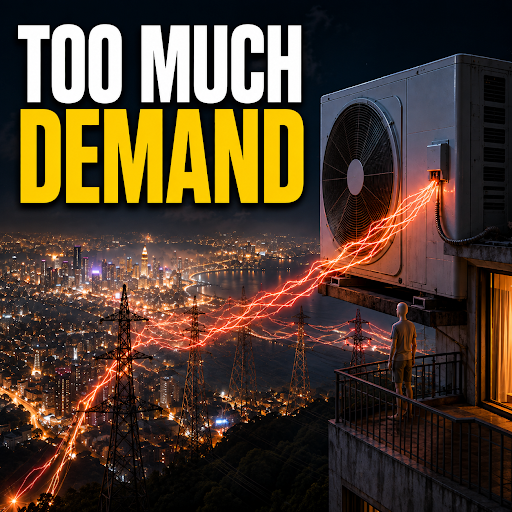
The Air-Conditioning Boom That Could Overwhelm Power Grids
FAQs
What is the relationship between air conditioning and power demand?
Air conditioning increases power demand due to the energy required to cool and circulate air within a building. As the temperature rises, more people turn on their air conditioners, leading to a significant increase in power demand during hot weather.
How does air conditioning impact the electricity grid?
During peak periods of air conditioning use, the electricity grid experiences higher demand, which can strain the system and lead to potential power outages or brownouts. This can also result in increased costs for electricity providers to meet the heightened demand.
What are the environmental impacts of increased air conditioning usage?
The increased power demand from air conditioning can lead to greater emissions from power plants, contributing to air pollution and greenhouse gas emissions. Additionally, the use of air conditioning can exacerbate the urban heat island effect, further impacting the environment.
Are there ways to reduce the impact of air conditioning on power demand?
Efforts to improve building insulation, use energy-efficient air conditioning units, and implement demand response programs can help reduce the impact of air conditioning on power demand. Additionally, promoting energy conservation and using programmable thermostats can help manage electricity usage during peak periods.
How can individuals and businesses mitigate the impact of air conditioning on power demand?
Individuals and businesses can take steps to reduce their air conditioning usage, such as setting thermostats to higher temperatures, using fans, and implementing energy-saving practices. Additionally, investing in energy-efficient HVAC systems and participating in demand response programs can help mitigate the impact on power demand.