The perception of unfettered private ownership along Oregon’s coastline often masks a complex web of public access rights, environmental regulations, and historical claims, creating an illusion of absolute dominion for those who hold title. While deeds and fences might suggest exclusive dominion, the reality of the Oregon Coast is a nuanced negotiation between private interest and collective benefit, a constant tension shaped by legislation, public opinion, and the inherent nature of a shared natural resource.
The fundamental understanding of private property in Oregon, as elsewhere, begins with the deed. A deed represents the legal transfer of ownership, outlining boundaries, rights, and restrictions. For coastal properties, this often includes the land extending to the ordinary high-water mark. However, this seemingly straightforward definition is where the illusion begins to unravel.
Navigating the High-Water Mark: A Shifting Frontier
The “ordinary high-water mark” is not a static line. It is a dynamic boundary, influenced by tides, seasonal variations, and geological changes. Defining and enforcing this mark can be contentious, leading to disputes over the exact extent of private ownership and the corresponding public access. Professional surveyors, legal experts, and sometimes even court decisions are required to delineate this shifting frontier. The inherent variability of this line means that what may appear as private beachfront one day could, due to natural processes, become part of the public domain the next, or vice-versa, challenging the permanence of exclusive ownership.
The Interplay of Easements: Reserved Rights on Private Land
A significant aspect of the illusion of absolute private property lies in the concept of easements. These are legal rights that allow specific individuals or groups to use another’s land for a particular purpose. On the Oregon Coast, easements for public access are not uncommon. These can be explicitly granted, implied through long-standing use, or mandated by regulatory bodies.
Public Access Easements: More Than Just a Walkway
Public access easements are crucial in maintaining the public’s ability to enjoy the coastline. They can range from narrow footpaths allowing passage to trails leading to overlooks or directly onto the beach. The existence of these easements means that even land fully enclosed by private property may still be subject to public ingress and egress, diminishing the perceived exclusivity of the ownership. The maintenance and enforcement of these easements are ongoing concerns, often requiring dedicated advocacy and legal challenges to ensure they remain functional and accessible.
Utility Easements: The Unseen Intrusion
Beyond access, private property can also be encumbered by utility easements. These allow for the placement and maintenance of essential services such as power lines, water pipes, and communication cables. While often unobtrusive, the presence of these easements represents a clear limitation on the owner’s absolute control, as utility companies have the legal right to access and work on the property.
The Public Trust Doctrine: A Foundation of Shared Stewardship
Underpinning much of the public’s right to coastal access is the Public Trust Doctrine. This legal principle, deeply embedded in common law and reinforced by state statutes, holds that certain natural resources, including navigable waterways and submerged lands, are held in trust by the state for the benefit of all its citizens. This doctrine recognizes that the state has a fiduciary duty to protect and preserve these resources for public use and enjoyment.
Navigable Waters and Submerged Lands: Beyond Private Boundaries
The Public Trust Doctrine extends public rights beyond the ordinary high-water mark to include navigable waters and the lands beneath them. This means that the tidelands, shorelines, and even portions of estuaries are considered public commons, regardless of private ownership of the adjacent uplands. This fundamental legal principle directly challenges the notion that private property rights extend infinitely into the ocean or along its edge.
Recreational Use and Environmental Protection: Dual Mandates of the Trust
The state’s responsibility under the Public Trust Doctrine encompasses both facilitating public recreational use and ensuring the environmental integrity of these resources. This dual mandate often leads to regulations that restrict private activities that could harm the coastal ecosystem or impede public access. Environmental impact assessments, zoning regulations, and restrictions on development are all expressions of this broader stewardship.
The concept of private property on Oregon’s coast is a topic of considerable debate, particularly due to the state’s unique beach access laws. For a deeper understanding of why private property doesn’t exist along this scenic coastline, you can explore a related article that delves into the legal framework and historical context surrounding this issue. To read more, visit this article, which provides valuable insights into the public’s right to access Oregon’s beautiful beaches.
Environmental Regulations: The Unseen Hand Shaping Coastal Development
The pristine beauty of Oregon’s coastline is not solely a product of private landowners’ good intentions. A robust framework of environmental regulations plays a critical role in shaping what can and cannot be done on coastal properties, further illustrating the limits of absolute private ownership.
The Oregon Coastal Management Program: A Comprehensive Approach
Established through ballot measures and legislative action, the Oregon Coastal Management Program (OCMP) is one of the nation’s most comprehensive approaches to managing coastal resources. It integrates land use planning, environmental protection, and public access considerations across multiple local, state, and federal agencies.
Land Use Planning Zones: Defining What is Permitted and Prohibited
The OCMP designates various land use planning zones along the coast, each with specific development standards and prohibitions. These zones dictate the types and intensity of construction, the allowable uses of land, and the necessary setbacks from sensitive environmental areas. For private property owners, these regulations can significantly restrict their ability to build, expand, or alter their land in ways they might otherwise desire.
Sensitive Resource Protection: Safeguarding Ecologically Vital Areas
Within these planning zones, specific regulations are in place to protect ecologically sensitive areas. This includes dunes, wetlands, estuaries, and habitats for endangered species. Development in or near these areas is heavily scrutinized and often prohibited or severely restricted, requiring landowners to coexist with, rather than dominate, these natural features.
The Role of the Department of Land Conservation and Development (DLCD)
The DLCD is the state agency responsible for developing and coordinating the OCMP. It reviews and approves local land use plans to ensure they are consistent with state goals and policies. This oversight ensures a degree of uniformity in coastal management, preventing a patchwork of inconsistent regulations driven solely by local municipal interests.
Consistency with Statewide Planning Goals: A Binding Framework
All local land use decisions, including those affecting private coastal properties, must be consistent with Oregon’s 19 Statewide Planning Goals. Goal 17, in particular, focuses on the “Coastal Shorelands,” establishing explicit policies for managing development and protecting resources in these areas. This statewide framework provides a powerful check on local discretion and any attempts to relax environmental protections for private benefit.
Federal and State Environmental Laws: Additional Layers of Restriction
Beyond the OCMP, federal and state environmental laws add further layers of regulatory oversight. These include the Clean Water Act, the Endangered Species Act, and various state-specific environmental protection statutes.
Wetlands Protection and Permitting: Navigating Bureaucratic Hurdles
Development that impacts wetlands, which are common along the coast, requires strict permitting processes under federal and state law. This involves detailed site assessments, mitigation plans, and often significant delays, all of which constrain the owner’s immediate control over their property.
Habitat Conservation and Species Protection: Balancing Development and Biodiversity
The presence of protected species or critical habitats can impose significant limitations on private property use. Landowners may be required to implement conservation measures, restrict certain activities, or even forgo development altogether to protect these natural assets. This highlights how the ecological value of land can supersede private development interests.
The Beach as a Public Commons: Beyond the High-Water Mark
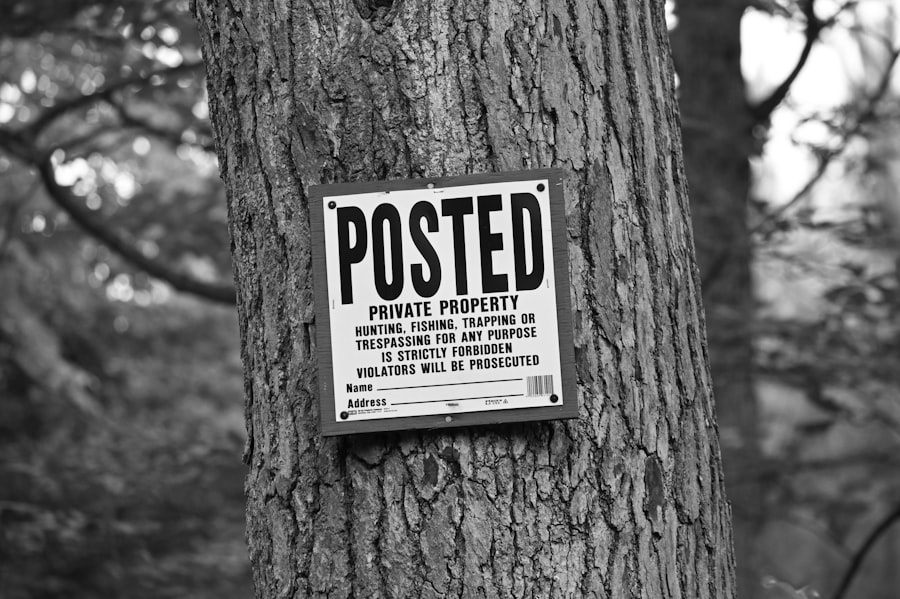
The popular image of the beach conjures images of sunbathers, tide pools, and crashing waves – a space largely perceived as belonging to everyone. This perception is reinforced by historical precedent and legal interpretations that view the dry sand area above the ordinary high-water mark as a crucial component of the public’s recreational space.
Precedent and Custom: The Historical Roots of Public Access
For generations, people have walked, picnicked, and recreated on the dry sand beaches of Oregon. This historical use and custom have played a significant role in shaping legal understandings of coastal access. Courts have recognized that long-standing public use can, under certain circumstances, create rights of access even against private property owners.
Implied Dedication: When Use Becomes a Right
One legal concept that arises from continuous public use is implied dedication. If the public has openly and notoriously used a strip of dry sand beach for an extended period, and the landowner has not taken steps to prevent it, courts may infer that the landowner has effectively dedicated that land for public use. This is a powerful legal tool that can override the presumption of absolute private control.
Public Trust in the Dry Sand: An Evolving Legal Landscape
While the Public Trust Doctrine traditionally focused on lands below the ordinary high-water mark, its application to the dry sand area has been a subject of ongoing legal debate and interpretation. Many legal scholars and advocates argue that the recreational and ecological value of the dry sand warrants its inclusion within the spirit of the Public Trust, even if not explicitly enumerated in common law. This evolving legal landscape underscores the continuous negotiation of private versus public rights.
Tidal vs. Dry Sand: A Crucial Distinction with Blurred Lines
The legal distinction between the tidally influenced area (submerged and exposed by the tide) and the dry sand area (above the highest tide line) is critical. While the Public Trust Doctrine clearly applies to submerged and tidelands, the status of the dry sand has been more contested. However, the understanding that the dry sand serves as an essential pathway and recreational space for the public has gained considerable traction.
The “Public Highway” Analogy: The Beach as a Thoroughfare
Some legal arguments frame the dry sand beach as a “public highway.” This analogy suggests that the beach serves as a natural and traditional route for travel and recreation, and therefore, the public should have the right to traverse it. This perspective challenges the notion that a private owner can fence off a beach and deny passage to others.
Private Property Restrictions: The Limits of Fencing and Barriers
Private property owners may erect fences or barriers on their land, but these are subject to challenge if they impede lawful public access rights. Legal interpretations and enforcement actions often dictate where and how these barriers can be placed, ensuring that they do not unlawfully obstruct established public easements or customary rights of passage.
The Right to Walk: A Fundamental Aspect of Coastal Enjoyment
Ultimately, the legal and customary understanding of the Oregon Coast acknowledges a fundamental right for the public to walk along its beaches. This right, whether derived from explicit easements, implied dedication, or the evolving interpretation of public trust principles, is a cornerstone of the public’s access to and enjoyment of this vital natural resource. It is a right that directly confronts the illusion of absolute private seclusion.
Economic Pressures and Land Use Conflicts: The Constant Negotiation
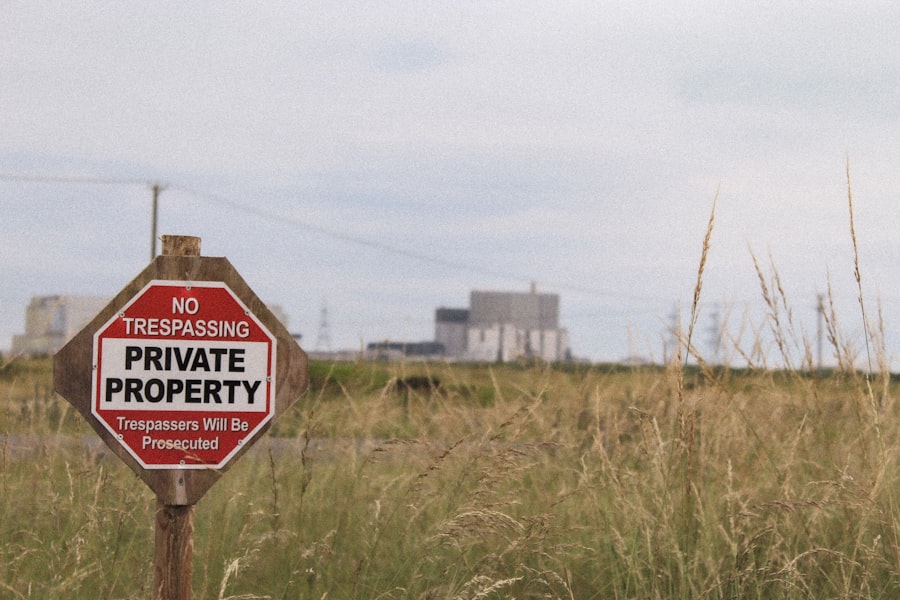
The inherent value of Oregon’s coastline, both for its natural beauty and its recreational appeal, creates significant economic pressures that often lead to conflicts over land use and access. These pressures can exacerbate the tension between private ownership aspirations and public interests.
Development Pressures: The Allure of Oceanfront Property
Oceanfront property is highly sought after, driving up land values and attracting developers keen on maximizing their investment. This desire for development can manifest in proposals for luxury homes, resorts, and commercial enterprises, all of which can have significant implications for public access and environmental preservation.
Luxury Developments and Gated Communities: The Erosion of Open Access
The rise of exclusive residential developments and gated communities can create a visual and physical barrier to public access. While these developments may adhere to legal requirements for providing some designated access points, the overall perception can be one of exclusion, where the most desirable coastal areas are effectively privatized, limiting the experience of the broader public.
Commercialization and Tourism: Balancing Economic Gain with Public Enjoyment
The economic benefits of tourism are undeniable, but the commercialization of coastal areas can also lead to conflicts. The proliferation of businesses catering to tourists, such as restaurants, shops, and rental facilities, can sometimes encroach on public spaces or create a less natural and more developed feel to the coastline, impacting the very qualities that attract visitors.
Resource Extraction and Private Use: Competing Interests
While less common than development pressures, other forms of resource extraction or intensive private use can also create conflicts. This might include activities like commercial fishing operations that require access to private shorelines, or recreational activities that, due to their scale or nature, might impact public interests.
Commercial Fishing Access: The Needs of Industry
The needs of commercial fishing fleets can sometimes clash with public access rights. Docking facilities, processing plants, and boat launch areas often require shoreline access, and in some instances, this might involve utilizing or impacting areas that the public also accesses or would prefer to see preserved in a more natural state. Negotiation and careful planning are required to balance these competing demands.
Recreational Use Intensity: When Hobby Becomes a Hazard
Certain recreational activities, if undertaken with high intensity or on specific sensitive areas, can create conflicts. Jet ski launches that require extensive beach access, or organized events that cordon off large sections of the beach, can impede pedestrian access or negatively impact the natural environment, leading to disputes over permissible use.
Land Use Planning Tribunals and Appeals: The Arena of Conflict Resolution
When these competing interests arise, they often end up before land use planning tribunals or appeal courts. These bodies weigh the arguments of private landowners, developers, environmental groups, and the public to make decisions about how coastal land should be used. The outcomes of these cases further shape the boundaries of private ownership and public access.
The Role of Local Planning Commissions: First Line of Defense
Local planning commissions are often the first point of contact for development proposals. They hear public testimony and make recommendations, but their decisions can be appealed to higher bodies. This local level of decision-making is crucial, as it directly impacts the communities living and recreating along the coast.
State-Level Appeals: Ensuring Consistency and Upholding Public Interest
Appeals to state-level bodies, such as the Land Use Board of Appeals (LUBA), ensure that local decisions are consistent with state laws and policies. These appeals are critical for upholding the integrity of the OCMP and ensuring that the public interest in coastal access and environmental protection is not sacrificed for private gain.
The debate surrounding the existence of private property on Oregon’s coast is a complex issue that intertwines environmental concerns with legal frameworks. Many argue that the public’s right to access the coastline is paramount, as highlighted in a related article that delves into the intricacies of coastal law and its implications for property ownership. For a deeper understanding of this topic, you can read more about it in this insightful piece on coastal access rights. This ongoing discussion emphasizes the balance between private interests and public enjoyment of natural resources.
The Illusion of Solitude and Seclusion: The Ever-Present Public
| Reasons | Explanations |
|---|---|
| Public Trust Doctrine | The Public Trust Doctrine in Oregon ensures that the state holds the land and water in trust for the public, preventing private ownership of coastal areas. |
| Environmental Protection | Prohibiting private property helps to protect the natural environment and wildlife along the coast from excessive development and exploitation. |
| Recreational Access | Keeping the coast public allows for equal access to beaches and recreational activities for all residents and visitors. |
| Cultural and Historical Preservation | Preserving the coast as public land helps to protect cultural and historical sites for the enjoyment and education of the public. |
The romantic notion of owning a piece of the Oregon Coast often includes the dream of uninterrupted solitude and absolute privacy. However, the reality of the Oregon Coast, with its robust public access rights and pervasive public presence, often challenges this aspiration, demonstrating that true seclusion is an illusion for most coastal property owners.
The Proximity of Neighbors and Public Access Points
Even properties situated in seemingly remote coastal areas are rarely truly isolated. The proximity of neighboring properties, public access trails, and beach access points means that a constant flow of people is often within earshot or visible distance. This inherent connectedness of coastal land undermines the idea of absolute, unimpeded solitude.
Designated Beach Accesses: Gateways to the Shoreline
Numerous designated public beach access points are strategically located along the Oregon Coast, providing legal entry for the public. These accesses, while essential for public enjoyment, also mean that individuals and groups will frequently be present on or near private properties, particularly those adjacent to these gateways.
Trail Networks and Public Footpaths: Arteries of Coastal Movement
Beyond direct beach access, a network of public trails and footpaths often traverses or borders private coastal lands. These trails are designed to facilitate movement along the coast for recreational purposes, further ensuring a public presence in areas that might otherwise be perceived as exclusively private.
The Unseen Public: The Presence of Wildlife and Natural Processes
Beyond human presence, coastal properties are intrinsically intertwined with the natural world, which operates independently of private ownership. The presence of wildlife, the ebb and flow of tides, and the dynamic nature of coastal ecosystems mean that private land is never truly an isolated dominion.
Wildlife Corridors and Habitat Zones: Shared Spaces for All Species
Coastal areas are vital habitats for a multitude of species, including migratory birds, marine mammals, and various terrestrial animals. Private properties can be situated within important wildlife corridors or habitat zones, meaning that landowners must often coexist with these natural inhabitants, which do not recognize property lines.
The Dynamic Shoreline: Tides, Waves, and Erosion as Uninvited Guests
The constant action of the ocean – tides, waves, storms, and erosion – means that the physical boundaries and character of coastal properties are in perpetual flux. These natural processes can impact private land without regard for ownership, bringing seaweed, driftwood, and even saltwater onto what might be considered dry land, blurring the lines of exclusive control.
The Cultural and Social Landscape: The Shared Experience of the Coast
The Oregon Coast is not just a collection of private parcels; it is a cherished cultural and social landscape. This collective appreciation for the coast means that there is a deeply ingrained understanding and expectation of public access and shared enjoyment. This collective consciousness shapes attitudes and behaviors, making the absolute privatization of coastal experience an anomaly.
Community Expectations and Advocacy: The Voice of the Public
Local communities and advocacy groups actively monitor and advocate for the protection of public access and coastal resources. This constant vigilance means that any attempts to unduly restrict public use or privatize coastal areas are likely to face opposition and legal challenges, reinforcing the public’s claim to the coast.
The “Oregon Way”: A Tradition of Public Access
Oregon has a strong tradition of prioritizing public access to its coastline, often referred to as the “Oregon Way.” This historical commitment influences both public perception and policy, making the illusion of absolute private property more difficult to maintain against the backdrop of this established public ethic.
Conclusion: A Shared Stewardship, Not Absolute Ownership
The concept of private property on Oregon’s coast, while legally recognized, operates within a nuanced framework that significantly tempers any notion of absolute dominion. The illusion of unfettered ownership is steadily dismantled by the legal provisions for public access, the stringent environmental regulations in place, the historical and evolving understanding of the beach as a public commons, and the pervasive presence of both human and natural elements that defy private exclusivity.
The Limits of the Deed: Where Rights Intersect
A deed conveys ownership, but it does not convey an exemption from the laws and principles that govern shared natural resources. The legal intricacies of easements, the overarching force of the Public Trust Doctrine, and the mandate to protect sensitive ecosystems all serve to define the boundaries of private rights. These are not merely abstract legal concepts; they are practical limitations that affect how coastal land can be utilized.
Environmental Integrity as a Shared Responsibility
The commitment to preserving the environmental integrity of the Oregon Coast is a collective endeavor. Private landowners are stewards of their properties, but they are also participants in a larger ecological system. Environmental regulations reflect the understanding that the health of the coast is a shared responsibility, requiring private actions to align with broader conservation goals.
The Beach: A Public Utility for Recreation and Well-being
The beach, in its entirety, functions as a vital public utility for recreation, education, and the general well-being of the populace. The legal and customary recognition of public access to both the tidelands and the dry sand area underscores this fundamental role. Any attempt to transform this public utility into a private amenity runs counter to the deeply ingrained values that define the Oregon Coast.
Navigating the Nuance: From Ownership to Stewardship
Ultimately, understanding private property on Oregon’s coast requires a shift in perspective, moving from an idea of absolute ownership to one of stewardship. While private deeds grant rights, these rights are inextricably linked to a series of obligations and limitations that acknowledge the coast as a shared resource. The illusion of private property dissolves when confronted with the vibrant reality of public access, environmental responsibility, and the enduring spirit of collective ownership of this extraordinary natural heritage. The Oregon Coast is not merely owned; it is, in a profound sense, collectively held and managed for the benefit of present and future generations.
FAQs
1. Is private property allowed on Oregon’s coast?
No, private property is not allowed on Oregon’s coast. The Oregon Beach Bill, passed in 1967, ensures that the public has free and uninterrupted access to the state’s beaches, and prohibits the privatization of the coastline.
2. Can individuals or businesses own land on Oregon’s coast?
While individuals and businesses can own land on the Oregon coast, the land is subject to public access laws. This means that even though someone may own the land, the public still has the right to access and use the beach area.
3. Are there any exceptions to the public access laws on Oregon’s coast?
There are very few exceptions to the public access laws on Oregon’s coast. Some private property owners may have limited rights to restrict access to their portion of the beach, but these rights are heavily regulated and generally only apply to a small area directly in front of their property.
4. What are the benefits of not having private property on Oregon’s coast?
The lack of private property on Oregon’s coast ensures that the beaches remain open and accessible to everyone. This allows for the preservation of natural habitats, protects wildlife, and provides recreational opportunities for residents and visitors.
5. How does the absence of private property impact tourism and the local economy?
The absence of private property on Oregon’s coast contributes to the appeal of the area for tourists and residents alike. The open and accessible beaches attract visitors, which in turn supports local businesses and the tourism industry. Additionally, the preservation of the coastline helps maintain the natural beauty and environmental health of the region.