
Coffee rust, that pesky fungus threatening coffee plants, has a rather dramatic history in Sri Lanka. Essentially, it arrived, wreaked havoc, and drastically reshaped the island’s agricultural landscape. It wasn’t just a minor blip; it was a full-blown crisis that forced a massive pivot in what Sri Lanka grew and how it grew it.
Early Days: Hopes for a New Cash Crop
Before coffee rust became the topic of conversation, coffee was poised to be the next big thing in Sri Lankan agriculture. Back in the mid-19th century, there was a real buzz about cultivating coffee on a large scale. The British colonial administration, always on the lookout for profitable ventures, saw the potential. Large tracts of forest land, particularly in the central highlands, were cleared to make way for sprawling coffee plantations. These areas, with their cool, damp climate and rich soil, seemed perfect for growing the prized beans. Investors poured money in, and a new era of agricultural wealth seemed on the horizon for the island, then known as Ceylon.
The First Whispers of Trouble
The early success was undeniable. Coffee estates flourished, and the export market began to grow. However, lurking in the background, and as yet unnoticed or downplayed, was a microscopic threat. Plant diseases were not an uncommon concern in agriculture, but the virulence with which this particular pathogen would manifest was entirely unforeseen. Initially, minor leaf spotting or yellowing might have been dismissed as localized issues, easily managed or attributed to other factors. The infrastructure for rapid scientific diagnosis and communication across remote plantations was rudimentary, allowing the problem to spread before its true nature was understood.
The history of the coffee rust pathogen in Sri Lanka is a significant chapter in the country’s agricultural narrative, particularly as it relates to the devastating impact on the coffee industry in the late 19th century. For a deeper understanding of this topic, you can explore a related article that delves into the effects of the coffee rust disease and its implications for Sri Lankan agriculture. To read more, visit this article.
The Siege of the Coffee Estates
The Unmistakable Signs of Coffee Rust
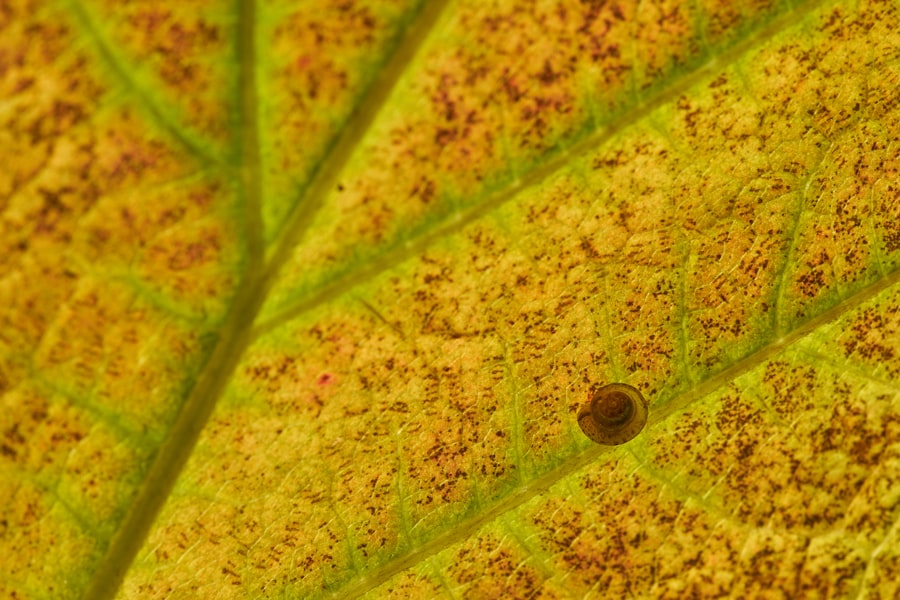
The year 1869 is often cited as when coffee leaf rust, officially known as Hemileia vastatrix, made its undeniable presence felt across Sri Lanka. It began subtly, with small, yellowish spots appearing on the undersides of coffee leaves. These spots would gradually enlarge, turning an orange-brown hue, eventually forming powdery pustules. The leaves, once vibrant and green, would start to yellow, then wither, and finally fall prematurely from the plant. This defoliation weakened the coffee bushes significantly.
The Devastating Impact on Production
As the rust spread with alarming speed and intensity, the consequences for coffee production were catastrophic. A heavily infected coffee plant could lose most of its foliage within a matter of weeks. Without leaves, the plant could no longer photosynthesize effectively, meaning it couldn’t produce the energy needed to develop coffee cherries. Even what few cherries did form were often smaller and of inferior quality. Yields plummeted across entire estates. What had been a thriving industry, promising economic prosperity, was rapidly turning into a source of despair and financial ruin for plantation owners and the thousands of workers who depended on them. The landscape of the central highlands began to change visually as the iconic green coffee bushes succumbed to the disease.
The Speed of the Epidemic
The spread of coffee rust wasn’t a slow creep; it was a full-blown epidemic. The microscopic spores of the fungus are easily carried by wind, rain, and even insects, allowing it to jump from one plantation to another with frightening efficiency. In just a few years, vast expanses of coffee were affected. The humid, tropical climate of Sri Lanka, once considered ideal for coffee cultivation, also proved to be a perfect breeding ground for the rust pathogen. This speed meant that preventative measures, even if they had been known and available, would have been incredibly challenging to implement effectively across such a widespread agricultural enterprise.
The Great Pivot: From Coffee to Tea
The Economic Fallout
The collapse of the coffee industry had profound economic repercussions. Many wealthy plantation owners faced bankruptcy. The government lost a significant source of export revenue, impacting its budgetary planning and development initiatives. The livelihoods of countless laborers, from estate managers and pickers to transporters and exporters, were severely disrupted. Social structures within the plantation communities were also strained as the primary economic engine faltered. The dream of coffee wealth for Sri Lanka evaporated, leaving a void that needed to be filled.
The Search for an Alternative
With coffee in decline, the urgent need for a replacement cash crop became paramount. The colonial administration and the remaining agricultural experts began to explore other viable options. The land and climate in the central highlands, while disastrous for coffee in the face of the rust, were still highly suitable for other tropical and subtropical crops. Various possibilities were considered, but one plant stood out for its resilience and its established success in other parts of the world under similar climatic conditions.
The Rise of Tea
Tea, Camellia sinensis, emerged as the most promising successor to coffee. It was already being experimented with on a smaller scale, and its potential was recognized. Tea plantations began to be established on land previously covered by coffee. This wasn’t a simple transition; it involved learning new cultivation techniques, processing methods, and understanding the nuances of tea varieties. However, the existing infrastructure of the highlands, the available labor force, and the determination to salvage the agricultural economy lent momentum to this pivot.
The Legacy of Coffee Rust

Reshaping the Sri Lankan Landscape
The impact of coffee rust on Sri Lanka’s landscape is undeniable and visibly apparent even today. The rolling hills of the central highlands, once envisioned as an unbroken expanse of coffee bushes, were gradually transformed into a patchwork of lush green tea estates. This change in vegetation also had ecological implications, altering biodiversity patterns and water management. The architecture and layout of many colonial-era plantation buildings, designed for coffee processing, were adapted or repurposed for tea production, a constant reminder of the industry’s former glory.
A New Agricultural Identity
Coffee rust fundamentally altered Sri Lanka’s agricultural identity. The island that was on the cusp of becoming a major coffee producer instead became one of the world’s most renowned tea exporters. This transition wasn’t just about changing crops; it was about establishing a new brand, a new set of skills, and a new place in the global agricultural market. The success of tea cultivation and export became a cornerstone of Sri Lanka’s economy for decades, a direct consequence of the rust’s devastating impact on coffee.
Lessons in Agricultural Resilience
The coffee rust epidemic served as a harsh but invaluable lesson in agricultural resilience and the importance of diversification. It highlighted the risks associated with relying too heavily on a single crop, especially in the face of unpredictable biological threats. The experience prompted a greater awareness of plant pathology and the need for scientific research and monitoring within the agricultural sector. It demonstrated that flexibility and adaptability could be the keys to survival and future prosperity when faced with unforeseen challenges.
The history of the coffee rust pathogen in Sri Lanka is a significant chapter in the country’s agricultural narrative, impacting the coffee industry profoundly. For a deeper understanding of this issue and its implications, you can explore a related article that delves into the challenges faced by Sri Lankan coffee farmers. This article provides valuable insights into the historical context and the ongoing efforts to combat the coffee rust disease. To read more about this topic, visit this link for further information.
The Persistent Threat and Modern Management
| Year | Area Affected (hectares) | Production Loss (metric tons) |
|---|---|---|
| 1867 | Unknown | Unknown |
| 1960s | Over 200,000 | Over 50,000 |
| 2013 | Over 60,000 | Over 30,000 |
| 2017 | Over 30,000 | Over 15,000 |
Understanding the Pathogen
Despite the shift to tea, the threat of coffee rust hasn’t entirely vanished, and the scientific understanding of Hemileia vastatrix has evolved significantly. Researchers have learned much about its life cycle, its genetic variability, and the environmental conditions that favor its development. This knowledge is crucial for developing effective control strategies and for understanding why certain regions or varieties of coffee might be more susceptible than others. The rust can still affect isolated coffee cultivation for local consumption or for niche markets, and vigilance remains important.
Developing Resistance and Prevention
While Sri Lanka’s economy is now dominated by tea, research into coffee cultivation, including strategies to combat rust, continues. This includes breeding new coffee varieties that are naturally resistant to the pathogen, as well as developing improved fungicides and more sustainable cultivation practices. Integrated pest management (IPM) approaches, which combine biological, cultural, and chemical methods, are often employed to minimize the reliance on chemical applications while maximizing effectiveness. Education and awareness programs are also critical for ensuring that local farmers understand the risks and are equipped with the knowledge to manage potential outbreaks.
The Global Context
It’s important to remember that coffee rust is not just a Sri Lankan problem. It’s a global issue that affects coffee-producing regions worldwide. The lessons learned in Sri Lanka during the 19th century have been applied, and in many cases, re-learned by other countries facing similar challenges. International collaborations and knowledge sharing among plant pathologists and agronomists are vital for developing comprehensive strategies to protect the future of coffee production worldwide from this persistent and evolving threat. The history of coffee rust in Sri Lanka, therefore, offers a powerful case study not only for the island’s agricultural past but also for ongoing global efforts to safeguard a beloved beverage.
FAQs
What is the coffee rust pathogen?
The coffee rust pathogen, also known as Hemileia vastatrix, is a fungus that infects coffee plants, causing the leaves to develop yellow-orange powdery spots. This can lead to defoliation and a significant decrease in coffee production.
What is the history of coffee rust in Sri Lanka?
Coffee rust first appeared in Sri Lanka (formerly Ceylon) in the 1860s, devastating the country’s coffee industry. The disease led to the widespread destruction of coffee plantations and a shift towards tea cultivation, which has since become one of the country’s primary exports.
How does the coffee rust pathogen affect coffee production in Sri Lanka?
The coffee rust pathogen has had a significant impact on coffee production in Sri Lanka, leading to decreased yields and economic losses for coffee farmers. The disease has also prompted the government and agricultural organizations to implement measures to control its spread and minimize its impact on the industry.
What measures have been taken to combat coffee rust in Sri Lanka?
In response to the threat of coffee rust, Sri Lanka has implemented various measures to combat the disease, including the development of resistant coffee varieties, the use of fungicides, and the promotion of good agricultural practices to prevent the spread of the pathogen.
What is the current status of coffee rust in Sri Lanka?
While coffee rust continues to pose a threat to coffee production in Sri Lanka, ongoing efforts to develop resistant varieties and improve disease management practices have helped mitigate its impact. However, vigilance and continued research are necessary to ensure the long-term sustainability of the country’s coffee industry.