
Concrete, a ubiquitous building material that forms the backbone of our modern world, from towering skyscrapers to humble sidewalks, carries a silent but significant environmental burden. Often lauded for its strength and durability, its widespread use masks a complex web of ecological consequences, deeply embedded within its very creation and eventual disposal. Understanding this hidden environmental cost is crucial as humanity grapples with the urgent need for sustainable development and confronts the escalating challenges of climate change.
The primary ingredient responsible for concrete’s environmental impact is cement, the binding agent that holds its aggregate components together. The production of Portland cement, the most common type, is an energy-intensive process that directly contributes to greenhouse gas emissions.
Calcination: The Thermal Transformation
The journey of cement production begins with limestone, calcium carbonate ($CaCO_3$). This raw material is heated to extremely high temperatures, typically around 1450 degrees Celsius, in large rotary kilns. This intense heat triggers a chemical reaction known as calcination, where calcium carbonate breaks down into calcium oxide (quicklime, $CaO$) and releases carbon dioxide ($CO_2$) as a byproduct. Imagine a vast, fiery crucible where carbonate rocks are essentially “cooked into oblivion,” releasing their embodied carbon into the atmosphere, much like a slow, smoldering exhale from the Earth’s crust. At least 60% of the CO2 emissions from cement production stem from this fundamental chemical process, a testament to the inherent greenhouse gas releasing nature of transforming stone into binder.
Fueling the Kiln: The Energy Equation
Beyond the calcination process itself, the sheer energy required to reach and maintain these scorching temperatures is a substantial contributor to the carbon footprint of cement. Historically, this energy has been derived from fossil fuels, such as coal, natural gas, and petroleum coke. These fuels, when burned, release vast quantities of carbon dioxide, exacerbating the problem. While efforts are underway to incorporate alternative fuels, the reliance on fossil fuels remains a significant factor, making cement production a major industrial source of anthropogenic CO2. The burning of these fuels acts like a powerful bellows, fanning the flames of both the kilns and, consequently, global warming.
Quarrying the Raw Materials: Scarring the Landscape
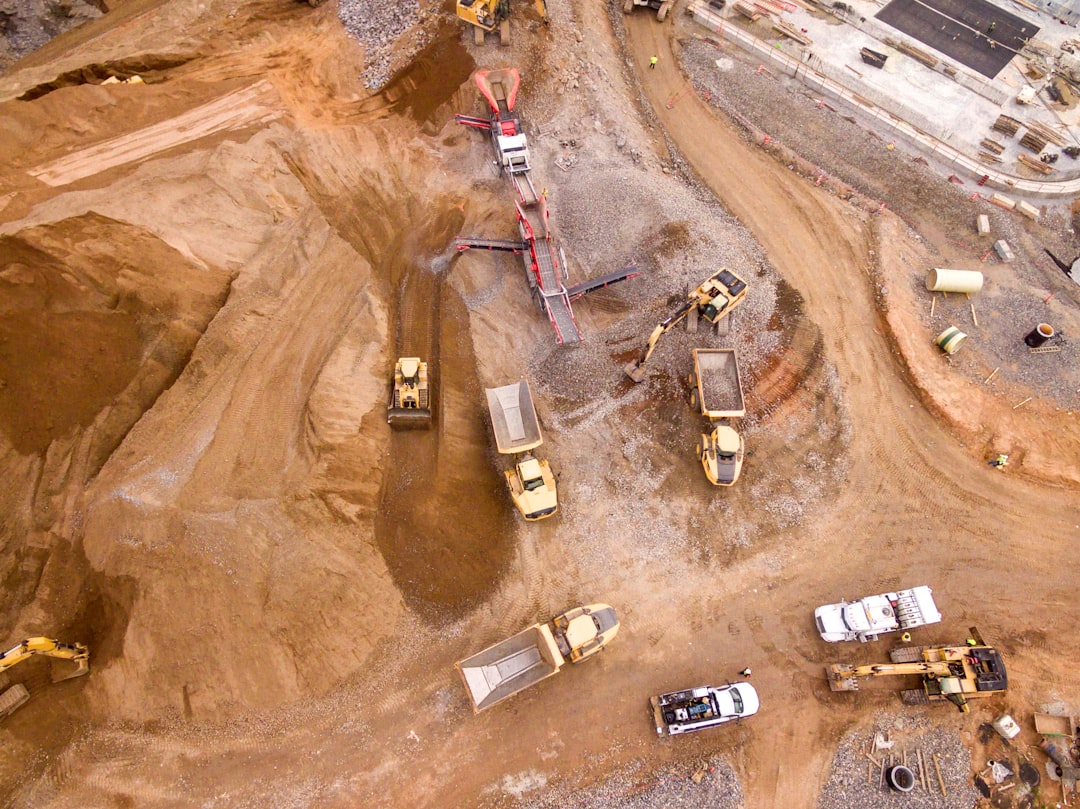
The extraction of limestone and other raw materials, such as clay and iron ore, necessary for cement production involves extensive mining and quarrying operations. These activities lead to significant land disturbance, habitat destruction, and potential water pollution. Open-pit mines can transform verdant landscapes into gaping wounds in the earth, disrupting ecosystems and displacing wildlife. The removal of vast quantities of rock also alters geological formations and can contribute to soil erosion and sedimentation in nearby waterways. This act of plundering the earth for its building blocks leaves a lasting scar, a reminder of the material cost of our concrete edifices.
The environmental toll of concrete production is a pressing issue that has garnered significant attention in recent years. For a deeper understanding of the impact of concrete on our planet, you can explore a related article on this topic at My Geo Quest. This article delves into the various ways concrete contributes to carbon emissions and discusses sustainable alternatives that could mitigate its harmful effects on the environment.
Concrete’s Thirst: Water Consumption and Pollution
The environmental impact of concrete extends beyond its manufacturing process to its extensive use of water and the potential for pollution throughout its lifecycle.
Batching and Curing: The Water Demands
Concrete requires significant amounts of water for mixing, a process known as batching, and for curing, which is essential for its strength development. While water itself is not a pollutant, the sheer volume consumed by the global concrete industry can strain local water resources, particularly in arid or semi-arid regions. The thirst of the concrete industry can be likened to a thirsty giant, drawing heavily from precious water reservoirs.
Wastewater Runoff: Carrying Pollutants
During concrete production and construction, wastewater generated can contain a variety of pollutants. This includes suspended solids, cement dust, and potentially heavy metals or other chemical additives used in the concrete mix. If not properly managed, this wastewater can enter rivers, lakes, and groundwater, leading to water contamination and harming aquatic life. The runoff from construction sites can be a silent messenger, carrying a cocktail of undesirable substances into our natural water systems.
Leaching into the Environment: A Slow Release
Over time, components within hardened concrete can leach into the surrounding environment. While generally considered inert, certain additives or impurities within the cement can be mobilized by rainwater or groundwater. This leaching can contribute to elevated levels of alkalinity in surrounding soils and water bodies, potentially impacting plant life and aquatic ecosystems. It’s a subtle, slow seeping, a gradual release of embedded elements that can alter the delicate balance of the environment around it.
The Embodied Energy of Aggregates: More Than Just Sand and Gravel

While cement is the primary culprit, the other components of concrete – aggregates such as sand, gravel, and crushed stone – also carry their own environmental baggage.
Extraction and Transport: A Logistical Challenge
The extraction of these aggregates, like limestone, involves quarrying and often extensive dredging of riverbeds or coastal areas. These activities can lead to habitat destruction, changes in river morphology, and increased turbidity in water bodies. Furthermore, the transportation of these heavy materials from extraction sites to concrete batching plants and then to construction sites contributes significantly to the overall carbon footprint due to the fuel consumption of trucks, trains, and ships. The journey of these inert materials is a long one, powered by the burning of fossil fuels, adding its own layer of emissions.
Depletion of Natural Resources: A Finite Supply
Sand, in particular, is a finite natural resource. While it may appear abundant, the specific type of sand required for high-quality concrete production is becoming increasingly scarce in many regions. The overexploitation of sand resources can lead to coastal erosion, damage to marine ecosystems, and conflicts over access to this vital commodity. The relentless demand for building materials is, in essence, drawing down from a finite pantry, leaving behind depleted reserves.
Deconstruction and Disposal: The End of the Line for Concrete
The end-of-life scenario for concrete presents further environmental challenges, from demolition waste to landfill burden.
Demolition Waste: A Mountain of Rubble
The demolition of concrete structures generates enormous volumes of waste material. This rubble, if not properly managed, occupies valuable landfill space. The sheer scale of demolition waste from aging infrastructure and obsolete buildings is a significant concern for waste management systems worldwide. Imagine a mountain range, not of natural rock, but of human-made debris, a testament to the transient nature of our constructions.
Landfill Burden: A Permanent Fixture
Unlike many organic materials, concrete does not readily biodegrade. When disposed of in landfills, it remains as inert waste for centuries, contributing to the growing problem of landfill capacity. This “permanent” waste takes up space that could be used for more perishable materials or for alternative purposes. It sits, unyielding, a perpetual reminder of what was built and what has been discarded.
Potential for Recycling: A Glimmer of Hope
While the disposal of concrete remains a challenge, there is a growing recognition of its potential for recycling. Crushed concrete can be repurposed as aggregate in new concrete mixes, road base, or fill material. However, the widespread implementation of concrete recycling faces logistical hurdles, economic considerations, and the need for effective separation and processing technologies. The potential for a circular economy, where old concrete becomes the building blocks of new, offers a pathway to mitigate some of these end-of-life impacts.
The environmental toll of concrete production is a pressing issue that often goes unnoticed, yet it significantly contributes to greenhouse gas emissions and resource depletion. A related article discusses the hidden costs associated with concrete, highlighting its impact on ecosystems and the urgent need for sustainable alternatives. For a deeper understanding of this critical topic, you can read more about it in this insightful piece on sustainable building practices. By exploring these alternatives, we can work towards reducing the ecological footprint of our construction methods.
Alternatives and Innovations: Charting a Greener Course
| Metric | Value | Unit | Description |
|---|---|---|---|
| Global CO2 Emissions from Cement Production | 2.8 | Gigatons per year | Amount of carbon dioxide emitted annually by cement manufacturing |
| Percentage of Global CO2 Emissions | 8 | % | Share of global CO2 emissions attributed to cement production |
| Water Usage in Concrete Production | 150 | Liters per cubic meter | Average water consumption to produce one cubic meter of concrete |
| Energy Consumption | 4 | GJ per ton of cement | Energy required to produce one ton of cement |
| Global Concrete Production | 30 | Billion tons per year | Annual worldwide concrete production volume |
| Percentage of Natural Resources Used | 25 | % | Share of natural resources consumed by concrete production globally |
| Waste Generated from Concrete | 600 | Million tons per year | Amount of concrete waste produced annually |
Fortunately, the recognition of concrete’s environmental shortcomings is spurring innovation and the exploration of more sustainable alternatives and practices.
Supplementary Cementitious Materials (SCMs): Reducing Cement Content
One promising approach involves reducing the amount of Portland cement in concrete by incorporating Supplementary Cementitious Materials (SCMs). These include materials like fly ash (a byproduct of coal combustion), slag (a byproduct of iron production), and silica fume. SCMs can replace a portion of the cement, thereby reducing the overall CO2 emissions associated with concrete production. They also often enhance the durability and performance of the concrete. These substitutes are like adding complementary flavors to a dish, reducing the reliance on a single, impactful ingredient.
Geopolymer Concrete: A Novel Bind
Geopolymer concrete, a nascent technology, utilizes industrial byproducts like fly ash or slag activated by alkaline solutions to create a binder that can rival Portland cement in strength and durability. This technology offers the potential to significantly reduce or even eliminate the use of Portland cement, thereby dramatically lowering the carbon footprint of concrete. It represents a radical departure, a re-imagining of what can bind our structures, moving away from traditional, emission-heavy methods.
Lower-Carbon Cements: Incremental Improvements
Ongoing research and development are focused on creating “lower-carbon” versions of Portland cement. These involve modifying production processes to capture CO2 emissions or developing cements with different chemical compositions that require less energy to produce and generate fewer greenhouse gases. While these represent incremental improvements, they are crucial steps in the transition towards more sustainable cement production. These are like fine-tuning an existing engine, making it more efficient and less polluting, an important step in the right direction.
Sustainable Construction Practices: Beyond the Material
Beyond the material itself, sustainable construction practices play a vital role in mitigating the environmental impact of concrete. This includes optimizing building designs to reduce material usage, implementing efficient water management systems on construction sites, and prioritizing the use of recycled concrete and other sustainable building materials. The way we build, not just what we build with, holds significant environmental implications. This involves a holistic approach, from the blueprint to the final pour, considering the entire lifecycle and minimizing waste at every stage.
The construction industry stands at a precipice. The enduring strength and versatility of concrete have undeniably shaped our modern landscape. However, the environmental costs, though often hidden beneath layers of concrete and steel, are now undeniably apparent. Acknowledging these costs – from the carbon unleashed by cement kilns to the resources consumed and the waste generated – is the first, and perhaps most critical, step towards forging a more sustainable future. The challenge lies not in abandoning concrete entirely, but in embracing innovation, demanding greener alternatives, and adopting practices that honor both the ingenuity of construction and the health of our planet. The future of our built environment hinges on our ability to build responsibly, ensuring that the foundations of our progress do not crumble under the weight of their own ecological toll.
WATCH NOW ▶️ WARNING: Why the World is Running Out of Sand (And You Never Noticed)
FAQs
What is the environmental impact of concrete production?
Concrete production is a major contributor to environmental degradation, primarily due to the high carbon dioxide emissions from cement manufacturing, which accounts for about 8% of global CO2 emissions. Additionally, it involves significant energy consumption, resource extraction, and habitat disruption.
Why is concrete referred to as a “lie” in environmental discussions?
Concrete is sometimes called a “lie” because, despite its widespread use and perception as a durable, sustainable building material, its production and use have hidden environmental costs that are often overlooked, such as high carbon emissions and long-term ecological damage.
How does concrete production affect natural resources?
Concrete production requires large quantities of raw materials like sand, gravel, and limestone. The extraction of these materials can lead to habitat destruction, soil erosion, and depletion of natural resources, impacting biodiversity and ecosystems.
Are there sustainable alternatives to traditional concrete?
Yes, there are several sustainable alternatives, including the use of recycled materials, supplementary cementitious materials like fly ash or slag, and innovations such as geopolymer concrete or carbon-cured concrete, which aim to reduce carbon emissions and environmental impact.
What measures can be taken to reduce the environmental toll of concrete?
Measures include improving energy efficiency in cement production, using alternative fuels, increasing the use of recycled and supplementary materials, developing low-carbon concrete technologies, and promoting design practices that minimize concrete use while maintaining structural integrity.