
The construction of artificial islands, a testament to human ingenuity and our boundless ambition, often conjures images of luxurious resorts, strategic military outposts, or sustainable urban extensions. However, beneath the gleaming surfaces and impressive engineering feats lies a complex web of environmental, economic, and social repercussions that frequently go unacknowledged. This article delves into the less visible, yet significant, costs associated with the creation of artificial landmasses, inviting the reader to consider the full spectrum of their impact.
The very act of creating an artificial island necessitates profound disruption to existing ecosystems. This is not merely a localized phenomenon but often triggers a cascade of negative environmental effects, irrevocably altering marine and coastal habitats.
Habitat Destruction and Biodiversity Loss
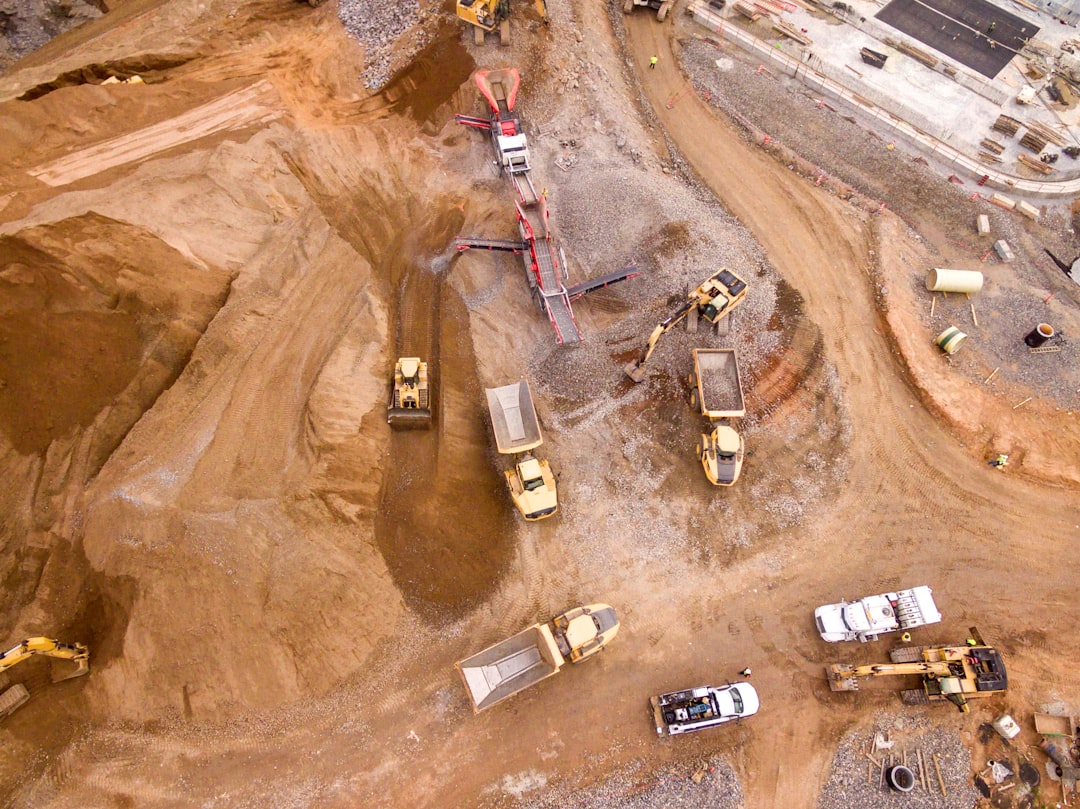
The primary and most immediate environmental cost is the wholesale destruction of the seabed and its associated ecosystems. Consider the vast quantities of sand and other fill materials required for island construction.
- Dredging Operations: Sourcing this material typically involves extensive seabed dredging. This process removes or buries entire benthic communities, including coral reefs, seagrass beds, and mangrove forests – critical habitats that serve as nurseries, feeding grounds, and protective barriers for countless marine species. The destruction of these intricate ecosystems leads to significant biodiversity loss, as species dependent on them are displaced or eliminated.
- Sediment Plumes: Dredging also releases massive plumes of sediment into the water column. These plumes reduce light penetration, inhibiting photosynthesis for marine plants and corals. They can smother sessile organisms, clog the gills of fish, and reduce water quality over a wide area, impacting even distant, seemingly unaffected marine life.
- Impact on Migratory Patterns: Artificial islands can obstruct established migratory routes for fish, birds, and marine mammals. The physical presence of a new landmass and the associated increased human activity can disorient or deter species, forcing them to expend more energy to find alternative routes or leading to reduced breeding success.
Altered Oceanography and Coastal Dynamics
The introduction of a large, rigid structure into a dynamic marine environment inevitably alters natural processes, often with unforeseen consequences for surrounding coastlines.
- Changes in Current Patterns: Artificial islands act as physical barriers, redirecting ocean currents. These altered currents can lead to increased erosion in some areas and excessive sedimentation in others, profoundly changing the geomorphology of adjacent coastlines. For example, a new island might redirect currents that previously nourished a natural beach, leading to its rapid degradation.
- Wave Refraction and Diffraction: Waves approaching an artificial island will be refracted (bent) and diffracted (spread out), altering their energy distribution. This can exacerbate coastal erosion on one side of the island while causing accrétion (land buildup) on another, creating an imbalance in the natural coastal system.
- Increased Vulnerability to Storms: While often touted as protection, the alteration of natural coastal defenses, such as coral reefs and mangroves, through island construction can paradoxically increase the vulnerability of adjacent coastlines to storm surges and tsunamis. These natural systems act as crucial buffers, dissipating wave energy; their removal leaves coastlines exposed.
Pollution and Waste Management
The sheer scale of artificial island projects necessitates vast logistical operations, often generating significant pollution and presenting long-term waste management challenges.
- Construction Runoff: During construction, runoff from the island project site can carry pollutants such as heavy metals, fuels, and construction chemicals into the surrounding marine environment. These substances can leach into the water column and sediment, bioaccumulating in marine organisms and potentially entering the food chain.
- Increased Human Activity and Waste: Once populated, artificial islands inevitably generate substantial volumes of domestic and industrial waste. The infrastructure for waste collection, treatment, and disposal within a confined marine environment presents unique challenges. Inadequate waste management can lead to landfills leaching contaminants into the sea, or treated wastewater discharge exceeding environmental capacities.
- Noise Pollution: The prolonged noise from dredging vessels, construction machinery, and subsequent operational activities (shipping, tourism) can have detrimental effects on marine life, especially species that rely on sound for communication, navigation, and hunting, such as dolphins and whales.
The hidden costs of artificial islands extend beyond their initial construction, impacting environmental, social, and economic factors in profound ways. For a deeper understanding of these implications, you can explore a related article that discusses the various challenges associated with artificial island development. This insightful piece can be found at My Geo Quest, where it delves into the long-term consequences that often go unnoticed during the planning stages.
Economic Burdens: A Financial Abyss
The perceived economic benefits of artificial islands, such as increased real estate value or enhanced trade routes, often overshadow the staggering financial outlays and potential long-term liabilities. The construction and maintenance costs are astronomical, frequently exceeding initial projections.
Exorbitant Construction Costs
The engineering marvel of creating land where none existed comes with an unparalleled price tag, making these projects among the most expensive infrastructure endeavors globally.
- Material Acquisition and Transport: The primary cost driver is the acquisition and transport of vast quantities of fill material – typically sand and rock. Sourcing sufficient suitable material can involve dredging thousands of kilometers away and transporting it by specialized vessels, incurring massive fuel and logistical costs. The scarcity of suitable materials in certain regions can further inflate these expenses.
- Specialized Engineering and Technology: Building stable structures in a marine environment requires highly specialized engineering expertise, advanced surveying techniques, and bespoke construction machinery. This sophisticated technology and the skilled personnel to operate it command premium prices.
- Foundation and Stability Challenges: Ensuring the long-term stability of an artificial island is paramount. This involves extensive ground improvement techniques, such as vibro-compaction or dynamic compaction, to prevent liquefaction and settlement. These processes add substantial costs and complexity, particularly in areas prone to seismic activity or on soft seabed soils.
Maintenance and Resilience Challenges
An artificial island is not a static entity; it is a structure perpetually battling the forces of nature, requiring ongoing and often expensive maintenance.
- Coastal Protection and Erosion Control: As discussed, artificial islands alter currents and wave patterns, often leading to erosion. Maintaining sea walls, revetments, and other coastal protection structures is an ongoing and costly endeavor. Failure to do so can lead to significant structural damage and loss of land.
- Infrastructure Degradation in a Marine Environment: Critical infrastructure – water pipes, sewage systems, power cables, and communication networks – must be constructed to withstand the corrosive saltwater environment and the dynamic forces of the sea. This necessitates specialized materials and regular, expensive maintenance and replacement cycles.
- Climate Change Vulnerability: Artificial islands, often built at or just above sea level, are inherently vulnerable to rising sea levels, increased storm intensity, and more frequent extreme weather events associated with climate change. Adapting or reinforcing these structures against future climate impacts represents a massive, and largely unquantified, long-term financial liability. For example, raising an island’s elevation by even a meter can incur costs equivalent to its initial construction.
Opportunity Costs and Economic Risk
While artificial islands aim to generate economic returns, the immense investment they demand often comes at the expense of other potential development avenues, and carries inherent economic risks.
- Diversion of Public Funds: When funded by governments, the colossal budgets allocated to artificial island projects can divert vital public funds away from critical social infrastructure such as education, healthcare, or affordable housing. This represents an opportunity cost where alternative investments could have yielded broader societal benefits.
- Dependence on Specific Industries: Many artificial islands are designed to serve specific industries, such as luxury tourism or logistics hubs. This creates an economic monoculture that is highly susceptible to market fluctuations, geopolitical shifts, or environmental disasters. A downturn in tourism, for instance, could leave a multi-billion dollar island resort struggling to generate revenue.
- Overruns and Delays: Infrastructure projects are notoriously prone to cost overruns and delays, and artificial island construction is no exception. Unforeseen geological challenges, environmental complications, or material shortages can inflate budgets by hundreds of millions, if not billions, of dollars, jeopardizing project viability and investor confidence.
Social and Geopolitical Ramifications: Ripples in the Human Fabric
Beyond the environmental and economic ledger, artificial islands often cast long shadows over human societies, creating complex social tensions and even international disputes.
Displacement of Traditional Livelihoods
The creation of artificial islands frequently occurs in coastal areas or shallow seas, regions vital for traditional communities whose existence relies on marine resources.
- Fisheries Disruption: Dredging and construction activities directly destroy fishing grounds and disrupt fish migration patterns, severely impacting local fishing communities. The loss of these resources can lead to poverty, food insecurity, and the forced abandonment of inherited livelihoods and cultural practices passed down through generations.
- Loss of Access to Coastal Waters: Even if not directly displaced, local communities may lose access to traditional coastal waters due to construction zones, increased shipping traffic, or security restrictions around the new island. This can sever their connection to the sea, a fundamental aspect of their cultural identity.
- Inadequate Compensation and Resettlement: When displacement is unavoidable, the compensation offered to affected communities is often deemed insufficient or inequitable, failing to account for the true long-term value of lost land, livelihoods, and cultural heritage. Resettlement efforts can be poorly planned, leading to social fragmentation and increased hardship.
Resource Competition and Geopolitical Tensions
The finite nature of marine resources and desirable coastal spaces means that artificial island projects can ignite or exacerbate competition and conflict.
- Sand Scarcity and Illegal Dredging: The global demand for sand, amplified by artificial island projects, has led to a depletion of natural reserves and a rise in illegal sand dredging. This unregulated activity not only damages ecosystems but can also fuel organized crime and cross-border disputes over marine resources.
- Territorial Disputes and Sovereignty: In contested maritime territories, the construction of artificial islands by one nation is often perceived as an assertion of sovereignty and a challenge to the claims of others. This can escalate geopolitical tensions, leading to diplomatic protests, naval patrols, and even military standoffs, as evidenced in various global hotspots.
- Impact on Neighbours and International Relations: Even outside directly disputed territories, the environmental or economic impacts of an artificial island project in one country can affect its neighbours. Changes in shared water currents, fish stocks, or shipping lanes can strain international relations and necessitate complex negotiations.
Ethical Considerations and Equity
The process of creating artificial islands often raises profound ethical questions about our right to reshape nature and the equitable distribution of costs and benefits.
- “Land Grabbing” and Environmental Justice: Critics argue that artificial island projects can amount to “land grabbing” – creating new territory that benefits wealthy developers or foreign investors, often at the expense of local communities and vulnerable ecosystems. This raises questions of environmental justice, where the environmental costs are disproportionately borne by marginalized populations.
- Long-term Responsibility and Intergenerational Equity: Who bears the long-term cost of maintaining these islands against climate change, managing their waste, or mitigating their environmental impacts? These questions extend to future generations, who may inherit the liabilities of today’s ambitious projects.
- Prioritization of Development: The decision to build an artificial island reflects a prioritization of certain development goals (e.g., luxury tourism, military presence) over others (e.g., preserving biodiversity, supporting traditional livelihoods). The ethical implications of these choices warrant critical examination.
Technical and Operational Challenges: A Continuous Battle
The very act of sustaining a human settlement on an artificial landmass presents an ongoing suite of technical and operational challenges that demand constant vigilance and investment.
Infrastructure Vulnerability and Resilience
Artificial islands require all the infrastructure of a natural landmass, but in a far more challenging and precarious setting.
- Utilities and Services in a Harsh Environment: Providing reliable water, energy, and waste management services on an artificial island is inherently difficult. Desalination plants are often necessary for fresh water, energy grids must be resilient to marine conditions, and sewage treatment requires sophisticated systems to prevent contamination of the surrounding waters. All these systems are exposed to the corrosive marine environment, demanding higher maintenance and replacement costs.
- Accessibility and Logistical Dependence: Access to artificial islands typically relies on causeways, bridges, or ferry services, making them vulnerable to disruption during extreme weather events. This logistical dependence affects everything from emergency services to the supply of essential goods, impacting the resilience of the community.
- Monitoring and Maintenance of Subsurface Structures: The foundations and subsurface structures of artificial islands are constantly subjected to dynamic forces from currents and waves. Regular, sophisticated monitoring is required to detect any settlement, erosion, or structural fatigue, and remedial action can be incredibly complex and expensive.
Disaster Preparedness and Response
The unique characteristics of artificial islands amplify challenges related to disaster preparedness and response, turning natural events into potentially catastrophic scenarios.
- Limited Evacuation Routes: Most artificial islands have limited egress points, typically a single causeway or bridge connecting them to the mainland. In the event of a rapid-onset disaster like a tsunami or a major storm surge, these routes can quickly become impassable, trapping residents and emergency personnel.
- Heightened Exposure to Extreme Weather: By their nature, artificial islands are entirely exposed to the full force of marine weather events – hurricanes, typhoons, and storm surges. Unlike natural landmasses with varied topography that can offer some shelter, artificial islands provide minimal natural protection.
- Complex Search and Rescue Operations: Conducting search and rescue operations on an artificial island following a disaster is inherently more complex. Debris can contaminate the surrounding waters, access might be severely restricted, and the flat, low-lying nature of many islands offers little natural refuge.
The hidden cost of artificial islands extends beyond their initial construction, impacting ecosystems and local communities in profound ways. A related article explores these implications in greater detail, shedding light on the environmental and social challenges that often accompany such ambitious projects. For those interested in understanding the broader context, the article can be found here, providing valuable insights into the complexities of developing artificial land.
The Long-Term Unknowns: An Uncharted Future
| Metric | Description | Estimated Impact | Unit |
|---|---|---|---|
| Environmental Degradation | Loss of marine biodiversity due to habitat destruction | 30-50% | Reduction in species population |
| Carbon Footprint | CO2 emissions from construction and maintenance activities | 1.2-2.5 | Million metric tons CO2 equivalent per island |
| Water Quality Impact | Increase in water turbidity and pollution levels | 15-40% | Decrease in water clarity |
| Economic Cost | Hidden expenses related to environmental mitigation and maintenance | 10-20 | Billion (local currency) |
| Displacement of Local Communities | Number of people relocated or affected by island construction | 5,000-15,000 | Individuals |
| Impact on Fisheries | Reduction in fish catch due to habitat loss | 25-35% | Decrease in annual catch volume |
Despite our advanced engineering capabilities, the long-term behavior and ultimate fate of artificial islands remain shrouded in a degree of uncertainty, presenting a speculative but significant cost.
Climate Change Resilience and Adaptability
The trajectory of climate change introduces an unpredictable variable into the long-term viability of artificial islands.
- Sea Level Rise Implications: Even conservative projections for sea level rise suggest that many existing and planned artificial islands, built only marginally above current sea levels, will face significant submergence threats within decades. The cost of continuously raising these islands or constructing ever-higher protective barriers would be monumental, potentially rendering them economically unviable.
- Increased Storm Intensity: Climate change is also correlated with an increase in the frequency and intensity of extreme weather events. Artificial islands, already vulnerable, will face unprecedented challenges from stronger winds, higher waves, and more powerful storm surges, increasing the risk of structural damage and requiring ever more robust, and costly, defenses.
- Ecosystem Migration and Novel Habitats: As climate change alters marine ecosystems, the long-term environmental impacts of existing artificial islands may shift. While some resilience might be built in, the interaction of these artificial structures with migrating species or rapidly changing ocean conditions creates novel and unpredictable ecological dynamics.
End-of-Life Scenarios and Decommissioning
Little thought is often given to the end-of-life cycle of artificial islands, raising questions about their ultimate decommissioning and environmental legacy.
- Cost of Removal and Restoration: Should an artificial island become obsolete, economically unsustainable, or environmentally detrimental, its removal and the restoration of the seabed would be an undertaking of immense cost and technical difficulty. The sheer volume of material involved makes a complete restoration practically unfeasible.
- Abandonment and “Ghost Islands”: The alternative to costly decommissioning is abandonment. This could lead to “ghost islands” – derelict structures slowly eroding back into the sea, potentially becoming navigational hazards or sources of pollution, creating a lasting environmental and financial liability.
- Legacy Contamination: Over their operational lifespan, artificial islands can accumulate a variety of contaminants, from industrial residues to heavy metals. If abandoned, these contaminants could leach into the marine environment for centuries, creating a toxic legacy that far outlasts the island’s useful life.
In conclusion, while artificial islands undeniably demonstrate humanity’s capacity for architectural and engineering prowess, a thorough understanding necessitates a critical examination of their hidden costs. From the irreversible environmental damage and staggering economic liabilities to the complex social dislocations and geopolitical tensions, these projects are far from benign undertakings. As we continue to contemplate and embark upon such ambitious endeavors, it is incumbent upon decision-makers and the public alike to engage in a comprehensive cost-benefit analysis that extends beyond immediate gains, considers the full spectrum of impacts, and honestly evaluates the long-term sustainability and true price of creating land where none existed. The ocean, while vast, is not without limits, and our interventions within it carry consequences that demand our utmost attention and foresight.
WATCH NOW ▶️ WARNING: Why the World is Running Out of Sand (And You Never Noticed)
FAQs
What are artificial islands?
Artificial islands are man-made land masses constructed in bodies of water, typically created by dredging sand, rocks, or other materials to form new land where none existed before.
What are some common purposes of building artificial islands?
Artificial islands are often built for expanding urban areas, creating new residential or commercial spaces, developing airports or ports, tourism, and sometimes for strategic military purposes.
What environmental impacts are associated with artificial islands?
The construction of artificial islands can disrupt marine ecosystems, damage coral reefs, alter water currents, increase sedimentation, and lead to loss of biodiversity in the surrounding areas.
Are there economic costs beyond construction for artificial islands?
Yes, beyond initial construction costs, artificial islands may require ongoing maintenance, environmental mitigation efforts, and can lead to economic losses if environmental damage affects fisheries or tourism industries.
How do artificial islands affect local communities?
Artificial islands can impact local communities by changing fishing grounds, altering coastal protection, potentially displacing populations, and sometimes leading to geopolitical tensions if built in disputed waters.