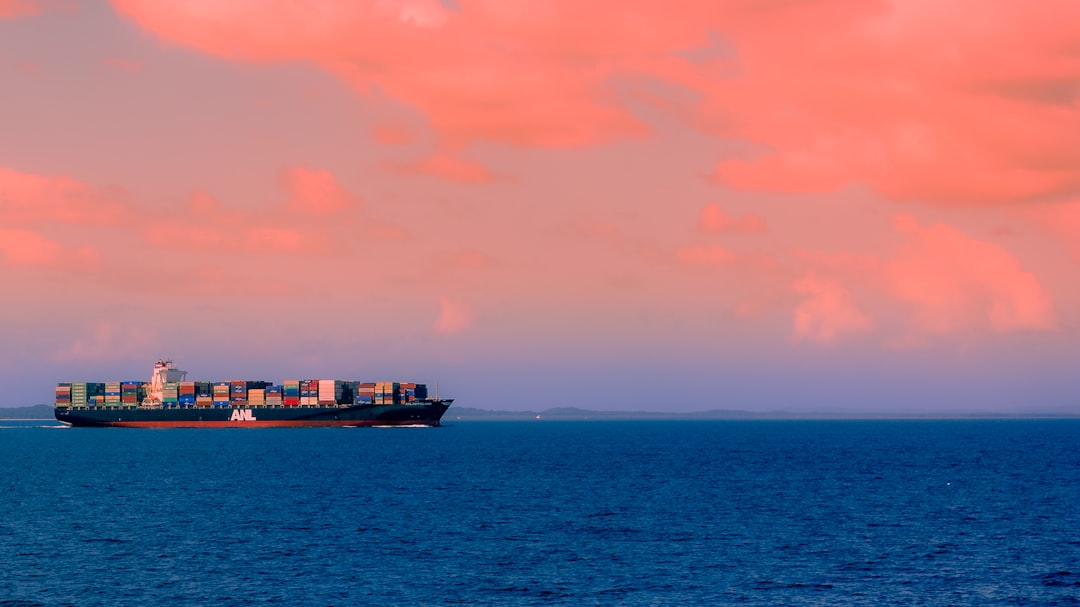
The Graveyards of Old Cargo Ships: Final Resting Places
The world’s oceans are vast and deep, holding within their embrace countless stories, both triumphant and tragic. Among these tales, the silent narratives of retired cargo ships, their hulls no longer cutting through waves laden with goods, but resting on the seabed or anchored in final stillness, offer a poignant glimpse into the ebb and flow of global commerce and technological advancement. These maritime graveyards, often shrouded in mystery and accessible only to the adventurous or the specialized, represent the end of long careers, the obsolescence of once-vital vessels, and the creation of artificial reefs that breathe new life into the underwater ecosystem.
The lifecycle of a cargo ship is intrinsically linked to the demands of global trade and the relentless march of technological progress. Built for purpose and enduring decades of service, these behemoths of the sea carry the lifeblood of nations, transporting raw materials, manufactured goods, and everything in between. However, like any machine, their operational life has a finite span. The economic realities of the shipping industry, coupled with advancements in shipbuilding, inevitably lead to obsolescence.
The Economics of Obsolescence
The decision to retire a cargo ship is rarely an emotional one. It is primarily driven by economics. As new, larger, and more fuel-efficient vessels are launched, older ships become increasingly expensive to operate. Maintenance costs rise, fuel consumption becomes less competitive, and the capacity of older designs simply cannot match the economies of scale offered by modern fleets. Insurance premiums can also escalate, further tipping the scales towards retirement. The cost of retrofitting older vessels to meet modern environmental regulations or safety standards often outweighs the investment in a new build. This economic calculus dictates the fate of countless ships, sending them towards their final berths.
Technological Advancements and Shifting Demands
The evolution of shipping technology is a constant force shaping the maritime landscape. From the steam-powered behemoths of the early 20th century to the ultra-large container vessels of today, each generation of ship represents a leap forward in efficiency, speed, and cargo capacity. Containerization, the revolution that transformed global logistics, necessitated the development of specialized container ships. Similarly, the demand for transporting specific commodities like oil, gas, or bulk carriers has driven the design of purpose-built vessels. Older ships, designed for different eras and different trade routes, often struggle to adapt to these shifting demands and technological paradigms. Their structural designs, propulsion systems, and cargo handling capabilities may become outdated, rendering them less efficient and less profitable than their contemporary counterparts.
The “Scrapping” Versus “Resting” Dichotomy
When a cargo ship reaches the end of its economic life, it typically faces one of two fates: scrapping or deliberate sinking (often for artificial reef purposes). Scrapping, the more common route, involves dismantling the ship for its scrap metal and reusable parts. This process, often carried out in shipbreaking yards, can be environmentally hazardous and labor-intensive. However, for some vessels, and in certain contexts, a more dignified end is sought, leading to their transformation into underwater havens.
Many people are curious about the fate of old cargo ships and where they ultimately end up when they are no longer seaworthy. A related article that delves into this topic can be found at My Geo Quest, which explores the various shipbreaking yards around the world and the environmental implications of dismantling these massive vessels. The article provides insights into the processes involved and highlights the challenges faced by the industry in balancing economic needs with ecological responsibility.
Artificial Reefs: Giving New Life to Old Hulks
The intentional sinking of decommissioned vessels, particularly cargo ships, has become a widely recognized and environmentally beneficial practice, transforming rusting hulks into thriving artificial reefs. These submerged structures provide a complex three-dimensional habitat that mimics natural reef formations, attracting a diverse array of marine life.
The Ecological Imperative
In many parts of the world, natural coral reefs are under immense pressure from pollution, climate change, and overfishing. Artificial reefs, created from ships, offer a crucial alternative or supplementary habitat for marine organisms. They provide shelter, breeding grounds, and foraging opportunities for fish, invertebrates, and other marine life. This can lead to an increase in biodiversity and biomass in the surrounding waters, supporting both recreational and commercial fisheries. The structural complexity of a ship’s hull, with its numerous compartments, decks, and external surfaces, offers a multitude of niches for different species to colonize and thrive.
Case Studies: Successful Ship Sinking Projects
Numerous successful ship sinking projects around the globe demonstrate the positive ecological impact of these artificial reefs. The USS Oriskany, a former aircraft carrier deliberately sunk off the coast of Florida, is one of the most famous examples, attracting a vast array of marine life and becoming a premier dive destination. In Europe, several German U-boats from World War II have been sunk to create dive sites and marine habitats. In Asia, the sinking of old ferries and cargo ships has been employed to revitalize fishing grounds and create popular diving attractions. These projects are often carefully planned and executed, with thorough environmental impact assessments and consideration for the specific marine ecosystems they aim to benefit.
The Process of Deliberate Sinking
The process of transforming a cargo ship into an artificial reef is meticulously planned. Before sinking, the vessel undergoes a thorough cleaning to remove any hazardous materials, such as oil, fuel, and debris, that could contaminate the marine environment. The ship is then typically towed to a predetermined location, often in an area with limited natural reef development or where an increase in marine habitat is desired. The sinking itself can be achieved in several ways, often involving controlled flooding of compartments or the removal of ballast. The goal is to ensure the vessel settles on the seabed in a stable position, maximizing its potential as a habitat.
The Sunken Cities: Ghostly Monuments to the Past

Beyond their ecological contributions, the graveyards of old cargo ships also serve as hauntingly beautiful underwater monuments. Their silent presence on the seabed evokes a sense of history, a testament to the voyages they undertook and the goods they carried. For divers and underwater explorers, these sunken vessels offer a unique opportunity to connect with the past.
Exploration and the Allure of the Unknown
The allure of exploring a sunken cargo ship lies in its mystery and the sense of discovery. Navigating through darkened corridors, peering into empty cargo holds, and encountering the marine life that has claimed these structures as their own is an experience akin to stepping into another world. Each ship tells a story, its worn paint, corroded metal, and lingering shadows hinting at its former glory. Divers often encounter schools of fish swirling around the superstructure, moray eels peering from portholes, and corals encrusting the once-gleaming hull.
Documenting the Decline and Reclamation
Underwater photographers and videographers play a crucial role in documenting the slow process of decay and the subsequent reclamation of these vessels by marine life. Images and footage capture the transformation of man-made structures into natural ecosystems, showcasing the resilience of nature. These visual records provide valuable insights into the ecological succession occurring on artificial reefs and the long-term impact of shipwrecks on the marine environment. They also serve to raise awareness about the importance of preserving these underwater heritage sites.
The Challenges of Access and Safety
Accessing sunken cargo ships is not without its challenges. Many are located in deep waters, requiring advanced diving certifications and specialized equipment. Currents can be strong, visibility can be poor, and the structural integrity of older wrecks can be compromised, posing inherent risks to divers. However, for those with the necessary skills and precautions, these underwater tombs offer an unparalleled glimpse into maritime history and the power of nature’s embrace.
The Silent Sentinels: Environmental Considerations

While the creation of artificial reefs from old cargo ships offers significant ecological benefits, it is imperative to acknowledge and address the potential environmental considerations associated with these submerged hulks. Responsible planning and execution are crucial to ensure that these final resting places do not become sources of pollution or ecological imbalance.
The Risk of Pollution from Residual Materials
The primary environmental concern associated with sinking ships is the potential for residual hazardous materials to leach into the marine environment. Before a vessel is deemed suitable for sinking, rigorous cleaning protocols must be implemented to remove all oils, fuels, greases, and other toxic substances. Failure to do so can result in long-term contamination of the seabed and harm to marine life. Regulatory bodies and environmental agencies play a vital role in overseeing these cleaning processes and ensuring compliance with international standards.
Impact on Existing Ecosystems
The placement of a large artificial structure like a cargo ship can alter the local hydrodynamics and benthic environments. While the intention is to enhance biodiversity, careful consideration must be given to the existing ecosystem. Sinking a ship in an area already rich with sensitive natural habitats, such as seagrass beds or delicate coral formations, could have unintended negative consequences. Site selection is therefore critical, prioritizing areas that would benefit most from habitat enhancement without disrupting established ecological communities. Studies are often conducted to assess the potential impact on existing species and their habitats before any sinking operation takes place.
The Long-Term Fate of the Wreck
Over time, even the most robust steel structures will succumb to the relentless forces of corrosion and marine growth. The eventual disintegration of a sunken cargo ship is a natural process. However, responsible decommissioning and sinking operations aim to ensure that this disintegration occurs gradually and in a manner that continues to support marine life. Some projects involve reinforcing certain structural elements to prolong the lifespan of the artificial reef, while others embrace the natural decay process, allowing the ship to slowly merge with the seabed. The long-term monitoring of these sites is essential to assess their ongoing ecological function and identify any emerging environmental issues.
As the world grapples with the environmental impact of aging maritime vessels, many old cargo ships find their final resting places in specialized shipbreaking yards. These locations not only dismantle the ships but also recycle valuable materials, reducing waste and promoting sustainability. For a deeper understanding of this process and its implications, you can read more in this insightful article about the fate of decommissioned vessels at My Geo Quest.
Beyond the Hull: The Human Stories Entwined with the Ships
| Location | Country | Details |
|---|---|---|
| Alang | India | One of the largest ship breaking yards in the world |
| Chittagong | Bangladesh | Major destination for ship breaking due to low labor costs |
| Gadani | Pakistan | Hub for ship breaking industry in South Asia |
| Aliaga | Turkey | Known for its ship recycling facilities |
While the focus often lies on the physical vessel and its transformation into an artificial reef, it is important to remember the human element inextricably linked to these old cargo ships. The sailors who crewed them, the dockworkers who loaded their holds, and the communities that relied on their trade – all have stories woven into the fabric of these vessels.
The Lives of the Seafarers
For decades, these ships were floating homes and workplaces for countless mariners. They sailed across vast oceans, experiencing both the beauty and the harsh realities of life at sea. The camaraderie among the crew, the isolation from loved ones, and the constant dance with the elements forged strong bonds and unique experiences. The eventual retirement of a ship often signifies the end of a career for its seasoned crew, a transition to life ashore after years spent navigating the globe. Some may have retired with the ship, while others may have moved on to newer vessels, carrying memories of their voyages on the older hulks.
The Economic Lifelines They Represented
Cargo ships were, and remain, vital arteries of the global economy. They facilitated the movement of goods that fueled industries, sustained populations, and shaped the course of development. The retirement of a particular type of ship or a significant portion of a fleet can also reflect broader economic shifts, such as changes in manufacturing centers, the decline of certain industries, or the rise of new trade routes. The graveyards of these ships, therefore, serve as silent reminders of the constant evolution of global commerce and the industries they supported.
Preserving Maritime Heritage
The preservation of maritime heritage is an increasingly recognized endeavor. While some sunken ships are intentionally created as artificial reefs, others become unplanned shipwrecks due to accidents or natural disasters. In certain cases, these wrecks are protected as historical sites, offering valuable insights into past seafaring practices, naval history, and the evolution of shipbuilding. The conservation of these submerged artifacts allows future generations to connect with their maritime past and learn from the legacy of these enduring vessels. The stories of the ships and the people who sailed them are as much a part of their final resting place as the barnacle-encrusted steel.
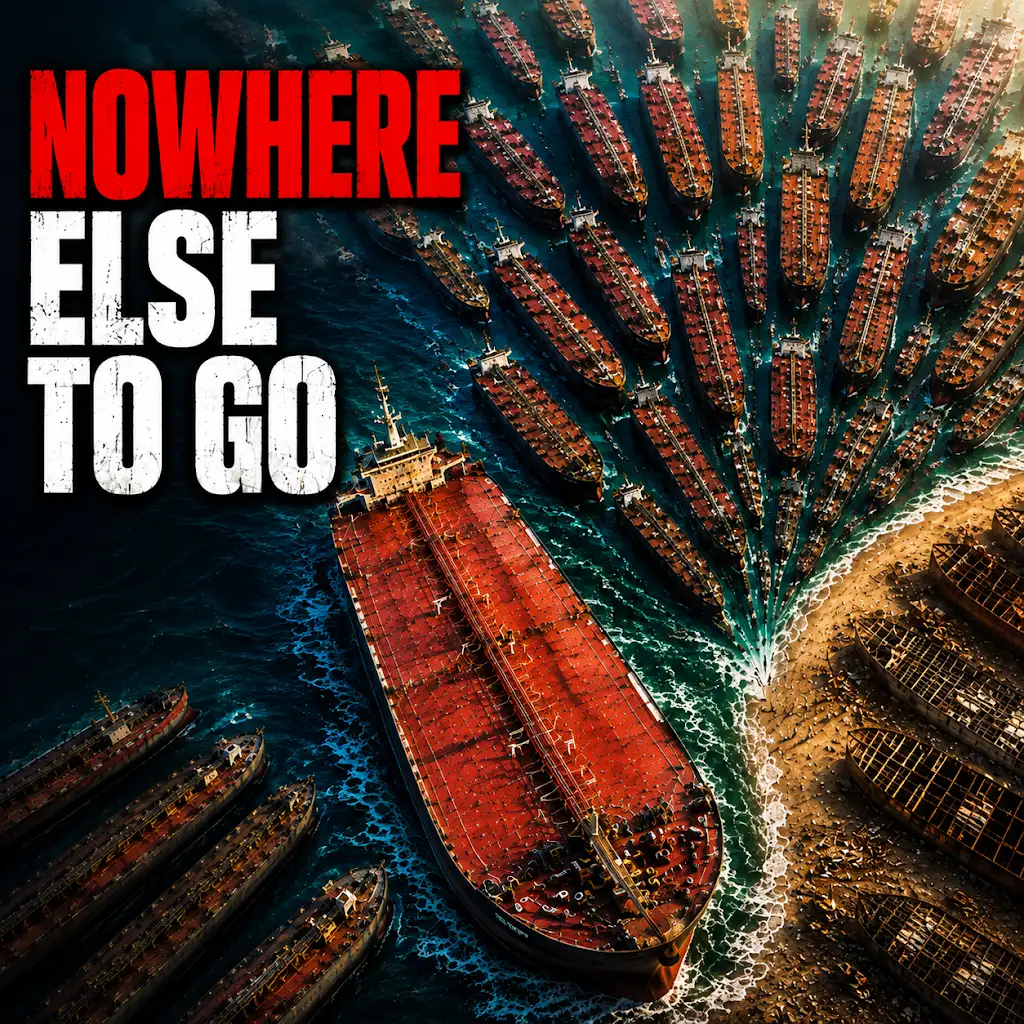
The Beaches Global Trade Can’t Afford to Lose
FAQs
1. What happens to old cargo ships at the end of their lifespan?
Old cargo ships are often sent to shipbreaking yards, where they are dismantled and their materials are recycled or sold for scrap.
2. Where are these shipbreaking yards located?
Shipbreaking yards are commonly found in countries such as India, Bangladesh, Pakistan, and China, where labor and environmental regulations may be less stringent.
3. What is the process of shipbreaking?
Shipbreaking involves the dismantling of the ship, including the removal of hazardous materials such as asbestos and lead, as well as the recycling of steel and other materials.
4. What are the environmental and safety concerns associated with shipbreaking?
Shipbreaking can pose significant environmental and safety risks, including the release of hazardous materials into the environment and unsafe working conditions for laborers.
5. Are there any regulations or initiatives aimed at improving the shipbreaking process?
Several international organizations, such as the International Maritime Organization (IMO) and the Basel Convention, have developed guidelines and regulations to improve the safety and environmental impact of shipbreaking. Additionally, there are initiatives aimed at promoting sustainable ship recycling practices.