The Graveyards of Merchant Ships
The silent giants of commerce, once proud vessels navigating the globe, now rest in watery repose. These are the graveyards of merchant ships, testament to the relentless march of time, the brutal realities of maritime industry, and the ever-present forces of nature. They lie scattered across the world’s oceans and coastlines, from the shallow bays of forgotten ports to the unfathomable depths of the abyssal plains. Each wreck tells a story, a silent chronicle of voyages completed and voyages tragically cut short. These submerged metropolises of steel and rust are more than just marine debris; they are historical markers, ecological havens, and enduring symbols of human endeavor and its ultimate surrender to the vastness of the sea.
The lifecycle of a merchant ship rarely culminates in a dramatic sinking. For the vast majority, their final voyage leads not to the mythical Davy Jones’ Locker, but to designated shipbreaking yards, often found in developing nations where labor is cheap and environmental regulations are, historically, lax. These locations, while not the romantic wrecks of popular imagination, are nonetheless the ultimate resting places for these leviathans of industry. They represent a functional, albeit often brutal, end, a process of dissection and recycling that allows for the rebirth of materials into new products, perpetuating the cycle of consumption.
The Global Landscape of Shipbreaking
The map of shipbreaking is a stark reflection of global economic disparities. Historically, developed nations like the United States and European countries would handle their own shipbreaking, but as labor costs rose and environmental concerns intensified, the industry shifted. Today, countries like India, Bangladesh, Pakistan, China, and Turkey dominate the global shipbreaking scene. These regions, with their vast coastlines and available workforce, have become the primary destinations for aging tonnage.
Alang, India: A Monument to Maritime Decommissioning
Perhaps the most infamous shipbreaking yard is Alang in Gujarat, India. At its peak, Alang was a sprawling, chaotic testament to the sheer volume of ships being retired. Thousands of laborers, often working in perilous conditions with minimal safety equipment, would manually dismantle these colossal vessels. The process was both awe-inspiring and disturbing, with ships beached at high tide and then systematically cut apart piece by piece as the tide receded. While efforts have been made to improve safety and environmental standards in recent years, the legacy of Alang is one of immense scale and stark labor realities.
Chittagong, Bangladesh: The Scars of the Sea
Chittagong, Bangladesh, presents a similar, albeit often more visually dramatic, picture. Ships are often beached and then dismantled in situ, creating a landscape of beached hulks that stretch for miles along the coast. The images from Chittagong are often stark, showcasing the raw scale of shipbreaking and the often challenging working conditions. The sheer volume of metal removed and repurposed from these yards is staggering, fueling industries and providing livelihoods for countless individuals.
The Environmental and Human Cost
The allure of cheap labor and readily available materials comes at a significant cost. Shipbreaking yards, particularly in the past, have been associated with severe environmental pollution. The dismantling process releases hazardous materials such as asbestos, lead paint, PCBs, and residual fuel oil into the surrounding environment, contaminating soil, water, and air. The health of the workers is also a major concern, with high rates of injury and occupational diseases reported due to exposure to toxic substances and dangerous working practices. International pressure and organizations like the Basel Action Network have worked to highlight these issues and advocate for cleaner, safer practices, leading to some improvements in regulated yards.
The Legacy of Hazardous Materials
The sheer quantity of hazardous materials contained within a large merchant ship is immense. Asbestos, once widely used for its fire-resistant properties, is a particular concern, posing significant health risks when disturbed. Lead-based paints, common on ship hulls for corrosion protection, also release toxic fumes and dust during the dismantling process. Furthermore, residual fuels and lubricants can leak into the surrounding environment, posing a threat to marine life and coastal ecosystems.
Merchant ships often find their final resting places in places known as shipbreaking yards, where they are dismantled and recycled. A related article that delves deeper into this topic is available at My Geo Quest, which explores the environmental and economic implications of shipbreaking practices around the world.
Sunken Sentinels: The Romance and Reality of Shipwrecks
While shipbreaking yards represent a planned end, shipwrecks are often the dramatic, unplanned finales that capture the public imagination. These submerged graveyards are scattered across the globe, ranging from the shallow, accessible wrecks that attract divers and marine biologists to the deep-sea enigmas that remain largely undisturbed. Each wreck is a frozen moment in time, a poignant reminder of the power of the sea and the vulnerability of human enterprise.
The Triangle of Tragedy and the Shallow Graves
The most notorious graveyard for merchant ships is undoubtedly the Bermuda Triangle. While many of the disappearances remain unexplained, a significant number are attributed to the treacherous combination of strong currents, unpredictable weather, and the presence of submerged reefs. Ships that fall victim to these conditions often sink rapidly, leaving little trace. The shallow waters within this region, while posing navigational hazards, can also preserve wrecks remarkably well, making them popular sites for exploration and archaeological study.
SS El Faro: A Modern Maritime Tragedy
The sinking of the SS El Faro in 2015, a modern cargo ship caught in Hurricane Joaquin, serves as a stark reminder that even with advanced technology, the sea can still claim its toll. The vessel, carrying 33 souls, tragically succumbed to the storm’s fury off the coast of the Bahamas. The wreck, located at a depth of over 15,000 feet, remains a somber testament to the unforgiving nature of hurricanes and the inherent risks of maritime transport.
The Deep-Sea Archives: Unseen and Undisturbed
Beyond the shallow waters lie the true deep-sea graveyards. Here, the immense pressure and the absence of light and oxygen create conditions that can preserve wrecks for centuries, if not millennia. These are the silent archives of maritime history, holding secrets of trade routes, naval battles, and lost civilizations. While largely inaccessible to the public, these wrecks are invaluable to marine archaeologists and scientists, offering unique insights into past maritime practices and the evolution of shipbuilding.
The Titanic: An Icon of the Deep
Perhaps the most famous shipwreck in history, the RMS Titanic, rests in the frigid depths of the North Atlantic. Its sinking in 1912, after striking an iceberg, claimed over 1,500 lives and became a cultural touchstone. The discovery of the Titanic’s wreck in 1985 opened a new chapter in our understanding of the disaster, revealing the haunting beauty of the submerged liner and the delicate ecosystem that has since claimed it as its own.
The Antikythera Mechanism: A Glimpse into Ancient Technology
While not a merchant ship in the modern sense, the wreck discovered off the coast of Antikythera, Greece, in 1900, yielded an artifact that revolutionized our understanding of ancient technology: the Antikythera Mechanism. This complex astronomical calculator, dating back to the 2nd century BCE, hints at the sophisticated maritime trade and intellectual pursuits of the ancient world. The wreck itself, though largely depleted by centuries of decay, likely held many other treasures and insights into ancient seafaring.
Evolving Ecosystems: Life Among the Derelicts
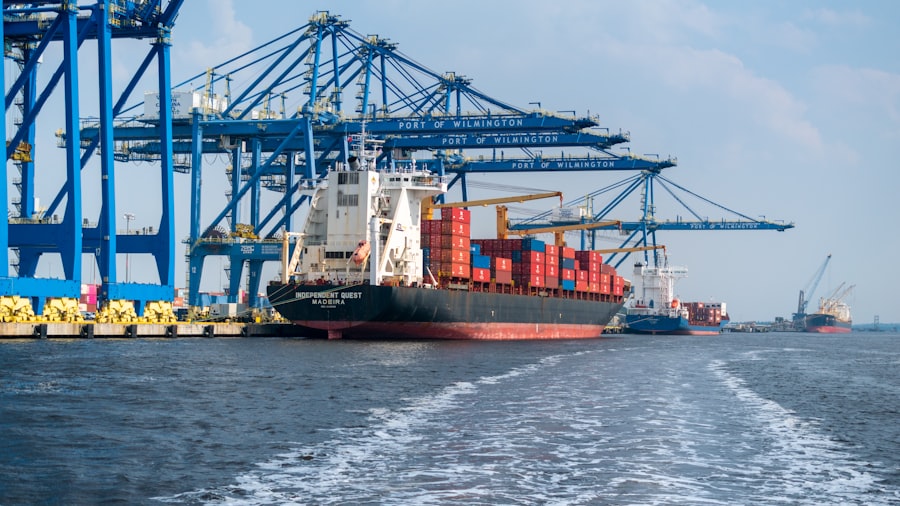
The graveyards of merchant ships are far from barren wastelands. Over time, these submerged structures transform into thriving artificial reefs, becoming vibrant hubs of marine life. The steel hulks provide shelter, structure, and a substrate for a diverse array of organisms, creating miniature ecosystems that mirror and often augment natural reef environments.
The Colonization of Corrosion
The process of colonization begins almost immediately after a ship sinks. Microscopic organisms, such as bacteria and algae, are the first to attach themselves to the submerged surfaces. This initial layer of biofilm provides a food source and a habitat for larger invertebrates.
Barnacles, Mussels, and Anemones: The Pioneers of the Wreck
Barnacles, mussels, sea squirts, and anemones are among the earliest and most prolific colonizers of shipwrecks. Their hard shells and sessile lifestyles make them well-suited to attaching to the metal surfaces. They form a living carpet that gradually covers the once-pristine steel.
A Haven for Marine Biodiversity
As the initial colonizers establish themselves, they attract a host of other marine creatures. The nooks and crannies of the wreck become ideal hiding places for fish, crustaceans, and cephalopods, offering protection from predators and opportunities for foraging.
Fish Congregations and Invertebrate Communities
The structural complexity of a shipwreck creates diverse microhabitats. Different species of fish, from small reef dwellers to larger pelagics seeking shelter, are drawn to these underwater cities. The invertebrates, in turn, support a food web that extends to larger predators. Crabs, lobsters, and octopuses find ample shelter and hunting grounds within the decaying structures.
The Impact on Local Fisheries and Tourism
Shipwrecks can have a significant positive impact on local marine ecosystems and, consequently, on local economies. They can act as nurseries for juvenile fish, contributing to the replenishment of fish stocks in the surrounding areas. Furthermore, the allure of diving on shipwrecks has become a major draw for tourism in many coastal regions, providing economic opportunities through dive operators, accommodation, and related services.
Maritime Archaeology: Unlocking the Past Beneath the Waves
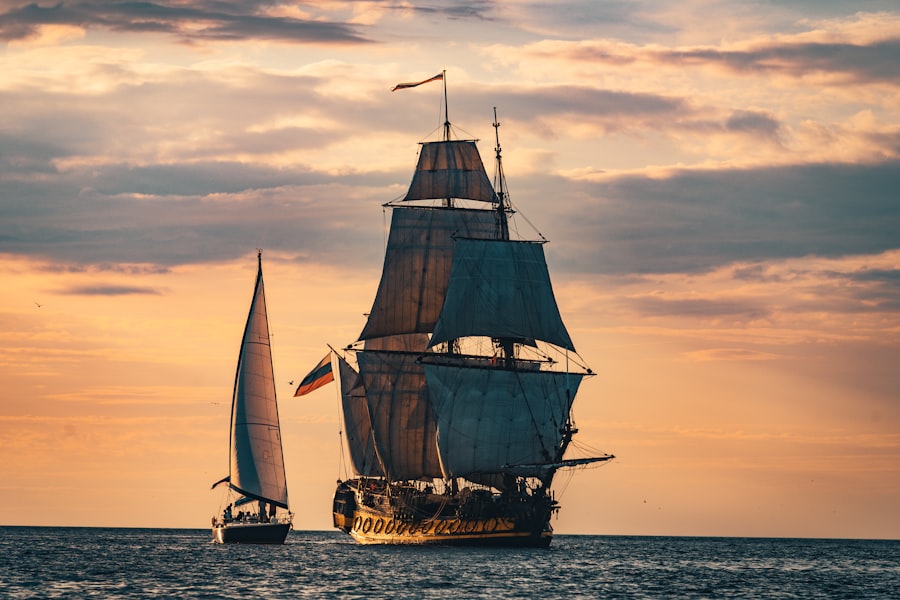
Shipwrecks are invaluable time capsules, offering a unique window into the past. Maritime archaeology seeks to recover, preserve, and interpret the material evidence of human interaction with the sea, and shipwrecks are a primary focus of this discipline.
The Art of Submerged Excavation
Exploring and excavating shipwrecks is a highly specialized field. Archaeologists must contend with the challenges of working underwater, including limited visibility, currents, and the need for specialized equipment. The process is painstaking, requiring meticulous documentation and careful recovery of artifacts.
Surveying and Mapping the Site
Before any excavation begins, the wreck site is thoroughly surveyed and mapped. Techniques such as sonar, magnetometers, and remotely operated vehicles (ROVs) are used to identify the extent of the wreck and its surrounding debris field. This detailed mapping provides a crucial understanding of the site’s context.
Artifact Recovery and Conservation
Artifacts recovered from shipwrecks range from personal belongings and cargo to ship components and weaponry. Each item provides clues about the lives of those who sailed on the vessel, its purpose, and the circumstances of its demise. The delicate process of conservation is crucial to preserve these fragile objects once they are brought to the surface.
The Stories They Tell: Beyond the Metal and Wood
The stories that shipwrecks reveal are multifaceted. They speak of trade routes and economic systems, of technological advancements and the limitations of human engineering, of seafaring life and the human cost of maritime endeavors.
Chronicles of Trade and Commerce
Many merchant shipwrecks are literal storehouses of information about historical trade. The cargo they carried, from spices and textiles to raw materials and manufactured goods, provides direct evidence of economic networks and the flow of goods across continents and oceans. The type and quantity of goods can offer insights into the demand and supply of different commodities in various historical periods.
Glimpses into Seafaring Life
Personal artifacts, such as tools, coins, clothing fragments, and even written documents, offer intimate glimpses into the daily lives of sailors and passengers. These items humanize the wrecks, transforming them from mere metal hulks into resting places of individuals with hopes, dreams, and routines. Diaries and logbooks, if preserved, can provide firsthand accounts of voyages and the events leading to the wreck.
Merchant ships often find their final resting places in places known as shipbreaking yards, where they are dismantled and recycled. A fascinating exploration of these locations can be found in an article that delves into the history and environmental impact of shipbreaking practices. For more insights on this topic, you can read the article here, which highlights the journey of these vessels from active duty to their eventual demise.
The Future of the Graveyards: Preservation, Exploration, and Reckoning
| Location | Number of Ships | Year |
|---|---|---|
| Alang, India | 275 | 2020 |
| Chittagong, Bangladesh | 200 | 2020 |
| Gadani, Pakistan | 150 | 2020 |
| Aliaga, Turkey | 100 | 2020 |
The graveyards of merchant ships are not static. They are constantly evolving, both in their physical state and in how humanity interacts with them. The future holds challenges and opportunities, from the continued need for responsible shipbreaking to the ongoing pursuit of knowledge through maritime archaeology.
Balancing Progress and Preservation
As the global maritime industry continues to evolve, so too does the number of ships reaching the end of their operational lives. The challenge lies in ensuring that decommissioning processes are as environmentally sound and humanly ethical as possible. The push for greener shipbreaking practices and the development of more sustainable recycling methods will be crucial.
The Rise of Scrubber Technology and Cleaner Fuels
The ongoing development and adoption of cleaner technologies in shipping, such as exhaust gas cleaning systems (scrubbers) and alternative fuels, will hopefully reduce the environmental impact of ships even before they reach their end-of-life. This proactive approach can minimize the hazardous residues that end up in shipbreaking yards.
The Enduring Allure of the Submerged Past
The fascination with shipwrecks shows no signs of waning. As technology advances, allowing for deeper and more extensive exploration, our understanding of these submerged sites will undoubtedly grow. The potential for new discoveries, both historical and biological, remains immense.
Underwater Cultural Heritage and Protection
There is a growing global recognition of the importance of underwater cultural heritage. International conventions and national legislation are being enacted to protect shipwrecks and their associated artifacts from looting and indiscriminate salvage. The goal is to ensure that these historical sites are preserved for future generations to study and appreciate.
A Final Reckoning with Our Maritime Legacy
The graveyards of merchant ships serve as a constant reminder of our reliance on the sea and the profound impact human activity has on the marine environment. They are a testament to both human ingenuity and our capacity for ecological disregard. As we continue to navigate the complexities of global trade and resource management, these silent sentinels beneath the waves offer a powerful lesson: the legacy of our actions, both on the surface and beneath it, endures long after the ships themselves have fallen silent. They are a chapter in humanity’s ongoing story, written in steel, water, and the relentless passage of time.
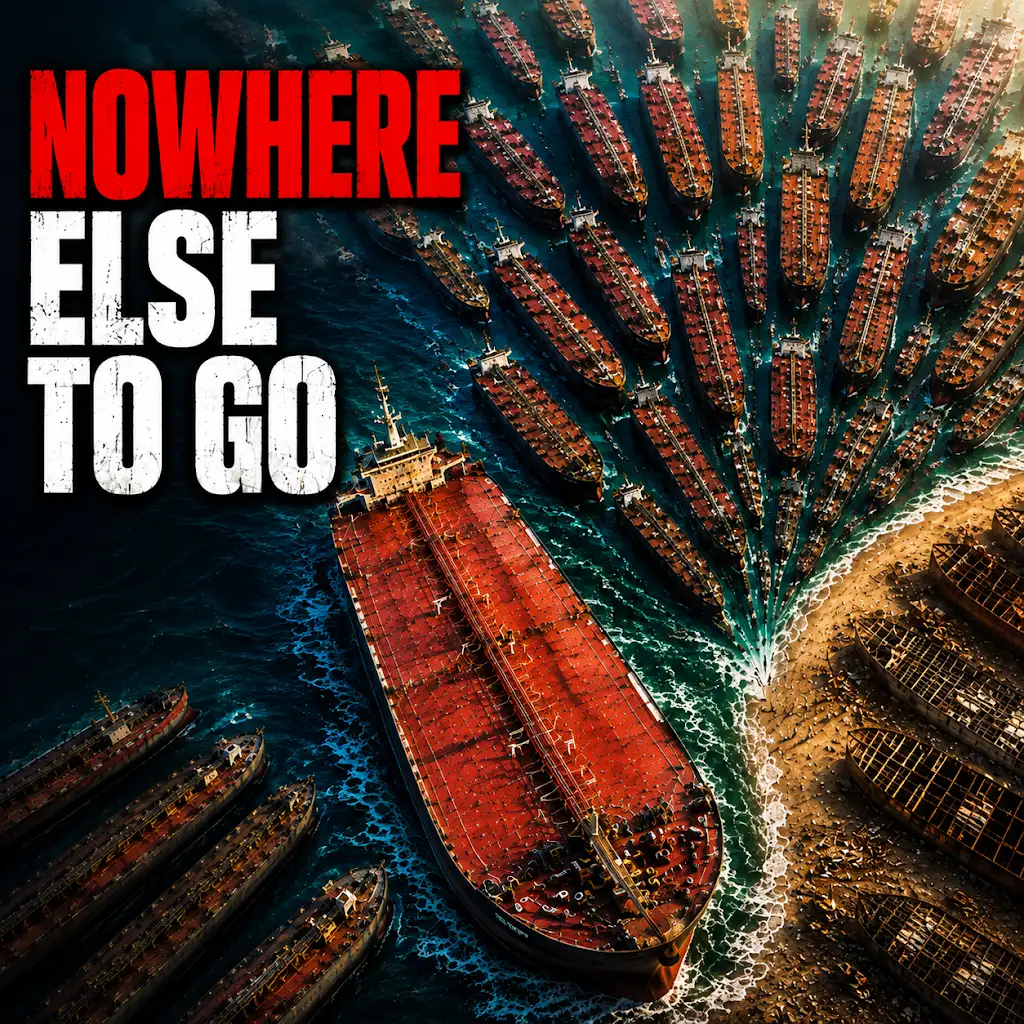
The Beaches Global Trade Can’t Afford to Lose
FAQs
What happens to merchant ships at the end of their service life?
Merchant ships are often sent to shipbreaking yards, where they are dismantled and their materials are recycled or sold for scrap.
Where are the most common locations for shipbreaking yards?
The most common locations for shipbreaking yards are in South Asia, particularly in countries such as India, Bangladesh, and Pakistan.
What are the environmental and safety concerns associated with shipbreaking yards?
Shipbreaking yards are often associated with environmental pollution and safety hazards for workers due to the handling of hazardous materials and the lack of proper safety regulations.
What are the economic reasons for sending merchant ships to shipbreaking yards?
Shipbreaking yards offer a cost-effective way to dispose of old ships and recover valuable materials such as steel, copper, and other metals for recycling.
Are there any regulations or international standards for shipbreaking practices?
The International Maritime Organization (IMO) has developed the Hong Kong International Convention for the Safe and Environmentally Sound Recycling of Ships, which sets out regulations and standards for shipbreaking practices. However, the convention has not yet entered into force.