
The global agricultural landscape currently faces an unprecedented challenge: a widespread fertilizer shortage. This deficiency, a critical bottleneck in the food production pipeline, threatens food security and economic stability worldwide. Understanding the intricacies of this issue requires a detailed examination of its origins and ramifications. This article delves into the diverse factors contributing to the current scarcity and explores the far-reaching consequences that reverberate across various sectors.
To fully grasp the impact of a fertilizer shortage, one must first understand the fundamental role these substances play in modern agricultural practices. Fertilizers are not merely supplements; they are the bedrock upon which high-yield farming stands, acting as the primary source of essential nutrients for plant growth.
Macronutrients: The Building Blocks of Life
Plants require a specific set of nutrients in substantial quantities for healthy development. These are categorized as macronutrients.
Nitrogen (N): The Engine of Growth
Nitrogen is paramount for plant growth, being a critical component of chlorophyll, amino acids, proteins, and nucleic acids. It drives vegetative growth, contributing to leaf and stem development. Without adequate nitrogen, plants exhibit stunted growth and pale foliage, severely impacting yield. The primary sources of agricultural nitrogen include synthetic ammonia-based fertilizers, primarily urea and ammonium nitrate.
Phosphorus (P): Energy and Development
Phosphorus is vital for energy transfer within plants, photosynthesis, respiration, and the formation of oils and starches. It plays a crucial role in root development, flowering, and fruit set. Phosphate rock, mined and processed into various forms like diammonium phosphate (DAP) and monoammonium phosphate (MAP), is the primary natural source of phosphorus.
Potassium (K): The Regulator
Potassium, often referred to as potash, is essential for water regulation, nutrient transport, and enzyme activation in plants. It enhances disease resistance, improves fruit quality, and contributes to overall crop resilience. Mined from subterranean deposits, muriate of potash (KCl) is the most common form of potassium fertilizer.
Micronutrients: The Essential Catalysts
While required in smaller quantities, micronutrients are equally indispensable for plant health, acting as catalysts for various biochemical processes. These include iron, manganese, zinc, copper, boron, and molybdenum. Deficiencies in these vital elements can lead to significant yield reductions, even when macronutrient levels are optimal.
As global agricultural practices continue to evolve, the issue of fertilizer scarcity has become increasingly pressing. A related article on this topic can be found at My Geo Quest, which explores the various factors contributing to the depletion of essential nutrients in soil and the subsequent impact on food production. This resource provides valuable insights into the challenges farmers face and the potential solutions that could help mitigate the crisis.
Unraveling the Causes of the Current Shortage
The current fertilizer shortage is not a monolithic event but rather a complex confluence of interconnected factors, each amplifying the others to create a global crisis. It is akin to a perfect storm, where separate meteorological phenomena converge to create a devastating weather event.
Geopolitical Tensions and Supply Chain Disruptions
The intricate web of global trade and resource distribution is highly susceptible to geopolitical instability. Recent events have demonstrably illustrated this vulnerability.
The Russia-Ukraine Conflict: A Seismic Shift
The conflict between Russia and Ukraine has had an unparalleled impact on the global fertilizer market. Russia is a major global supplier of all three primary macronutrients: nitrogen, phosphorus, and potassium. In 2021, Russia accounted for approximately 15% of the world’s nitrogen fertilizer exports, 17% of potash exports, and a significant share of phosphate. Ukraine, while not a major fertilizer exporter, is a vital producer of grains, and the disruption to its agricultural output has indirect consequences for global food security, increasing the demand for fertilizers elsewhere to compensate for potential shortfalls.
Sanctions imposed on Russia, while often not directly targeting fertilizers, have created significant hurdles for exports. Difficulties in financing, shipping, and insurance have effectively curtailed Russian fertilizer going to many international markets. This reduction in available supply has directly driven up prices globally.
Energy Market Volatility: The Carbon Footprint of Fertilizers
The production of nitrogen fertilizers is an energy-intensive process, primarily relying on natural gas as a feedstock. The Haber-Bosch process, which synthesizes ammonia from nitrogen and hydrogen, consumes vast amounts of natural gas. Consequently, fluctuations in natural gas prices directly translate into volatile fertilizer production costs.
The surge in natural gas prices, particularly in Europe, predates the Russia-Ukraine conflict but has been exacerbated by it. Several European fertilizer plants have curtailed or ceased production due to prohibitively high energy costs, further reducing global supply and increasing reliance on imports. This illustrates a critical vulnerability: the energy transition, while necessary, must also consider the immediate energy requirements of key industries.
Trade Policies and Export Restrictions
National governments, facing domestic supply concerns or seeking to stabilize local markets, have implemented various trade policies that inadvertently contribute to the global shortage.
Export Bans and Duties: A Ripple Effect
Several major fertilizer-producing nations, including China, have at various times imposed export bans or stricter duties on fertilizer products. China, a significant global supplier of urea and phosphates, implemented export curbs in 2021 and 2022 to ensure domestic food security and dampen inflation. While understandable from a national perspective, such measures inevitably reduce the global supply, pushing prices higher for importing nations. This creates a domino effect: one country’s attempt to secure its own supply often destabilizes another’s.
Protective Tariffs and Anti-Dumping Measures
Even before recent crises, some countries had implemented protective tariffs or anti-dumping duties on fertilizer imports to protect domestic industries. While intended to foster local production, these measures can limit the availability of cheaper imports, leading to higher costs for farmers. Such policies, while driven by national economic interests, can contribute to regional supply imbalances.
Extreme Weather Events and Climate Change
The increasingly frequent and intense extreme weather events, often attributed to climate change, also play a role in tightening fertilizer supplies.
Production Disruptions: Factories Under Siege
Factories producing fertilizers are not immune to the destructive power of nature. Hurricanes, floods, and droughts can disrupt mining operations, damage manufacturing facilities, and impede transportation networks. For example, hurricane-related disruptions in the Gulf of Mexico, a key region for fertilizer production and shipping, have periodically caused localized and even regional supply issues.
Agricultural Demand Fluctuations: Feast or Famine
Extreme weather events directly impact agricultural yields. Droughts or floods in major agricultural regions can lead to reduced harvests, potentially increasing the demand for fertilizers in other regions to compensate for the lost production. Conversely, overly wet conditions can prevent farmers from applying fertilizers at optimal times, leading to reduced efficacy and potential waste. This fluctuation in demand, coupled with production disruptions, creates a volatile market.
The Far-Reaching Consequences: From Farm to Table
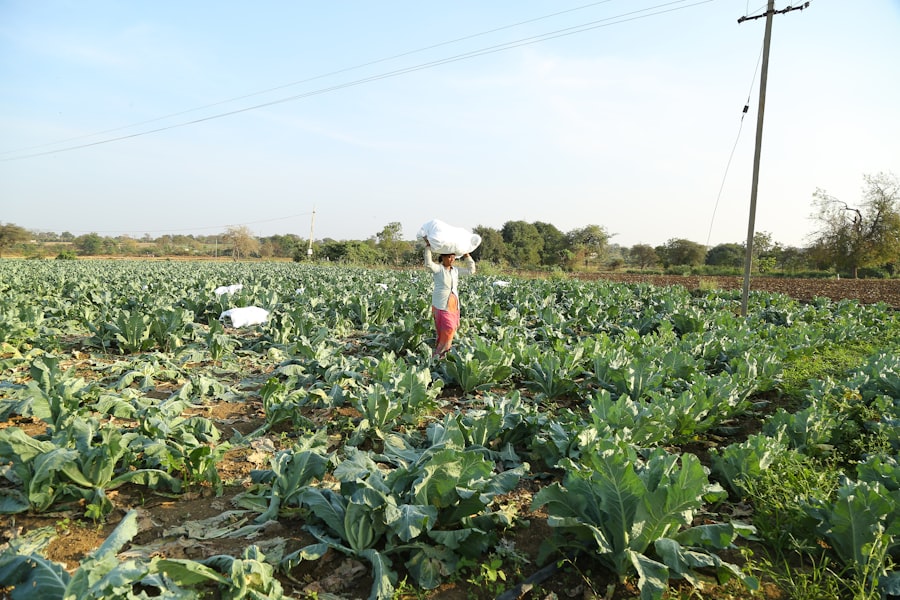
The ramifications of a prolonged global fertilizer shortage are profound and multifaceted, extending beyond the immediate agricultural sector to impact global economics, food security, and social stability. It’s akin to a foundational crack in a building; while initially small, its implications can eventually undermine the entire structure.
Rising Food Prices and Food Insecurity
Perhaps the most direct and alarming consequence is the upward pressure on food prices and the exacerbation of food insecurity, particularly in vulnerable nations.
Reduced Agricultural Yields: The Silent Threat
With less fertilizer available or at prohibitively high prices, farmers are forced to reduce application rates. This directly translates to lower crop yields. For example, a significant reduction in nitrogen application can drastically diminish grain harvests, while phosphorus and potassium deficiencies impact root development and overall plant resilience. Lower yields mean less food available in the market.
Increased Production Costs: The Farmer’s Burden
The soaring cost of fertilizers dramatically increases the overall cost of agricultural production. Farmers face a difficult choice: either absorb these higher costs, passing them on to consumers, or reduce their input, which risks lower yields and profitability. For many smallholder farmers in developing countries, these choices are stark; they may be forced to switch to less profitable crops or even abandon farming altogether.
Impact on Developing Nations: A Crisis Multiplier
Developing nations, which often rely heavily on food imports and have less robust agricultural infrastructure, are particularly vulnerable. Higher food prices disproportionately affect poorer populations, for whom food constitutes a larger percentage of their household income. This can lead to increased malnutrition, particularly among children, and potentially spark social unrest. The current fertilizer crisis compounds existing challenges posed by poverty, conflict, and climate change, acting as a crisis multiplier.
Economic Instability and Inflationary Pressures
The ripple effects of the fertilizer shortage permeate beyond the agricultural sector, contributing to broader economic instability and inflationary pressures.
Broader Inflationary Spiral: The Cost of Everything
Food is a fundamental component of inflation indices. Therefore, rising food prices contribute significantly to overall inflation. This broad inflationary pressure erodes purchasing power, affecting households and businesses across all sectors of the economy. Central banks may respond by raising interest rates, which can further slow economic growth and increase the cost of borrowing.
Diminished Export Revenues for Agricultural Producers
Countries that are major agricultural exporters may see their export revenues diminish if they produce less food due to fertilizer shortages. This can negatively impact their trade balances and currency stability. Conversely, food-importing nations face larger import bills, straining their foreign exchange reserves.
Investment Discouragement in Agriculture
The increased risks and uncertainties associated with fertilizer supply and pricing may discourage investment in the agricultural sector. This could stifle innovation, slow the adoption of more efficient farming practices, and hinder long-term agricultural growth, perpetuating a cycle of vulnerability.
Environmental Repercussions and Sustainable Practices
While the immediate concern is supply, the shortage also brings into sharp focus the environmental consequences of current fertilizer use and the imperative for more sustainable practices.
Nitrogen Runoff and Eutrophication: A Persistent Problem
Even with reduced fertilizer application, historical over-reliance on synthetic nitrogen has led to significant environmental problems, such as nitrogen runoff into waterways, contributing to eutrophication and the creation of “dead zones.” The current crisis, by forcing a re-evaluation of fertilizer use, might paradoxically accelerate the adoption of practices that mitigate these environmental harms, though this is a long-term prospect.
Soil Health Degradation: A Silent Crisis
The long-term health of agricultural soils is paramount for sustained food production. Over-reliance on synthetic fertilizers without adequate attention to soil organic matter can degrade soil structure and microbial diversity. A shortage, while initially detrimental to yields, could theoretically spur a greater focus on soil health initiatives, such as cover cropping, crop rotation, and the use of organic amendments, which improve nutrient cycling and reduce the necessity for synthetic inputs.
The Push for Sustainable Farming: An Opportunity in Adversity
The crisis underscores the urgent need for more sustainable and resilient food systems. It provides an impetus for research and development into alternative nutrient sources, such as bio-based fertilizers, precision agriculture technologies, and improved nutrient use efficiency. Precision agriculture, for instance, utilizes technology to apply fertilizers only where and when needed, minimizing waste and maximizing efficacy. While these solutions require significant investment and time, the current crisis highlights their long-term importance.
Navigating the Path Forward: Solutions and Adaptation

Addressing the global fertilizer shortage requires a multi-pronged approach, integrating both immediate relief efforts and long-term strategic changes. There are no instant remedies, but considered action can mitigate the worst effects and build greater resilience.
Short-Term Interventions and International Cooperation
Immediate actions focus on stabilizing markets and ensuring critical supplies reach farmers.
Diplomacy and Trade Facilitation: Opening Channels
International cooperation is crucial to navigate geopolitical complexities. Diplomatic efforts to exempt fertilizers from sanctions, or to establish clear payment and shipping channels for fertilizer from key producers like Russia, are vital. Facilitating trade, even amidst conflict, for essential goods like food and fertilizers is a humanitarian imperative.
Emergency Stockpiles and Aid Programs: Bridging the Gap
Some nations or international organizations may consider establishing emergency fertilizer stockpiles, particularly for vulnerable regions, to cushion against future supply shocks. Targeted aid programs for developing countries to procure fertilizers, or to provide financial assistance to farmers, are also essential to prevent widespread food crises.
Long-Term Strategies for Resilience
Sustainable solutions require fundamental shifts in agricultural practices and investment in new technologies.
Investment in Domestic Production: Reducing Dependency
Nations highly dependent on fertilizer imports may seek to bolster domestic production capacity, particularly for nitrogen fertilizers where natural gas supplies are available. This diversification of sourcing can reduce vulnerability to global supply chain disruptions and geopolitical events.
Precision Agriculture and Nutrient Use Efficiency: Smarter Farming
Precision agriculture technologies, such as satellite imagery, drones, and soil sensors, allow for more precise application of fertilizers, minimizing waste and maximizing efficacy. Investing in research and extension services to promote these practices can significantly improve nutrient use efficiency, meaning more food is produced with less fertilizer.
Sustainable Soil Management Practices: Nurturing the Earth
Promoting practices that improve soil health, such as crop rotation, cover cropping, minimum tillage, and the use of organic fertilizers (compost, manure), can enhance nutrient cycling, reduce reliance on synthetic inputs, and improve soil’s ability to retain nutrients. This cultivates a more robust and self-sustaining agricultural ecosystem.
Research and Development of Alternative Fertilizers: Innovation for the Future
Investing in research and development for novel fertilizer technologies is paramount. This includes exploring bio-based fertilizers, enhanced efficiency fertilizers (which release nutrients slowly over time), and innovative methods for nutrient recovery from waste streams. The development of crops with improved nutrient uptake efficiency also holds promise.
As global agricultural demands continue to rise, the alarming reality is that the world is running out of fertilizer, which is essential for sustaining crop yields. This situation is exacerbated by factors such as supply chain disruptions and environmental regulations that limit production. For a deeper understanding of the implications of this crisis, you can read a related article that explores the potential consequences for food security and farming practices. The article can be found here, providing insights into how this issue could affect economies and communities worldwide.
Conclusion
| Factor | Description | Impact on Fertilizer Supply | Relevant Data / Metrics |
|---|---|---|---|
| Raw Material Scarcity | Limited availability of key raw materials like phosphate rock and potash | Reduces production capacity of fertilizers | Global phosphate reserves estimated to last 50-100 years; potash reserves concentrated in few countries |
| Energy Costs | Fertilizer production is energy-intensive, relying heavily on natural gas | High energy prices increase production costs and reduce output | Natural gas accounts for up to 70% of nitrogen fertilizer production cost |
| Geopolitical Issues | Export restrictions, trade wars, and conflicts disrupt supply chains | Limits fertilizer availability in importing countries | Russia and Belarus supply over 40% of global potash; sanctions impact exports |
| Environmental Regulations | Stricter rules on mining and emissions affect fertilizer production | Increases production costs and limits expansion of facilities | EU regulations reduce allowable emissions from fertilizer plants by 30% |
| Increased Demand | Growing global population and food demand require more fertilizer | Strains existing supply and production capacity | Global fertilizer consumption increased by 3% annually over last decade |
| Supply Chain Disruptions | Logistics issues, labor shortages, and pandemic effects | Delays and shortages in fertilizer delivery | Shipping costs increased by 200% in recent years; port congestions reported worldwide |
The global fertilizer shortage represents a formidable challenge that weaves together geopolitical tensions, economic vulnerabilities, and environmental concerns. It serves as a stark reminder of the interconnectedness of our global food system and its fragility in the face of unforeseen disruptions. While the immediate consequences — rising food prices and increasing food insecurity — are dire, the crisis also presents an opportunity. It forces an urgent re-evaluation of current agricultural practices and compels a shift towards more resilient, sustainable, and equitable food systems. Navigating this complex landscape will require sustained international cooperation, strategic investments, and a collective commitment to fostering a world where food security is not a luxury, but a fundamental right for all. The seeds of change, though sown in adversity, hold the promise of a more bountiful and stable future.
FAQs
1. Why is the world facing a shortage of fertilizer?
The world is running out of fertilizer primarily due to the depletion of key raw materials like phosphate rock and potash, increased global demand for food production, supply chain disruptions, and rising production costs. Environmental regulations and geopolitical tensions also contribute to limited fertilizer availability.
2. What are the main raw materials used in fertilizer production?
The main raw materials for fertilizer production are phosphate rock, potash (potassium salts), and nitrogen, which is often derived from natural gas. These materials are essential for producing the three primary nutrients in fertilizers: phosphorus, potassium, and nitrogen.
3. How does fertilizer shortage impact global food security?
A shortage of fertilizer can lead to reduced crop yields and lower agricultural productivity, which in turn threatens global food security. Without adequate fertilizer, farmers may struggle to grow enough food to meet the demands of a growing population, potentially leading to higher food prices and increased hunger.
4. Are there any environmental concerns related to fertilizer production and use?
Yes, fertilizer production and use have several environmental impacts. The extraction of raw materials can cause habitat destruction and pollution, while excessive fertilizer use can lead to nutrient runoff, water pollution, and greenhouse gas emissions. Sustainable practices are needed to minimize these effects.
5. What solutions exist to address the fertilizer shortage?
Solutions include improving fertilizer efficiency through precision agriculture, developing alternative nutrient sources such as organic fertilizers, recycling nutrients from waste, investing in new mining technologies, and promoting policies that support sustainable fertilizer production and use.