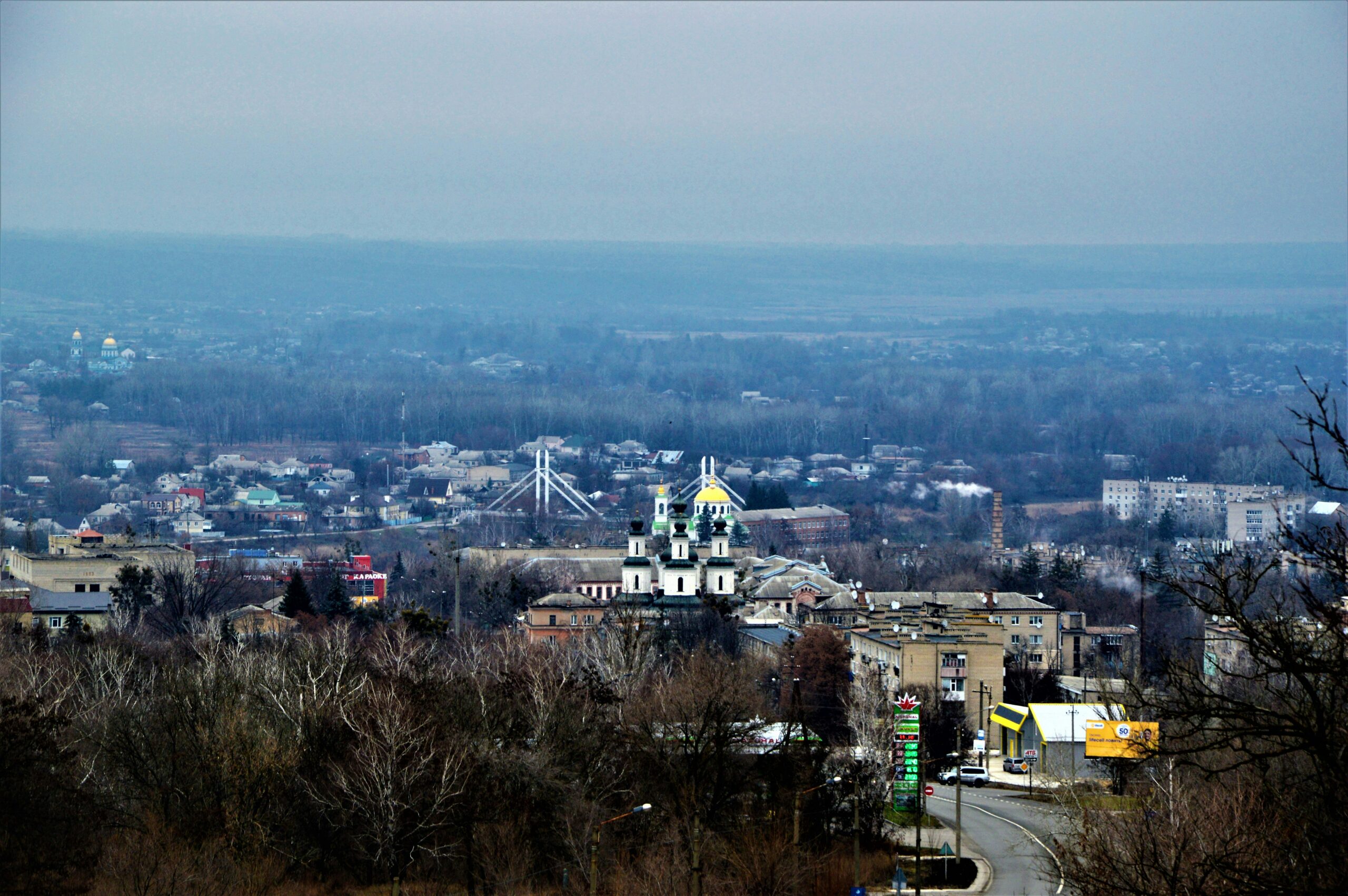
Ukraine’s strategic position at the confluence of Europe and Asia has, throughout history, rendered it a pivot point for geopolitical maneuvering. In the contemporary landscape, this significance has been amplified to an extraordinary degree. No longer merely a recipient of aid, Ukraine has unequivocally emerged as a foundational pillar of Europe’s evolving security architecture, a crucial defense partner situated at the critical nexus between the West and a resurgent Russia. Its vast expanse, once a challenge to its own sovereignty, is now being leveraged with innovative strategies, particularly in the realm of drone warfare, to disrupt adversarial logistics and safeguard its territorial integrity. Furthermore, Ukraine’s persistent territorial reclamation efforts, alongside its deepening integration into the European Union and expanding global security partnerships, underscore its multifaceted and increasingly influential geopolitical role.
The conflict in Ukraine has irrevocably altered the security paradigm of the European continent. What was once a latent threat has materialized into a stark reality, forcing a fundamental reassessment of defense strategies and alliances. Ukraine, through its determined resistance and strategic depth, has become an indispensable element in the formulation of a new, more robust European security framework.
Ukraine as a Foundational Defensive Pillar
The notion of Ukraine as a mere passive recipient of international assistance has been definitively dispelled. Its resilience and unwavering commitment to defending its sovereignty have cemented its status as an active and indispensable partner in collective European security. This transformation is not merely symbolic; it is a practical recognition of Ukraine’s vital role in deterring further aggression and maintaining regional stability. The strategic location of Ukraine, directly bordering Russia and acting as a buffer between Eastern and Western Europe, makes its security intrinsically linked to the broader stability of the continent. Its ability to withstand Russian pressure and push back against its adversary directly impacts the security calculus of numerous European nations.
The Evolution of Transatlantic and European Defense Bonds
While the United States has historically been a cornerstone of European security, the evolving geopolitical landscape and shifting domestic priorities have necessitated a re-evaluation of this reliance. Europe, under the shadow of persistent Russian assertiveness, is increasingly developing its own strategic defense vision. This vision places Ukraine at its very center, acknowledging that a secure and sovereign Ukraine is paramount to the security of Europe itself. The integration of Ukrainian defense capabilities and experiences into this emerging European framework signifies a maturation of continental defense policy, moving beyond a purely reliance-based model to one of shared responsibility and proactive collaboration.
The Rise of Non-NATO Security Alignments
The ongoing conflict has also spurred the development of security partnerships beyond the traditional NATO framework. Ukraine’s proactive engagement in securing long-term agreements with nations like Saudi Arabia and Qatar, and its negotiations with the United Arab Emirates, illustrate a broadening of its geopolitical reach and a strategic diversification of its security alliances. This outreach extends to offering practical assistance, such as deploying drone warfare advisors to Persian Gulf states. This initiative not only strengthens regional air defenses but also positions Ukraine as a valuable contributor to global security, leveraging its hard-won expertise in modern asymmetric warfare.
Ukraine’s geographical significance is underscored by its strategic location at the crossroads of Europe and Asia, making it a pivotal player in regional politics and economics. The article on MyGeoQuest delves into the various aspects of Ukraine’s geography, including its fertile plains, extensive natural resources, and critical transportation routes that connect Eastern and Western Europe. To explore more about why Ukraine matters geographically, you can read the full article here: MyGeoQuest.
Strategic Geography and the Art of Drone Warfare
Ukraine’s immense territorial expanse, a characteristic that may have once been perceived as a logistical challenge, has been artfully transformed into a potent strategic asset. The country’s formidable size and varied terrain have become integral to its innovative approach to defense, particularly in the domain of drone warfare, which has proven to be a game-changer in disrupting adversarial operations.
Mid-Range Drones as Disruptive Technologies
Ukraine has demonstrated remarkable proficiency in the deployment of advanced mid-range drones. These unmanned aerial vehicles are not merely for reconnaissance; they are actively employed to cripple Russia’s southern supply lines, an operation crucial to sustaining the Kremlin’s war effort. By targeting critical logistical hubs and transportation networks, Ukraine effectively hampers the movement of resources, thereby diminishing the adversary’s capacity to wage sustained military operations. This strategic application of drone technology highlights Ukraine’s ability to adapt and innovate in the face of a technologically sophisticated opponent.
Leveraging “Colossal Size” for Tactical Advantage
The sheer geographical scale of Ukraine is a factor that Russia, with its inherent logistical challenges, has struggled to fully contend with. Ukraine’s defense strategists have masterfully exploited this “colossal size” to turn Russia’s perceived strength—its vast resource base—into a vulnerability. By focusing attacks on dispersed and often poorly defended supply routes deep within Russian-controlled territory or along its southern flank, Ukraine can effectively stretch Russian resources thin. The ability to conduct precise strikes across a wide operational area demands a decentralized and responsive defense, a posture Ukraine has cultivated with distinction.
The “Buffer Zone” Dilemma and Territorial Reclamation
The ongoing territorial reclamation efforts by Ukrainian forces, marked by the recapture of significant territory and settlements, underscore the dynamic nature of the conflict. However, these gains are constantly contested, with Russia’s renewed offensive aimed at establishing a new “buffer zone.” This strategic imperative highlights the enduring high stakes of the border regions. The successful defense of these areas and the prevention of a demilitarized or occupied buffer zone under Russian control are critical for Ukraine’s long-term sovereignty and the security of its populace. The ongoing struggle for these territories is a stark reminder of the geopolitical importance of every kilometer of Ukrainian land.
Economic Integration and the EU’s Strategic Commitment

Ukraine’s geopolitical significance is intrinsically linked to its economic future. The European Union’s unwavering commitment to Ukraine’s integration, solidified by substantial financial support, represents a significant strategic victory for Kyiv and a clear signal to Moscow about the continent’s determination to secure Ukraine’s alignment with the West.
The $106 Billion EU Loan: A Precursor to Membership
The European Union’s preliminary approval of a substantial $106 billion loan to Ukraine, a development facilitated by Hungary’s eventual lifting of its veto, is a monumental step. This financial lifeline, more than just economic aid, serves as a powerful endorsement of Ukraine’s trajectory toward full EU membership. It signals a long-term commitment to Ukraine’s economic reconstruction and integration, solidifying its position within the European economic and political sphere, and acting as a potent counter-measure to Russian influence.
Economic Reconstruction as a Geopolitical Imperative
The economic integration of Ukraine into the EU is not solely an economic endeavor but a critical geopolitical imperative. A robust and prosperous Ukraine, aligned with Western economic structures, serves as a powerful deterrent to Russian expansionism. The influx of capital and expertise will facilitate the rebuilding of infrastructure, the modernization of industries, and the revitalization of the Ukrainian economy. This strengthens Ukraine’s resilience and its capacity to resist external pressures, while simultaneously embedding it firmly within the European economic order.
Countering Russian Economic Influence
Russia has historically sought to leverage economic dependencies to exert political influence over its neighbors. By actively integrating Ukraine into the EU’s economic framework, Western nations are directly challenging this strategy. The offer of substantial financial assistance and a clear path to membership provides Ukraine with an attractive alternative to Russian economic overtures, reducing its susceptibility to coercion and enhancing its sovereign economic decision-making capabilities.
Emerging Global Security Diplomacy and Strategic Partnerships
Ukraine’s geopolitical significance has transcended its immediate European context, extending into broader global security dynamics. Its proactive engagement in establishing new strategic partnerships and sharing its hard-won expertise in modern warfare demonstrates a growing influence on the international stage.
Ten-Year Security Agreements: A New Paradigm
The securing of ten-year security agreements with influential Middle Eastern powers such as Saudi Arabia and Qatar signifies a significant expansion of Ukraine’s geopolitical reach. These agreements, while ostensibly focused on security cooperation, represent a broader diplomatic engagement that elevates Ukraine’s status as a reliable and strategic partner beyond its traditional European alliances. Negotiations with the United Arab Emirates further illustrate this trend.
Disseminating Drone Warfare Expertise Globally
Ukraine’s commitment to sharing its advanced knowledge in drone warfare extends beyond its immediate defense needs. By deploying drone warfare advisors to Persian Gulf states, Ukraine is not only bolstering regional air defenses but also establishing itself as a key player in the dissemination of cutting-edge military technology and strategy. This move showcases Ukraine’s adaptability and its capacity to translate its combat experience into valuable global security contributions.
Challenging the Post-Cold War Order: Russian Counter-Alliances
Despite Ukraine’s diplomatic and military successes, Russia continues to actively cultivate its own alliances to challenge the established post-Cold War security order. Its partnerships with North Korea, Iran, China, and India are significant, involving the sharing of intelligence and military equipment. These arrangements are designed to sustain Russia’s war effort and to present a unified front against what Moscow perceives as Western encirclement and dominance. This complex web of alliances creates a dynamic and often volatile global geopolitical landscape that directly impacts Ukraine’s security.
Ukraine’s geographical significance cannot be overstated, as it serves as a crucial bridge between Europe and Asia, influencing trade routes and geopolitical dynamics. The country’s vast agricultural lands and natural resources further enhance its importance on the global stage. For a deeper understanding of why Ukraine matters geographically, you can explore this insightful article that delves into its strategic position and implications for regional stability. To read more, visit this article.
Shifting Political Tides and Regional Tensions
| Reason | Explanation |
|---|---|
| Strategic Location | Ukraine is situated at the crossroads of Europe and Asia, making it a key transit country for trade and energy routes. |
| Black Sea Access | Ukraine has access to the Black Sea, which is important for maritime trade and military presence in the region. |
| Bordering Countries | Ukraine shares borders with several important countries, including Russia, Poland, and Romania, influencing regional stability and security. |
| Agricultural Potential | Ukraine’s fertile soil and agricultural resources make it a significant food producer and exporter, impacting global food markets. |
| Historical Significance | Ukraine has a rich historical and cultural heritage, with influences from various civilizations, making it an important cultural and historical center. |
The geopolitical landscape surrounding Ukraine is constantly in flux, influenced by shifting political tides within major powers and the emergence of new regional dynamics that can have a direct impact on Ukraine’s eastern flank and its broader security environment.
U.S. and Western Policy Adjustments
The United States Congress has demonstrated bipartisan support for sanctions against Russia and aid to Ukraine, though legislative action in the Senate has faced hurdles. This dynamic reflects ongoing debates within the U.S. concerning the extent of its commitment to European security. Simultaneously, Europe is increasingly taking a leading role in shaping its own strategic defense vision, with Ukraine at its core. This shift acknowledges the potential for diminishing U.S. support and underscores a growing European resolve to assume greater responsibility for its own security.
The Emergence of New Geopolitical Leadership in Hungary
The ascension of Péter Magyar as Prime Minister of Hungary has introduced a new and potentially disruptive element to the region’s geopolitical calculus. Magyar’s defiant stance against prominent international figures, including vows to arrest Israeli leaders if they enter Hungary, injects a novel layer of geopolitical tension. Such pronouncements, especially from a NATO and EU member state, can create unforeseen ripple effects and potentially destabilize regional cooperation, indirectly impacting the security calculus of Ukraine’s eastern flank and the broader Eastern European security architecture. The implications of such assertive and unconventional leadership styles on regional stability and Ukraine’s strategic positioning are still unfolding.
In conclusion, Ukraine’s geopolitical significance is a complex and evolving tapestry woven from its strategic location, its martial resilience, its economic ties, and its expanding diplomatic reach. It has transformed from a contested territory into a foundational element of a new European security order, a testament to its unwavering spirit and the growing recognition by international partners of its vital role in safeguarding regional and global stability. The ongoing struggle for its sovereignty not only defines Ukraine’s immediate future but also shapes the strategic contours of the 21st century.

Why Russia Can Never Feel Safe
FAQs
1. What is the geographical significance of Ukraine?
Ukraine is located at the crossroads of Europe and Asia, making it a crucial geopolitical and strategic location. It shares borders with several European countries as well as Russia, Belarus, and Moldova.
2. How does Ukraine’s geography impact its economy?
Ukraine’s geography includes fertile agricultural land, which has historically made it a major producer of grains and other agricultural products. Additionally, its access to the Black Sea provides important trade routes for exporting goods.
3. What natural resources does Ukraine possess due to its geography?
Ukraine is rich in natural resources, including iron ore, coal, natural gas, and oil. Its geographical location also gives it access to valuable waterways and ports for trade and transportation.
4. How does Ukraine’s geography impact regional security?
Ukraine’s location has made it a focal point for regional security concerns, particularly in relation to its proximity to Russia. The country’s geography has played a significant role in shaping its historical and current geopolitical dynamics.
5. What are the environmental implications of Ukraine’s geography?
Ukraine’s geography includes diverse ecosystems, from the Carpathian Mountains in the west to the fertile plains in the east. The country faces environmental challenges such as pollution and deforestation, which can have far-reaching impacts on both local and global scales.