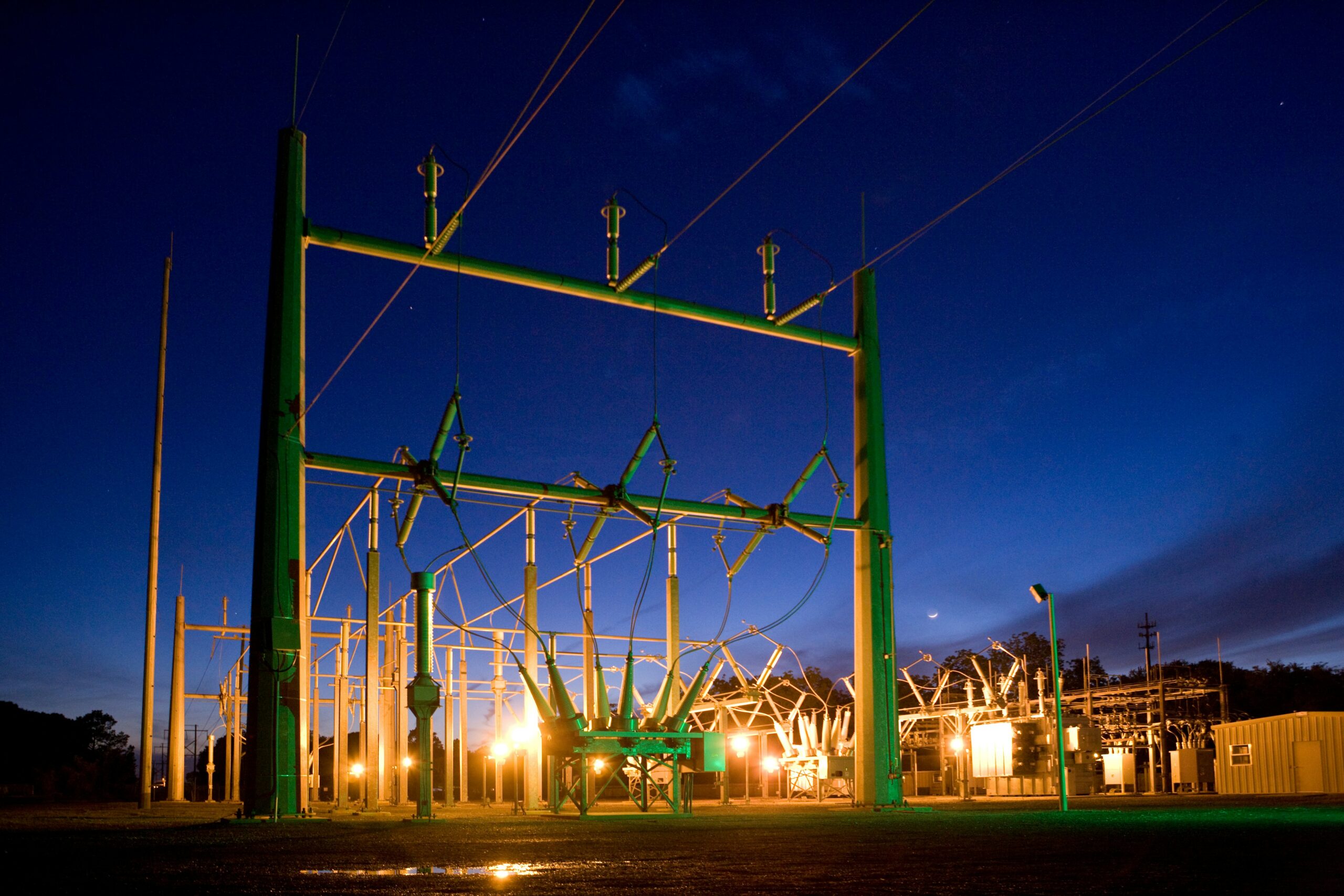
The landscape of energy infrastructure is undergoing a profound metamorphosis, driven by the dual imperatives of technological innovation and environmental sustainability. As the world grapples with the escalating demand for power and the undeniable realities of climate change, the traditional fossil fuel-centric systems are being re-envisioned, reformed, and ultimately, replaced. This ongoing transformation is not merely an incremental upgrade; it represents a fundamental paradigm shift towards a cleaner, more resilient, and intelligently managed energy future. The next few decades will be crucial in determining the trajectory of global energy, and the choices made now in infrastructure development will reverberate for generations.
The most visible and rapidly advancing frontier of energy infrastructure innovation lies in the burgeoning adoption of renewable energy sources. Solar, wind, hydro, geothermal, and biomass are no longer fringe alternatives but are increasingly becoming the bedrock of diversified energy portfolios. Their inherent sustainability, coupled with rapidly declining costs, positions them as the primary drivers of decarbonization.
Solar Power’s Ascendancy: From Rooftops to Utility-Scale Dominance
Photovoltaic (PV) technology has witnessed an astonishing rate of improvement in efficiency and a dramatic reduction in manufacturing costs. This has propelled solar power from niche applications to mainstream grid integration.
Advancements in Photovoltaic Technology
The relentless pursuit of higher power conversion efficiencies continues, with research and development yielding breakthroughs in materials science. Perovskite solar cells, for example, offer the potential for lower costs and flexible applications, while tandem solar cells, which combine different light-absorbing materials, promise to push efficiency limits further. Beyond conventional silicon, emerging technologies like organic photovoltaics (OPVs) and concentrated solar power (CSP) with thermal storage are also finding their niches, offering unique advantages for specific applications.
The Evolution of Solar Deployment Models
The deployment of solar energy is no longer confined to massive, centralized solar farms. Distributed solar, ranging from rooftop installations on residential homes and commercial buildings to community solar projects, empowers individuals and communities to generate their own clean electricity. This decentralization not only increases energy resilience but also fosters local economic development. Furthermore, integrated solar solutions, where solar panels are seamlessly incorporated into building materials like windows and facades, are poised to maximize urban energy generation potential.
Wind Energy’s Impressive Growth: Onshore and Offshore Frontiers
Wind power has also emerged as a dominant force in the renewable energy revolution, with advancements in turbine design and scale leading to significant increases in energy capture and efficiency.
Innovations in Turbine Design and Aerodynamics
Modern wind turbines are marvels of engineering, featuring larger rotor diameters, more efficient blade designs, and advanced control systems. The ongoing research focuses on optimizing aerodynamic profiles to capture more energy from lower wind speeds and developing lighter, stronger materials for turbine construction. Floating offshore wind platforms represent a particularly exciting development, unlocking vast wind resources in deeper waters previously inaccessible to fixed-bottom turbines.
The Growing Importance of Offshore Wind
Offshore wind farms, with their consistent and powerful wind resources, are becoming increasingly critical. The development of larger turbines, capable of generating more power per unit, coupled with improved installation and maintenance techniques, is driving down the levelized cost of energy (LCOE) for offshore wind, making it increasingly competitive with conventional power sources. The expansion of offshore wind capacity also necessitates the development of robust grid connections and transmission infrastructure to bring this clean energy ashore.
Hydropower’s Enduring Role and Emerging Opportunities
While large-scale hydropower projects have faced environmental scrutiny, the existing infrastructure continues to provide a significant source of clean, baseload power.
Modernizing Existing Hydropower Facilities
There is a growing focus on upgrading and modernizing existing hydropower plants to improve efficiency, enhance environmental performance, and extend their operational lifespan. This includes implementing advanced turbine technologies, optimizing water management systems, and incorporating fish-friendly designs.
The Potential of Small-Scale and Pumped Storage Hydropower
Small-scale hydropower projects, often less environmentally impactful, are gaining renewed interest. Furthermore, pumped storage hydropower, which acts as a large-scale battery by storing energy in elevated reservoirs, is proving invaluable for grid stability and integrating intermittent renewable sources.
As we look towards the future of energy infrastructure, it is essential to consider innovative solutions that can enhance sustainability and efficiency. A related article that delves into these advancements can be found at this link. This article explores emerging technologies and strategies that are shaping the energy landscape, highlighting the importance of integrating renewable sources and smart grid systems to meet the growing demand for clean energy.
Grid Modernization and Digitalization: The Intelligent Backbone of Future Energy
The transition to a renewable-dominated energy system necessitates a fundamental overhaul of our electricity grids. These grids must evolve from passive delivery networks to intelligent, dynamic systems capable of managing bi-directional power flows, variable generation, and real-time demand.
The Smart Grid Imperative: Enhancing Efficiency and Reliability
The concept of the “smart grid” encapsulates the integration of digital communication technology, advanced control systems, and data analytics into the existing electricity infrastructure. This intelligent backbone is essential for the seamless integration of distributed renewable energy sources and the management of a more complex energy landscape.
Advanced Metering Infrastructure (AMI) and Data Analytics
Smart meters, a cornerstone of the smart grid, provide granular data on energy consumption, enabling utilities to optimize grid operations, identify inefficiencies, and offer consumers more transparent pricing structures. The analysis of this vast data stream allows for predictive maintenance, improved load forecasting, and the identification of potential grid disturbances before they occur.
Demand-Side Management and Load Balancing
Smart grids facilitate sophisticated demand-side management (DSM) strategies. By communicating with smart appliances and devices, utilities can incentivize consumers to shift their energy consumption away from peak hours, thereby reducing strain on the grid and avoiding the need to activate less efficient, more polluting peaker plants. This dynamic load balancing is crucial for maintaining grid stability.
The Rise of Energy Storage Solutions: Buffering Intermittency
The inherent intermittency of solar and wind power poses a significant challenge to grid stability. The development and widespread deployment of advanced energy storage solutions are critical to overcome this hurdle and ensure a reliable supply of electricity.
Battery Technology Advancements: Beyond Lithium-Ion
While lithium-ion batteries have dominated the energy storage market, a wide array of emerging battery chemistries are poised to revolutionize the landscape. Solid-state batteries promise higher energy density and improved safety, while flow batteries offer scalability and longer durations for grid-scale applications. Sodium-ion, zinc-air, and other novel battery technologies are also under active development, each with its unique advantages.
Diverse Storage Technologies for Varied Needs
Beyond batteries, a diverse range of energy storage technologies is being explored and deployed. Mechanical storage systems, such as compressed air energy storage (CAES) and flywheels, offer grid-scale capabilities. Thermal energy storage, often integrated with solar thermal power plants, captures heat for later use. Even hydrogen, when produced sustainably, can serve as a long-term energy storage medium.
Cybersecurity and Grid Resilience: Protecting the Digitalized Grid
As grids become more digitized and interconnected, the threat of cyberattacks looms larger. Robust cybersecurity measures are paramount to safeguard critical energy infrastructure from disruption and ensure the reliability of the electricity supply.
Building Robust Cybersecurity Frameworks
Developing comprehensive cybersecurity frameworks that span from the physical infrastructure to the digital control systems is essential. This includes implementing multi-layered security protocols, continuous threat monitoring, and incident response planning.
Enhancing Grid Resilience Against Physical and Digital Threats
Beyond cyber threats, grids must also be resilient to physical disruptions, such as extreme weather events. Strategies like undergrounding power lines, employing microgrids, and developing redundant communication networks contribute to overall grid resilience, ensuring power can be restored quickly in the event of an outage.
Decarbonizing the Transport Sector: Electrification and Alternative Fuels

The transportation sector is a major contributor to greenhouse gas emissions, and its decarbonization is a critical component of a sustainable energy future. The shift towards electric vehicles (EVs) powered by clean electricity, alongside the development of sustainable alternative fuels, is transforming this segment.
The Electric Vehicle Revolution: Powering the Future of Mobility
The rapid advancement and increasing affordability of electric vehicles are driving a monumental shift in personal and commercial transportation. This transition requires significant investment in charging infrastructure and grid capacity.
Advancements in Battery Technology and Charging Infrastructure
Improvements in battery energy density, charging speeds, and cost reduction are making EVs more attractive to consumers. Simultaneously, the deployment of a vast network of charging stations, from fast-charging public infrastructure to home charging solutions, is crucial for widespread adoption. Smart charging technologies, which allow EVs to charge during off-peak hours or when renewable energy is abundant, will further integrate EVs into the grid.
The Role of the Grid in Supporting EV Charging Demands
The widespread adoption of EVs will place new demands on the electricity grid. Utilities must invest in grid upgrades, including increased distribution capacity and smart charging management systems, to accommodate the charging needs of millions of electric vehicles without compromising grid stability or reliability.
Exploring Alternative Fuels for Hard-to-Electrify Sectors
While electrification is a viable solution for many transportation applications, certain sectors, such as heavy-duty trucking, aviation, and shipping, present greater challenges. For these, sustainable alternative fuels are essential.
The Promise of Green Hydrogen and Synthetic Fuels
Green hydrogen, produced through electrolysis powered by renewable energy, offers a clean fuel source with potential applications in heavy-duty transport and industry. Synthetic fuels, derived from renewable sources and captured carbon, also hold promise for decarbonizing sectors where electrification is not yet feasible.
Biofuels and Sustainable Aviation Fuels (SAFs)
The development of advanced biofuels and sustainable aviation fuels (SAFs) from non-food sources, agricultural waste, or algae is crucial for reducing emissions in the aviation industry. These fuels can be blended with existing jet fuel, offering a pathway to near-term emissions reductions.
The Role of Innovation in Industrial Decarbonization

Heavy industries, such as steel, cement, and chemical production, are significant energy consumers and emitters of greenhouse gases. Decarbonizing these sectors requires a combination of technological innovation, electrification, and the adoption of new low-carbon processes.
Electrification of Industrial Processes
Where feasible, the electrification of industrial heating and processes offers a pathway to decarbonization, provided the electricity is sourced from renewable or low-carbon sources. This requires the development of industrial-scale electric furnaces and heating systems.
Hydrogen as a Key Decarbonization Agent
Hydrogen, particularly green hydrogen, can play a pivotal role in decarbonizing industrial processes that require high temperatures or are difficult to electrify, such as steel production and the manufacturing of ammonia.
Carbon Capture, Utilization, and Storage (CCUS)
For industries where complete elimination of emissions is challenging, Carbon Capture, Utilization, and Storage (CCUS) technologies offer a vital solution. Captured CO2 can be utilized in the production of various materials or safely stored underground.
As we look towards the future of energy infrastructure, innovative solutions are becoming increasingly important in addressing the challenges of sustainability and efficiency. A related article that delves into these advancements can be found at MyGeoQuest, where it explores the potential of renewable energy sources and smart grid technologies. This resource provides valuable insights into how we can transform our energy systems to meet the demands of a changing world while minimizing environmental impact.
Policy, Investment, and Global Collaboration: Catalyzing the Energy Transition
| Metrics | Data |
|---|---|
| Renewable Energy Capacity | Increasing globally |
| Investment in Smart Grids | Growing steadily |
| Electric Vehicle Adoption | Rising in many countries |
| Energy Storage Technology | Advancing rapidly |
| Decentralized Energy Systems | On the rise |
The successful realization of a sustainable energy future hinges not only on technological innovation but also on supportive policies, significant investment, and robust global collaboration. These factors act as the crucial catalysts that accelerate the deployment of new technologies and the transformation of existing infrastructure.
Supportive Government Policies and Regulatory Frameworks
Governments play a critical role in shaping the energy landscape through the implementation of effective policies. This includes setting ambitious renewable energy targets, providing financial incentives for clean energy deployment, and establishing clear regulatory frameworks that de-risk investments in new technologies. Carbon pricing mechanisms, such as carbon taxes and cap-and-trade systems, are crucial for internalizing the cost of emissions and driving market shifts towards cleaner alternatives.
Renewable Energy Mandates and Incentives
Policies like Renewable Portfolio Standards (RPS) that mandate a certain percentage of electricity be generated from renewable sources, along with tax credits, feed-in tariffs, and grants, significantly de-risk investments for renewable energy developers and accelerate deployment.
Streamlining Permitting Processes and Grid Interconnection
Lengthy and complex permitting processes can be a significant barrier to renewable energy project development. Governments can facilitate faster deployment by streamlining these procedures and ensuring efficient and fair grid interconnection rules.
Mobilizing Private and Public Investment
The scale of investment required for the global energy transition is unprecedented. Mobilizing both private and public capital is essential to fund research and development, build new infrastructure, and modernize existing systems.
The Role of Green Finance and ESG Investment
The growing focus on Environmental, Social, and Governance (ESG) factors is driving significant investment in sustainable energy projects. Green bonds, sustainability-linked loans, and dedicated green investment funds are facilitating the flow of capital towards clean energy solutions.
Public-Private Partnerships (PPPs) for Infrastructure Development
Public-private partnerships are instrumental in leveraging the resources and expertise of both sectors. Governments can provide policy certainty and de-risking mechanisms, while private entities can bring capital, innovation, and operational efficiency to large-scale infrastructure projects.
The Imperative of Global Collaboration and Knowledge Sharing
Climate change is a global challenge, and its solutions require unprecedented international cooperation. Sharing best practices, collaborating on research and development, and harmonizing policies can accelerate the global energy transition.
International Agreements and Climate Finance
International agreements, such as the Paris Agreement, provide a framework for global climate action. Ensuring adequate climate finance flows from developed to developing nations is crucial to support their transition to clean energy and build resilient infrastructure.
Cross-Border Technology Transfer and Capacity Building
Facilitating the transfer of clean energy technologies and building capacity in developing nations through education and training programs are vital for achieving a truly global decarbonization. This ensures that the benefits of innovation are shared broadly and that all nations can participate effectively in the energy transition.
In conclusion, the future of energy infrastructure is a dynamic and exciting arena where innovation and sustainability are inextricably linked. The transition to a clean energy future is not without its challenges, but the rapid advancements in renewable energy technologies, coupled with the intelligent modernization of our grids and the development of innovative storage solutions, paint a promising picture. The unwavering commitment to policy support, substantial investment, and global collaboration will be the driving forces that ultimately shape a more sustainable, resilient, and prosperous energy world for generations to come.

The Hidden Weakness in America’s Power Grid
FAQs
What is the future of energy infrastructure?
The future of energy infrastructure involves a shift towards renewable energy sources, smart grid technology, and decentralized energy systems. This includes the integration of solar, wind, and hydro power, as well as advancements in energy storage and digitalization.
How will renewable energy impact energy infrastructure?
Renewable energy will play a significant role in the future of energy infrastructure by reducing reliance on fossil fuels, lowering carbon emissions, and promoting sustainability. This will require updates to existing infrastructure and the development of new systems to accommodate renewable energy sources.
What is smart grid technology and its role in energy infrastructure?
Smart grid technology involves the use of digital communication and advanced sensors to improve the efficiency, reliability, and sustainability of energy distribution. It enables better integration of renewable energy, real-time monitoring, and demand response capabilities, ultimately enhancing the overall energy infrastructure.
How will decentralized energy systems impact energy infrastructure?
Decentralized energy systems, such as microgrids and distributed generation, will decentralize power production and distribution, reducing the reliance on centralized power plants and transmission lines. This will lead to more resilient and flexible energy infrastructure, especially in the face of natural disasters and grid disruptions.
What are the challenges and opportunities in the future of energy infrastructure?
Challenges in the future of energy infrastructure include the need for significant investment, regulatory changes, and technological advancements. However, there are also opportunities for job creation, economic growth, and environmental sustainability through the transition to a more modern and resilient energy infrastructure.