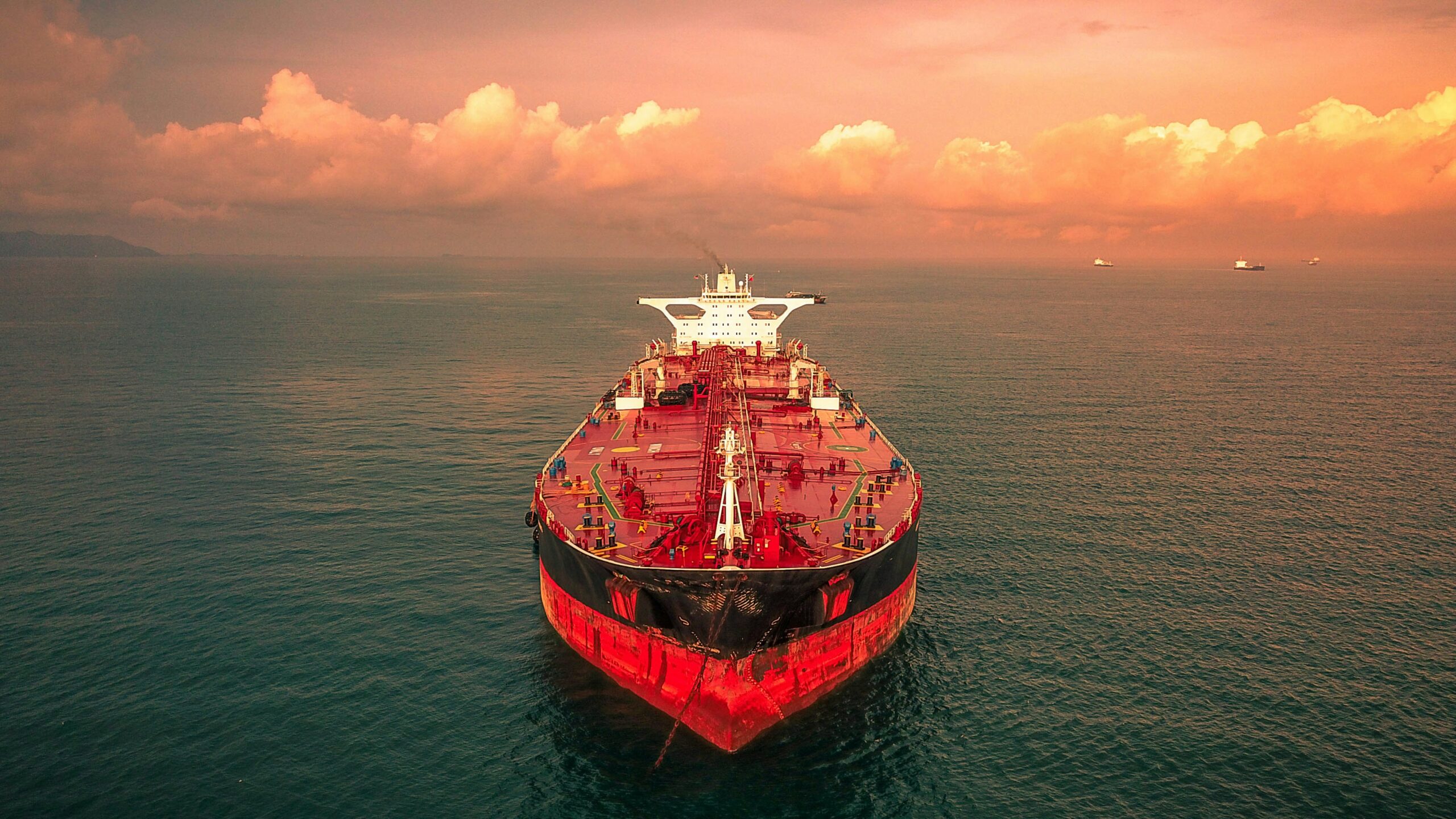
The immense hulks of once-proud leviathans, their silhouettes dominating skylines and their decks humming with the ceaseless rhythm of global commerce, are now finding their ultimate mooring. This is the twilight of the supertanker, the end of the era of colossal container ships, vessels that have defined the arteries of international trade for decades. Their final journey is not one of glorious return or a triumphant voyage to a new horizon, but a somber pilgrimage to the shipbreaking yards, where their metal bodies will be systematically dismantled, their stories reduced to scrap.
The sheer scale of modern shipping has been a marvel of human engineering and economic ambition. Ships that dwarf ancient pyramids have become commonplace, each a floating city capable of transporting goods across vast oceans with unparalleled efficiency. However, this relentless drive for bigger and better has a finite lifespan. As technology advances and environmental regulations tighten, the economics of ownership begin to shift, pushing even the most formidable vessels towards their inevitable retirement.
The Pursuit of Economies of Scale
For decades, the maritime industry has been driven by the relentless pursuit of economies of scale. Building larger ships meant carrying more cargo for a lower per-unit cost. This allowed for the globalization of manufacturing and consumption, making goods more accessible and affordable worldwide. The Panamax, Suezmax, and the colossal Ultra Large Container Vessels (ULCVs) are all testaments to this philosophy. Each iteration pushed the boundaries of naval architecture, demanding ever-deeper ports and wider shipping canals. The initial investment in these behemoths was enormous, but the projected revenue streams over their operational lives were deemed sufficient to justify the expenditure.
Technological Advancements and Shifting Paradigms
The pace of technological change in the maritime sector is accelerating. New propulsion systems, optimized hull designs, and advanced navigation technologies are constantly emerging, promising greater fuel efficiency and reduced environmental impact. Older ships, while still functional, often lag behind these innovations. Retrofitting older vessels to meet the latest standards can be prohibitively expensive, making it more economically viable to replace them with newer, more advanced models. This relentless cycle of innovation naturally pushes the older generation of ships towards obsolescence.
Environmental Regulations: A Driving Force for Change
Increasingly stringent environmental regulations are perhaps the most significant factor in the decline of older, larger vessels. The International Maritime Organization (IMO) and national governments are implementing stricter rules regarding emissions, ballast water management, and the disposal of pollutants. Older ships, built to less demanding standards, often struggle to comply with these new regulations. The cost of upgrading existing fleets to meet these requirements, such as installing exhaust gas cleaning systems (scrubbers) or adopting alternative fuels, can be astronomical. For many ship owners, the financial burden of compliance outweighs the remaining operational life of their older assets, making early retirement a more attractive option.
Market Volatility and Shifting Trade Routes
The global shipping market is inherently cyclical and susceptible to geopolitical events, economic downturns, and changing trade patterns. A glut of new shipbuilding orders can lead to overcapacity, driving down freight rates and eroding profitability. Conversely, a sudden surge in demand or a disruption to major shipping lanes can create temporary booms. However, over the long term, these fluctuations can render older, less efficient vessels unprofitable. Shifting manufacturing bases, the rise of new economic powers, and the development of alternative transportation infrastructure can also render established trade routes less significant, impacting the viability of ships designed for those specific routes.
The final journey of giant ships often evokes a sense of nostalgia and reflection on their storied pasts. For those interested in exploring this topic further, a related article can provide deeper insights into the fate of these colossal vessels and the environmental implications of their disposal. You can read more about it in this article: The Final Journey of Giant Ships.
The Grand Old Ladies of the Sea: A Look Back at Their Reign
These colossal vessels were not merely modes of transport; they were floating monuments to human ingenuity and ambition. Their construction represented colossal undertakings, and their operations facilitated the intricate dance of global commerce. Their retirement marks the end of a significant chapter in maritime history.
The Dawn of the Supertanker Era
The late 20th century witnessed the rise of the supertanker, vessels designed to transport vast quantities of crude oil. Ships like the “supertankers” of the 1970s and 80s, with capacities exceeding 300,000 deadweight tons, were a testament to the world’s growing demand for oil. These behemoths, capable of carrying millions of barrels of oil in a single voyage, transformed the global energy market. Their existence was intertwined with the rise of major oil-producing nations and the expansion of industrial economies.
The Container Ship Revolution: Unlocking Global Trade
The advent of the container ship revolutionized the logistics of international trade. Standardized containers, easily transferable between ships, trains, and trucks, dramatically reduced loading and unloading times, minimized cargo damage, and lowered shipping costs. The introduction of ever-larger container ships, capable of carrying tens of thousands of TEUs (Twenty-foot Equivalent Units), further amplified these efficiencies. These vessels became the backbone of global supply chains, enabling the widespread availability of manufactured goods across the planet.
Specialized Vessels and Their Legacy
Beyond the general cargo carriers, a host of specialized vessels also reached their zenith during this era. LNG carriers, designed to transport liquefied natural gas, became crucial for meeting the growing global energy needs. Ro-Ro (Roll-on/Roll-off) ferries, designed for transporting wheeled cargo like cars and trucks, facilitated seamless intercontinental travel for vehicles. Each of these vessel types, in its own way, contributed to the interconnectedness of the modern world and will leave a void as they are retired.
The Inevitable Voyage to the Shipbreaker: A Necessary End
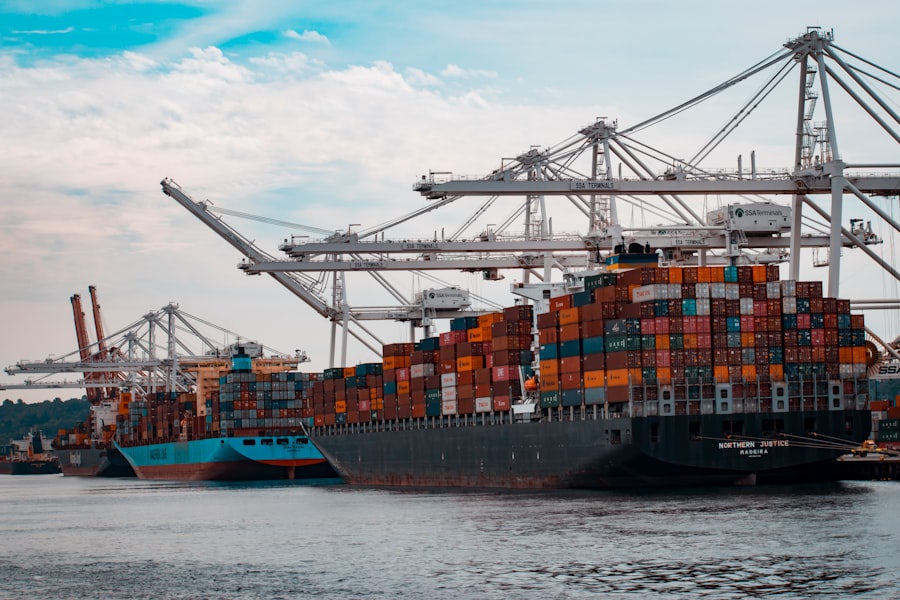
The final destination for these giants is not a serene retirement harbor, but the stark reality of the shipbreaking yards. These are industrial sites where the immense metal structures are systematically dismantled, their components repurposed and their essence returned to the raw materials from which they were forged.
The Unveiling of the Shipbreaking Industry
Shipbreaking is a specialized and often labor-intensive industry, concentrated in a few key regions around the world, notably South Asia. Countries like India, Pakistan, Bangladesh, and Turkey are major hubs for this activity. The process involves bringing the decommissioned vessel to shallow waters, beaching it, and then systematically dismantling it piece by piece. This allows for the recovery of valuable materials such as steel, copper, and aluminum.
The Human Element: Labor and Safety Concerns
While shipbreaking is an economically vital industry for the regions where it is practiced, it is also an industry with significant human and environmental concerns. Historically, working conditions in many shipbreaking yards have been hazardous, with workers exposed to dangerous materials like asbestos and heavy metals, and facing risks of serious injury or even fatality due to falling debris and other hazards. International regulations, such as the Hong Kong Convention, aim to improve safety and environmental standards, but enforcement and implementation remain ongoing challenges.
Environmental Repercussions of Decommissioning
The dismantling of massive vessels presents its own set of environmental challenges. The removal of hazardous materials, including fuel residues, lubricants, and paints containing toxic substances, requires careful handling and disposal to prevent pollution of the surrounding environment. While the ultimate goal is recycling, the process itself can be a source of contamination if not managed with the utmost care and adherence to strict environmental protocols. The potential for oil spills or the release of harmful chemicals into the marine ecosystem is a constant concern.
The Scavenging of Giants: Recycling and Repurposing

The decommissioning of a giant ship is not an end in the truest sense. The vast quantities of metal and other materials contained within these vessels are a valuable resource, ripe for recycling and repurposing, contributing to a more circular economy.
The Value of Steel and Other Metals
The primary material recovered from shipbreaking is steel. A single large vessel can contain thousands of tons of steel, which can be melted down and reprocessed into new steel products. This recycled steel is often used in construction, manufacturing, and even in the creation of new ships, completing a cyclical journey for the metal. Other valuable materials, such as copper wiring, brass fittings, and aluminum components, are also meticulously salvaged and recycled, contributing to the overall economic viability of the shipbreaking process.
The Journey of Salvaged Components
Beyond raw materials, certain components of decommissioned ships can also find a second life. Engines, generators, navigational equipment, and even cabins can be salvaged and refurbished for use in other vessels or for industrial applications. This repurposing of parts extends the lifespan of these complex components and reduces the need for new manufacturing, further contributing to resource efficiency.
The Circular Economy in Action
The shipbreaking industry, when conducted responsibly, embodies principles of the circular economy. It takes an end-of-life product, in this case, a colossal vessel, and breaks it down into its constituent parts, which are then fed back into the production cycle. This process minimizes waste and maximizes resource utilization, demonstrating how even the most massive industrial artifacts can be integrated into a more sustainable economic model.
The final journey of giant ships often evokes a sense of nostalgia and curiosity about their past adventures on the high seas. A related article explores the fascinating stories behind these colossal vessels and their eventual fate, shedding light on the environmental and economic implications of their dismantling. To learn more about this intriguing topic, you can read the full article here.
The Future of Shipping: Smaller, Smarter, and Greener
| Ship Name | Final Journey | Location | Reason |
|---|---|---|---|
| Titanic | Sank | North Atlantic Ocean | Hit an iceberg |
| USS Arizona | Sank | Pearl Harbor, Hawaii | Attacked by Japanese aircraft |
| SS Edmund Fitzgerald | Sank | Lake Superior | Stormy weather |
As the era of the supersized, fossil-fuel-guzzling behemoths draws to a close, the maritime industry is embarking on a new trajectory. The focus is shifting towards smaller, more efficient, and environmentally conscious vessels, powered by innovative technologies and designed for a more sustainable future.
The Rise of Alternative Fuels and Propulsion
The future of shipping is undeniably linked to the adoption of alternative fuels and advanced propulsion systems. Liquefied Natural Gas (LNG) is currently a popular transitional fuel, offering lower emissions of sulfur dioxide and particulate matter compared to traditional heavy fuel oil. However, the long-term vision includes a move towards methanol, ammonia, hydrogen, and even fully electric propulsion for shorter sea routes. Research and development in these areas are progressing rapidly, with significant investments being made in new ship designs and bunkering infrastructure.
The Impact of Digitalization and Automation
Digitalization and automation are poised to transform maritime operations. Advanced sensor technology, artificial intelligence, and the Internet of Things (IoT) are enabling smarter navigation, predictive maintenance, and optimized route planning. Autonomous shipping, once a concept of science fiction, is slowly becoming a reality, with the potential to improve safety, efficiency, and reduce crewing requirements. These technologies will lead to leaner, more agile fleets, capable of adapting to evolving trade demands.
A New Generation of Vessel Design
The next generation of ships will likely be characterized by innovative hull designs that reduce drag and improve fuel efficiency. Lightweight materials and advanced aerodynamic principles will be incorporated to minimize energy consumption. Furthermore, modular designs and flexible cargo configurations may become more prevalent, allowing vessels to adapt to a wider range of cargo types and market demands. The emphasis will be on adaptability, efficiency, and a reduced environmental footprint.
The final journey of these giant ships is not just the end of an era; it is a significant indicator of the evolving priorities within the global maritime industry. As the rust-tinged hulls are broken down and their metal finds new purpose, the lessons learned from their reign of dominance will undoubtedly shape the future of seafaring. The industry is moving towards a more sustainable, technologically advanced, and ultimately, a more responsible future. The giants may be falling, but their legacy will continue to influence the course of global trade and maritime innovation for generations to come.

The Beaches Global Trade Can’t Afford to Lose
FAQs
What is the final journey of giant ships?
The final journey of giant ships refers to the process of decommissioning and scrapping large vessels that have reached the end of their operational lives. This involves dismantling the ships and recycling their materials.
Why do giant ships go through a final journey?
Giant ships go through a final journey because they become too old or obsolete to operate safely and efficiently. Instead of letting them deteriorate and become environmental hazards, they are dismantled and recycled in a process known as ship breaking.
Where does the final journey of giant ships take place?
The final journey of giant ships often takes place in shipbreaking yards located in countries such as India, Bangladesh, Pakistan, and China. These yards are equipped to handle the dismantling and recycling of large vessels.
What happens to the materials from giant ships after the final journey?
After the final journey of giant ships, the materials such as steel, aluminum, and other metals are recycled and used in various industries. This helps reduce the demand for new raw materials and minimizes the environmental impact of ship disposal.
What are the environmental and safety concerns associated with the final journey of giant ships?
The final journey of giant ships raises concerns about environmental pollution and worker safety. Shipbreaking activities can release hazardous materials into the environment, and workers in shipbreaking yards are often exposed to dangerous conditions. Efforts are being made to improve safety and environmental standards in the shipbreaking industry.