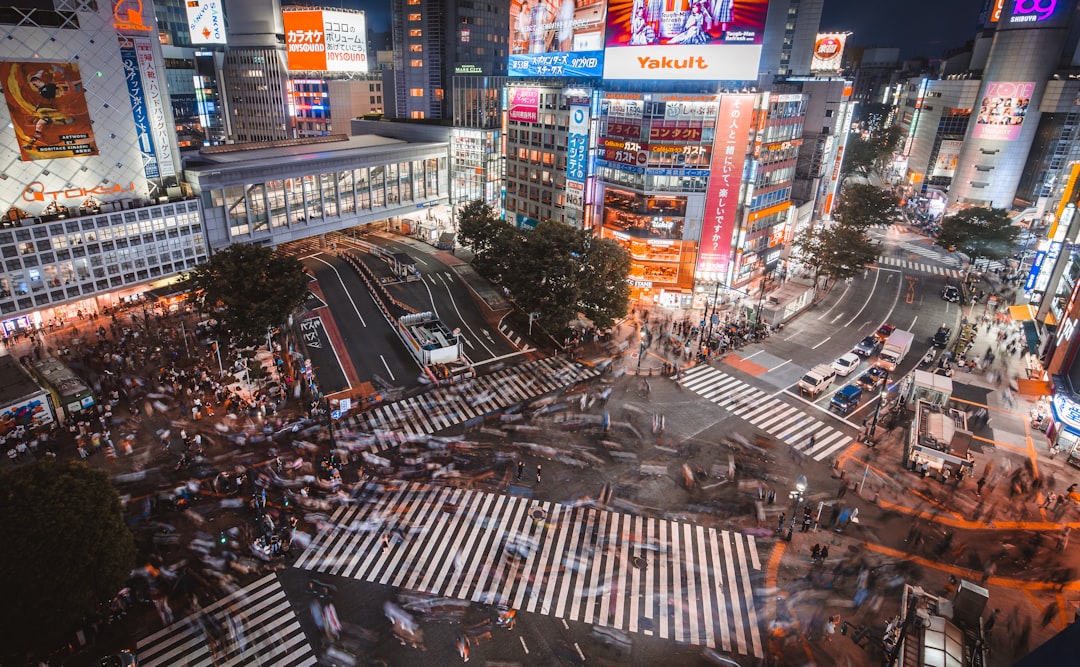
Japan, an archipelago nation situated in East Asia, is renowned for its remarkable population density. With over 125 million people inhabiting a landmass roughly the size of Germany, the country faces the perpetual challenge of accommodating its populace within a limited geographical area. This high population density is not a recent phenomenon but rather a culmination of historical, geographical, social, and economic factors. Understanding these intricate forces is crucial to comprehending the unique characteristics of Japanese society and its approach to urban planning, resource management, and daily life.
Japan’s mountainous terrain is a primary determinant of its high population density. The vast majority of the country’s land is covered by mountains and forests, rendering it unsuitable for large-scale agriculture or extensive urban development. This scarcity of flat, arable land forces the population to concentrate in coastal plains and river valleys, leading to intense development in these limited areas. The result is a striking contrast between the sparsely populated, wild interior and the densely packed, vibrant coastal cities.
The Impact of Topography on Settlement Patterns
The geological features of Japan, including its volcanic nature and susceptibility to earthquakes and tsunamis, have also shaped where people can and choose to live. While these natural occurrences can be destructive, they have also historically steered human settlement away from the most volatile regions, further concentrating populations in safer, albeit limited, areas. The development of resilient infrastructure in these more settled regions then becomes paramount. The creation of extensive tunnel systems and bridges, while feats of engineering, are also testaments to the need to connect and utilize the available habitable spaces.
The Role of Natural Resources and Their Distribution
While Japan possesses some natural resources, their distribution is uneven and often located in the mountainous interior. This geographical reality necessitates the importation of many raw materials, further driving economic activity and population concentration towards port cities where goods can be efficiently transferred and processed. The reliance on imports for resources like fossil fuels and ores means that the nation’s industrial hubs and administrative centers naturally grew in proximity to these vital access points, concentrating labor and capital.
The Influence of Climate on Habitable Zones
Japan’s climate, which ranges from temperate in the north to subtropical in the south, generally supports human habitation. However, certain regions experience harsh winters or extreme humidity, which can also influence the viability of large-scale settlements. While not as restrictive as the mountainous terrain, these climatic variations contribute to the overall pattern of where populations can comfortably thrive and develop, subtly guiding the flow of people towards more favorable environments.
Japan’s high population density can be attributed to various factors, including its limited land area, urbanization, and cultural preferences for city living. For a deeper understanding of the geographical and social dynamics that contribute to this phenomenon, you can explore a related article on the topic at MyGeoQuest. This resource provides insights into how Japan’s geography influences its population distribution and the implications for urban planning and infrastructure.
Historical Development and Early Urbanization
Japan’s long and continuous history has fostered a tradition of centralized governance and urbanization, laying the groundwork for its current population density. From the establishment of feudal capitals to the rapid industrialization of the modern era, urban centers have consistently attracted people seeking economic opportunities, education, and social services. This historical trajectory has created deep-rooted patterns of migration towards cities that persist to this day.
The Rise of Feudal Capitals and their Legacy
During the feudal period, powerful shoguns and samurai established their capitals in strategic locations, which often became centers of trade, administration, and culture. Cities like Kyoto, Kamakura, and Edo (modern-day Tokyo) grew significantly during these eras, attracting merchants, artisans, and farmers seeking patronage and employment. The infrastructure and societal structures developed during these periods left a lasting imprint, making these

Why Japan Can’t Build Another Tokyo
FAQs
1. What is the population density of Japan?
Japan has a population density of approximately 336 people per square kilometer, making it one of the most densely populated countries in the world.
2. What factors contribute to Japan’s high population density?
Several factors contribute to Japan’s high population density, including limited habitable land due to mountainous terrain, a high urbanization rate, and a cultural preference for living in densely populated urban areas.
3. How does Japan’s geography impact its population density?
Japan’s mountainous terrain limits the amount of habitable land available for development, leading to a concentration of population in the coastal plains and urban areas. This geographical constraint contributes to the country’s high population density.
4. What are the effects of Japan’s high population density?
The high population density in Japan has led to challenges such as limited space for housing and infrastructure, increased competition for resources, and environmental pressures. It has also influenced the development of compact urban living and efficient land use practices.
5. How does Japan manage its high population density?
Japan has implemented various measures to manage its high population density, including urban planning and development strategies, investment in efficient public transportation systems, and initiatives to promote sustainable living and resource management. Additionally, the government has implemented policies to address population distribution and encourage regional development.