
The United States has long been a nation defined by its urban centers, magnets for opportunity and cultural dynamism. Yet, a discernible pattern has emerged in recent years: a significant exodus from some of the nation’s most affluent and historically desirable cities. This demographic shift, a complex interplay of economic, social, and personal factors, signals a re-evaluation of urban living for a substantial segment of the American population. The notion that wealth equates to inherent desirability in all circumstances is being challenged as individuals and families weigh the perceived benefits against a mounting list of drawbacks.
The most immediate and impactful driver of this urban migration is the escalating cost of living, particularly in housing. Major metropolitan areas, once symbols of aspiration, have become financially prohibitive for many, even those with respectable incomes. This phenomenon is not a recent development, but its intensity has reached a critical point.
Housing Affordability Crisis Reaches Breaking Point
The price of a home or apartment in cities like San Francisco, New York City, Los Angeles, and Boston has ballooned over decades, driven by a combination of limited supply, high demand, and speculative investment. For many working-class and middle-class residents, homeownership has transformed from a cornerstone of the American dream into an unattainable fantasy. Rents, too, have soared, consuming a disproportionate amount of household income. This financial strain forces difficult choices.
The Trade-off Between Location and Lifestyle
Individuals often find themselves in a perpetual state of financial precariousness, dedicating a substantial portion of their earnings to rent or mortgage payments. This leaves less disposable income for savings, investments, leisure, or even essential needs. Consequently, the perceived quality of life diminishes, as the pursuit of a city’s cultural offerings or career opportunities becomes an unsustainable financial burden. The allure of a vibrant urban environment loses its shine when it requires constant financial sacrifice.
Impact on Generational Wealth and Social Mobility
The inability to afford housing in these desirable cities has profound implications for generational wealth accumulation and social mobility. Young professionals, even those with advanced degrees and promising career paths, struggle to establish a foothold. This can prevent them from building equity, a traditional source of family wealth. Furthermore, the high cost of living can deter individuals from lower socioeconomic backgrounds from even considering these cities as viable places to build a future, thereby reinforcing existing inequalities.
Beyond Housing: The Ascendancy of Other Expenses
While housing often takes center stage, the cost of living extends to an array of other expenses that contribute to the financial pressure cooker of expensive cities.
Transportation Costs: A Daily Drain
Public transportation, while often robust in major cities, can also be expensive, and for those who rely on personal vehicles, parking, insurance, and fuel costs add up considerably. Commutes can be long and arduous, further eroding quality of life.
Everyday Goods and Services: The “Big City” Premium
From groceries and dining out to childcare and entertainment, almost every aspect of daily life carries a premium in bustling metropolitan areas. This constant drip of higher expenses, while individually manageable, creates a cumulative drain on household budgets.
In recent years, a notable trend has emerged as many Americans are abandoning wealthy cities in search of more affordable living conditions and a better quality of life. This shift is often attributed to the rising cost of housing, increased remote work opportunities, and a desire for more space. For further insights into this phenomenon, you can read the article that delves into the reasons behind this migration and its implications on urban and suburban landscapes. For more information, visit this article.
The Shifting Landscape of Work
The traditional model of work, heavily concentrated in urban cores, has undergone a seismic shift, significantly impacting the decision to reside in expensive cities. The widespread adoption of remote and hybrid work arrangements has unchained many professionals from geographical constraints.
The Remote Work Revolution: Uncoupling Location and Livelihood
The COVID-19 pandemic acted as an unprecedented catalyst for remote work. Companies, faced with operational necessity, discovered that many roles could be performed effectively outside the traditional office setting. This realization has persisted, leading to a reassessment of workplace policies and the very definition of an office.
New Opportunities in Unexpected Places
As companies embrace remote work, talented individuals are no longer tethered to specific economic hubs. This opens up opportunities to live in areas with a lower cost of living while maintaining access to high-paying jobs. The ability to earn a salary commensurate with a major city’s job market while residing elsewhere represents a powerful incentive for relocation.
The “Work From Anywhere” Mentality
For a growing number of professionals, the ability to “work from anywhere” has become a significant lifestyle perk. This offers the flexibility to travel, spend more time with family, or simply choose a more serene environment without sacrificing career aspirations. Cities that were once the sole gatekeepers of such opportunities are now facing competition from a much broader geographical spectrum.
The Hybrid Model: Rebalancing City Presence
For those who do not fully embrace remote work, the rise of hybrid models also plays a role. Employees who are required to be in the office only a few days a week may find themselves questioning the necessity of paying premium city prices for a residence they will only occupy partially.
Reduced Commute Burden and Increased Flexibility
A hybrid schedule can significantly reduce the daily commute, a major source of stress and lost time for many urban dwellers. This allows for more personal time and a better work-life balance, factors that often outweigh the perceived advantages of living in a dense urban environment.
Rethinking Urban Proximity
The need for hyper-local proximity to an office is diminished within a hybrid framework. This allows individuals to consider more suburban or even exurban locations that offer more space, lower costs, and a different quality of life, knowing they can still access their workplace when required.
Quality of Life Considerations
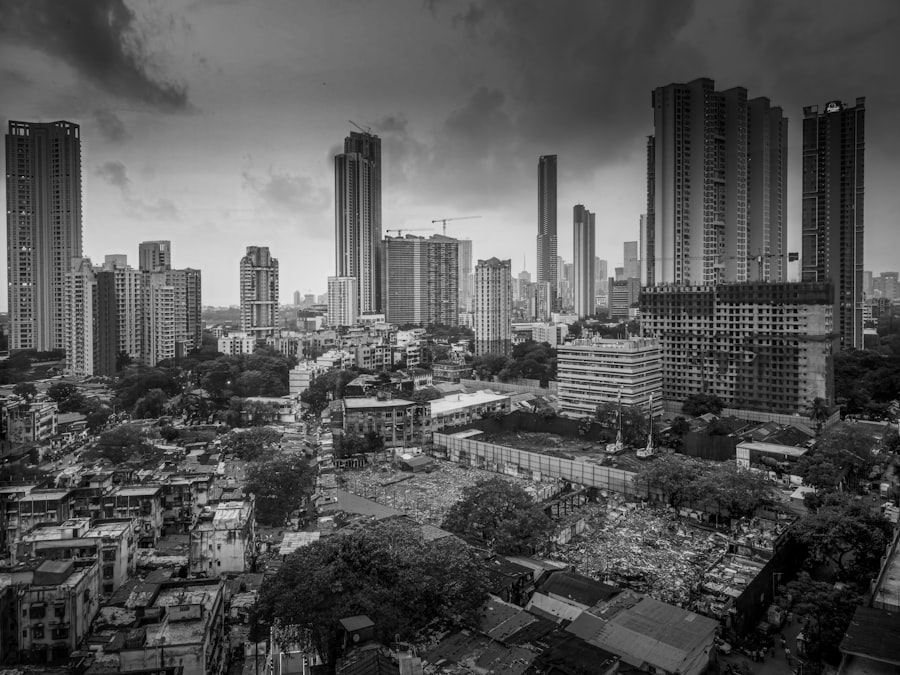
Beyond the purely financial, a growing number of Americans are re-evaluating the intangible aspects of urban living and seeking different priorities. What once represented the pinnacle of opportunity may now be perceived as a trade-off against other desirable qualities.
Overcrowding and Congestion: The Daily Grind
The sheer density of population in wealthy cities, while contributing to their vibrancy, can also lead to significant challenges.
Long Commutes and Traffic Frustrations
As mentioned earlier, commutes in congested urban areas can be incredibly taxing. Hours spent in traffic or on crowded public transport can detract significantly from leisure time and overall well-being. The constant presence of congestion can create a pervasive sense of stress.
Declining Open Spaces and Access to Nature
Many affluent cities are characterized by a scarcity of accessible green spaces and natural environments. For individuals seeking respite from the urban hustle, the lack of readily available parks, hiking trails, or natural beauty can be a significant detractor.
Safety and Crime Concerns
While crime rates vary widely among cities and even within neighborhoods, a perceived or actual increase in crime can profoundly impact an individual’s sense of security and willingness to reside in an area.
Desirable Neighborhoods No Longer Immune
Areas that were once considered safe havens can experience shifts in crime patterns, causing residents to reassess their choices. The feeling of vulnerability can be a powerful impetus for moving to perceived safer locales.
Impact on Family Life and well-being
For families with children, safety concerns can be paramount. The desire to raise children in an environment that feels secure and offers ample opportunities for outdoor play can lead to relocation decisions.
The Search for Community and Connection
Ironically, in some of the most densely populated areas, individuals report feeling a sense of isolation and a lack of genuine community.
The Impersonal Nature of Large Cities
The transient nature of populations, combined with the sheer scale of these cities, can make it challenging to foster deep connections and a sense of belonging. The anonymity that some find liberating can be alienating for others.
Seeking Smaller, Tighter-Knit Environments
Many are actively seeking smaller towns and cities where community ties are stronger and interpersonal relationships are more easily cultivated. The desire for a more familiar and supportive social fabric is a potent draw.
The Appeal of Alternative Lifestyles
The exodus is not simply about escaping the negatives of expensive cities; it is also driven by the positive allure of alternative lifestyles and environments that offer different priorities.
Access to Space and Affordability
The most tangible benefit of leaving expensive urban centers is often the increased access to space and a significantly lower cost of living.
Larger Homes and More Land
For the same price as a small apartment in a major city, individuals can often purchase a spacious home with a substantial yard in a smaller town or rural area. This offers more room for families, hobbies, and a greater sense of privacy.
Reduced Financial Pressure
The savings realized from lower housing costs, property taxes, and everyday expenses can significantly improve financial well-being. This can allow for greater discretionary spending, investment, or even the option for one parent to reduce their work hours.
A Different Pace of Life
Many are actively seeking a slower, more deliberate pace of life, a stark contrast to the frenetic energy of major metropolises.
Reduced Stress and Improved Mental Well-being
The constant hustle and sensory overload of large cities can contribute to chronic stress and burnout. The transition to a less demanding environment can lead to a noticeable improvement in mental health and overall happiness.
More Time for Personal Pursuits
With shorter commutes and less financial pressure, individuals often find they have more time and energy to dedicate to personal interests, hobbies, and family. This can lead to a more fulfilling and balanced life.
The Draw of Natural Environments
For many, the natural world holds an increasing appeal, a stark contrast to the concrete jungles of urban centers.
Proximity to Nature and Outdoor Recreation
Relocating to areas with greater access to mountains, forests, lakes, or coastlines allows for a lifestyle rich in outdoor recreation. Hiking, camping, fishing, and other activities become more readily available.
A Healthier Environment
The perception of cleaner air and a less polluted environment in less densely populated areas is also an attractive factor for those prioritizing health and well-being.
As more Americans seek affordable living and a better quality of life, a noticeable trend has emerged where individuals are abandoning wealthy cities for more affordable areas. This shift is often driven by the desire for spacious homes, lower costs of living, and a slower pace of life. A related article explores this phenomenon in depth, highlighting the factors influencing this migration and the implications for both urban and rural communities. For more insights on this topic, you can read the article here.
The Future of Urban Centers and Migration Patterns
| Reasons for Abandoning Wealthy Cities | Metrics |
|---|---|
| High Cost of Living | Percentage increase in housing prices |
| Traffic Congestion | Average commute time in hours |
| Quality of Life | Ranking in terms of air quality and green spaces |
| Job Opportunities | Unemployment rate |
| Public Safety | Crime rate per 100,000 residents |
The ongoing exodus from wealthy cities is not necessarily an indictment of urban living itself, but rather a reflection of evolving priorities and the growing availability of alternatives. The future of these once-dominant urban centers will likely depend on their ability to adapt to these new realities.
Reimagining Urban Living
Cities that are able to address the core concerns driving this migration – affordability, congestion, and quality of life – may be able to stem the tide.
Innovative Housing Solutions
The implementation of diverse housing options, including affordable housing initiatives and innovative urban planning that prioritizes density without sacrificing livability, will be crucial.
Investing in Public Infrastructure and Green Spaces
Enhancing public transportation, creating more accessible green spaces, and investing in sustainable infrastructure can improve the urban experience for those who choose to remain or who are drawn to city life for specific reasons.
The Rise of Secondary Cities and Smaller Metros
As the most expensive cities become less accessible, secondary cities and vibrant smaller metropolitan areas are poised to gain prominence.
Attracting Talent and Investment
These emerging hubs can offer a compelling combination of affordability, quality of life, and growing economic opportunities, attracting both individuals and businesses that were priced out of the primary markets.
Diversification of Regional Economies
This migration pattern can also lead to a more geographically diversified economy across the United States, reducing over-reliance on a few select urban powerhouses and fostering growth in a wider range of communities.
The exodus from wealthy cities represents a significant and ongoing phenomenon. It is a complex story driven by financial realities, technological advancements, and a profound recalibration of what constitutes a desirable life in America. The choices being made by individuals and families today are not necessarily a permanent rejection of urban living, but a pragmatic response to changing circumstances and a search for a more balanced and attainable vision of success.
FAQs
1. Why are Americans abandoning wealthy cities?
There are several reasons why Americans are leaving wealthy cities, including high cost of living, traffic congestion, and limited affordable housing options.
2. What are some examples of wealthy cities that Americans are leaving?
Some examples of wealthy cities that Americans are leaving include New York City, San Francisco, and Los Angeles.
3. What are some factors contributing to the high cost of living in wealthy cities?
Factors contributing to the high cost of living in wealthy cities include expensive real estate, high taxes, and the overall high cost of goods and services.
4. Where are Americans moving to when leaving wealthy cities?
Americans leaving wealthy cities are often moving to more affordable cities and suburbs in states such as Texas, Florida, and North Carolina.
5. How is the exodus from wealthy cities impacting the housing market?
The exodus from wealthy cities is impacting the housing market by driving up demand and prices in more affordable areas, while leading to a surplus of housing in the cities being abandoned.