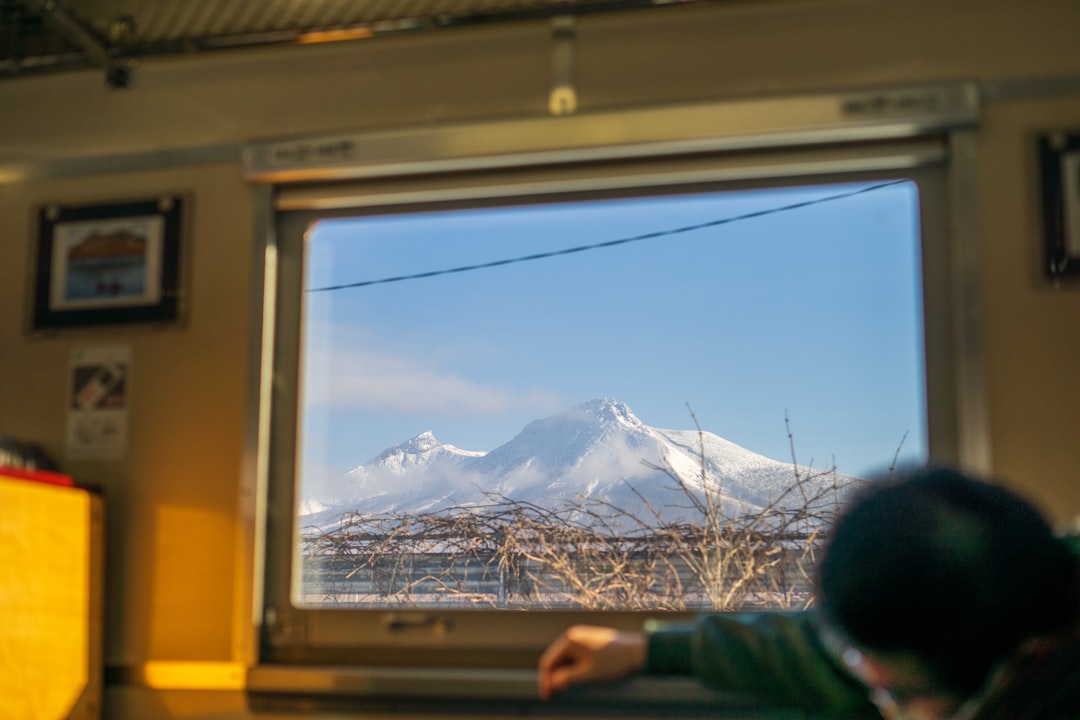
The hum of an approaching train, a sound once signifying a slower, more cumbersome journey, has been fundamentally redefined by Japan’s Shinkansen. More than just a railway system, the Shinkansen, or “bullet train,” represents a monumental leap in transportation technology, a symbol of post-war recovery and innovation, and a continuous evolution of speed, safety, and efficiency. Its story is one of ambition, meticulous engineering, and a persistent drive towards a future where distance feels less like a barrier. This brief history explores the genesis, development, and ongoing transformation of this iconic marvel of modern engineering.
The concept of a high-speed rail network in Japan predates its actual realization by several decades, rooted in the nation’s pre-war desire for efficient and modern infrastructure. However, the devastation of World War II presented both immense challenges and a unique opportunity. The urgent need for reconstruction and a renewed sense of national pride fueled ambitious projects, and the idea of a super-express railway began to take root.
Pre-War Aspirations and Post-War Realities
Before the war, Japan’s railway system, while extensive, was largely limited by the existing narrow gauge. This inherently restricted train speeds and capacity. Discussions about a standard gauge, wider network capable of higher speeds were ongoing, but the war effort and subsequent destruction pushed these plans to the back burner. The immediate post-war period was characterized by rebuilding basic infrastructure, but as Japan gradually regained its footing, the focus shifted towards more forward-looking developments. The nation, determined to rise from its ashes, embraced technological advancement as a path to economic prosperity and global standing. The idea of a dedicated, high-speed line, unhindered by existing infrastructure, began to feel not just desirable, but essential.
The Tokaido Corridor: A Strategic Necessity
The most economically vital artery in Japan, the Tokaido Corridor, stretches between Tokyo and Osaka. This region is home to a significant portion of the country’s population and industrial output. The existing Tokaido Line, though a crucial link, was already operating at its maximum capacity. Congestion, both for passengers and freight, was a growing problem. The limitations of the conventional railway system were becoming a bottleneck to economic growth. The development of a new, high-speed line was seen not merely as an improvement but as a critical investment in the nation’s future economic competitiveness. The sheer volume of traffic and the economic imperative made the Tokaido Corridor the natural starting point for this ambitious endeavor.
The history of the Shinkansen, Japan’s iconic high-speed rail system, is a fascinating journey that reflects the country’s commitment to innovation and efficiency in transportation. For those interested in exploring this topic further, a related article can be found at My Geo Quest, which delves into the evolution of rail travel in Japan and the technological advancements that have shaped the Shinkansen over the decades.
The Birth of the Bullet: The Original Shinkansen (0 Series)
The realization of the Shinkansen dream culminated in the opening of the Tokaido Shinkansen line in 1964. This was a feat of engineering and planning that astonished the world, launching Japan onto the global stage as a leader in technological innovation. The iconic “bullet” was born, and its impact was immediate and profound.
Overcoming the Tōkaidō Line’s Limitations
The decision to build a completely new, standard-gauge line, separate from the existing narrow-gauge network, was fundamental to achieving the desired speeds. This allowed for a more streamlined, straighter track alignment, reducing the need for tight curves. Extensive planning and land acquisition were undertaken, often facing significant challenges and opposition. The engineers meticulously surveyed the route, prioritizing directness and minimizing gradients to optimize speed. This separation from conventional lines was a crucial step in breaking free from the historical constraints of Japanese railways.
Engineering Marvels: Electrification, Track Design, and Signalling
The 0 Series Shinkansen was a revolution in railway technology. Its electric traction provided smooth, powerful acceleration and braking. The track infrastructure was designed for high speeds, featuring a robust ballast bed and precisely laid rails. A sophisticated signaling system was developed to ensure safety at unprecedented speeds. Unlike conventional railways where signals were placed at intervals, Shinkansen utilized a continuous automatic train control (ATC) system that monitored train speed and location in real-time, automatically applying brakes if necessary. This innovative approach to safety was a cornerstone of the Shinkansen’s design philosophy. The trains themselves were aerodynamically designed to minimize air resistance, contributing to their impressive speed and efficiency.
The history of the Shinkansen, Japan’s iconic high-speed train system, is a fascinating journey through innovation and engineering excellence. For those interested in exploring this topic further, a related article provides an in-depth look at the evolution of rail transport in Japan and its impact on society. You can read more about it in this insightful piece on rail transport history. This resource highlights the technological advancements and cultural significance of the Shinkansen, making it a must-read for enthusiasts and curious minds alike.
The 1964 Tokyo Olympics: A Global Debut
The opening of the Tokaido Shinkansen in October 1964, just days before the Tokyo Summer Olympics, was a masterstroke of timing. The world watched as these gleaming trains whisked passengers between Tokyo and Osaka in a mere four hours, a stark contrast to the eight-hour journey previously required. The Shinkansen became an instant symbol of Japan’s post-war technological prowess and its commitment to progress. It showcased to the world a vision of the future of transportation – fast, reliable, and safe. The international media coverage was extensive, cementing the Shinkansen’s reputation as a groundbreaking achievement.
Expansion and Diversification: Beyond the Tōkaidō
The success of the Tokaido Shinkansen proved the viability and immense demand for high-speed rail. This spurred a rapid expansion of the network across Japan, connecting major cities and regions. Each new line brought its own set of technological refinements and served to further integrate the nation.
The Sanyo Shinkansen: Connecting the West
Following the Tōkaidō, the Sanyo Shinkansen line connected Osaka to Hakata (Fukuoka) in western Japan, opening up the Kyushu region to faster travel. This expansion demonstrated the replicability of the Shinkansen model and its ability to stimulate regional development. The engineering challenges for the Sanyo line included crossing more varied terrain, requiring impressive bridges and tunnels. The design continued to evolve, with subsequent series of trains offering improvements in speed, comfort, and efficiency.
The Tohoku and Joetsu Shinkansen: Reaching the North
The development of lines extending northwards, such as the Tohoku Shinkansen (to Aomori) and the Joetsu Shinkansen (to Niigata), presented new geographical challenges. Tunnels became longer, and the need to operate reliably in snowy conditions became paramount. These lines pushed the boundaries of existing technology, leading to innovations in track heating systems and improved aerodynamic designs to reduce snow accumulation. The introduction of new train series like the 200 series on the Tohoku line was a significant step in this northward expansion.
The Hokkaido Shinkansen: Bridging the Island Divide
A major recent achievement has been the extension of the Shinkansen to Hokkaido, the northernmost main island of Japan, with the opening of the Hokkaido Shinkansen line. This involved the construction of the Seikan Tunnel, one of the longest railway tunnels in the world, connecting Honshu and Hokkaido. This monumental project required overcoming immense engineering hurdles and represented a significant investment in connecting the country’s northern frontier. The development of this line has also involved interoperability considerations with conventional rail lines.
Continuous Innovation: Faster, Safer, Smarter
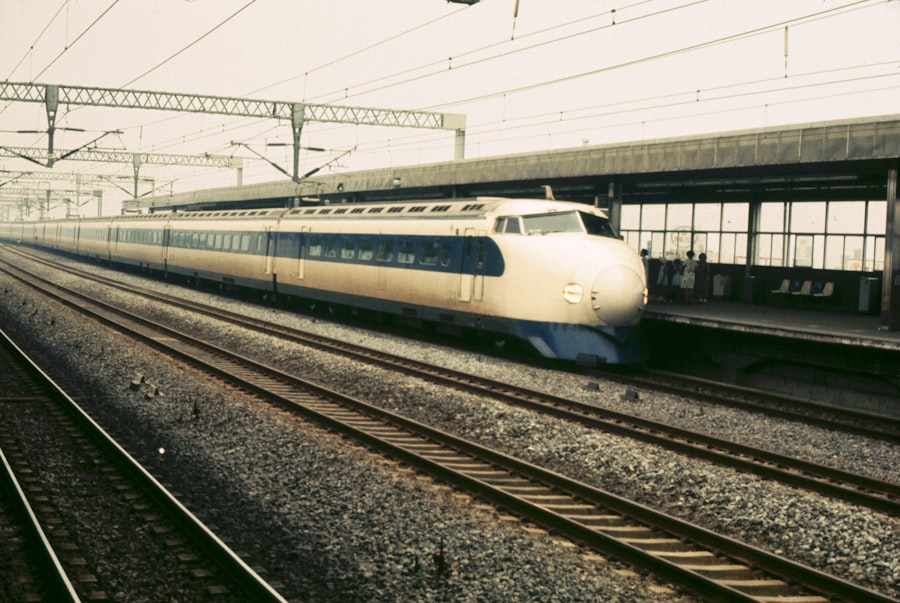
The evolution of the Shinkansen is not a story of static achievement but of relentless pursuit of improvement. Japanese National Railways (later privatized into Japan Railways Group) and its successor companies continually invested in research and development to enhance every aspect of the Shinkansen system.
The Drive for Speed: From 210 km/h to 320 km/h and Beyond
The initial speed of the 0 Series was around 210 km/h. Over the decades, this has steadily increased. The 300 series, introduced in the 1990s, broke the 200 km/h barrier comfortably, reaching 240 km/h. Further advancements

Why Japan Can’t Build Another Tokyo
FAQs
What is the Shinkansen?
The Shinkansen, also known as the “bullet train,” is a high-speed railway system in Japan. It was the world’s first high-speed railway system and has been in operation since 1964.
How fast does the Shinkansen go?
The Shinkansen trains can reach speeds of up to 320 km/h (200 mph), making them one of the fastest trains in the world.
When was the Shinkansen first introduced?
The first Shinkansen line, known as the Tokaido Shinkansen, was opened in 1964, connecting Tokyo and Osaka. Since then, the Shinkansen network has expanded to cover most major cities in Japan.
What impact has the Shinkansen had on Japan’s transportation system?
The Shinkansen has had a significant impact on Japan’s transportation system, providing a fast, efficient, and reliable mode of travel for millions of passengers. It has also helped to reduce reliance on air travel and has contributed to the economic development of the regions it serves.
What are some notable developments in the history of the Shinkansen?
Over the years, the Shinkansen has seen several notable developments, including the introduction of new models of trains with improved speed and comfort, the extension of the network to new destinations, and the implementation of advanced safety and technology features.