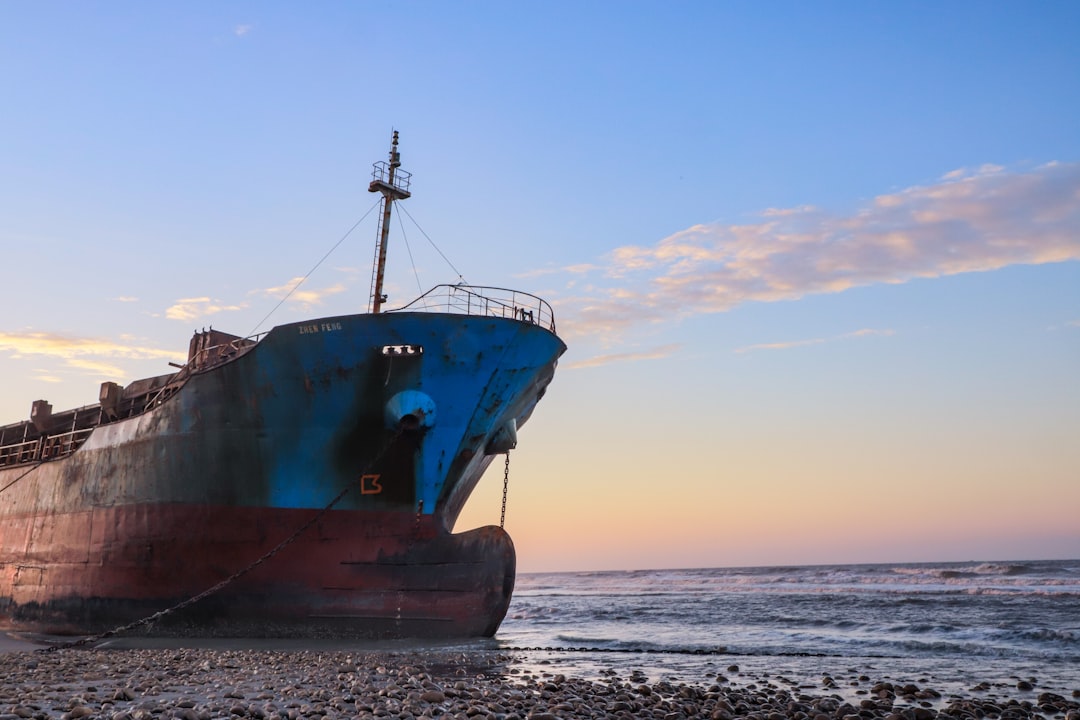
The colossal carcasses of retired ocean liners, cargo ships, and tankers, once symbols of global trade and adventure, often meet their end in a starkly different and environmentally fraught landscape: the shipbreaking yards. These sprawling facilities, predominantly located in developing nations like India, Bangladesh, Pakistan, and Turkey, are where ships are dismantled for their valuable scrap metal. While providing a source of raw materials and employment, the process of shipbreaking carries a significant and often devastating environmental toll, impacting marine ecosystems, human health, and the very air and soil of surrounding communities.
The sheer volume of ships reaching the end of their operational lives is staggering. Millions of tons of steel are recycled annually through shipbreaking, making it a crucial component of the global scrap metal market. However, this scale directly translates into an equally colossal environmental burden. Ships, particularly older ones, are complex structures laden with a diverse array of materials, many of which are hazardous. The dismantling process, often carried out with relatively primitive techniques and lax regulations, releases these hazardous substances into the environment with little to no mitigation.
The Global Flow of End-of-Life Vessels
The practice of sending older, often heavily polluting vessels to developing countries for breaking is not accidental. It’s driven by economic factors, where labor costs are lower and environmental regulations are less stringent, making it a cheaper option for ship owners to dispose of their aging fleets. This “toxic trade” means that the environmental consequences are disproportionately borne by communities that often lack the resources to manage the pollution effectively. The movement of these vessels is a complex logistical operation, but the environmental destination is invariably the same: a beach in a developing nation where human hands and rudimentary tools will undertake the arduous task of disassembly.
The Diverse Chemical Cocktail Within Ships
Modern ships, and even older ones, are not simply inert metal structures. They are intricate systems containing a vast range of chemicals and materials designed for their operation and maintenance. These include:
Asbestos
Once lauded for its fire-resistant properties, asbestos is a known human carcinogen. Ships built before the widespread ban on its use (which varies by country but generally became more restrictive from the 1980s onwards) are often riddled with asbestos in insulation, gaskets, and various other components. The dismantling process releases asbestos fibers into the air, posing a severe inhalation risk to workers and nearby populations.
Paints and Coatings
Ships are painted with multiple layers of specialized coatings to protect them from corrosion in harsh marine environments. These paints often contain heavy metals like lead, mercury, cadmium, and organotins, which are highly toxic. When the paint is scraped, burned, or otherwise removed, these toxic substances are released into the air and can leach into the soil and water.
Oils and Fuel Residues
Even after vessels are drained of their primary fuel loads, significant amounts of oily residues, bilge water, and hydraulic fluids remain in tanks, pipes, and machinery. During dismantling, these substances can be spilled, contaminating the beaches, surrounding waters, and soil.
Other Hazardous Materials
Beyond the more common culprits, ships can also contain polychlorinated biphenyls (PCBs) in electrical equipment, volatile organic compounds (VOCs) from various materials, and refrigerants with ozone-depleting potential. The safe removal and disposal of these substances require specialized knowledge and infrastructure, which are often lacking in shipbreaking yards.
The environmental impact of shipbreaking is a critical issue that has garnered attention in recent years, particularly due to the hazardous materials often found in decommissioned vessels. For a deeper understanding of this topic, you can explore a related article that discusses the ecological consequences and the need for sustainable practices in the shipbreaking industry. To read more, visit this article.
The Direct Environmental Impacts of Shipbreaking Operations
The physical act of dismantling a ship is inherently destructive and releases a cascade of pollutants into the surrounding environment. The methods employed, often characterized by cutting torches, crowbars, and sheer human labor, are far removed from the controlled industrial processes found in developed nations.
Beaching and the Seabed Contamination
A hallmark of shipbreaking in many locations is the practice of beaching. Ships are deliberately grounded on tidal beaches, allowing workers to access their hulls during low tide. This seemingly simple act has profound consequences. The grounding itself can damage the seabed, disturbing marine habitats. Moreover, as the ship is dismantled, rust, paint flakes, oil spills, and other debris are washed into the sea with the rising tide, directly impacting marine life and the overall health of the coastal ecosystem.
Destruction of Intertidal Zones
Beaching a massive vessel on a sandy or muddy shore obliterates the delicate intertidal zone. This vital ecological niche, teeming with life, is crushed and buried. Organisms such as shellfish, crustaceans, and various invertebrates that form the base of the marine food web are directly killed or their habitats are permanently altered.
Sediment Pollution
The constant disturbance of the ship and its cargo, combined with the natural erosion of the hull, leads to a significant increase in suspended sediments in the water. This turbidity can reduce sunlight penetration, hindering the growth of marine plants and impacting filter-feeding organisms. The settled sediments can also smother benthic (seabed) habitats.
Air Pollution from Cutting and Burning
The primary method of dismantling ship hulls and internal structures involves cutting torches that burn through steel. This process releases a cocktail of pollutants into the atmosphere, including particulate matter, heavy metals, and toxic gases. The lack of containment means these pollutants spread widely, affecting air quality in surrounding communities.
Release of Dioxins and Furans
When painted steel containing heavy metals and other organic compounds is heated to high temperatures, it can release highly toxic byproducts like dioxins and furans. These persistent organic pollutants (POPs) are known carcinogens and can accumulate in the environment and the food chain.
Heavy Metal Fumes
The burning of metals and coatings releases fumes containing heavy metals such as lead, mercury, and cadmium. Inhalation of these fumes poses significant health risks to workers and can contribute to long-term environmental contamination.
Dust and Particulates
The abrasive nature of shipbreaking generates large amounts of dust and fine particulate matter. These particles, often laden with toxic substances from paints and rust, can be inhaled, causing respiratory problems for workers and residents.
Water Pollution from Leaks and Runoff
As ships are dismantled, leaks of oil, fuel, and other hazardous fluids are inevitable. Furthermore, rainwater runoff from the ship’s decks and the contaminated beach carries these pollutants into the sea.
Oil Spills and Contamination
The accumulation of oily residues in various parts of the ship can lead to significant oil spills during the dismantling process. These spills create slicks on the water surface, harming marine life through ingestion, inhalation, and coating of feathers and fur. The oil also penetrates the sand, making remediation difficult.
Heavy Metal Leaching
Rainwater washing over contaminated ship parts and the beach can leach heavy metals from paints and corroded materials into the surrounding water. These heavy metals can bioaccumulate in marine organisms, posing risks to both wildlife and humans who consume seafood.
The Impact on Marine Ecosystems
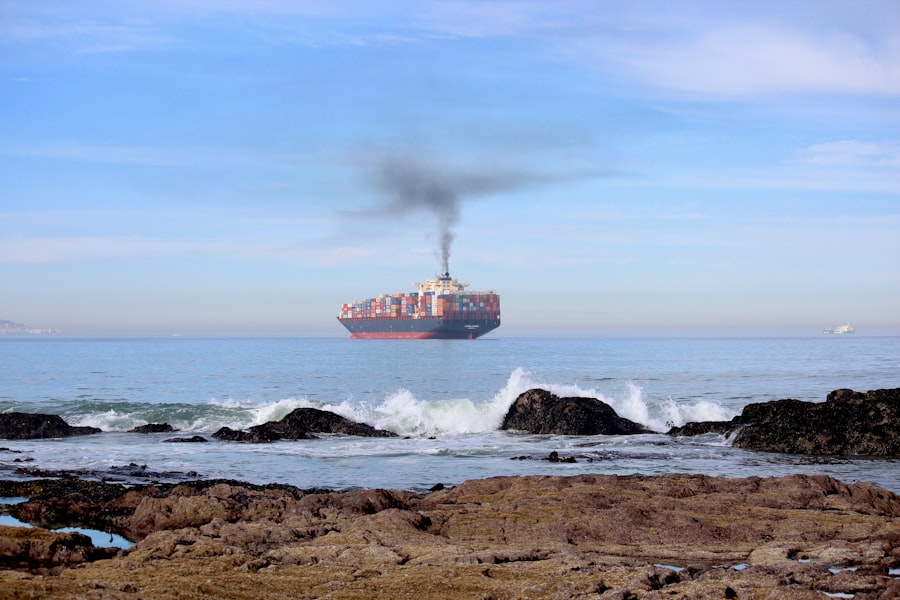
The environmental consequences of shipbreaking extend far beyond the immediate vicinity of the yards, with significant and long-lasting impacts on marine ecosystems. The contamination of water, sediment, and the physical destruction of habitats create a hostile environment for marine life.
Bioaccumulation and Biomagnification of Toxins
The heavy metals and persistent organic pollutants released during shipbreaking enter the marine food web. Small organisms ingest these toxins, and as they are consumed by larger predators, the concentration of these pollutants increases at each trophic level. This process, known as biomagnification, can lead to dangerously high levels of toxins in top predators, including fish that are consumed by humans.
Heavy Metals in Fish and Shellfish
Fish and shellfish caught in the vicinity of shipbreaking yards are often found to contain elevated levels of lead, mercury, cadmium, and other heavy metals. These metals can cause neurological damage, developmental problems, and other health issues in humans.
Organotins in Marine Organisms
Organotins, used in anti-fouling paints, are highly toxic to marine life, particularly mollusks. They can disrupt endocrine systems, impair reproduction, and cause developmental abnormalities in a wide range of marine organisms.
Habitat Destruction and Biodiversity Loss
The physical act of beaching ships and the continuous presence of these massive metal structures on shorelines effectively destroy sensitive coastal habitats. This leads to a significant decline in biodiversity as species lose their homes and food sources.
Loss of Seagrass Beds and Mangroves
In some locations, shipbreaking operations can encroach upon and destroy vital coastal habitats like seagrass beds and mangrove forests. These ecosystems are crucial nurseries for many fish species, protect coastlines from erosion, and provide valuable carbon sinks.
Impact on Benthic Communities
The smothering effect of sediment and debris from shipbreaking devastates benthic communities, which include a diverse array of invertebrates, corals, and other seabed-dwelling organisms. This loss at the base of the food web has ripple effects throughout the entire ecosystem.
The Human Health Consequences

The environmental degradation caused by shipbreaking directly translates into severe health risks for the workers involved in the dismantling process and for the communities living in the vicinity of the shipbreaking yards. The lack of protective gear, inadequate safety measures, and the pervasive presence of toxic substances create a perilous working and living environment.
Occupational Hazards for Shipbreakers
Workers in shipbreaking yards are exposed to a multitude of immediate and long-term health hazards due to their direct contact with hazardous materials and the dangerous nature of the work.
Respiratory Illnesses
Inhalation of asbestos fibers, heavy metal fumes, and dust leads to a high incidence of respiratory diseases, including asbestosis, lung cancer, silicosis, and chronic obstructive pulmonary disease (COPD).
Skin Diseases and Chemical Burns
Direct contact with oil, paint residues, and chemicals can cause severe skin irritation, dermatitis, and chemical burns.
Injuries from Accidents
The manual nature of shipbreaking, often involving heavy machinery and precarious working conditions, leads to a high rate of accidents, including cuts, amputations, and falls, often with fatal consequences.
Long-Term Health Effects
Beyond immediate injuries and respiratory problems, exposure to heavy metals and carcinogens can lead to long-term health issues such as cancer, neurological disorders, reproductive problems, and immune system deficiencies.
Health Impacts on Local Communities
The pollution generated by shipbreaking yards does not remain confined to the yards themselves. Prevailing winds carry toxic fumes and dust, and contaminated water runoff affects local water sources and agricultural land, posing significant health risks to surrounding populations.
Contaminated Food and Water Sources
Heavy metals and other toxins can leach into groundwater and surface water, contaminating drinking water supplies and agricultural irrigation. Seafood caught in polluted waters also poses a risk.
Exposure to Air Pollutants
Communities living near shipbreaking yards suffer from poor air quality due to the constant release of particulate matter, heavy metal fumes, and VOCs. This exposure can exacerbate existing respiratory conditions and lead to new health problems.
Environmental Injustice
The disproportionate concentration of shipbreaking yards in developing countries, often in close proximity to impoverished communities, highlights a clear case of environmental injustice, where the burden of pollution and its health consequences are borne by those least equipped to mitigate them.
The environmental impact of shipbreaking is a pressing issue that has garnered significant attention in recent years. As ships reach the end of their operational lives, the dismantling process often takes place in developing countries, leading to severe ecological consequences. For a deeper understanding of this topic, you can explore a related article that discusses the various environmental challenges associated with shipbreaking practices. This insightful piece highlights the need for sustainable solutions in the industry, making it essential reading for anyone interested in maritime environmental issues. To learn more, visit this article.
Towards Sustainable Shipbreaking Practices
| Environmental Impact of Shipbreaking | Metrics |
|---|---|
| 1 | Amount of hazardous waste generated |
| 2 | Volume of oil and other pollutants released into the environment |
| 3 | Number of marine species affected by shipbreaking activities |
| 4 | Extent of coastal and marine ecosystem destruction |
| 5 | Quantity of greenhouse gas emissions produced |
The dire environmental and human health consequences of current shipbreaking practices necessitate a fundamental shift towards more sustainable and responsible methods. This requires a multi-faceted approach involving international regulation, improved yard management, and a greater emphasis on the lifecycle of ships.
International Regulations and Conventions
The International Maritime Organization (IMO) and other international bodies play a crucial role in setting standards and enforcing regulations related to ship recycling. The Hong Kong Convention for the Safe and Environmentally Sound Recycling of Ships aims to address these issues, but its effective implementation remains a challenge.
The Hong Kong Convention
This convention, once ratified and enforced, would establish global standards for ship recycling, including requirements for ship design to facilitate dismantling, the inventory of hazardous materials, and the safe operation of recycling facilities.
Stricter Enforcement and Monitoring
Even with existing conventions, robust enforcement mechanisms and independent monitoring are crucial to ensure compliance and hold ship owners and recycling facilities accountable for their environmental performance.
Improving Yard Infrastructure and Practices
Investing in modern infrastructure, adopting safer dismantling techniques, and implementing proper waste management systems are essential for transforming shipbreaking yards into more environmentally responsible operations.
Closed-Loop Systems and Containment
Implementing closed-loop systems for managing hazardous materials, such as oil and chemicals, and establishing containment measures to prevent spills and runoff are critical steps.
Personal Protective Equipment (PPE) and Training
Ensuring that all workers are provided with appropriate PPE, including respirators, gloves, and protective clothing, and receiving comprehensive training on safe handling of hazardous materials are paramount for worker safety.
Hazardous Material Management
Establishing dedicated facilities for the safe removal, treatment, and disposal of hazardous materials like asbestos, paints, and oils is crucial. This might involve collaboration with specialized waste management companies.
The Role of Ship Design and Lifecycle Management
Considering the end-of-life phase of a ship during its design and construction can significantly reduce the environmental impact of its eventual dismantling.
“Green Passport” and Inventory of Hazardous Materials
Mandating a “Green Passport” for all new ships, detailing all hazardous materials onboard, would greatly facilitate the identification and safe removal of these substances during dismantling.
Designing for Deconstruction
Incorporating design features that allow for easier and safer disassembly, such as modular construction and avoiding materials that are difficult to recycle or dispose of safely, can revolutionize the shipbreaking process.
Extended Producer Responsibility
Implementing extended producer responsibility schemes, where ship owners are held accountable for the entire lifecycle of their vessels, including their environmentally sound dismantling, can incentivize more sustainable practices.
The future of shipbreaking lies not in the continued exploitation of vulnerable communities and ecosystems, but in a global commitment to responsible practices. By embracing international cooperation, investing in modern technology, and prioritizing the health of both people and the planet, the colossal carcasses of our ships can be transformed into a testament to sustainable industrial progress, rather than a monument to environmental neglect. The journey from a magnificent vessel sailing the oceans to a safe and environmentally sound scrap heap is a complex one, but it is a journey that the world can no longer afford to get wrong.
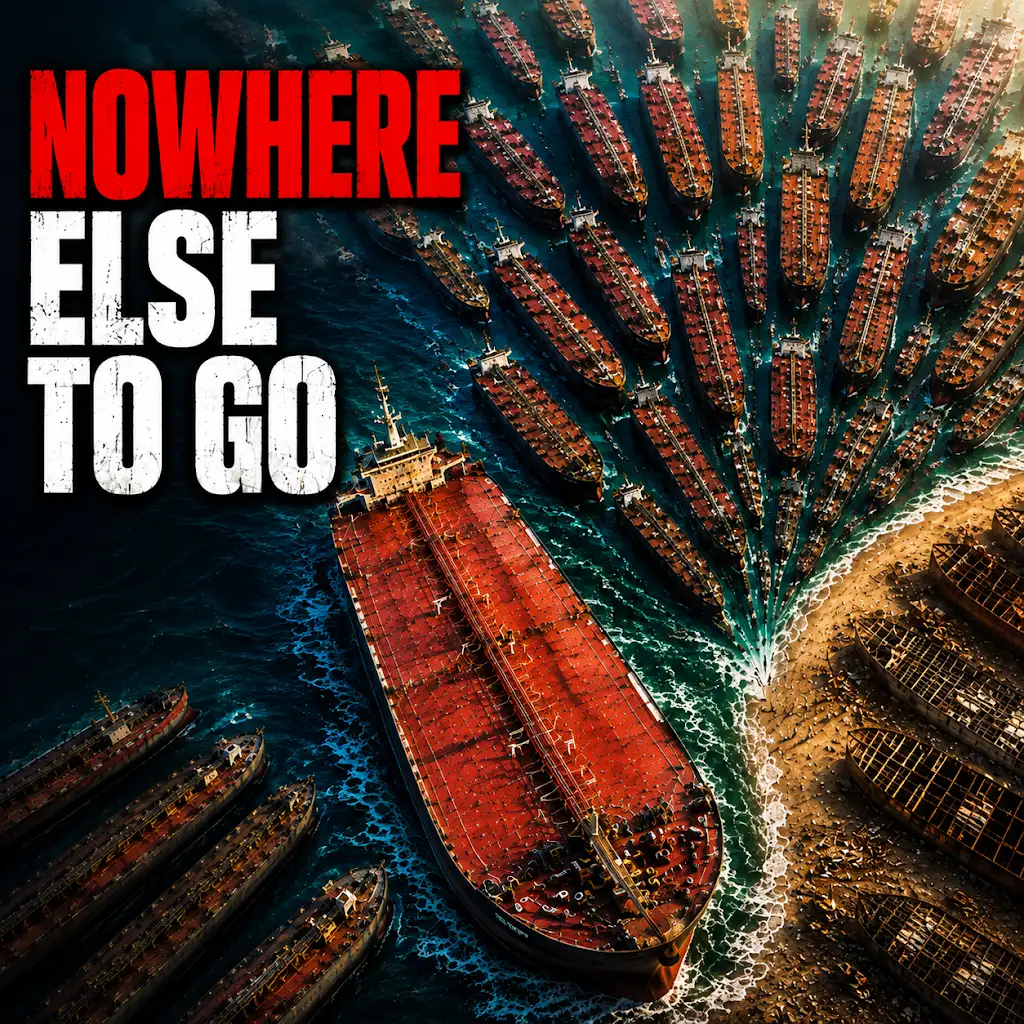
The Beaches Global Trade Can’t Afford to Lose
FAQs
What is shipbreaking?
Shipbreaking is the process of dismantling an old or decommissioned ship to recover the valuable materials and equipment for recycling or resale.
What are the environmental impacts of shipbreaking?
Shipbreaking can have significant environmental impacts, including the release of hazardous materials such as asbestos, lead, and polychlorinated biphenyls (PCBs) into the surrounding environment. It can also lead to oil and chemical spills, as well as air and water pollution.
Where does shipbreaking typically take place?
Shipbreaking activities are often concentrated in developing countries, where labor and environmental regulations may be less stringent. Countries such as Bangladesh, India, and Pakistan are known for their shipbreaking yards.
What are the regulations governing shipbreaking?
The International Maritime Organization (IMO) has developed the Hong Kong International Convention for the Safe and Environmentally Sound Recycling of Ships, which aims to regulate the shipbreaking industry and minimize its environmental impact. However, the convention has not yet entered into force.
What are some sustainable alternatives to traditional shipbreaking methods?
Some sustainable alternatives to traditional shipbreaking methods include using advanced technologies for dismantling ships in a controlled environment, as well as promoting the recycling and reuse of ship materials to minimize waste and environmental impact.